

Treatment for hepatitis B may be nearing a major breakthrough after decades of focusing primarily on virus control. A new drug called Bepiroviser has just announced Phase III trial results showing its potential to help patients achieve "functional cure"—a milestone that scientists worldwide have been pursuing for many years.
 |
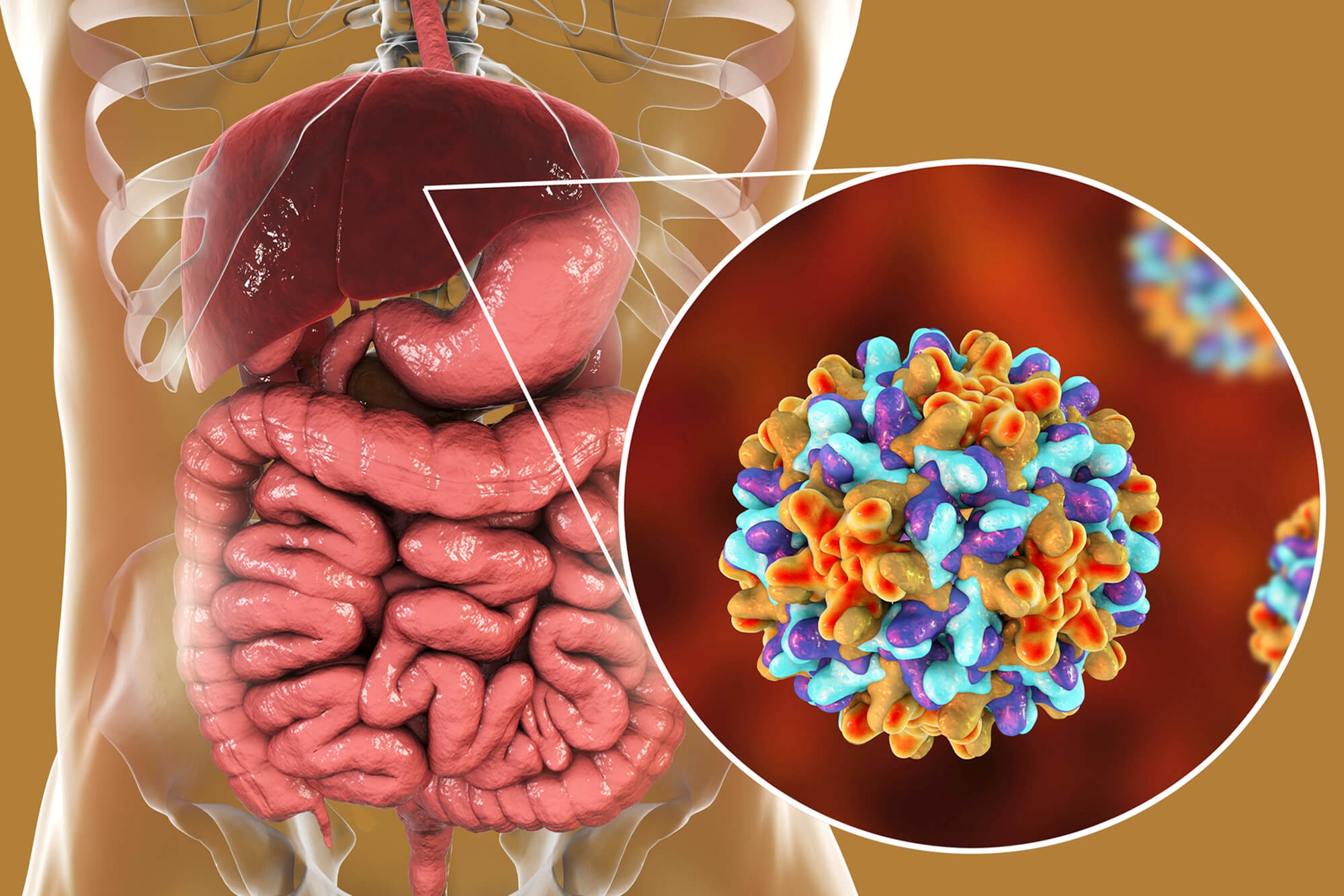
Millions of people worldwide are facing hepatitis B. Photo: Shutterstock . |
Hepatitis B remains an unresolved problem.
Recently, the New England Journal of Medicine (NEJM) published the results of the B-Well study – a phase III, multicenter trial for the treatment of chronic hepatitis B. The study was conducted in 29 countries with more than 1,800 patients.
The results showed that Bepirovirsen, an oligonucleotide antagonist (ASO) drug, achieved clinically significant functional cure rates. In the entire study group, approximately 19% of patients achieved the treatment goal. In those with pre-treatment hepatitis B surface antigen (HBsAg) levels of 1,000 IU/mL or lower, this rate increased to 26%.
This achievement is considered a significant development, given that hepatitis B remains one of the world's leading chronic infectious diseases causing the greatest burden.
Currently, approximately 250 million people worldwide live with chronic hepatitis B. For over three decades, hepatitis B treatment has primarily relied on nucleos(t)ide analogue antiviral drugs and pegyled interferon. These methods help control viral replication, reduce the risk of cirrhosis and liver cancer, but rarely lead to what is considered a "cure."
Therefore, many patients have to take medication for a very long time, even for life. Besides the financial burden, living with the disease for an extended period also creates significant psychological pressure for patients.
 |
Many hepatitis B patients have to take medication for a long time. Photo: Freepik . |
In 2016, the World Health Organization (WHO) set a goal of eliminating viral hepatitis by 2030. However, the global hepatitis B diagnosis rate is only about 13.4%, while the treatment rate is only 2.6%. In this context, "functional cure" has become the most aggressively pursued goal by the scientific community.
Unlike the concept of completely eliminating the virus from the body, functional cure means that the patient loses the hepatitis B surface antigen (HBsAg), the viral DNA is no longer detectable in the blood, and this state is maintained for a long time after stopping medication.
Numerous studies have shown that once functional remission is achieved, the risk of liver cancer drops sharply from approximately 7.8% to 0.6-1.88%, nearly equivalent to that of healthy individuals. Simultaneously, the risk of cirrhosis and liver failure is also significantly reduced.
A new approach in the fight against hepatitis B.
Bepiroviser is the first ASO drug to complete phase III registration trials for hepatitis B.
Unlike current drugs that primarily inhibit viral replication, Bepiroviser is designed to directly target the virus's genetic material, thereby reducing key components that allow the virus to survive in the body. Simultaneously, the drug is believed to restore the immune response, helping the body recognize and control the virus more effectively.
Experts consider this a crucial difference because one of the reasons why hepatitis B is difficult to cure completely is that the patient's immune system is not capable of completely eliminating the virus.
In the B-Well study, patients continued treatment with standard antiviral medication and added Bepirovizens. The results showed a significantly higher rate of functional cure compared to the group using only standard treatment.
Notably, long-term follow-up data from previous studies show that patients who achieve functional cure maintain good treatment outcomes after discontinuing medication.
In terms of safety, the drug is generally well tolerated. The most common side effect is injection site reaction, which is mostly mild to moderate and reversible. Some patients experience temporary elevation of liver enzymes, but this usually improves during or after treatment.
Bepirovizens has now been submitted for approval in the US, China, Europe, and Japan. In China, the drug was prioritized for review after its application was submitted in March of this year. Experts expect the drug could begin clinical practice in late 2026 or early 2027 if the evaluation process goes smoothly.
Source: https://znews.vn/thuoc-moi-mo-hy-vong-chua-khoi-viem-gan-b-post1656273.html
![[Photo] Delegation attending the 14th Congress of the Vietnam Trade Union visits the Mausoleum of President Ho Chi Minh.](https://vphoto.vietnam.vn/thumb/1200x675/vietnam/resource/IMAGE/2026/06/03/1780451842301_ndo_br_img-3824-jpg.webp)































































































Comment (0)