

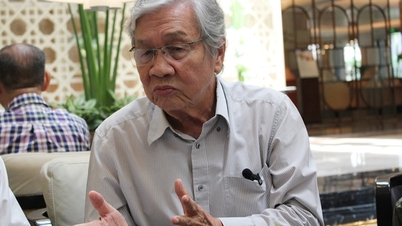
Associate Professor Tran Dac Phu, former Director of the Department of Preventive Medicine ( Ministry of Health ), stated: "In cases of Japanese encephalitis B (commonly known as Japanese encephalitis), after receiving all four doses of the vaccine, but still contracting the disease, the patient needs to be re-evaluated to determine the cause of the encephalitis. There are many causes of encephalitis, although Japanese encephalitis B is quite common in young children, especially before the widespread immunization program. The Japanese encephalitis B vaccine only protects against Japanese encephalitis B itself, not other causes. Furthermore, the vaccine's effectiveness never reaches 100%. Therefore, it's possible to still get the disease even after vaccination."

Vietnam is in a region where Japanese encephalitis is prevalent. After receiving the three basic doses of the vaccine, a booster shot is required every three years until the age of 15.
Regarding the effectiveness of vaccines and vaccination, an expert from the National Expanded Immunization Program (EIP) added that there is a small percentage of people who receive vaccines but do not develop immunity. This is an individual factor, not due to the quality of the vaccine.
"In fact, some clinical trials have noted that while most participants developed immunity and antibodies after vaccination, there were exceptional cases where individuals received four doses but did not develop antibodies," the expert said, adding: "Vaccines in general do not create 100% antibodies after injection; the protection rate averages around 90-95%, depending on the type, for those who have been fully vaccinated. However, if vaccinated and subsequently contract the disease, the symptoms will be milder."
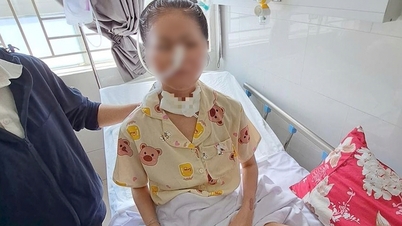
Providing a more detailed explanation regarding the 13-year-old patient in Hanoi diagnosed with Japanese encephalitis B after receiving four doses of the vaccine, Dr. Do Tuan Dat, former Chairman of VABIOTECH (Ministry of Health ), a long-time expert in vaccine research and production, added: "According to the Japanese encephalitis vaccine guidelines, because Vietnam is in an epidemic zone, after completing the three basic doses, a booster shot is required every three years until the age of 15. The patient mentioned above received the last dose in 2019 and has now received a booster shot. And if necessary, further antibody testing should be done to assess the effectiveness of the vaccine."
"The Japanese encephalitis vaccine has a post-vaccination immunity rate of 95-100%, therefore, families should always ensure their children receive all necessary vaccinations and booster shots as advised by healthcare professionals," Dr. Dat added.
Assessing the epidemic to launch a vaccination campaign.
According to experts from the National Immunization Program (TCMR), in recent years, the TCMR has collaborated with local authorities to organize catch-up and supplementary immunizations for children who have not been fully vaccinated, ensuring they have antibodies and are best protected. In addition, the TCMR also conducts immunization campaigns, in addition to the regular vaccinations maintained at commune and ward health stations.
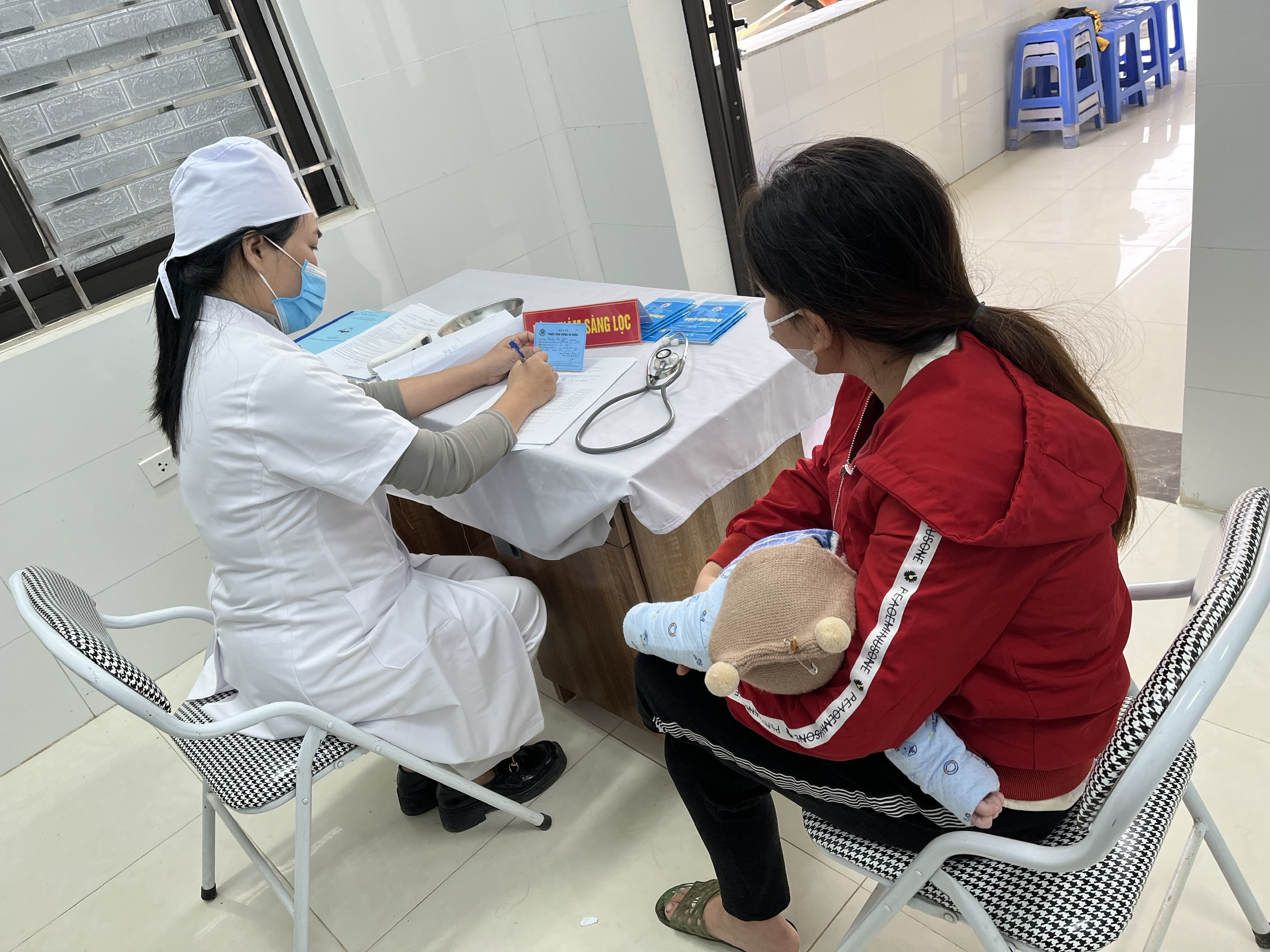
To prevent dangerous infectious diseases, young children need to be fully vaccinated according to schedule and receive catch-up vaccinations if any have been postponed.
Vaccination campaigns are implemented based on the actual disease situation in the locality to prevent outbreaks, or are deployed in areas with epidemiological risk factors, for example, those who have previously received measles-rubella, diphtheria, polio, or Japanese encephalitis vaccines.
According to experts, Hanoi has a high rate of fully vaccinated children in the TCMR age group. The Japanese encephalitis case mentioned above is the first case this year and remains an isolated incident, not yet raising the issue of a vaccination campaign.
However, to protect children from dangerous infectious diseases, families still need to ensure their children receive all vaccinations on schedule and catch up on missed doses if vaccinations have been postponed. This applies not only to Japanese encephalitis, but also to all infectious diseases for which vaccines are available.
Vaccines in the Expanded Immunization Program (EIP) are administered free of charge to children within the eligible age range, through state-organized procurement and aid sources.
Currently, the Japanese encephalitis B vaccine has the following vaccination schedule:
First injection: when the child is 1 year old.
Second injection: 1-2 weeks after the first injection.
Third injection: 1 year after the first injection.
The latest vaccination schedule updated by the Ministry of Health currently includes 11 infectious diseases for which vaccination is mandatory. This includes Japanese encephalitis B.
Before the Japanese encephalitis B vaccine was implemented, children accounted for up to 50% of encephalitis cases. Currently, this rate has decreased significantly, to around 5-15%.
Source: https://thanhnien.vn/tiem-4-mui-vac-xin-vi-sao-van-mac-viem-nao-nhat-ban-185240616114515906.htm
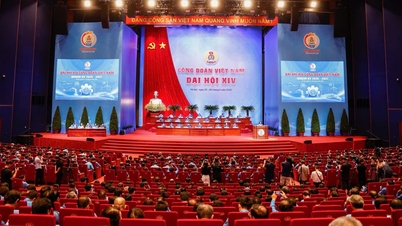
![[Photo] First session of the 14th Congress of the Vietnam Trade Union](https://vphoto.vietnam.vn/thumb/1200x675/vietnam/resource/IMAGE/2026/06/03/1780465947883_ndo_br_img-3852-jpg.webp)
![[Photo] General Secretary and President To Lam presides over a meeting with the Central Organizing Committee.](https://vphoto.vietnam.vn/thumb/1200x675/vietnam/resource/IMAGE/2026/06/03/1780482764658_a1-bnd-4741-3342-jpg.webp)

![[Photo] Secretary of the National Assembly Party Committee, Chairman of the National Assembly presides over the meeting of the Standing Committee and Executive Committee of the National Assembly Party Committee.](https://vphoto.vietnam.vn/thumb/1200x675/vietnam/resource/IMAGE/2026/06/03/1780480353201_ndo_br_bnd-2585-jpg.webp)





































![[Video] Sunset at Lap An Lagoon – Where the sun sets over the fishing nets](https://vphoto.vietnam.vn/thumb/1200x675/vietnam/resource/IMAGE/2026/05/31/1780192137701_beach-landscape-sea-water-nature-grass-745871-pxhere-com.jpeg)


























Comment (0)