

Plenty of room for growth
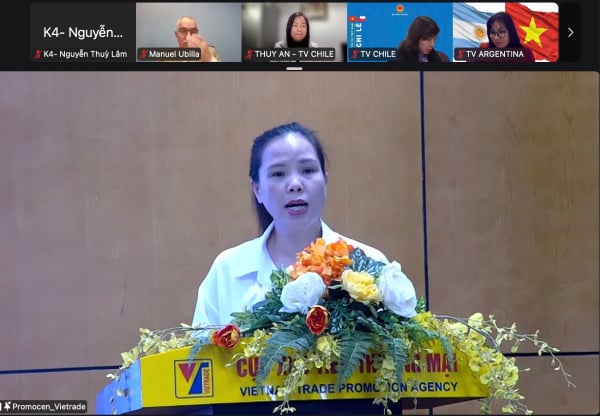
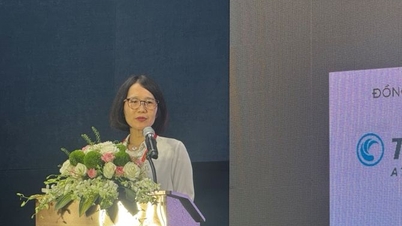
At the seminar "Opportunities and Challenges for Developing New Markets" held on the morning of May 28th, Ms. Nguyen Thi Thu Thuy – Deputy Director of the Center for Trade and Investment Promotion Support (Trade Promotion Department, Ministry of Industry and Trade ) – stated that South America is a market with great potential, boasting a large population, diverse consumer needs, and abundant resources. This region is showing a strong trend of strengthening economic cooperation with the Asia-Pacific region, opening up many opportunities for Vietnamese goods.
In recent years, trade relations between Vietnam and South America have seen positive growth. Bilateral trade turnover has consistently fluctuated at tens of billions of USD annually at a stable rate. Key partners currently include Brazil, Argentina, Chile, Peru, and Colombia. Of these, Brazil holds the position of Vietnam's largest trading partner in the region.
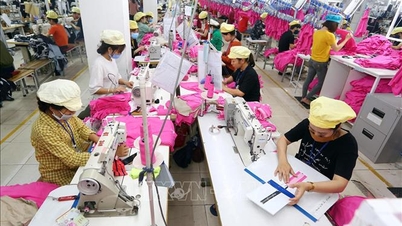
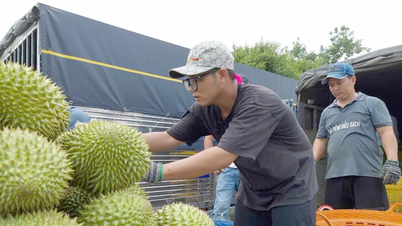
In terms of commodity structure, Vietnam has a strong export advantage in items such as telephones, computer components, textiles, footwear, seafood, and agricultural products like rice and coffee. Conversely, Vietnam mainly imports raw materials for industrial production and animal feed such as corn, soybeans, cotton, leather, and ore.
A key driver of trade is Free Trade Agreements (FTAs). Mechanisms such as the CPTPP, with the participation of Chile and Peru, or the ongoing negotiations for a Preferential Trade Agreement (PTA) between Vietnam and the MERCOSUR bloc, are creating significant tariff advantages for Vietnamese businesses over their competitors.
Green and responsible consumption trends
Sharing insights into the Chilean market, Ms. Ngo Thu Huong, Vietnam's Commercial Counselor in Chile, stated that consumer sentiment there is shifting strongly towards green and responsible consumption.
"Consumers are increasingly prioritizing products that are of good quality, have modern designs, are environmentally friendly, have green packaging, and have clear traceability," Ms. Huong informed.
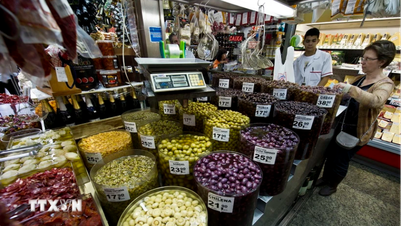
E-commerce in Chile is projected to grow by 10% in 2025, becoming an essential retail channel for fashion , food, and household goods.
Although Vietnam holds a relatively strong position in the footwear sector, accounting for 23.7% of the market share in Chile, its textile and garment market share is only about 3.8% and faces significant price competition from rivals such as China and Bangladesh. Therefore, the advice for Vietnamese businesses is to focus on the mid- and high-end segments, investing in design and sustainability rather than simply competing on price.

Regarding Argentina, Mr. Ngo Manh Khoi, Head of the Vietnamese Trade Office in Argentina, noted that although exports to this market had at one point surged by nearly 69%, fluctuations in domestic policies could cause the market to stagnate in the short term.
To adapt, Mr. Khoi recommended that Vietnamese businesses could shift their focus from fast-moving consumer goods to industrial supplies, raw materials for production, and technological components – which are essential items for Argentina's economic recovery.
Regarding finance, Mr. Khoi emphasized: “Businesses need to pay special attention to payment risk management. They need to establish secure payment terms, requiring partners to demonstrate access to foreign currency at the Central Bank or to have funding from a third country to avoid delays caused by rapidly changing foreign exchange management policies.”
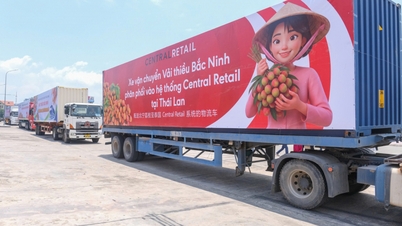
The vast geographical distance remains the biggest challenge, increasing logistics costs and shipping times. In particular, conflicts in the Middle East have forced many shipping routes to detour around the Cape of Good Hope, extending delivery times by approximately 18 days over a distance of more than 12,000 nautical miles.
To solve this problem, experts suggest that businesses should leverage free trade zones or logistics centers in Uruguay and Paraguay as a "launching pad" for warehousing and distributing goods to larger markets such as Brazil and Argentina. This helps optimize time and reduce operating costs.
In addition, businesses need to pay attention to stringent technical standards such as mandatory labeling in Spanish, compliance with REP (Registered Producer Responsibility) regulations, and regulations prohibiting single-use plastic bags and other plastics.
According to experts, South America remains a market with significant potential for Vietnamese goods in the medium and long term. If businesses are well-prepared in terms of compliance capabilities, patient in negotiations, and have a well-structured approach strategy, this region could become an important gateway to penetrate deeper into the global value chain.
Source: https://doanhnghiepvn.vn/doanh-nghiep/tim-diem-tua-tang-truong-moi-cho-hang-viet/20260528111540084

![[Image] Pleasant weather helps students enter the 10th grade entrance exam with confidence.](https://vphoto.vietnam.vn/thumb/1200x675/vietnam/resource/IMAGE/2026/05/29/1780034401612_ngay-1-thi-lop-10-minh-duy-8-5009-jpg.webp)
![[Photo] Ba Lang An Lighthouse - the "eye of the sea" amidst the "rock museum" of Quang Ngai province.](https://vphoto.vietnam.vn/thumb/1200x675/vietnam/resource/IMAGE/2026/05/29/1780038698840_anh-man-hinh-2026-05-29-luc-14-10-42.png)













































































Comment (0)