

In today's latest world news on June 3rd, notable developments focus on the US attack on an oil tanker bound for Iran, escalating military tensions following missile launches between Iran and the US, the US Secretary of State revealing how Iran's Supreme Leader governs the country, and President Donald Trump's decision to appoint a new Director of National Intelligence.
US attacks oil tanker bound for Iran.
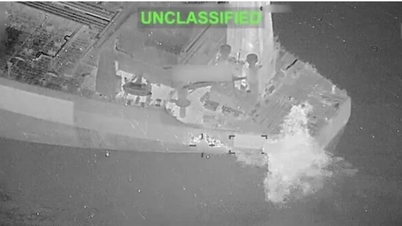
On June 2nd, the US Central Command (CENTCOM) announced that its forces had used Hellfire missiles against the Botswana-flagged oil tanker M/T Lexie as the vessel was transiting international waters toward Kharg Island in Iran.
According to CENTCOM, the Lexie repeatedly ignored warnings and failed to comply with instructions from US forces over a 24-hour period. Subsequently, US aircraft launched missiles at the ship's engine room to prevent the vessel from continuing its journey.
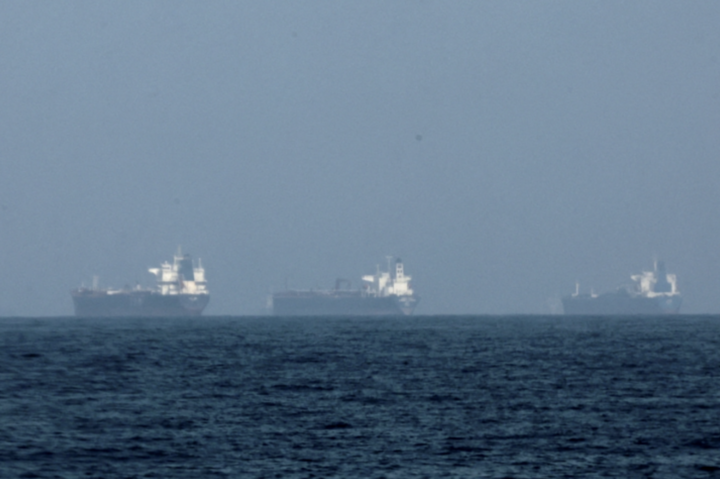
(Illustrative image)
CENTCOM stated that the operation is part of the maritime blockade that the U.S. has implemented since mid-April. Since the operation began, U.S. forces have neutralized six commercial vessels and forced more than 120 others to change their routes.
The incident occurred amidst ongoing efforts by Washington and Tehran to find a diplomatic solution to maintain the ceasefire, but without reaching a lasting agreement.
Iran and the US accuse each other.
Tensions in the Middle East continue to escalate as the US and Iran issue conflicting statements regarding missile and drone attacks.
According to CENTCOM, US and allied forces successfully intercepted multiple ballistic missiles and UAVs launched by Iran targeting objectives in the region. The US stated that two missiles aimed at Kuwait fell before reaching their target, while three others targeting Bahrain were intercepted by US and Bahraini air defense systems.
US forces also said they conducted "self-defense" airstrikes targeting an Iranian military control post on Qeshm Island.
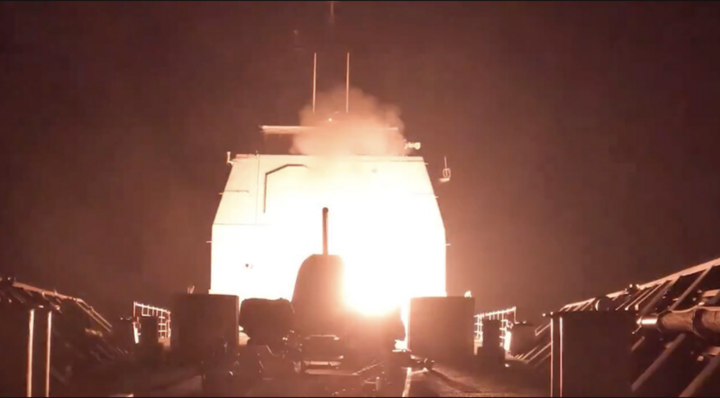
(Illustrative image)
Meanwhile, Iran's Islamic Revolutionary Guard Corps (IRGC) claimed to have attacked the headquarters of the US Fifth Fleet in Bahrain, a US air base in the region, and a ship that Tehran said was linked to Washington's operation.
CENTCOM rejected these claims, asserting that all attacks targeting U.S. forces failed and no American soldiers were injured.
US Secretary of State speaks about Iranian leader.
US Secretary of State Marco Rubio said on June 2 that Iranian Supreme Leader Mojtaba Khamenei has become increasingly involved in governing the country since coming to power.
Speaking before the US Senate Foreign Relations Committee, Rubio stated that the Iranian government is currently run by a council composed of members of the Islamic Revolutionary Guard Corps and other high-ranking officials under the leadership of Mojtaba Khamenei.
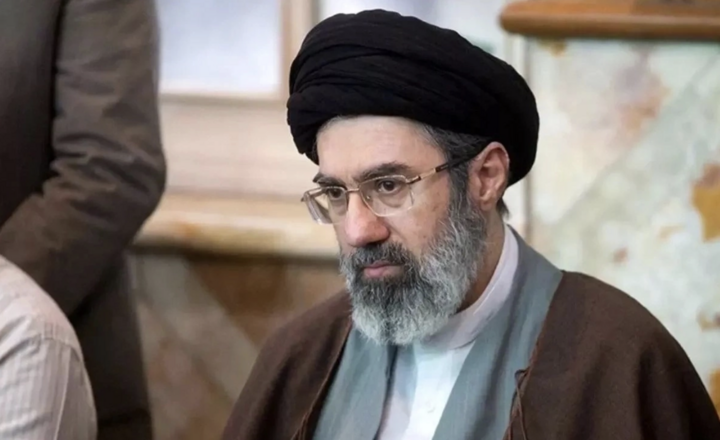
Iran's Supreme Leader Mojtaba Khamenei. (Photo: Tasnim)
According to the US Secretary of State, Tehran's important decisions, including those related to peace negotiations, must go through a lengthy approval process of 3-5 days, contributing to the current deadlock in talks.
Rubio also expressed hope that the US and Iran could still reach an agreement if Tehran accepted strict conditions regarding its nuclear program and activities in the Strait of Hormuz.
Trump appoints new intelligence director.
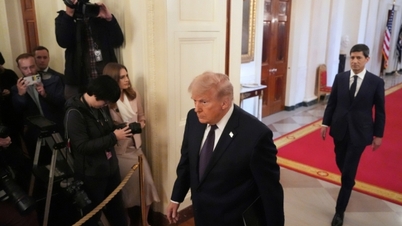
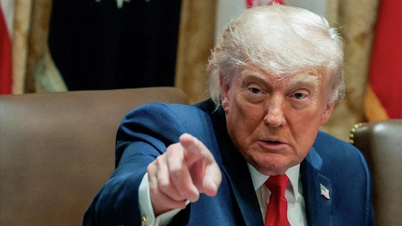
On June 2, President Donald Trump announced the appointment of Bill Pulte as Director of National Intelligence (DNI), replacing Tulsi Gabbard, who had just resigned.
In a statement on the social media platform Truth Social, Trump assessed Pulte as someone with experience managing sensitive areas and possessing the necessary skills to lead the U.S. intelligence community.
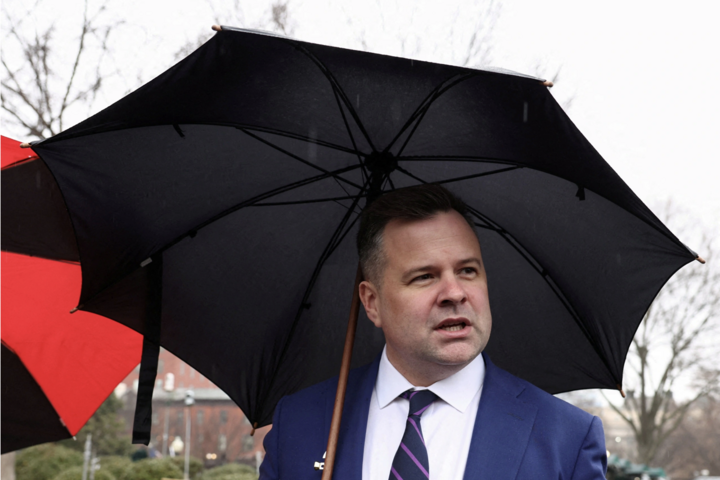
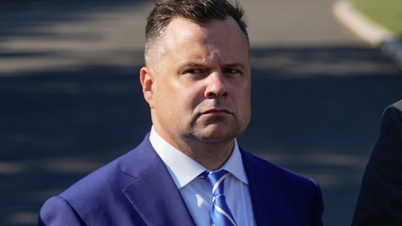
Bill Pulte. (Photo: Reuters)
However, this appointment quickly became controversial as many Democratic lawmakers argued that Pulte lacked experience in intelligence and national security.
Mr. Pulte is the heir to the PulteGroup housing development conglomerate and currently serves as the Director of the Federal Housing Finance Agency. Opposition lawmakers have warned that appointing a close ally of President Trump to the top intelligence position in the United States could increase the risk of politicizing security agencies.
Senate Intelligence Committee Vice Chairman Mark Warner said the decision raises many questions about the future independence of the U.S. intelligence system.
Source: https://vtcnews.vn/tin-the-gioi-noi-bat-trong-ngay-3-6-ar1021552.html

![[Photo] First session of the 14th Congress of the Vietnam Trade Union](https://vphoto.vietnam.vn/thumb/1200x675/vietnam/resource/IMAGE/2026/06/03/1780465947883_ndo_br_img-3852-jpg.webp)





























![[Photo] Delegation attending the 14th Congress of the Vietnam Trade Union visits the Mausoleum of President Ho Chi Minh.](https://vphoto.vietnam.vn/thumb/1200x675/vietnam/resource/IMAGE/2026/06/03/1780451842301_ndo_br_img-3824-jpg.webp)

































































Comment (0)