

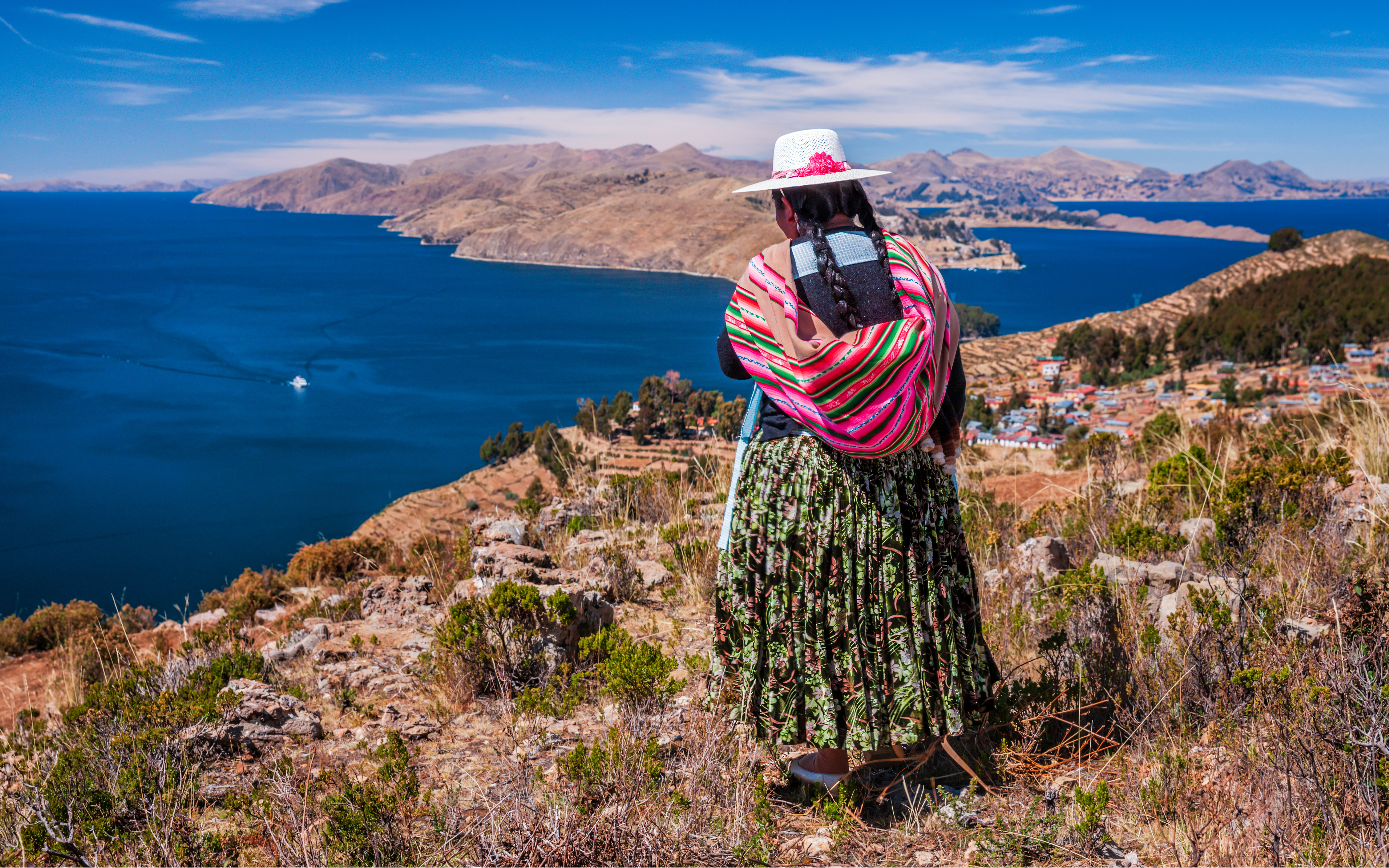
Photo: Getty Images
On a morning in the Andes highlands, the waters of Titicaca are as smooth as glass. There are no car horns, no smog, only the gentle sound of oars cutting through the cool water and the highland sunlight as sharp as crystal. For tourists, Titicaca is also a place to slow down and immerse themselves in nature.
Located between Peru and Bolivia, at approximately 3,810 meters above sea level, Titicaca is often referred to as the "highest navigable lake in the world ." Its high altitude results in deep blue skies, excellent visibility, and vibrant sunshine; it also creates a dry, cool environment ideal for light outdoor activities.
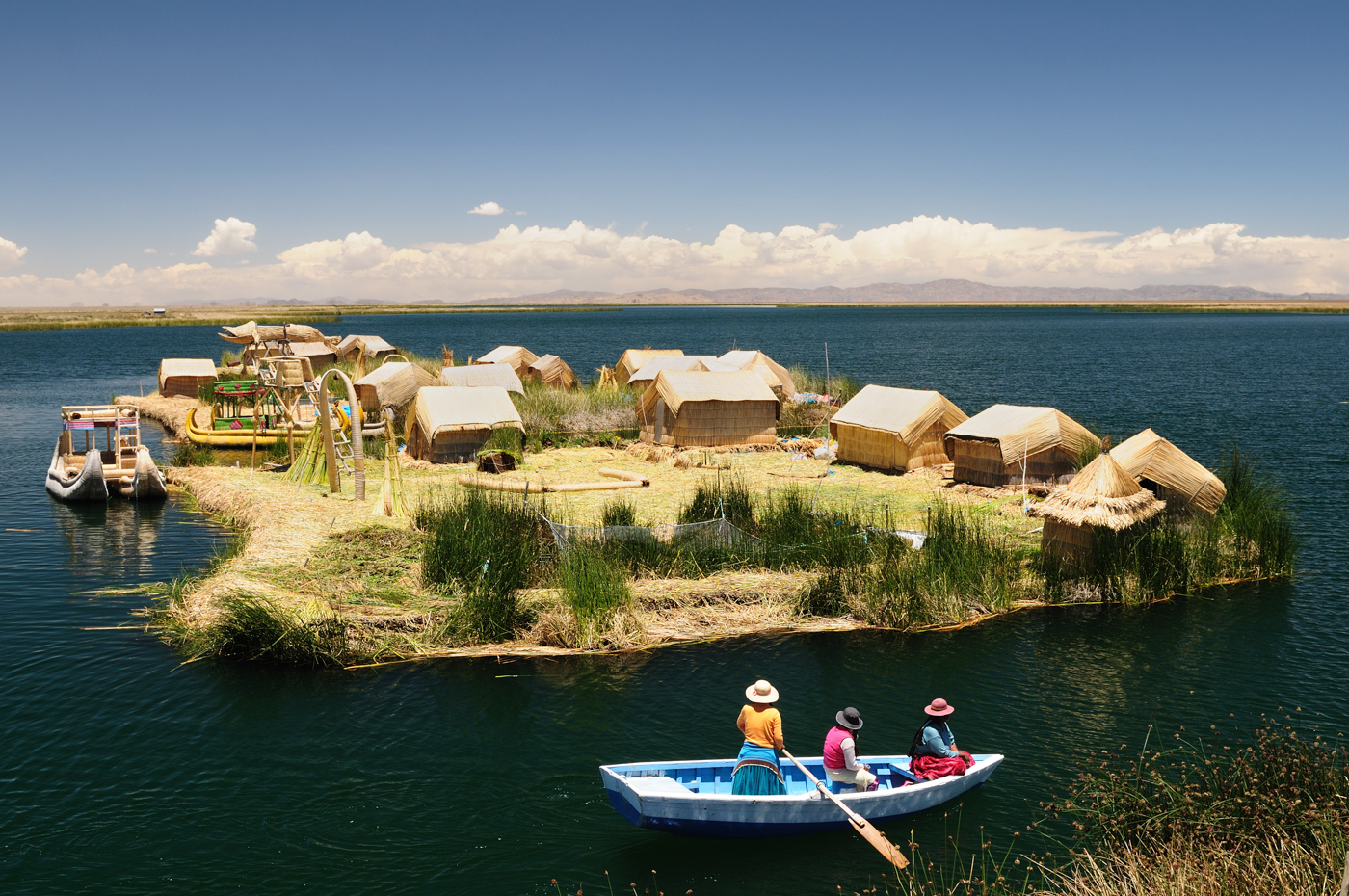
The scenery in Titicaca is picture-perfect. Photo: Journey Latin
Titicaca is not only vast but also steeped in history and culture. On Isla del Sol (Island of the Sun) – a rocky island carved with terraced fields in the middle of the lake – the ancient Incas believed that the sun god originated there. Today, the island remains free of motor vehicles, inviting visitors to walk along the stone paths and visit the ruins of Chinkana, Titi Qala, and more.
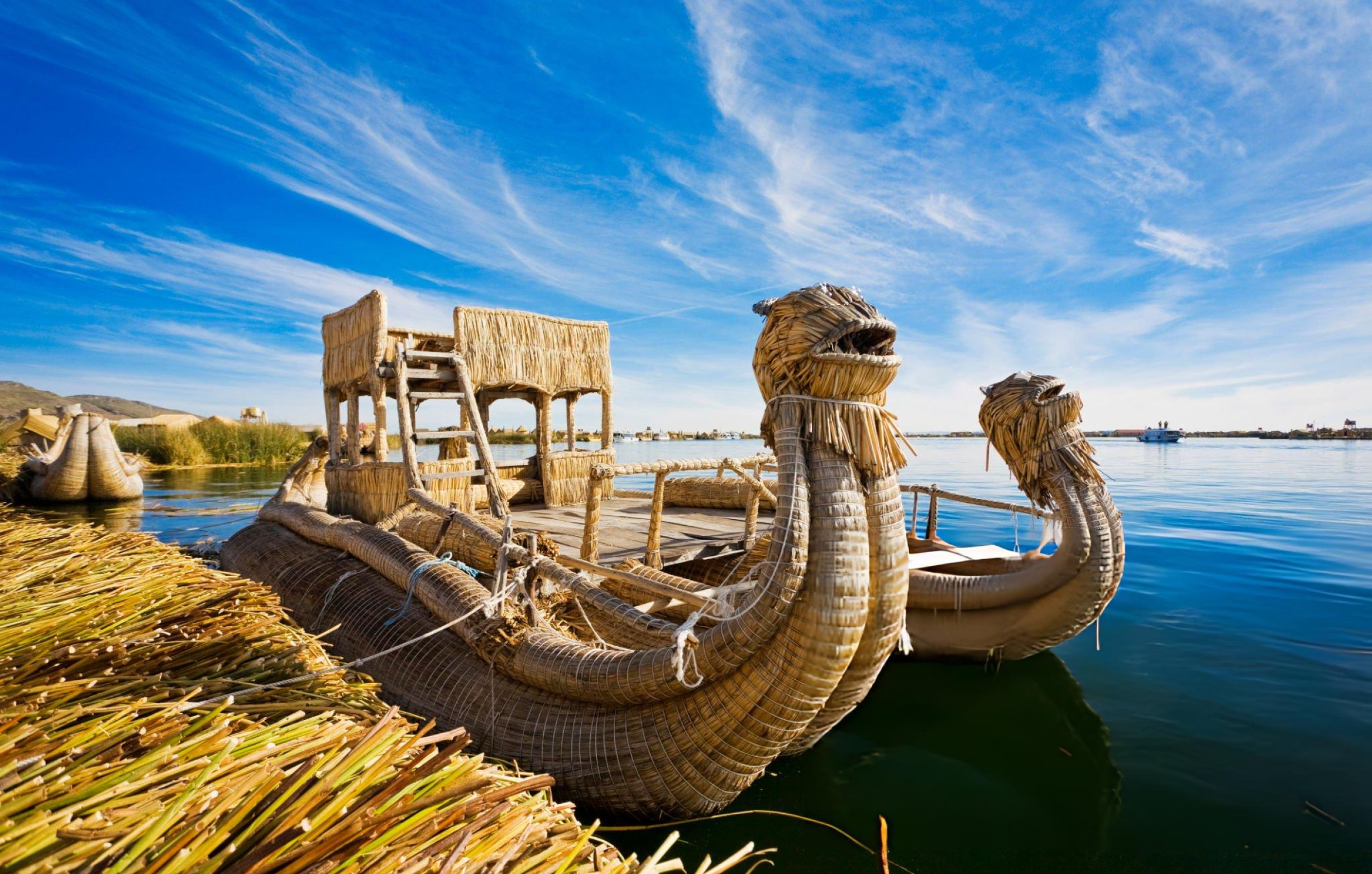
Boats are the primary mode of transportation in Titicaca. (Getty Image)
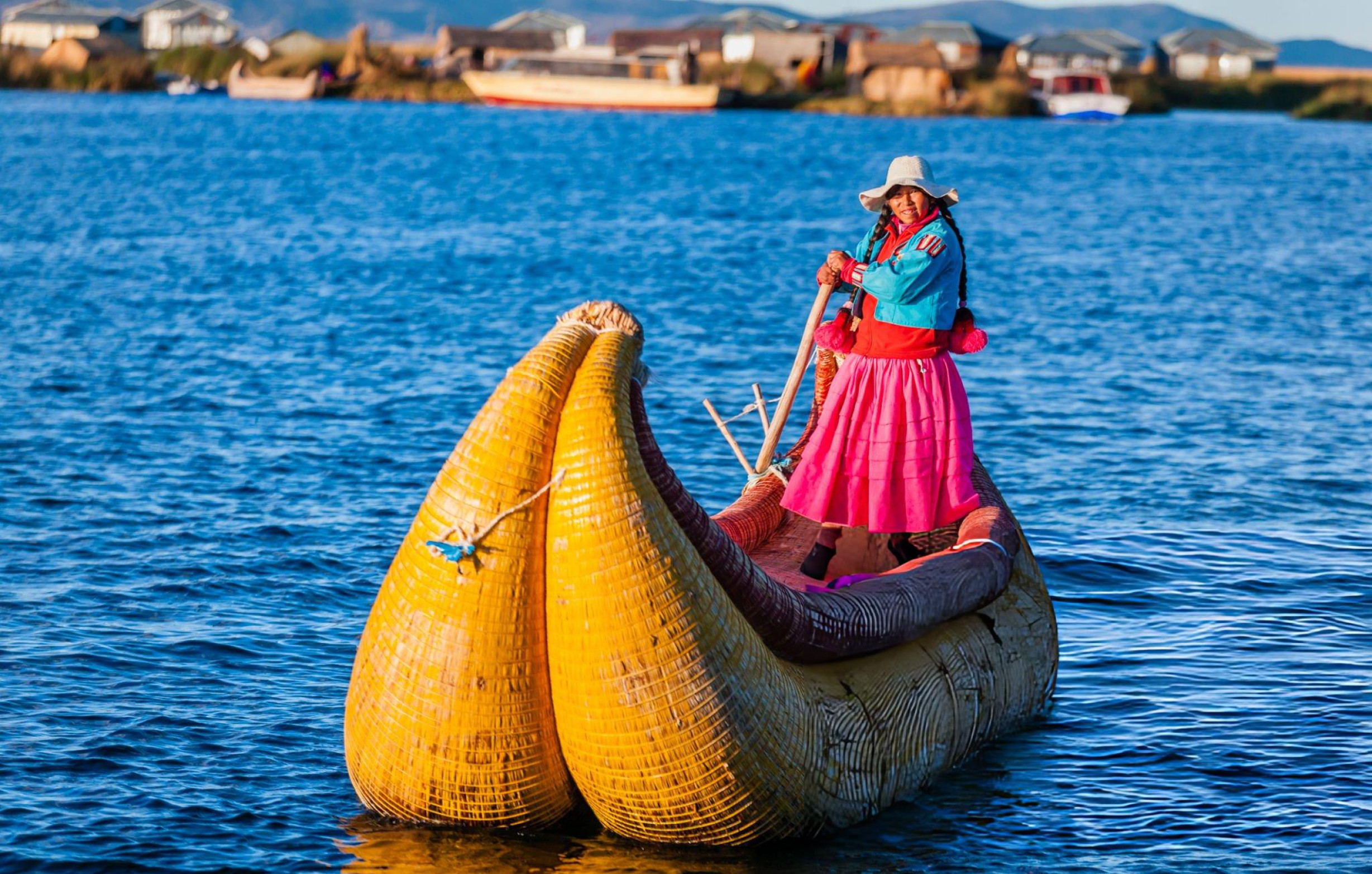
People rowing boats in Titicaca. Photo: Getty Images
When visiting Titicaca, there are three must-see destinations: Uros – islands woven from totora reeds; Taquile – the island of weavers, where clothing tells the story of identity; and Isla del Sol – the "Island of the Sun," steeped in Inca legend, free of motor vehicles, with rocky trails leading to panoramic 360-degree views.
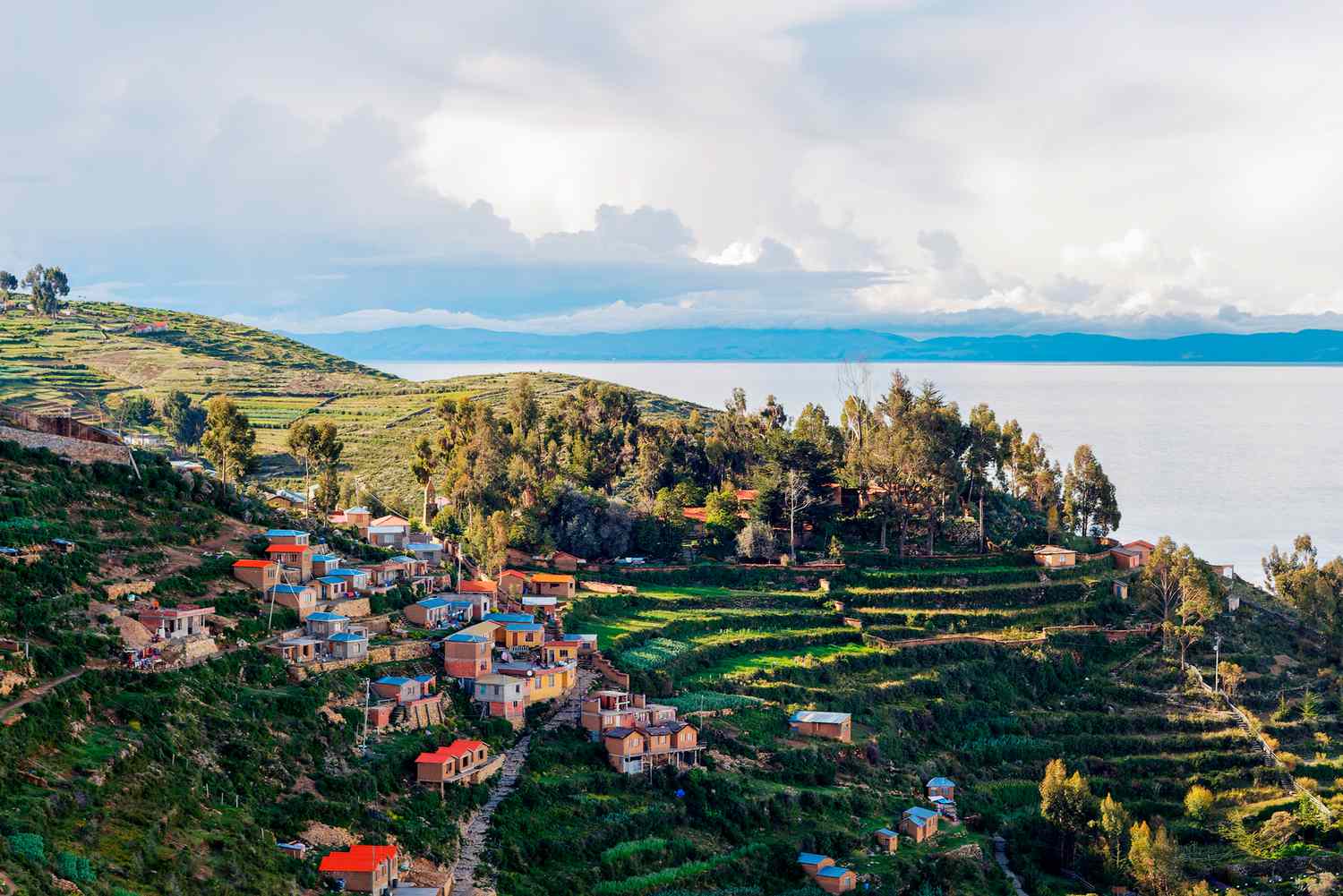
The Yumani village on the terraced hillsides of Isla del Sol. Photo: Shutter Stock
In Taquile or Amantaní, homestay allows tourists to live with local families, learn knitting and weaving, and help in the kitchen preparing quinoa soup. According to many studies, this social connection is directly linked to mental health.
Why is Titicaca suitable for health and wellness tourism ?
The human mind responds positively to the open horizon and the rhythmic repetition of water surfaces. In Titicaca, the "blue" element is present almost all the time: the sunrise reflected on the lake, the afternoon breeze rustling through the reed fields, the night sky dotted with stars like salt crystals. The common result for visitors is reduced stress, increased feelings of happiness, and deeper sleep after a day of moderate activity.
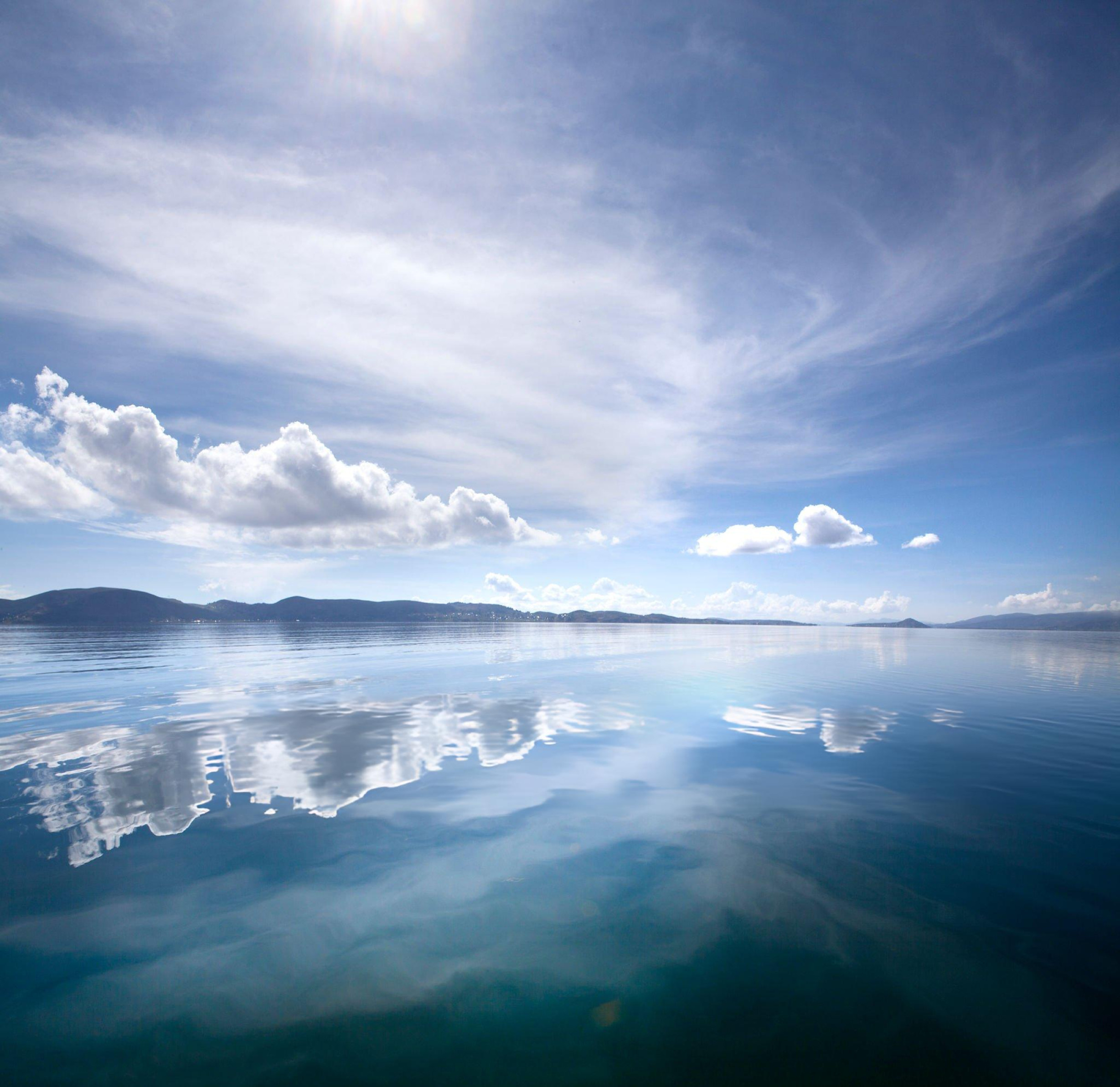
Lake Titicaca's surface. Photo: Getty Images
Because many areas in Titicaca, such as Isla del Sol, are still closed to vehicular traffic, walking is essential. The walking trails on the Sun Island or the Taquile steps compel you to slow down and pay attention to your breathing. This is a gentle but steady form of aerobic exercise that supports cardiovascular health, knee joints, and circulation – especially effective when combined with mindfulness: short steps, deep breaths, and observing your body's changes with altitude.
Just 90-120 minutes a week outdoors can help reduce stress and fatigue. In Titicaca, the elements of water, wind, and tranquil space amplify this effect many times over.
Walking on stone steps or gently climbing for 20-40 minutes safely increases heart rate in healthy individuals. The dry, cool air makes breathing easier compared to the hot, humid coastal climate. Additionally, walking on rocky terrain keeps the ankles and knees moving continuously within their natural range of motion, which is good for joint stability. Note that choosing walking shoes with good grip is recommended for maximum effectiveness.
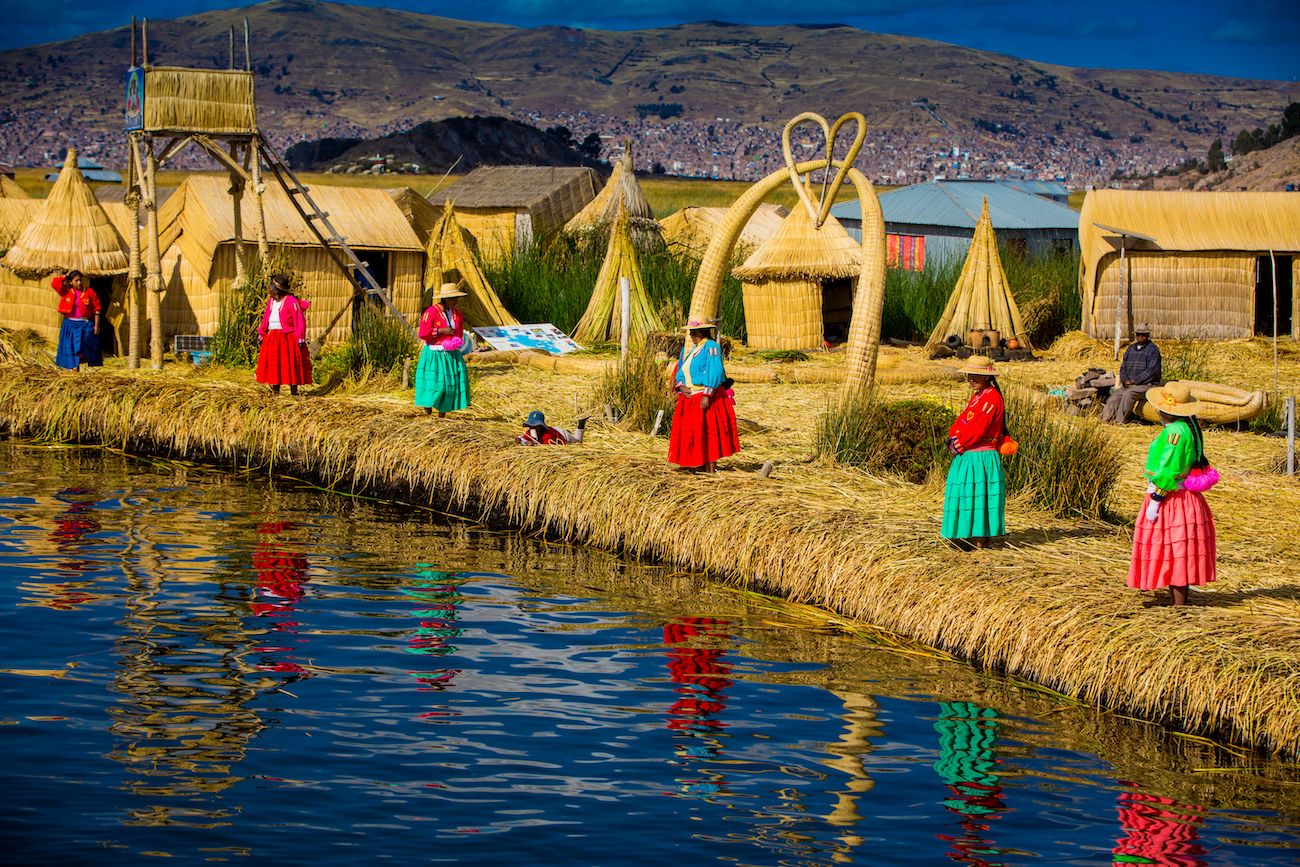
People living on the floating island in Titicaca. Photo: Laura Grier
Being a sparsely populated area, Titicaca is very quiet at night, with temperatures dropping significantly. Combined with the physical activity of the day, this helps you fall asleep faster and more soundly, thus allowing your body to recover better.
Additionally, staying in homestays and connecting with locals, participating in their daily activities, can help increase natural serotonin levels and reduce feelings of loneliness for solo travelers.
Suggested travel experiences to Titicaca
The best time to start your trip is during the dry season (around May-October) when the weather is clear and the waves are calm.
Day 1: Accustom yourself to the altitude and bathe in the blue water. From Puno (Peru) or Copacabana (Bolivia), take a boat trip to visit Uros. Listen to instructions on how the island is "nourished" with fresh reeds, and try paddling a reed boat. In the afternoon, return to shore, take a 30-minute stroll along the lake, and drink plenty of warm water. In the evening, enjoy the tranquil atmosphere of Titicaca and have a deep sleep.
Day 2: Hike on the trails of Isla del Sol. Wake up early, travel to Isla del Sol early, and hike along the ridge (3-7 km depending on your fitness level). Enjoy some local specialties at lunchtime, such as quinoa soup and lake fish. In the afternoon, practice 10 minutes of breathing meditation at a high vantage point – a simple but effective exercise.
Day 3: Explore the weaving culture in Taquile. Climb the stone steps into the village, visit the weaving market, and attend a short workshop on knotting patterns. Don't forget to buy some hand-woven handkerchiefs, a local cultural specialty, as souvenirs for your friends.
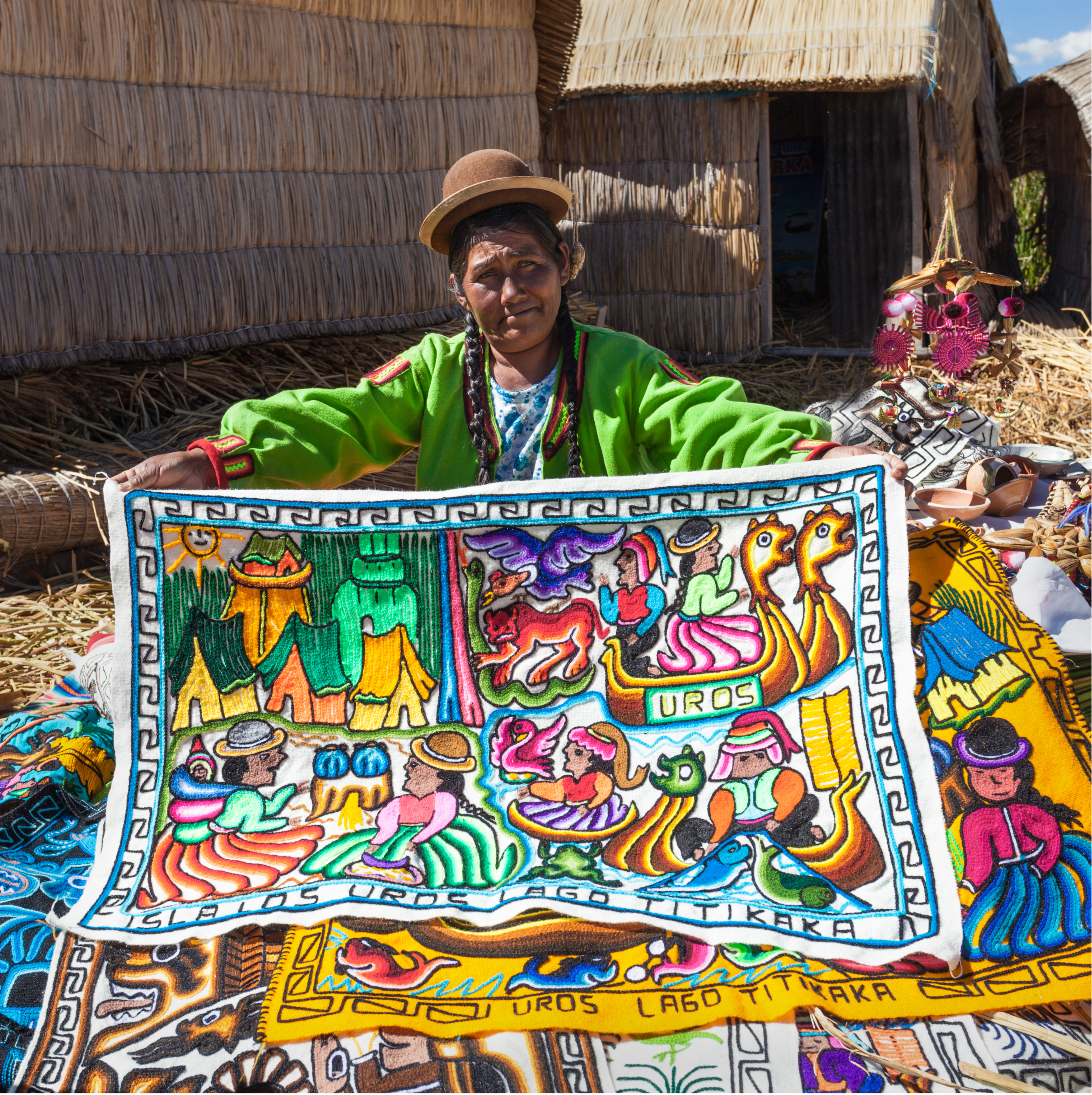
The beautiful woven fabrics of the local people. Photo: Andrey
Titicaca is the ideal place to rejuvenate after a hard day's work. Here, you can walk mindfully on stone paths, breathe deeply in the cool breeze, bask in the morning sun, and sleep peacefully under a starry sky. Hours spent with locals – staying in homestays, learning weaving, rowing reed boats – help you calm down, connect with others, and recharge your spirit.
Source: https://vtv.vn/titicaca-hanh-trinh-tai-tao-nang-luong-100251206093035932.htm
![[Photo] Enchanting ancient rose garden on the mountainside in Nghe An](/_next/image?url=https%3A%2F%2Fvphoto.vietnam.vn%2Fthumb%2F1200x675%2Fvietnam%2Fresource%2FIMAGE%2F2025%2F12%2F19%2F1766109900916_vuon-hong-chin-do-thu-hut-du-khach-toi-check-in-o-ha-noi-3-20162778-1671624890024-1671624890104198100259.jpeg&w=3840&q=75)
![[Photo] General Secretary To Lam visits the exhibition space showcasing books, photo exhibitions, and achievements of digital transformation in journalism.](/_next/image?url=https%3A%2F%2Fvphoto.vietnam.vn%2Fthumb%2F1200x675%2Fvietnam%2Fresource%2FIMAGE%2F2025%2F12%2F19%2F1766110879215_1766110240024-jpg.webp&w=3840&q=75)
















































































Comment (0)