

Mr. Ho Chi Linh, Director of the Provincial Administrative Procedure Resolution Center, shared: “It can be said that Decree 118 will contribute to consolidating and perfecting the “one-stop shop, integrated one-stop shop” mechanism, standardizing the process of receiving and resolving administrative procedures at the one-stop shop at all levels; promoting digital transformation in resolving administrative procedures; strengthening the responsibility and service quality of state administrative agencies; and creating the most favorable conditions for people and businesses. Above all, this will be an important legal basis for localities to implement the one-stop shop system synchronously and effectively within the new administrative apparatus, creating uniformity throughout the entire system.”
Decree 118 specifies the organization of the One-Stop Service Center at the ministerial, provincial, and commune levels. Specifically, at the provincial level, the Provincial People's Committee decides to establish a Provincial Public Administrative Service Center, under the Provincial People's Committee Office, with its own seal and bank account to perform its assigned tasks and powers.
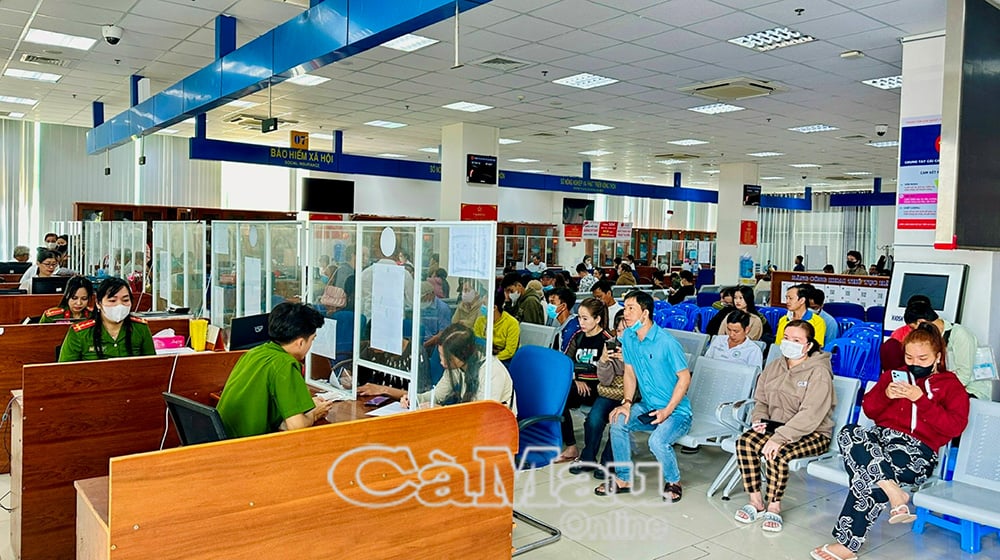 Decree 118 clearly stipulates three ways for organizations and individuals to submit applications and receive results of administrative procedures.
Similarly, at the commune level, the People's Committee of the commune decides to establish the Commune-level Public Administrative Service Center, an administrative organization under the People's Committee of the commune, with its own seal and account to perform its assigned tasks and powers. Accordingly, the People's Committee of the commune decides on the arrangement of reception and results delivery points for administrative procedures of the Commune-level Public Administrative Service Center in the locality based on the natural area, population size, socio-economic conditions of the locality and the number of administrative procedure dossiers.
Regarding the duties and powers of the new One-Stop Service Center, Mr. Ho Chi Linh informed that, according to Decree 118, from July 1st, the One-Stop Service Center is tasked with promptly and fully publicizing, via electronic means or in writing, the list and content of administrative procedures under its jurisdiction and implemented at the One-Stop Service Center in accordance with the law on administrative procedure control and related legal regulations. It will assist organizations and individuals facing difficulties in accessing publicly available information electronically. Simultaneously, it will guide, receive, and verify the validity and completeness of dossiers according to regulations; digitize and transfer dossiers to competent authorities for processing administrative procedures; return the results of administrative procedure processing to organizations and individuals according to the law; collect fees, charges, and financial obligations (if any) according to regulations; and refuse to accept dossiers that do not comply with regulations.
In addition, the One-Stop Service Department is responsible for coordinating with relevant agencies and units to resolve and provide results to organizations and individuals in cases where administrative procedures require immediate resolution on the same day, or for administrative procedures assigned or delegated to officials and employees at the One-Stop Service Department; supporting organizations and individuals in using online public services; and requesting competent authorities and relevant agencies and units to provide information and documents to support the reception and resolution of administrative procedures...
Regarding the scope of administrative procedures accepted at the One-Stop Service Center, the Decree also clarifies that, except for administrative procedures falling under the specific cases stipulated in Clause 3, Article 14 of the Decree (administrative procedures that are processed immediately, administrative procedures handled on a mobile basis, administrative procedures requiring condition verification, etc.), the Provincial and Commune-level Public Administrative Service Centers will accept administrative procedures regardless of administrative boundaries within the province, including: administrative procedures under the jurisdiction or joint jurisdiction of the Provincial/Commune People's Committee, the Chairman of the Provincial/Commune People's Committee, and specialized agencies under the Provincial/Commune People's Committee; administrative procedures under the jurisdiction or joint jurisdiction of agencies organized according to the vertical system at the local level; and administrative procedures under the jurisdiction of ministries and sectors assigned to the locality for acceptance.
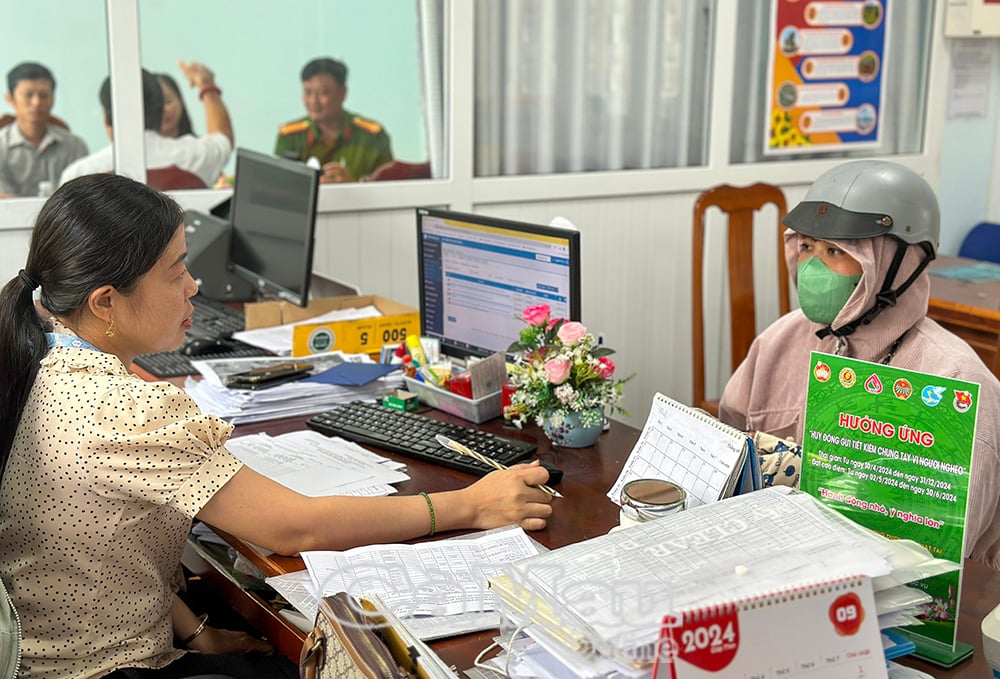 According to Decree 118, the People's Committee of the commune decides to establish the Commune-level Public Administrative Service Center, which is an administrative organization under the People's Committee of the commune, with its own seal and bank account to perform its assigned tasks and powers.
Mr. Ho Chi Linh stated that the Decree also clearly stipulates the methods by which organizations and individuals submit applications and receive results of administrative procedures. Specifically, organizations and individuals can submit applications and receive results through methods prescribed in legal documents regulating administrative procedures, such as: submitting directly at the One-Stop Service Center; through public postal services as prescribed by the Prime Minister ; through hiring services from businesses or individuals; through authorization as prescribed by law; or online at the National Public Service Portal.
Furthermore, the Decree also clarifies that, based on the actual situation, the minister, head of a ministerial-level agency, and chairman of the People's Committee of the province shall decide on the implementation of the mechanism of assigning enterprises providing public postal services and enterprises providing services to support the work of undertaking one or more tasks in the process of guiding, receiving, digitizing documents, and returning results of administrative procedures in accordance with the law on bidding./.
Hong Nhung
Source: https://baocamau.vn/to-chuc-bo-phan-mot-cua-cap-tinh-cap-xa-moi-a39512.html


















![[Photo] Reception to welcome General Secretary and President To Lam and his wife on their State visit to the Philippines](https://vphoto.vietnam.vn/thumb/1200x675/vietnam/resource/IMAGE/2026/06/01/1780295488620_vna-potal-chieu-dai-chao-mung-tong-bi-thu-chu-tich-nuoc-to-lam-va-phu-nhan-tham-cap-nha-nuoc-toi-philippines-8798060-7855-jpg.webp)




























































Comment (0)