

 |
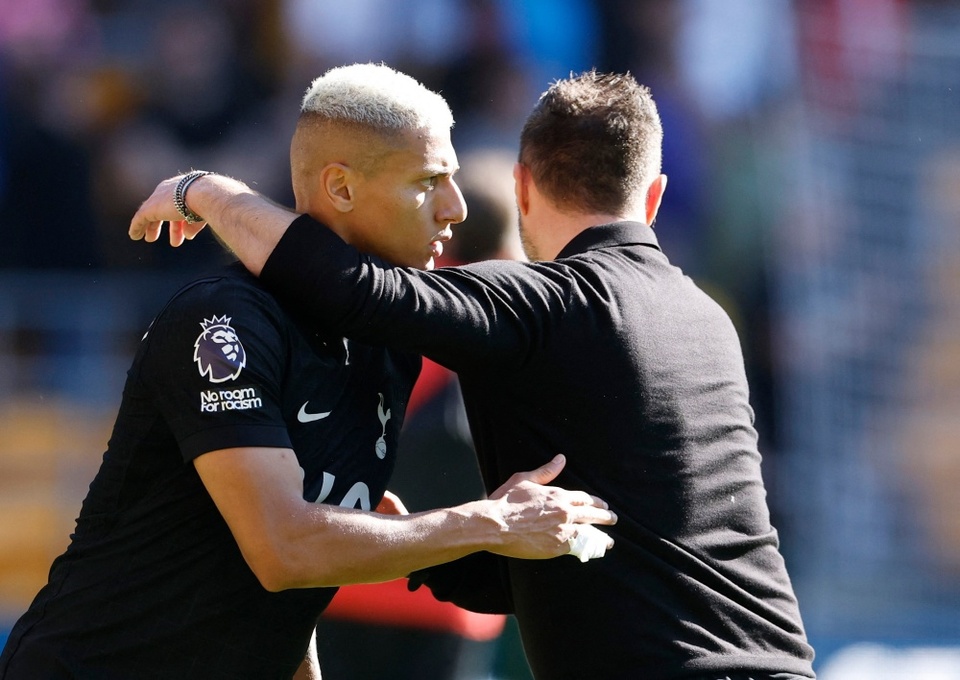
Spurs just secured their first victory under manager Roberto De Zerbi. |
When a team suffers a series of injuries over several weeks, it can be considered bad luck. When it goes on for several seasons, it's no longer a coincidence.
Tottenham Hotspur is facing that reality. From a squad expected to compete at the top, Spurs have gradually become a makeshift team due to a growing list of injured players.
When players are not properly protected
The more serious problem is that many injuries go beyond collisions or accidents during matches. Doubts about the recovery process, return dates, and fitness management are putting immense pressure on Tottenham's medical staff.
Dominic Solanke has missed more time since joining Spurs than he did for much of his earlier career. Dejan Kulusevski was expected to return but repeatedly delayed his comeback. Destiny Udogie returned early only to be injured again. These are no longer isolated cases.
A big club can lose because of poor tactics, bad signings, or a lack of squad depth. But if the medical department is ineffective, all plans can easily fall apart.
Professional athletes live off their bodies. When their bodies aren't properly cared for, their professional value diminishes.
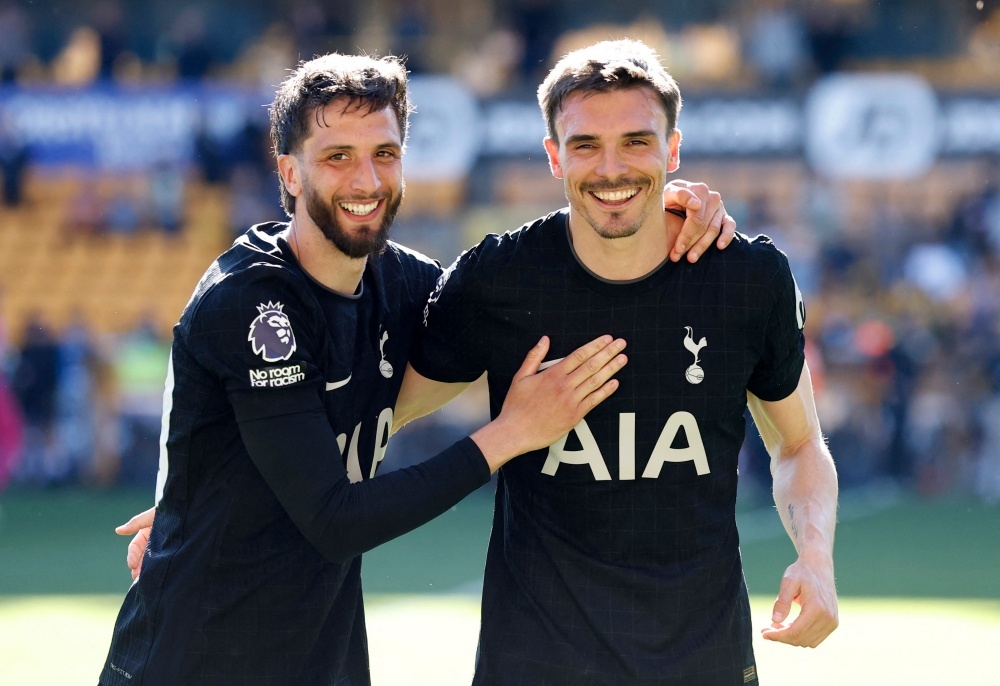 |
Spurs are working hard to avoid relegation. |
Tottenham have seen too many worrying cases. James Maddison has been benched despite not being in top physical condition. Cristian Romero previously sought medical assistance from the Argentina national team and publicly thanked them.
These details raise a big question: do the players truly have complete trust in the club's medical system?
In modern football, trust between players and the medical team is crucial. If a player feels they are being pushed back too soon, or not receiving optimal treatment, hesitation will arise. This makes a complete recovery even more difficult.
Even more worrying, Tottenham have also seen a number of serious ligament injuries in a short period of time. Radu Dragusin, Wilson Odobert, and Maddison all suffered ACL problems within a year.
No one is saying every injury is due to medical error. But when the number increases unusually, the system must be questioned.
To revive themselves, Spurs must rebuild from the ground up.
For years, Tottenham has talked about a long-term project, a new playing style, and ambitions to return to the top. But no team can compete in the long run if they keep losing players.
You can buy more strikers, change the manager, or upgrade your tactics. However, if players spend more time in the hospital than on the pitch, all your plans are just theory.
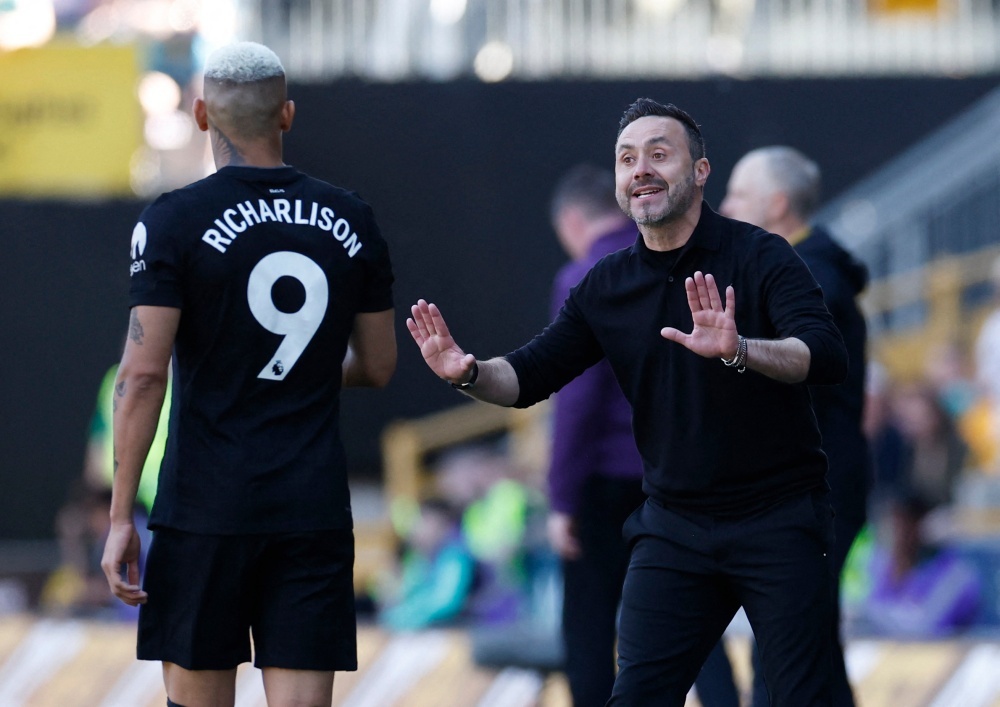 |
If Spurs get relegated, it would be a huge shock. |
Spurs need to confront the issue directly. It's not just about treating individual injuries, but a complete reassessment of the entire operational structure: recovery processes, training volume, workload data, coordination between fitness coaches and doctors, and the criteria for determining return dates.
The biggest football clubs in Europe all view sports science as a competitive weapon. Tottenham cannot be left out of that trend.
A team with one of the most modern stadiums in England and the highest revenue in the Premier League cannot afford to let its medical department become a weakness that drags down the entire season.
Tottenham's crisis is often seen through the league table. But sometimes, the real cause isn't on the pitch. It lies behind the treatment room doors.
Source: https://znews.vn/tottenham-guc-nga-tu-noi-khong-ai-ngo-toi-post1646331.html




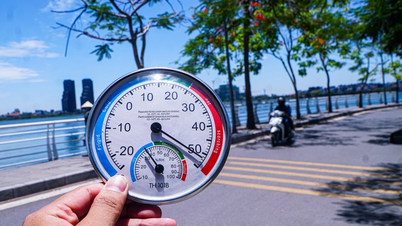
![[Image] Hanoi's urban life under the challenge of a "scorching hot" environment](https://vphoto.vietnam.vn/thumb/1200x675/vietnam/resource/IMAGE/2026/05/25/1779706979265_nang-nong-t5-2026-minh-duy-7-4636-jpg.webp)























































































Comment (0)