

Promoting and integrating gender perspectives into the implementation of the National Target Program on Sustainable Poverty Reduction has yielded many significant results and achievements in poverty reduction.
Vietnam is a shining example of sustainable poverty reduction.
Sustainable poverty reduction is a major policy of the Party and the State; it is an important, regular, and long-term political task of the entire political system and society, contributing to social progress and equity, and continuously improving the material and spiritual lives of the people. Achievements in poverty reduction are of great significance, affirming the determination of the entire Party and people in the cause of national construction and development.
This policy has been concretized through various policies and practical actions aimed at improving the spiritual and material lives of the people, contributing to narrowing the gap between rich and poor in society.
Vietnam's achievements in poverty reduction have been assessed by many international expert organizations as "almost unprecedented," likened to "a revolution."
Currently, Vietnam is one of the first countries in the world and the first in Asia to adopt the Multidimensional Poverty Index (MPI). According to the Global Multidimensional Poverty Index report published by the United Nations Development Programme (UNDP) on July 15, 2023, Vietnam has reduced its MPI by half in the past 15 years.
Vietnam's achievements in poverty reduction over the years are among the outstanding successes in the nation-building process during the Doi Moi (Renovation) period and international integration. These efforts not only demonstrate the spirit of mutual support and compassion, a precious tradition of the Vietnamese people, but also ensure the right of everyone to enjoy the achievements of development, meaning "no one is left behind."
Promoting gender equality and integrating gender perspectives into sustainable poverty reduction is a key policy of Vietnam. In our policy guidelines, we have clearly stated that gender inequality is closely linked to poverty. Gender inequality is both a cause of poverty and backwardness and a major obstacle to sustainable development.

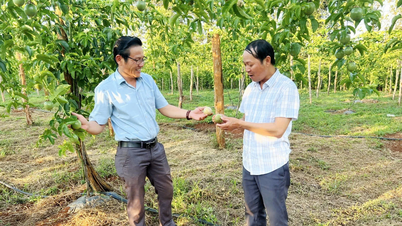
Growing cinnamon trees provides a stable income, helping many women in Lang Son escape poverty.
Previously, rural women and women from ethnic minority groups in mountainous areas had less access to productive resources, education, skills development, and employment opportunities compared to men. The main reason for this situation was gender inequality, where women had a lower and more disadvantaged status.
In parallel with the goals of promoting gender equality and sustainable poverty reduction, the National Target Program for Sustainable Poverty Reduction from 2011-2020 addressed the target groups of poor individuals and households, with particular priority given to poor households consisting of women and ethnic minority households. The State pays special attention to gender issues in poverty eradication efforts.
Action plans to reduce the gender gap in the economic sector, enhance women's economic empowerment, and improve access to economic resources for poor rural women and women from ethnic minorities have been implemented.
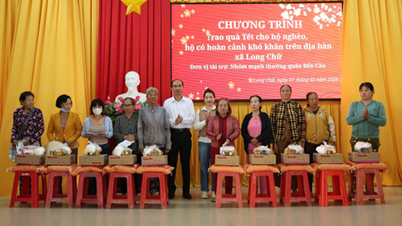
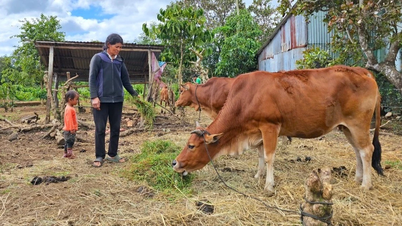
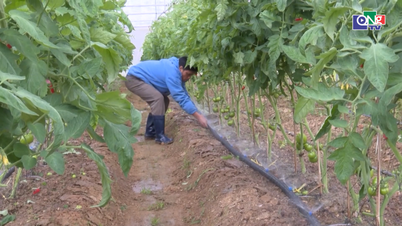
Local authorities and women's associations at all levels have strongly promoted lending and assistance to poor women for economic development. Action plans, programs, and models have been developed to suit local realities. Examples include cinnamon cultivation in Lang Son, free-range chicken farming in Thai Nguyen, and women helping themselves and each other escape poverty.
The result of this action program is a continuous decrease in the multidimensional poverty rate during the period 2016-2022. The multidimensional poverty rate in 2022 was 4.3%, a decrease of 0.1 percentage point compared to 2021 and an average decrease of 0.81 percentage points during the period 2016-2022. In 2023, the estimated multidimensional poverty rate is expected to continue to decrease by 1.1% compared to 2022, achieving and exceeding the targets set in the National Target Program for Sustainable Poverty Reduction for the period 2021-2025. Vietnam is considered a bright spot globally in the fight against poverty and is one of the pioneering countries in approaching and applying sustainable multidimensional poverty reduction methods to achieve social security goals and promote gender equality.
Many international experts, in their research and evaluations, have commented that the integration of gender perspectives and concerted action to help women escape poverty has made Vietnam's poverty reduction achievements more profound, comprehensive, and meaningful.
Lessons learned on gender mainstreaming in sustainable poverty reduction.
Despite the achievements made, poverty reduction efforts in Vietnam continue to face many obstacles and challenges.
According to the government report, the rate of re-poverty over the four years (2016-2019) averaged 4.1% per year compared to the total number of households that escaped poverty. Some localities in the Northwest and Central Highlands mountainous regions have slow poverty reduction rates and are constantly facing the risk of re-poverty; the lives of women and ethnic minorities remain limited. In Gia Lai, from 2019-2022, 461 ethnic minority households fell back into poverty (accounting for 85.5%); in Quang Ngai, 579 new poor households emerged in 2023.
Besides natural conditions and limited infrastructure, the challenge of multidimensional poverty reduction in many localities, especially in remote areas and ethnic minority regions, remains difficult because many poor households lack land and means of production. In these areas, accessing basic social services such as healthcare, education, information, housing, clean water, and sanitation, according to the multidimensional poverty standard, faces numerous obstacles.
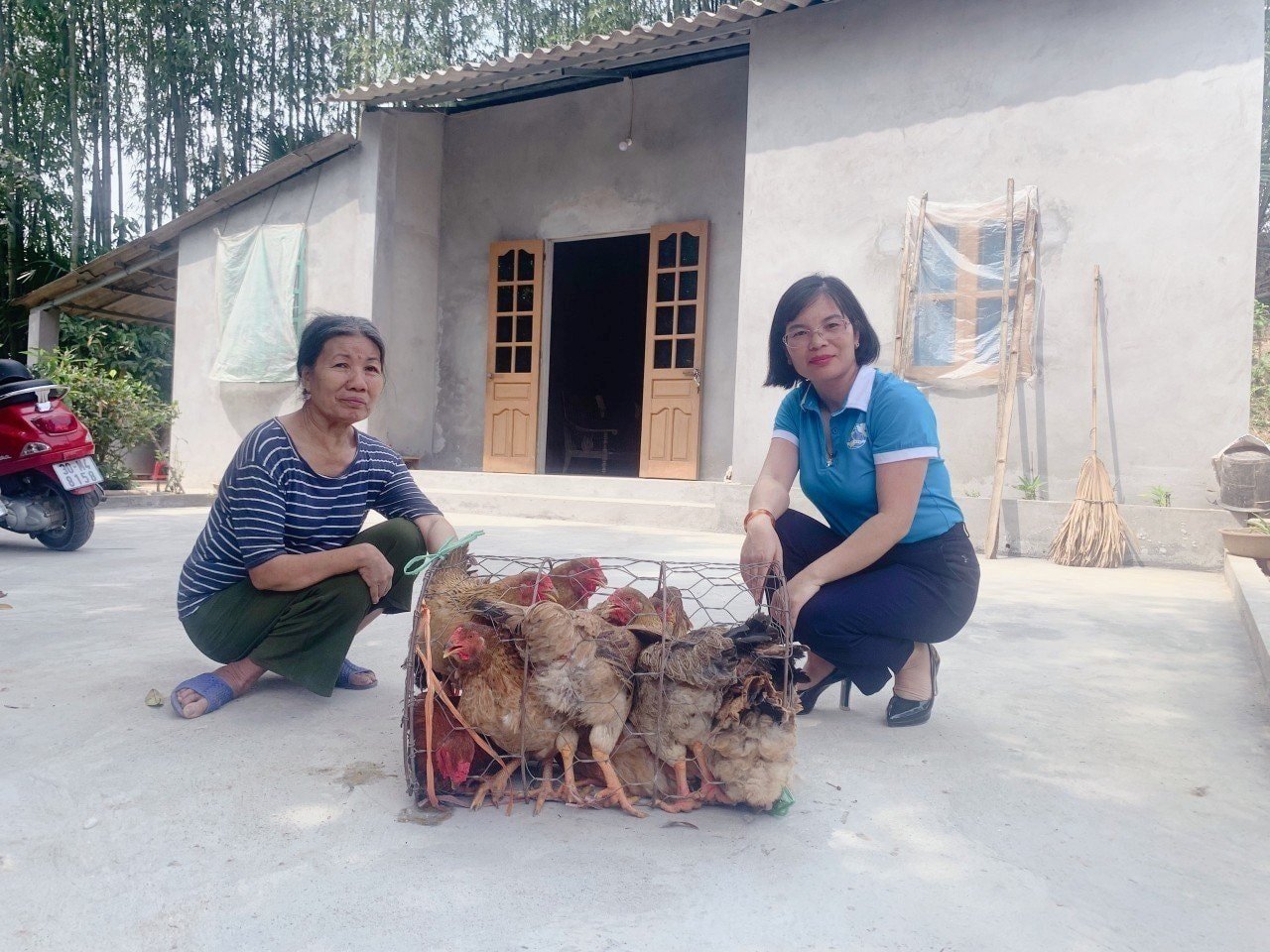
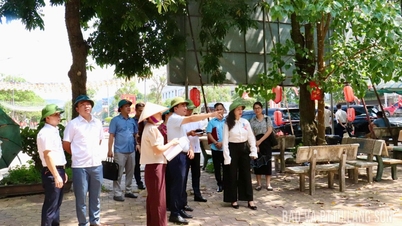
Activities supporting women members in developing their economy and achieving sustainable poverty alleviation are being implemented in Yen Bai.
During the implementation process, local Women's Union branches have learned that to achieve sustainable poverty reduction and prevent re-poverty, it is necessary to awaken the self-reliance of women, "giving them a fishing rod, not a fish." After raising awareness and implementing initial support solutions, such as providing loans, it is essential to equip poor women with the skills and knowledge to "stand on their own two feet sustainably."
According to reports, some poverty reduction policies are still implemented in the form of non-refundable support, a "giveaway" mechanism. While these supports have helped improve the immediate lives of many poor households, they have also fostered a mentality of dependence and reliance among some people, failing to unlock resources within the population for further investment in production.
Women's cadres, through the implementation process, have suggested that in addition to supporting production (capital support, land support, agricultural supplies), support for consumption (market access support, support for linkages and sales) is also needed for truly effective and sustainable results. After women have begun to escape poverty, sustainable poverty alleviation requires more knowledge and increased access to technology for production development. Many opinions from women's associations at all levels indicate the need for a more flexible mechanism in lending social policy capital, because in reality, poor people lack matching funds and have difficulty accessing loans.
In the new circumstances, new and appropriate programs and action plans are needed to continue effectively implementing the National Target Program for Sustainable Poverty Reduction.























![[Photo] Reception to welcome General Secretary and President To Lam and his wife on their State visit to the Philippines](https://vphoto.vietnam.vn/thumb/1200x675/vietnam/resource/IMAGE/2026/06/01/1780295488620_vna-potal-chieu-dai-chao-mung-tong-bi-thu-chu-tich-nuoc-to-lam-va-phu-nhan-tham-cap-nha-nuoc-toi-philippines-8798060-7855-jpg.webp)


































































Comment (0)