

Information delivered directly to homes, policies implemented in practice.
In the final days of the year, the community atmosphere in An Thuong residential area (Duc Pho ward, Quang Ngai province) is quite lively. During neighborhood meetings, women's association activities, farmers' association meetings, and youth union meetings, information about poverty reduction policies, preferential loans, and livelihood models suitable to local conditions is always integrated in an easy-to-understand and relatable way.
Beyond simply "reading and listening," officials and members of mass organizations directly visited individual households to understand their circumstances and needs, and advised on suitable economic development models. This hands-on approach has helped many poor and near-poor households boldly change their mindset and proactively seek ways to escape poverty.
The family of Ms. Nguyen Thi Xuan Dieu (residing in An Thuong residential area) is one such example. In 2019, when her husband had to undergo surgery for a herniated disc and her two young children were frequently ill, Ms. Dieu's family faced financial difficulties. Unstable income and rising treatment costs put her family at risk of prolonged poverty.
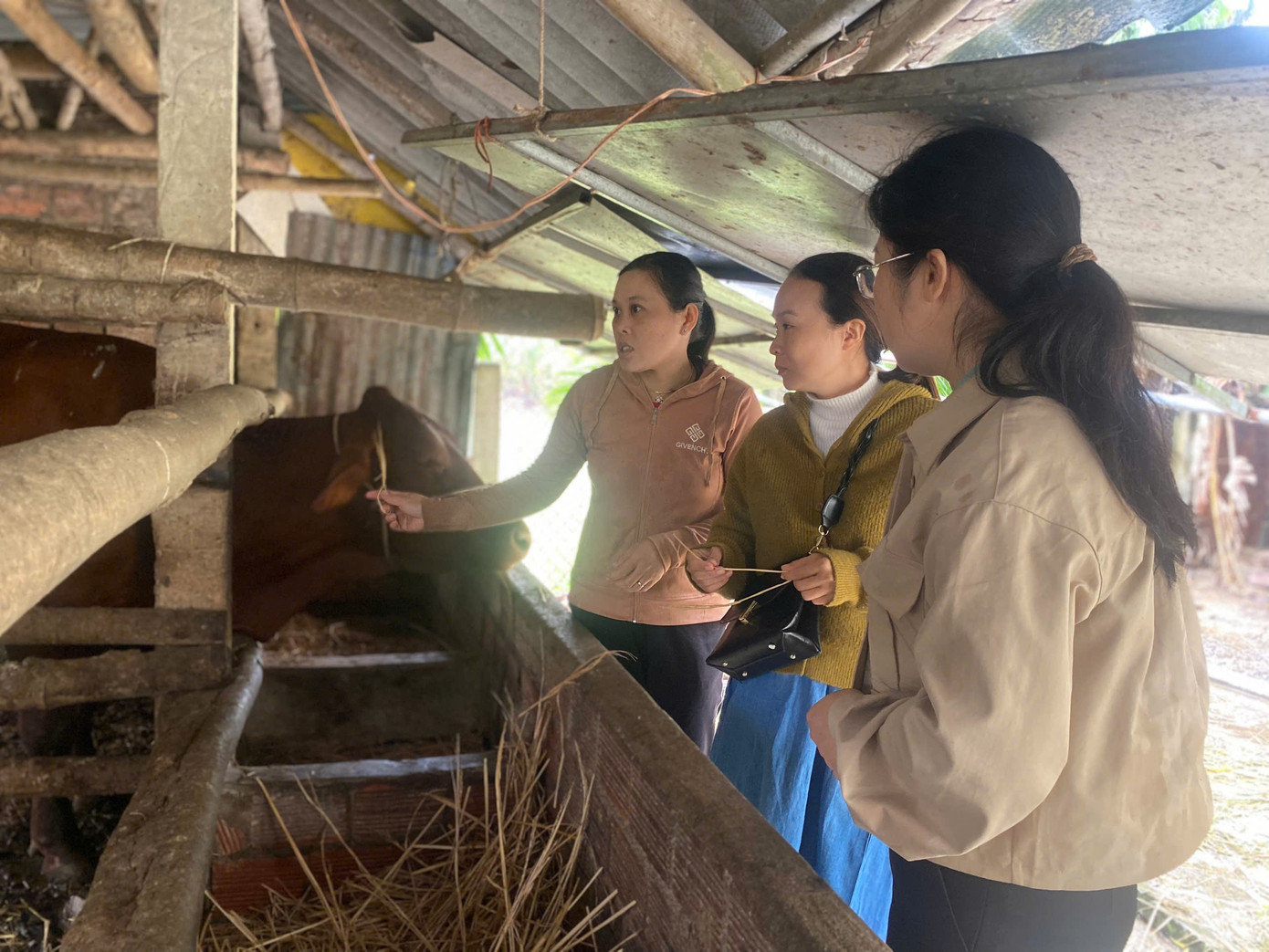
"At that time, I almost didn't know what to do to make ends meet. If it weren't for the timely encouragement and guidance from the women in the Women's Association, my family would probably still be struggling," Ms. Dieu recalled.
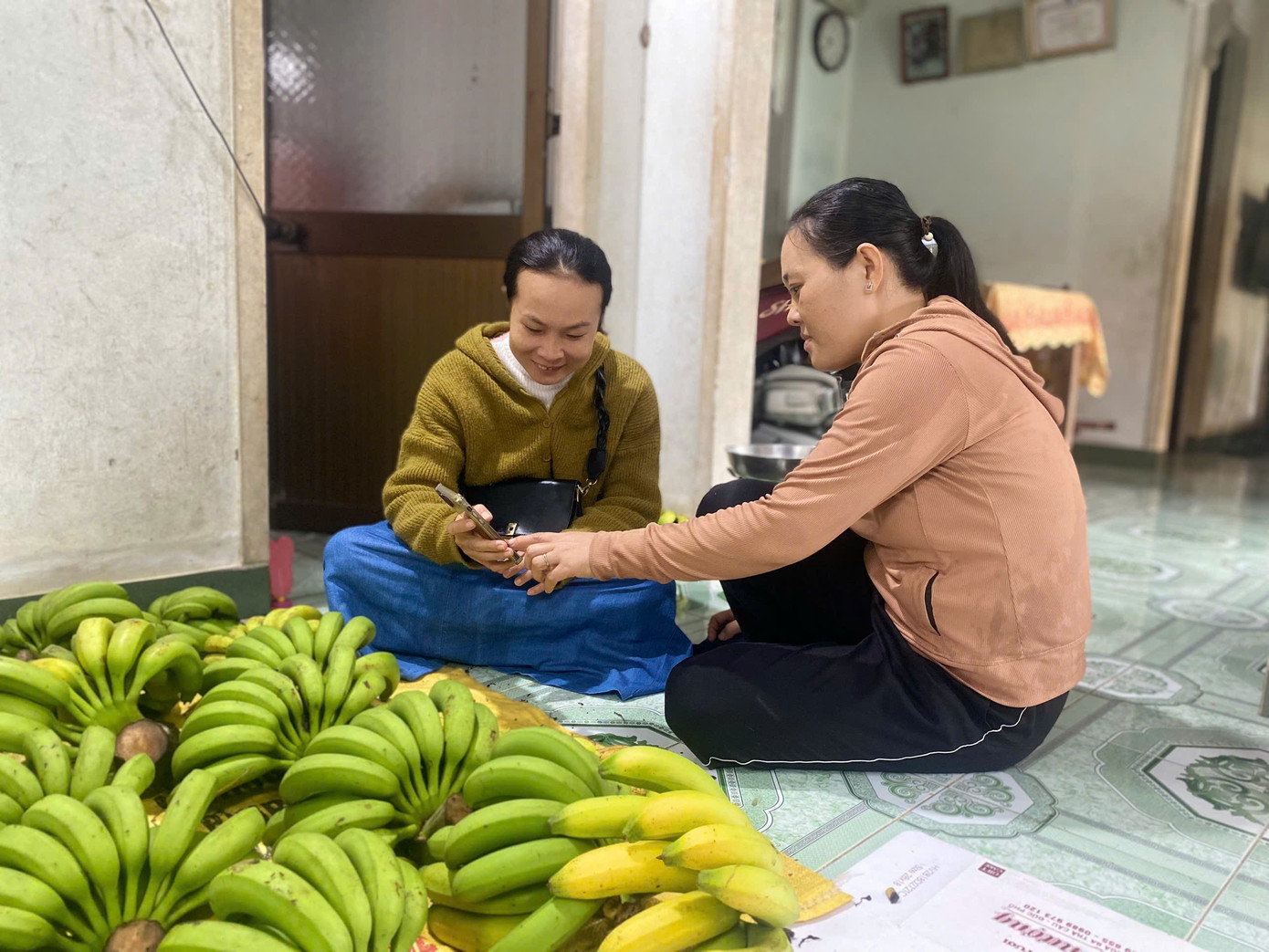
Through the outreach efforts of the An Thuong residential area Women's Association, Ms. Dieu accessed a preferential loan of 50 million VND. With advice on a suitable economic model, her family decided to invest in buying cattle for breeding and planting nearly 400 banana trees on their available land. Thanks to diligently learning techniques and carefully tending to the crops, after three years, her family not only repaid the debt but also officially escaped poverty.
"The women in the women's association regularly provide information about loan policies and training in livestock farming and crop cultivation. Thanks to them, I feel much more confident in developing my business," Ms. Dieu shared.
According to Ms. Tran Thi Tuyet Tram, Head of the Women's Association of An Thuong residential area, maintaining the women's economic development group has created a space for members to exchange experiences and share best practices. This connection not only helps information spread quickly but also motivates women to strive together.
"Escaping poverty is not just about having capital, but more importantly, about having accurate, sufficient, and timely information so that people can confidently do business," Ms. Tram emphasized.
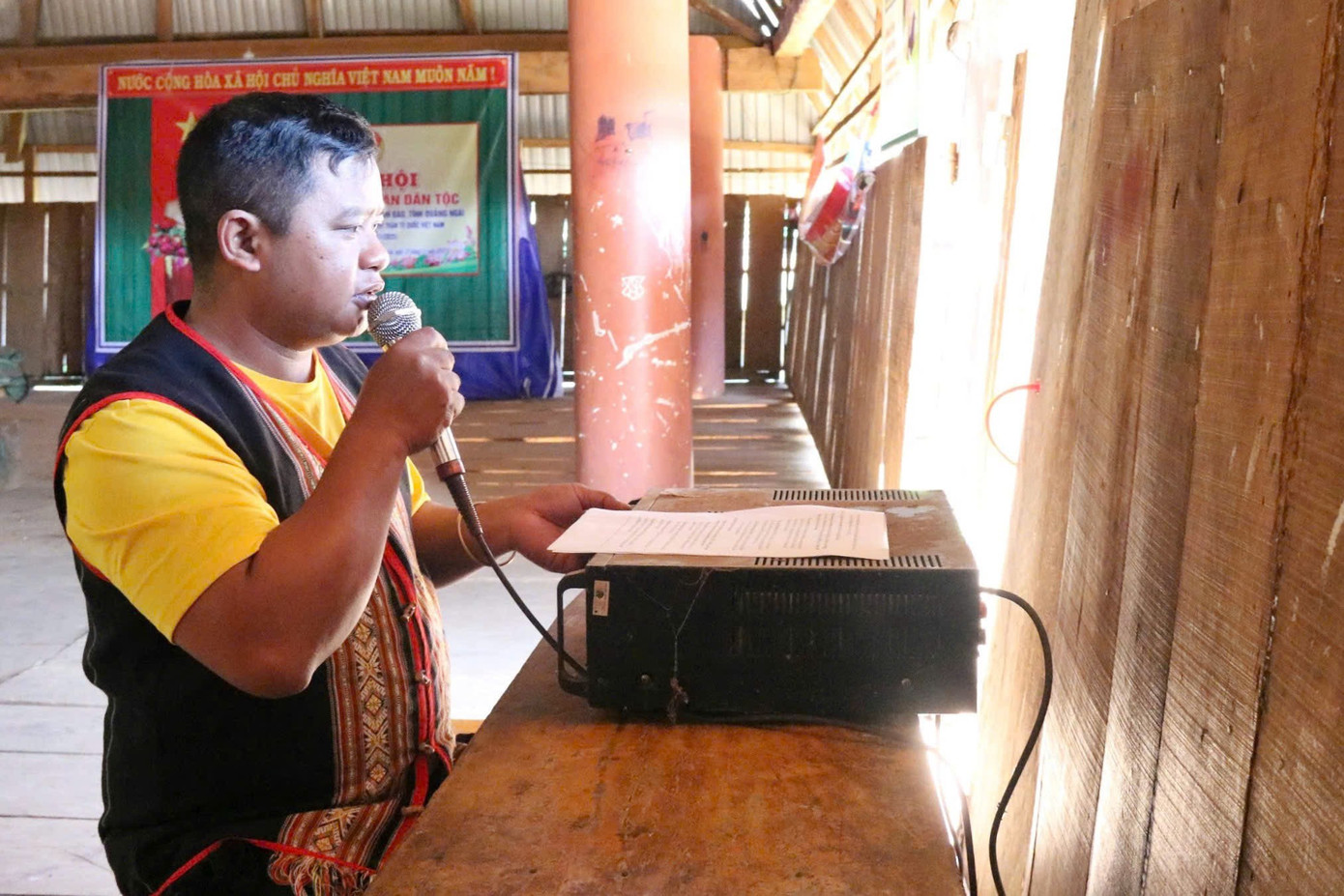
In Duc Pho ward, the local broadcasting system, neighborhood meetings, and community group activities remain the primary communication channels. Information on health, education , employment, overseas labor export, and social welfare policies is regularly disseminated in an easily understandable manner, tailored to each target group. Thanks to this approach, people not only understand their rights but also their responsibilities when participating in poverty reduction programs. From waiting and relying on others, many households have shifted to proactively seeking opportunities and boldly investing in economic development.
"In the coming time, the locality will continue to focus on communication in poverty reduction efforts, innovating content for each target group, and enhancing digital skills and business knowledge for the people. We will maintain seminars between households that have escaped poverty and those still facing difficulties to spread successful models, inspire self-reliance, and eliminate the mentality of waiting and relying on others," said Mr. Tran Ngoc Sang, Chairman of the People's Committee of Duc Pho Ward.
Along with media coverage, Duc Pho ward has promoted the application of digital technology in poverty reduction efforts. The community digital technology team has become a "bridge" helping people access online public services, social welfare, cashless payments, and agricultural products on e-commerce platforms. Information on policies, loans, and technical training is updated promptly via Zalo, Fanpage, and the local website, ensuring that 100% of poor and near-poor households have full and accurate access to this information directly on their phones.
The results clearly show that in 2024, Duc Pho ward still had 190 poor households and 371 near-poor households. By 2025, the number of poor households had decreased to 157, and the number of near-poor households had sharply decreased to 147. This transformation is not only due to support resources, but also thanks to flexible communication methods that are close to the people and meet their needs.
Digitizing information, bridging the gap in disadvantaged areas.
Not only in the eastern communes and wards, but also in the western mountainous communes of Quang Ngai province, where socio-economic conditions are still challenging, the digitization of information is being seen as a "lever" to innovate poverty reduction communication efforts.
Kon Dao commune is a prime example. The commune has over 2,600 households, of which approximately 75% are ethnic minorities. Currently, the commune still has 284 poor households and 266 near-poor households. The disparity in access to information between different population groups used to be a major obstacle in policy implementation.
Faced with this reality, the Kon Đào commune government has intensified the digitization of its communication content. Instead of relying solely on paper documents or traditional meetings, information on poverty reduction, rural development, and effective economic models is compiled into short videos, infographics, and visually appealing PDF files that are easy to understand.
These contents are posted on the commune's electronic portal and Fanpage, and widely shared through Zalo and Facebook groups of villages, associations, and organizations. Thanks to this, people can access information anytime, anywhere, with just a smartphone.
Mr. A Ngực, head of Dak Ro village (Kon Dao commune), said that whenever he receives information from higher levels, he usually edits it into short news bulletins to broadcast on the village's public address system, and also shares videos and production guidance documents on the village's Zalo group. "This multi-channel approach helps people access information faster, understand it better, and gradually change their way of thinking and doing things in production," Mr. A Ngực said.
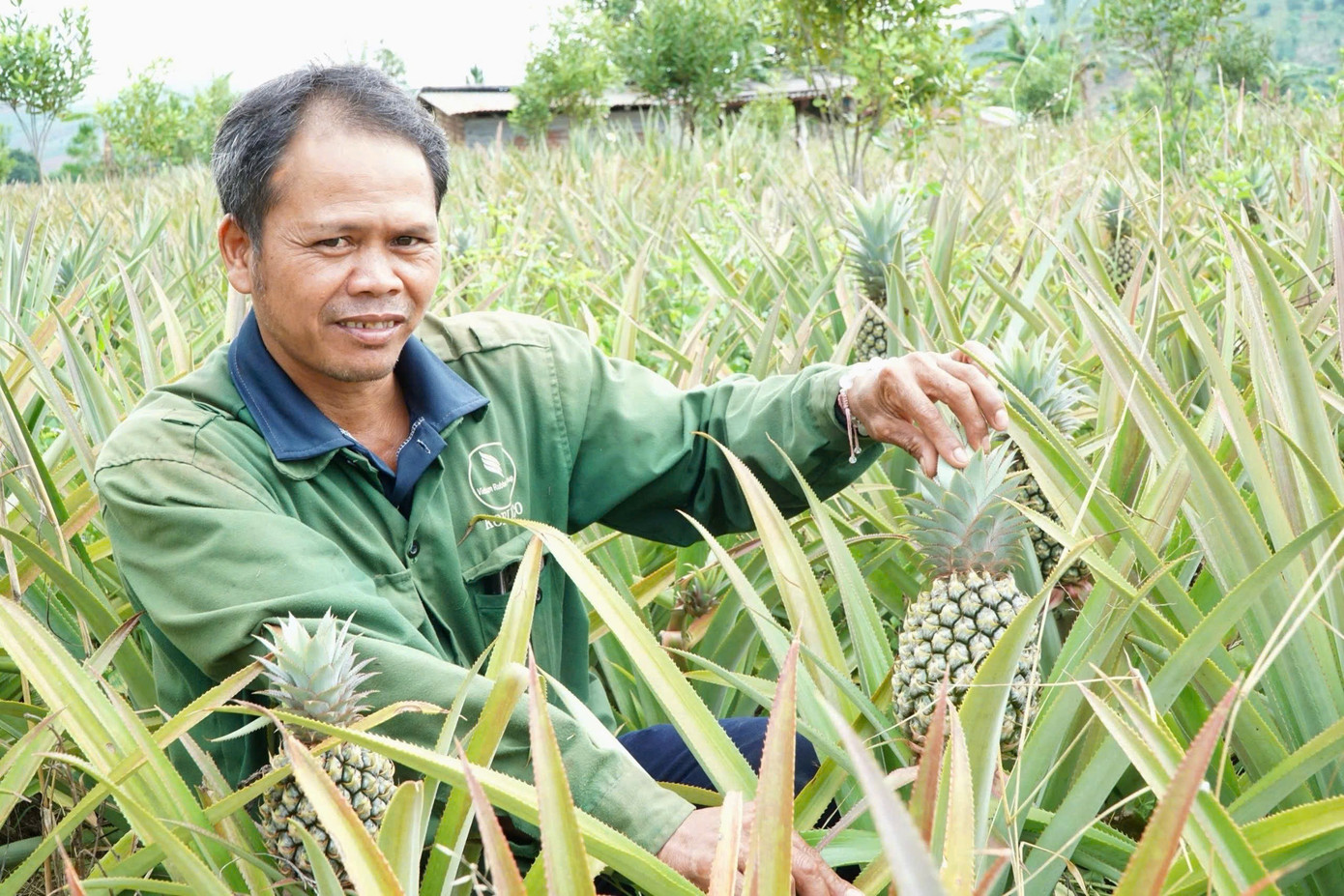
Based on the information shared, Mr. A Chien (residing in Dak Ro village, Kon Dao commune) boldly converted 2,000 square meters of unproductive cassava land to pineapple cultivation. Through watching technical instruction videos and learning from experience, his first pineapple crop brought him over 25 million VND. “Initially, I was hesitant, but thanks to the videos and shared materials, I feel more confident. Pineapples are easy to grow and provide a stable income, so I will expand the area,” Mr. A Chien shared.
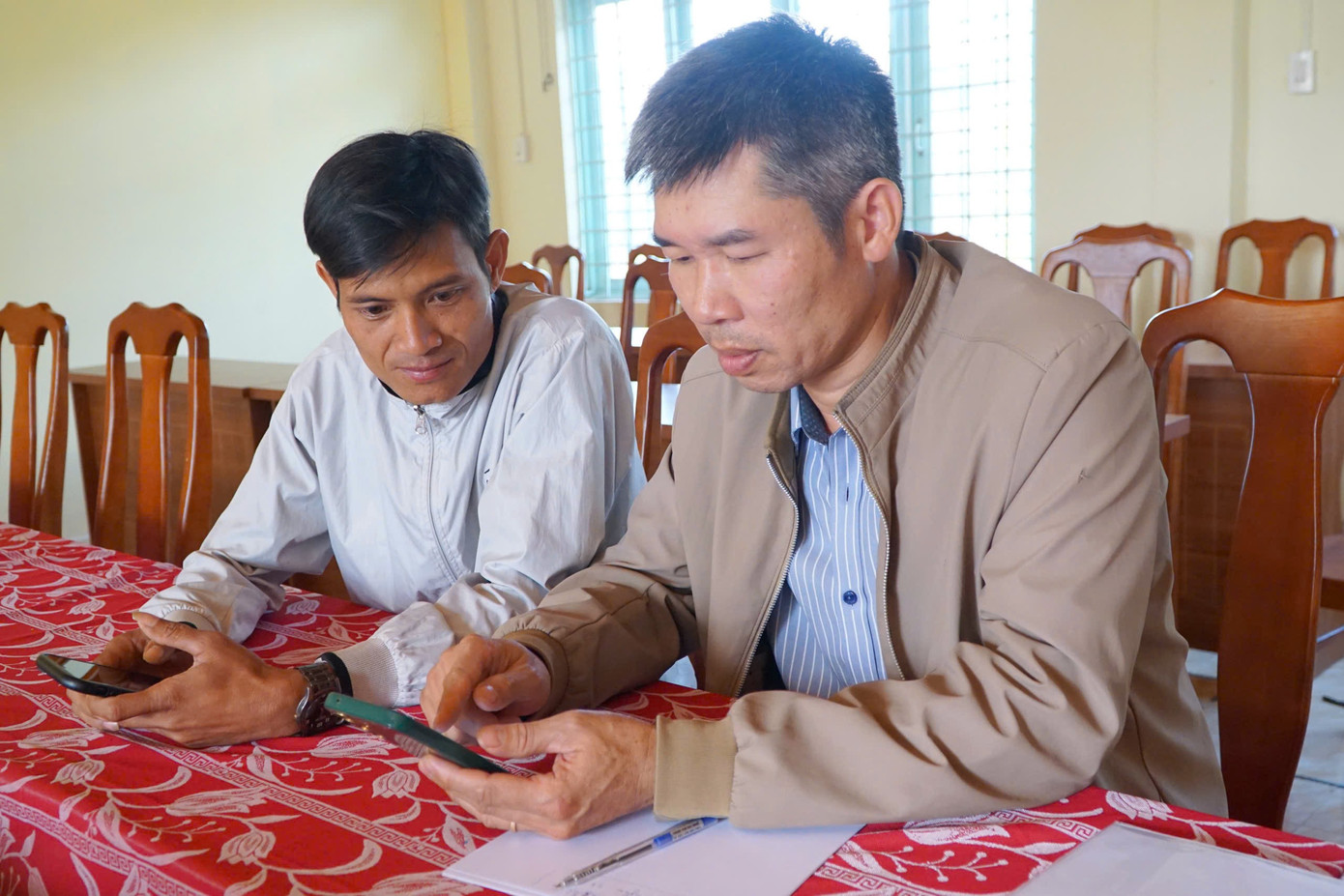
In Dak To Kan commune (Quang Ngai province), digitizing information has also been identified as a key solution. Propaganda materials are edited concisely and visually in PDF, video, infographic, and audio formats, and shared simultaneously through the public address system and social media platforms.
Ms. Y Theng (residing in La Giong village, Dak To Kan commune) said that accessing digital information has brought many advantages. Instead of waiting for village meetings, I can watch instructional videos on coffee care right on my phone. Thanks to this, my family's 600 coffee trees are always thriving and yielding stable productivity.
"To ensure effective information digitization, the commune has organized digital skills training for village self-governing boards and community digital technology groups. These are the core forces in transmitting information and supporting people in accessing the digital environment," said Mr. Tran Thanh Hoang, Vice Chairman of the People's Committee of Dak To Kan commune.
Along with the government, associations and organizations have also proactively innovated their methods. The Farmers' Association of Dak To Kan commune has shifted its propaganda content from paper documents to images, short videos, and infographics, while also promoting it on social media. "Visual and easy-to-understand information helps members quickly grasp and apply it. As a result, many new production models and examples of successful farmers have emerged," said Mr. Cao Minh Luyen, Chairman of the Farmers' Association of Dak To Kan commune.
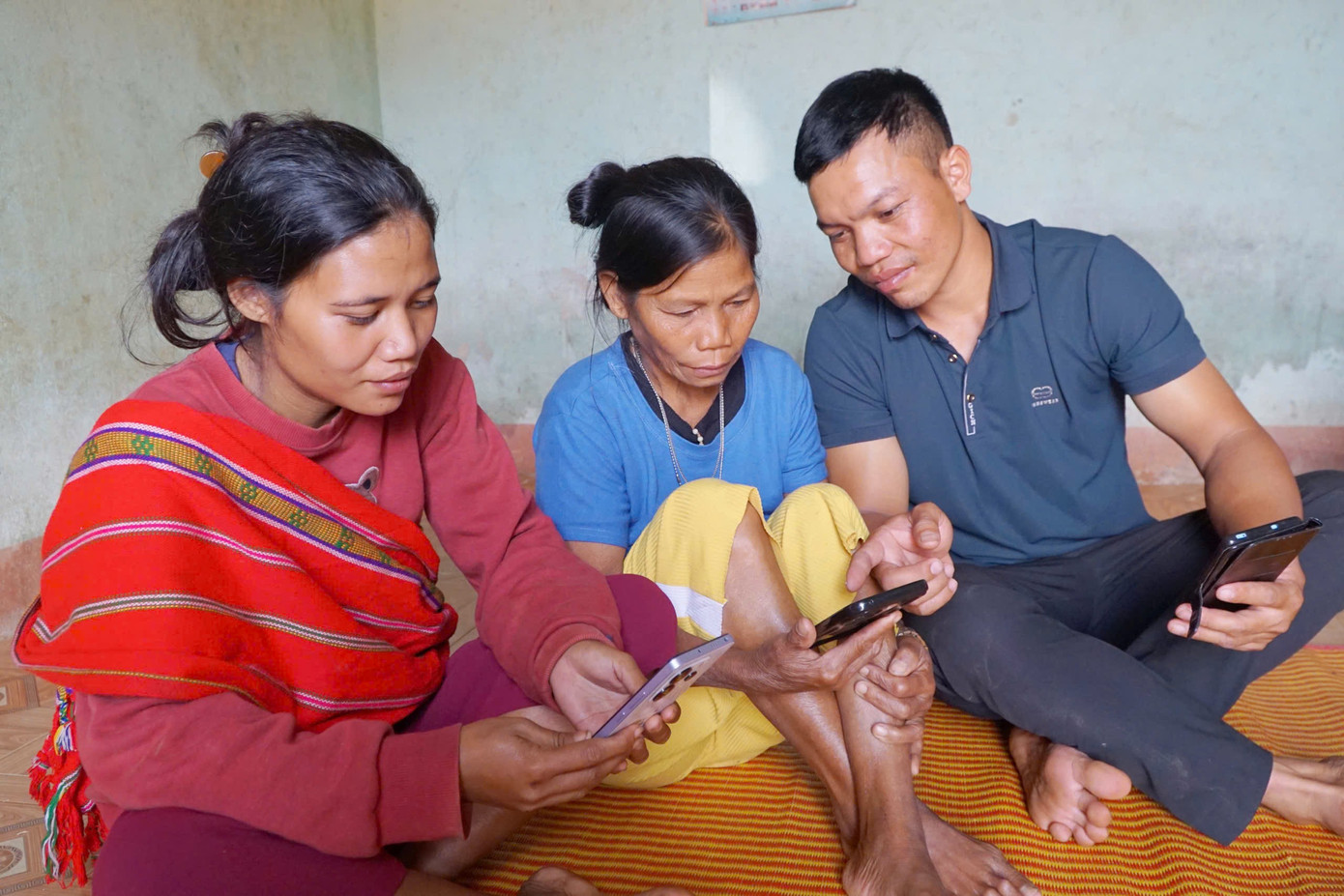
It is evident that when information is digitized and transmitted through various appropriate forms, the information access gap between regions and population groups is gradually narrowed. As a result, people not only escape "information poverty" but also have more opportunities to develop economically and stabilize their lives. With a flexible, synchronized approach that puts the people at the center, communication is truly opening new paths, helping the people of Quang Ngai gradually escape poverty sustainably.
Source: https://tienphong.vn/tu-ngheo-thong-tin-den-sinh-ke-ben-vung-post1806346.tpo
![[Image] Close-up view of the interchange connecting the two expressways and Long Thanh Airport.](https://vphoto.vietnam.vn/thumb/1200x675/vietnam/resource/IMAGE/2026/05/25/1779703378210_ndo_br_z7863716673926-224453a31600126cce10622af6290afd-4549-jpg.webp)
![[Image] Hanoi's urban life under the challenge of a "scorching hot" environment](https://vphoto.vietnam.vn/thumb/1200x675/vietnam/resource/IMAGE/2026/05/25/1779706979265_nang-nong-t5-2026-minh-duy-7-4636-jpg.webp)







































































Comment (0)