

Innovating service-oriented thinking at the grassroots level.
In recent years, administrative reform has consistently been one of Hanoi 's key priorities. However, the current demands no longer stop at shortening processing times or simplifying procedures. The city is aiming for a broader goal: reforming governance thinking at the grassroots level, shifting from administrative management to serving the people.
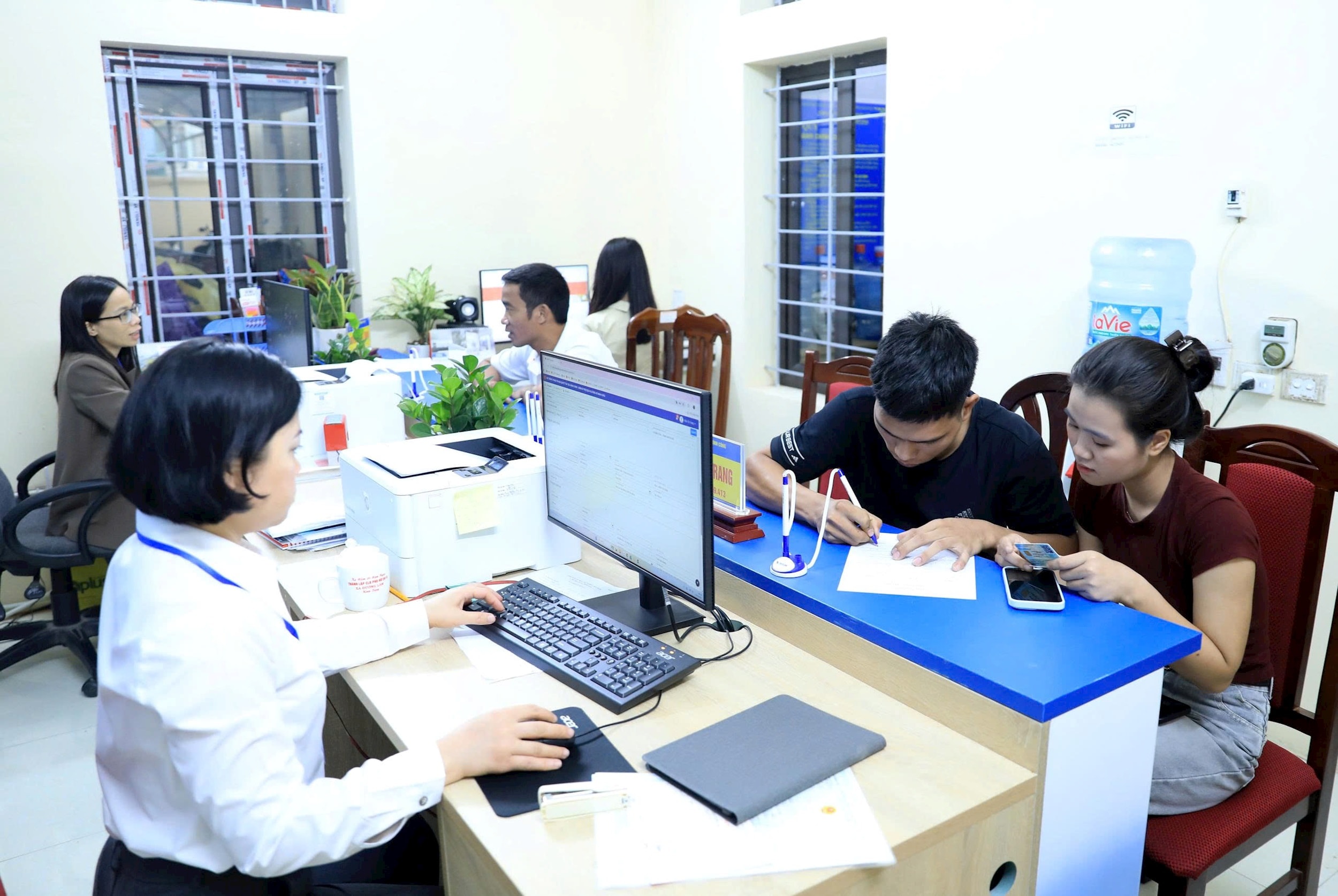
This shift stems from the evolving realities of the capital city. As living standards improve, people are not only concerned about having their applications processed on time, but also expect easier access to public services, greater public engagement, and deeper participation in the social governance process.
In this context, the quality of local government performance is not only assessed by administrative indicators but also reflected in the level of citizen satisfaction with the living environment, public services, and policies directly related to daily life.
According to Associate Professor Bui Hoai Son, a member of the National Assembly 's Committee on Culture and Society and a National Assembly representative from Hanoi, the process of reforming grassroots governance needs to begin with a change in mindset. In the orientation towards building a "socialist commune/ward" model, the first step is to shift from managing the population to serving the community; from resolving administrative tasks to creating a better quality of life; and from following procedures correctly to ensuring that people have greater convenience, peace of mind, and happiness.
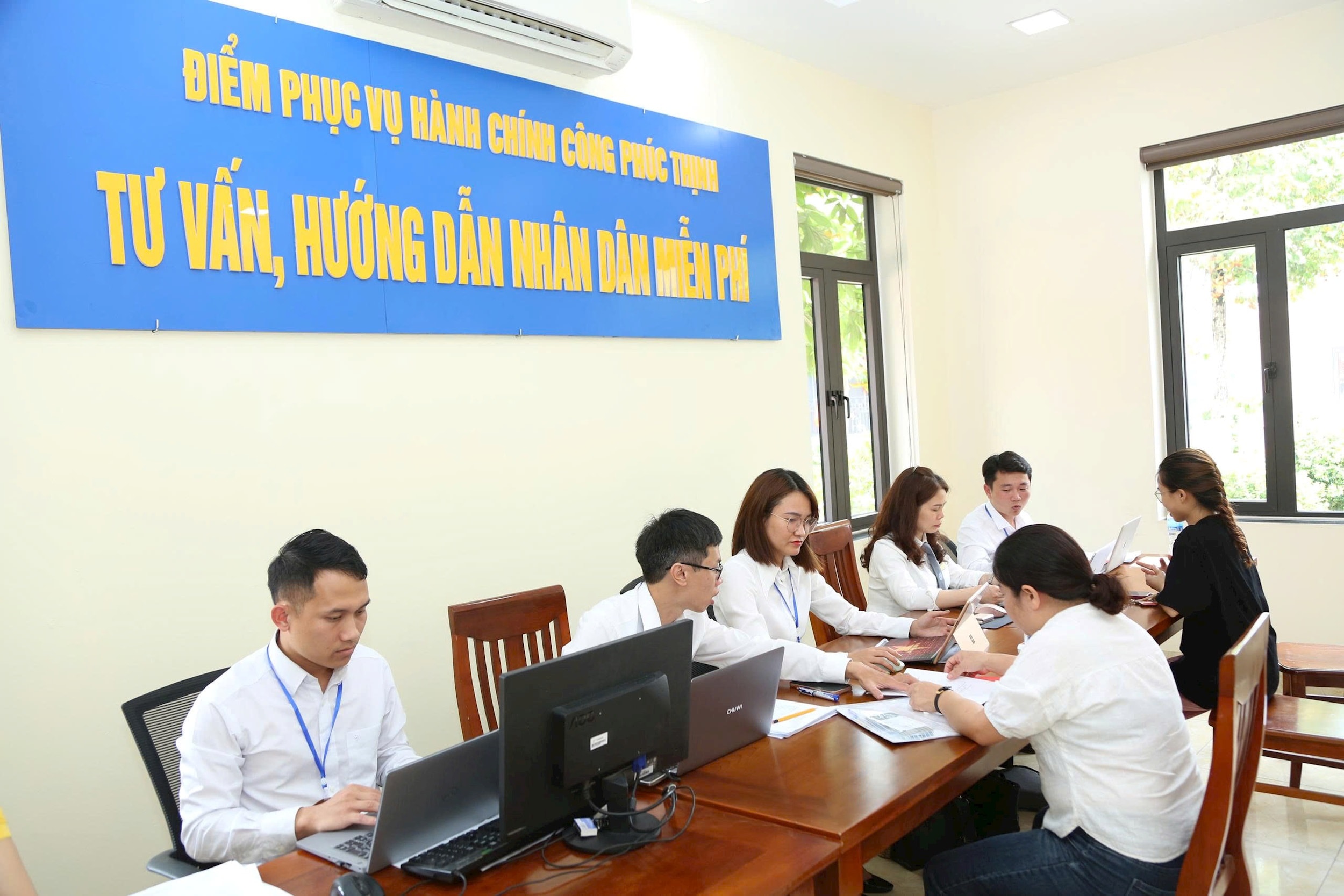
According to Mr. Bui Hoai Son, in the new era, local government cannot simply be a place for receiving applications, verifying documents, or handling administrative procedures. Communes and wards need to become modern governance spaces where all essential needs of the people are listened to, responded to, and resolved promptly.
This perspective reflects a significant shift in approach. Previously, administrative effectiveness was often measured by the number of documents issued or the percentage of cases resolved on time. Now, the measure should be the quality of service provided to citizens and the extent to which community needs are met.
This also places new demands on grassroots officials. Besides mastering legal regulations, officials need communication skills, the ability to apply digital technology , a sense of responsibility, and a service-oriented attitude towards the people. In many cases, thorough guidance or timely feedback can build trust far more effectively than formal administrative procedures.
Proactive government, people at the center.
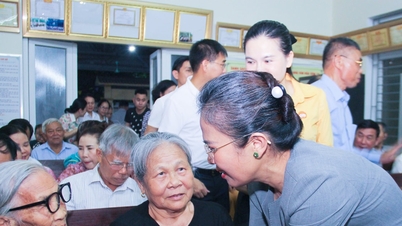
This spirit of innovation is gradually being realized in many localities throughout the city. In Xuan Phuong ward, the assignment of members of the Party Committee Standing Committee and key officials to attend regular meetings at the Party branches has been consistently maintained. Through these meetings, many issues arising in the lives of residents are directly reported to local leaders, helping the leadership and management process to be more closely aligned with reality.
Based on public feedback, issues related to infrastructure, sanitation, urban order, and cultural life are promptly addressed. This also demonstrates the shift from a management style based on administrative orders to one that listens, engages in dialogue, and works alongside the grassroots.
Meanwhile, in Ngoc Ha ward, the "Ngoc Ha Feedback" model via QR code has opened a new channel of interaction between citizens and the government. Citizens can conveniently submit feedback and suggestions without having to go directly to government agencies.
This model demonstrates a shift in service-oriented thinking. Instead of waiting for citizens to come forward to report problems, the government proactively creates tools to enable citizens to easily participate in the management and monitoring of local activities.
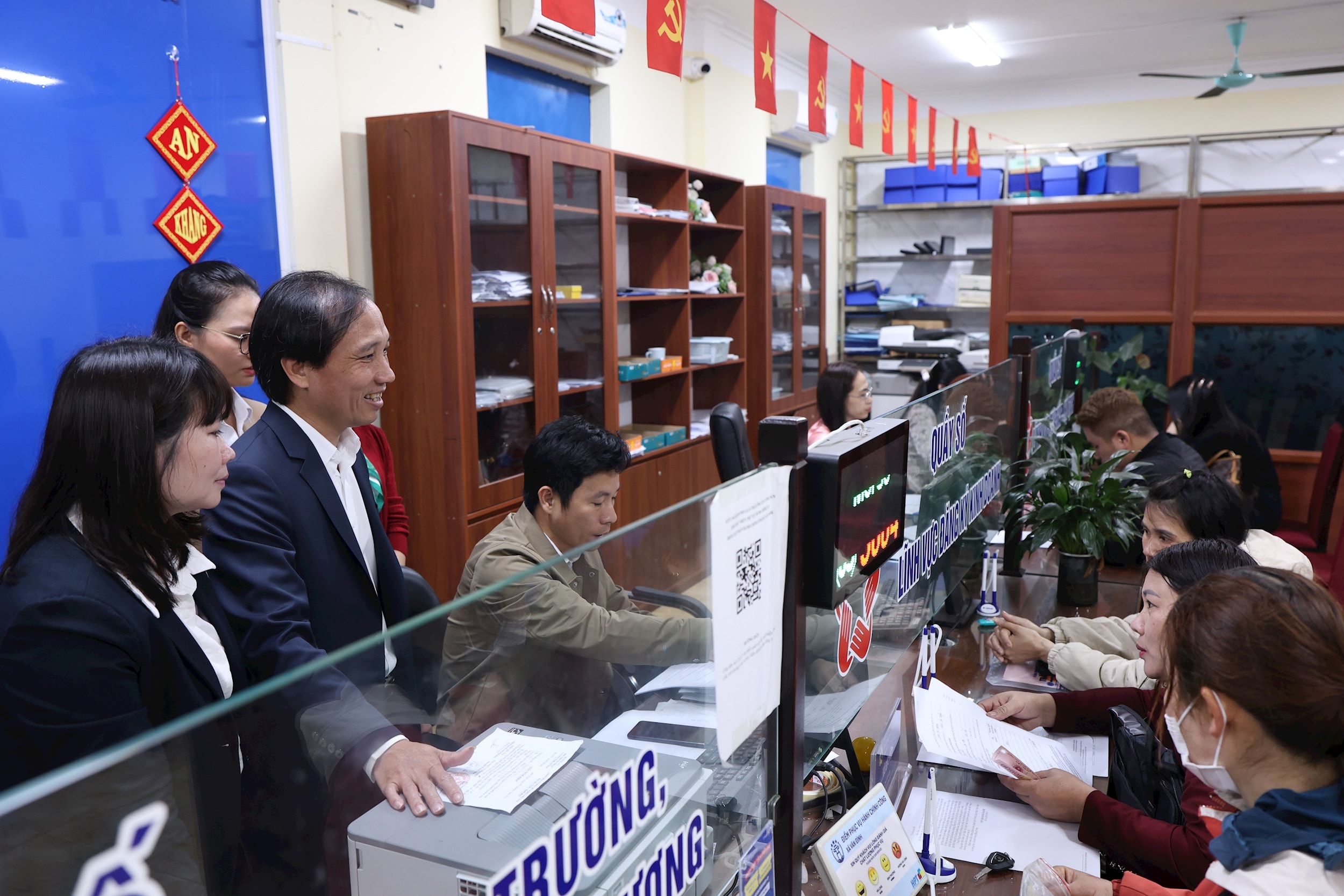
In Van Dinh commune, the local authorities are strengthening their efforts to understand the thoughts and aspirations of the people, focusing on resolving issues related to infrastructure, the environment, and administrative reform. According to the Chairman of the Van Dinh Commune People's Committee, Nguyen Ngoc Diep, the tasks are currently being implemented according to the principle of "clear tasks, clear responsibilities, clear progress, clear results, and clear supervision," assigning specific responsibilities to each unit and each responsible official. Mr. Nguyen Ngoc Diep stated that this is a solution to improve governance efficiency, promote administrative reform, and build a grassroots government that better serves the people.
The shift in governance thinking is also being supported by strong reforms at the city level. To date, Hanoi has implemented 2,012 administrative procedures regardless of administrative boundaries; decentralized, delegated, and authorized 2,007 tasks in 14 areas; and applied the "green lane" mechanism to 103 administrative procedures, shortening processing time by 30% to 60% compared to regulations.
According to Associate Professor Bui Hoai Son, the working methods of local authorities also need to shift from passive to proactive. The government cannot simply wait for citizens to report issues before taking action; instead, it must have mechanisms to detect problems early at the grassroots level, from environmental sanitation, urban order, and residential security to caring for vulnerable people, cultural life, and public spaces.
This requirement is particularly significant in the context of Hanoi's goal of building a cultured, civilized, and modern capital city. A developed city is not only judged by the scale of its infrastructure or its economic growth rate, but also by the quality of its governance and its ability to meet the increasingly high demands of its people.
Therefore, reforming grassroots governance is not simply about reforming the administrative apparatus or perfecting administrative procedures. The core of this process is building a service-oriented administration where citizens are truly at the center of all decision-making. When the government is closer to the people, listens more, and acts more quickly for the benefit of the community, social trust is strengthened and the quality of life is improved, creating a foundation for the sustainable development of the capital city in the new era.
Source: https://hanoimoi.vn/tu-quan-ly-dan-cu-den-phuc-vu-cong-dong-1137095.html
![[Photo] General Secretary and President To Lam presides over a meeting with the Central Organizing Committee.](https://vphoto.vietnam.vn/thumb/1200x675/vietnam/resource/IMAGE/2026/06/03/1780482764658_a1-bnd-4741-3342-jpg.webp)
![[Photo] Secretary of the National Assembly Party Committee, Chairman of the National Assembly presides over the meeting of the Standing Committee and Executive Committee of the National Assembly Party Committee.](https://vphoto.vietnam.vn/thumb/1200x675/vietnam/resource/IMAGE/2026/06/03/1780480353201_ndo_br_bnd-2585-jpg.webp)



![[Photo] First session of the 14th Congress of the Vietnam Trade Union](https://vphoto.vietnam.vn/thumb/1200x675/vietnam/resource/IMAGE/2026/06/03/1780465947883_ndo_br_img-3852-jpg.webp)












































![[Video] Sunset at Lap An Lagoon – Where the sun sets over the fishing nets](https://vphoto.vietnam.vn/thumb/1200x675/vietnam/resource/IMAGE/2026/05/31/1780192137701_beach-landscape-sea-water-nature-grass-745871-pxhere-com.jpeg)






























Comment (0)