


The so-called "Duong Van Minh belief" is an illegal organization masquerading as a religion to profit personally, sow discord among the ethnic minority, and create complex security and order issues in the Mong ethnic region.
| Editor's Note: The illegal organization led by Duong Van Minh, a "religious group" that has existed for over 34 years among the Mong ethnic minority in several areas of Tuyen Quang, Cao Bang, Bac Kan, Thai Nguyen, and Lao Cai provinces, has caused many negative consequences for security, order, and the cultural and spiritual life of the people. For all those years, the tireless efforts of the police force have been persistent, resourceful, and creative in bringing more than 8,000 Mong people, who were misled and deceived by this organization and had engaged in acts of resistance against the government and abandoned their sacred civil rights, back to reality, focusing on farming, economic development, and building a prosperous and happy life in their fields and villages. |
The illegal organization Duong Van Minh (“the organization”), founded by Duong Van Minh (1961-2021), is an organization that hides behind religious beliefs to gather forces, seek connections, and gain support from hostile and reactionary forces in order to form and publicly establish an opposition political organization, create a “Mong State,” and carry out the intention of “declaring himself king,” “separatizing himself, and achieving autonomy.”
The activities of this "organization" run counter to the guidelines, policies, laws of the Party and the State, and the traditions of the Mong ethnic group.
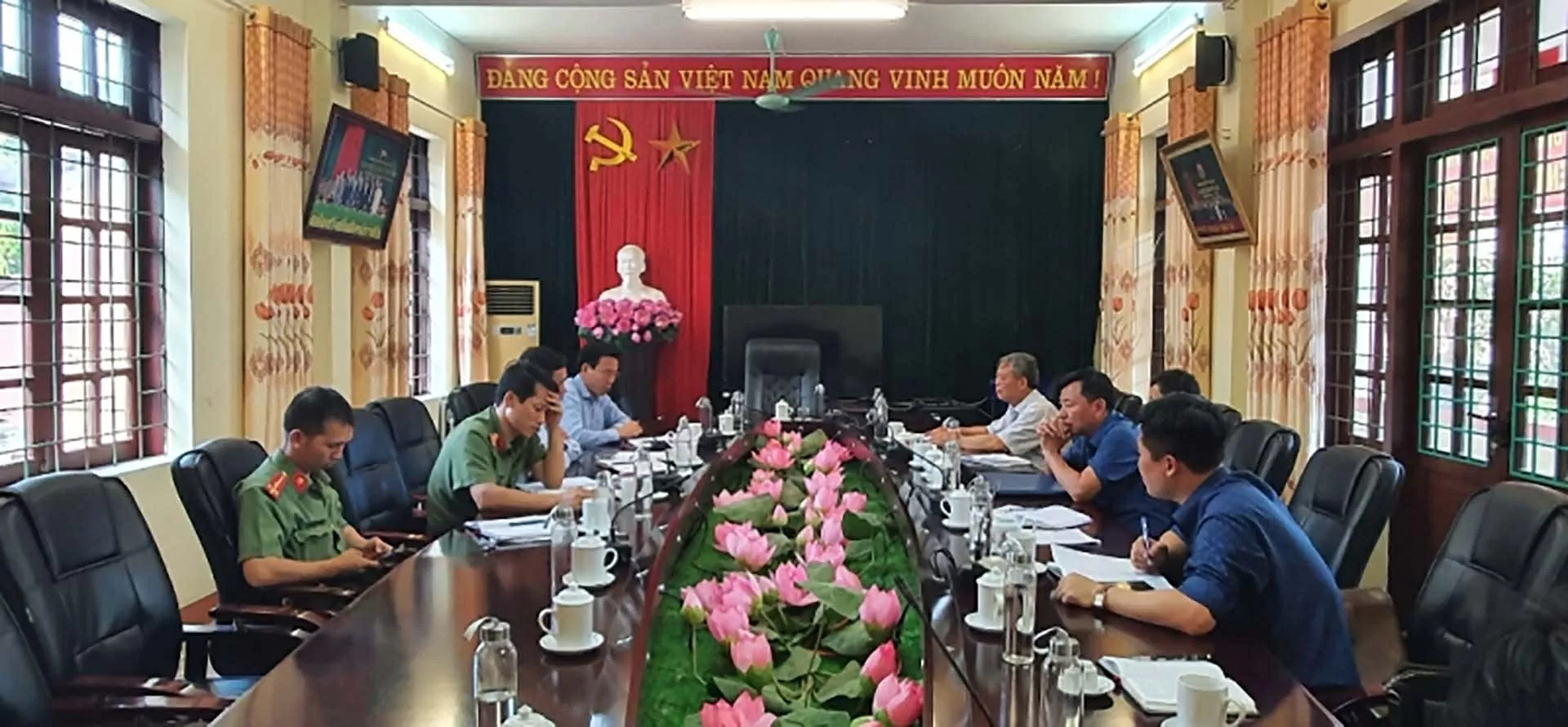 |
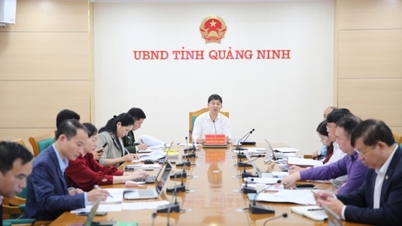
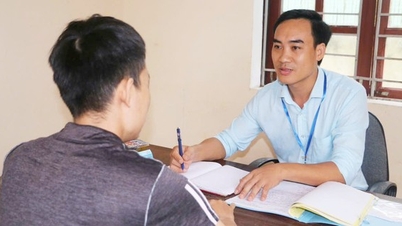
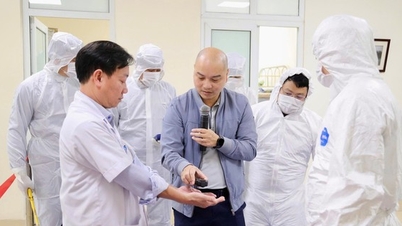
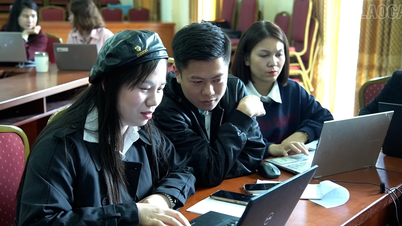
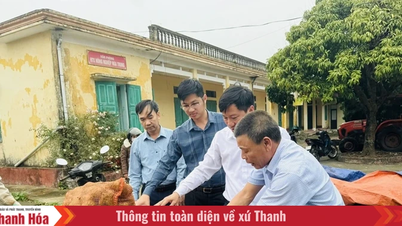
| The leadership of the Department of Internal Security worked with local Party committees and authorities regarding the violations committed by the "Duong Van Minh Illegal Organization". (Source: cand.com.vn) |
Hiding behind beliefs and religions
In late 1989, a segment of the Hmong ethnic group (primarily the White Hmong) in several northern provinces such as Ha Giang, Tuyen Quang, Cao Bang , Bac Kan, and Thai Nguyen believed in and followed what was called the "Duong Van Minh Belief" or "Duong Van Minh Religion".
In reality, the so-called "Duong Van Minh belief system" is an illegal organization disguised as a religion, established by Duong Van Minh and his leading figures to profit personally, disrupt the lives of a segment of the Mong ethnic group, divide national unity, and create complex security and order situations in the Mong ethnic region.
This is not a religious organization because it lacks doctrines and religious laws; it does not have charters, regulations, principles, or guidelines for religious practice; it has not formed any clergy or religious officials; it does not have places of worship, places of practice, or training centers for religious practitioners; and it does not inherit the fine traditions of the Hmong people in our country.
From its founding until its complete dissolution in 2023, the nature of this organization could be identified through several basic characteristic signs, such as:
Regarding the so-called "doctrines" and "canonical laws" that Duong Van Minh actively propagated, they were compiled and borrowed from the doctrines and laws of Protestantism. However, due to his limited understanding, the orthodox doctrines and laws of Protestantism that Duong Van Minh heard were largely distorted and went in one ear and out the other.
This organization propagated absurd doctrines such as: you can eat without working, you can become literate without studying, people will stay young forever, illnesses will heal on their own, money will fall from the sky, and simply by taking the dead to a funeral home and praying for 24 hours, the dead may come back to life… all to deceive the people.
With the intention of establishing a new religion, the group modified and adapted these doctrines and laws to make them their own. The so-called "New Hmong Life Organization" of this organization is based on the regulations for implementing a new cultural life set forth by the local Party committee and government...
This led to misconceptions among the people, who revered Duong Van Minh as the "religious leader" of the Mong people; they considered Duong Van Minh's words as doctrine and religious law, and regarded "Duong Van Minh's religion" as a new form of belief to replace the traditional beliefs of the Mong ethnic group.
Regarding the organization of worship : Duong Van Minh guided people to dismantle ancestral altars and abandon polytheism, a practice previously common among the Mong ethnic group; they learned the "Vang Chu" prayer, and used tobacco instead of incense. Duong Van Minh also organized rituals to call the souls of believers back to health, and when they died, they held collective prayer ceremonies at the "funeral home," using cicadas, toads, swallows, and crosses... in a very simple manner, without slaughtering buffalo or cows as in the old customs, thus reducing the economic burden.
Some of the people who followed Duong Van Minh abandoned their traditional customs and practices, abandoned ancestral altars, and when they were sick, instead of going to the hospital, they asked Duong Van Minh to perform rituals to summon the soul and pray for spirits...
Regarding the organizational system: The "organization" established by Duong Van Minh was built from top to bottom, with a division of roles including leaders, key figures, and active individuals in charge of general affairs in the provinces, responsible for each province down to the village level. There were also individuals in charge of the elderly, women's groups, youth groups, and children's groups... to separate them from society, gradually forming a separate community to challenge the government. Duong Van Minh considered himself the "Spiritual Leader" and "Chief Administrator."
Overall, the "organization" had an unclear structure and organization; the leaders, key figures, and active members were often brothers and close associates of Duong Van Minh. However, these individuals operated under unified and closely coordinated direction.
Through this organization's system, Duong Van Minh and a number of key, active members propagated, enticed, and controlled a segment of the Mong ethnic minority, gathering and developing forces, gradually luring those who believed in and followed the "organization" to participate in separatist and autonomous activities.
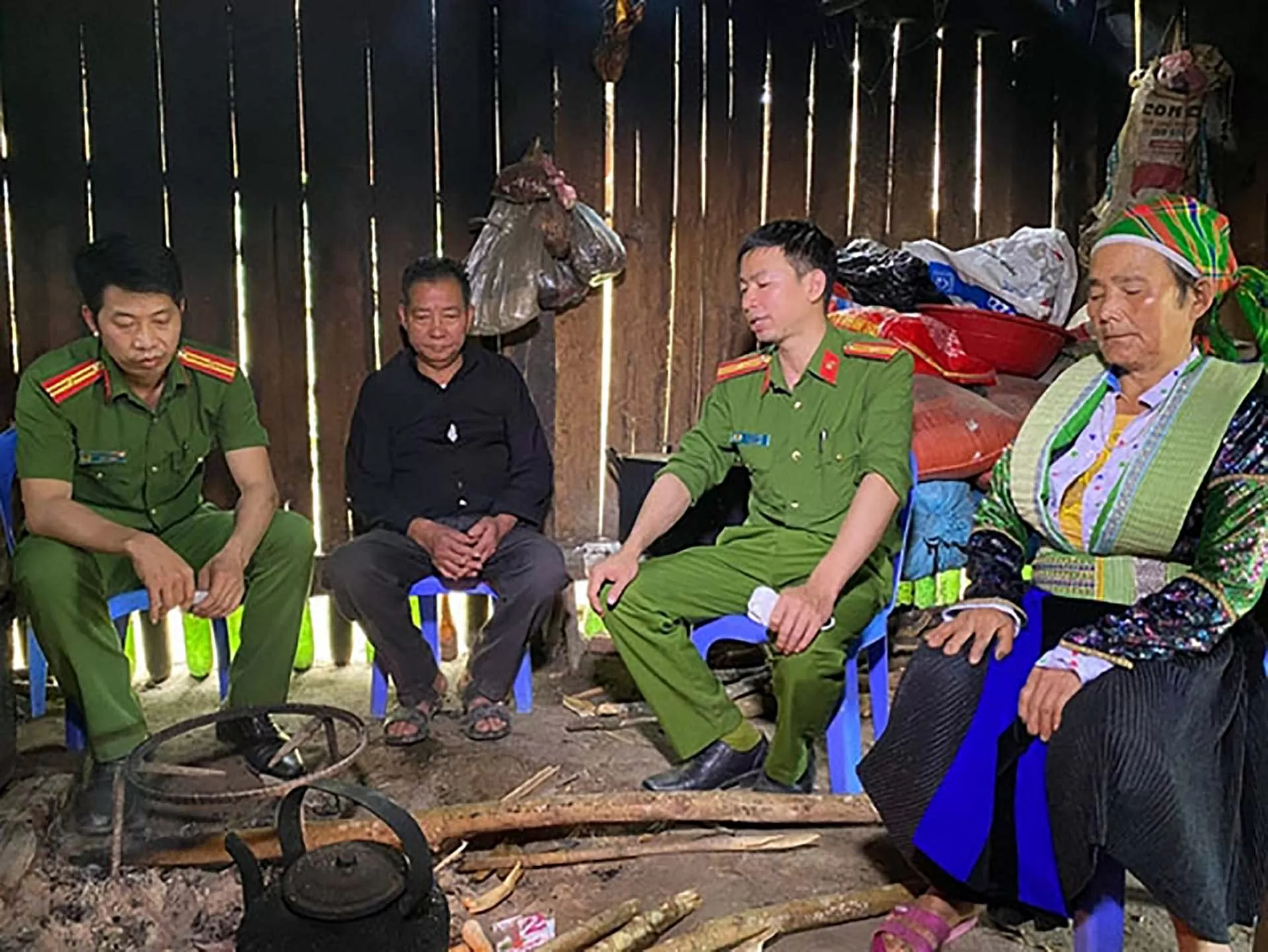 |
| Police officers from Yen Lam commune, Ham Yen district, Tuyen Quang province, along with their colleagues, visited homes to persuade residents not to follow the illegal organization led by Duong Van Minh. (Source: congan.sonla.gov.vn) |
Deceiving fellow citizens for personal gain, spreading ideas of "separatism and autonomy."
The main purpose of the "organization" was to serve the personal interests of Duong Van Minh and his followers and key figures (mostly his relatives) to gain economic benefits through activities such as: contributing funds, collecting donations, and performing religious rituals.
With the propaganda of Duong Van Minh and his accomplices claiming that: "In the year 2000, the earth will explode, all of humanity will die, whoever believes in Duong Van Minh will be welcomed by Jesus to heaven to live happily, the Hmong people will have their own homeland, they will have food without working, the dead will come back to life, the elderly will be rejuvenated, illnesses will be cured on their own, and wealth will be abundant, requiring only food and drink without having to do anything."
Some Hmong people, being gullible, sold all their rice, corn, buffaloes, and cows to give money to Duong Van Minh under the guise of donating to the so-called "Golden Fund" to buy offerings for religious ceremonies. However, in reality, the money was used by Duong Van Minh and his ringleaders and key figures for personal purposes such as buying land, houses, medical treatment, purchasing buffaloes, cows, televisions, bicycles, and radios...
Beyond material gain, the main purpose is for these individuals to enhance their prestige, considering themselves "leaders" of the Hmong ethnic group, and hoping to gather Hmong followers under the guise and rhetoric of "reforming the lifestyle and customs of the Hmong people."
The "organization's" modus operandi is often clandestine; therefore, they frequently change their operating locations to avoid detection and prosecution by authorities. They exploit loopholes in the law and the management of local governments to propagate and expand their organization; they also take advantage of the limited awareness, living conditions, and healthcare of the Hmong ethnic minority to entice, deceive, control, and recruit them.
| The activities of the organization, founded by Duong Van Minh and a number of key figures, aimed to establish a separate "organization" for the Mong people who followed it. This was the activity of an organization masquerading as a religious group, contrary to the Party and State's guidelines and policies, and the provisions of the law; contrary to the traditional customs and practices of the Mong ethnic group; anti-cultural and anti-scientific (advising sick people not to use medicine and to be cured simply by praying...), affecting the economic, cultural, and social development in many localities for a long time. |
To direct the organization's activities, the individuals involved often carefully gauge the reaction of local authorities, ranging from low to high levels of opposition: demanding that local authorities recognize the "Duong Van Minh religion," organizing birthday celebrations, holding New Year's cultural events, to erecting a "funeral home" to file complaints with higher authorities... Duong Van Minh and his leading and core members also connected with and provided information to individuals and organizations opposing the government both domestically and internationally to distort the truth about "democracy" and "human rights" in Vietnam; they sent people to participate in training courses of terrorist organizations such as the "Boat People Rescue Committee - BPSOS" and the "Viet Tan" terrorist group.
Organizations and individuals both domestically and internationally have exploited these individuals by providing guidance and direction via the Internet (email, Facebook, Skype, Zalo...), legal advice, methods of opposing the government, and writing complaint letters; arranging and registering them for online training courses on reporting skills, journalism training, and methods of opposition... for civil society activists in Vietnam.
Through the implementation of this agreement, the perpetrators attracted and gathered forces, consolidating the trust of the Hmong people to follow them, forming a core organization to devise and carry out the organization's opposition activities, leading to the establishment of a separate Hmong organization headed by Duong Van Minh.
They operated according to binding regulations, regularly organizing dance and singing lessons every Sunday at the homes of some key, active individuals (the dances and songs all praised Duong Van Minh and encouraged the people to trust in the chosen "path"), holding group meetings, organizing birthday celebrations, and "common Tet" according to the conventions set by Duong Van Minh.
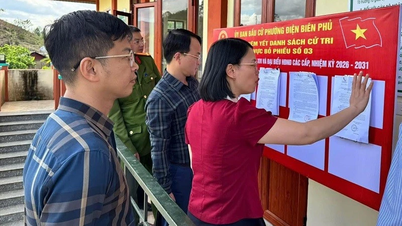
Notably, prior to the 13th National Assembly elections and the 2011-2016 People's Council elections at all levels, key figures of the "organization" in the provinces of Tuyen Quang, Cao Bang, Thai Nguyen, and Bac Kan discussed and agreed to simultaneously rebuild "funeral homes" and send letters of complaint close to the election day; creating a pretext to incite people to boycott the election, not to vote, and to write petitions demanding that the government recognize the "Duong Van Minh belief."
Unlike traditional religions, this "organization" worshipped and deified its leader, Dương Văn Mình (a figure present daily alongside his followers with all the worldly human qualities of everyone else). They believed Dương Văn Mình was the flesh-and-blood Jesus Christ, aiming to influence the masses to believe. In traditional religions, the objects of worship are always saints, transcendent figures, and those who can promote goodness, thereby uplifting people's lives ideologically.
(to be continued)
Source: https://baoquocte.vn/bai-1-vach-tran-ban-chat-cua-to-chuc-308018.html





















































Comment (0)