

- 1. Causes of constipation in menopausal women
- 2. Natural solutions to help women improve constipation.
1. Causes of constipation in menopausal women
The menopausal transition process affects each person differently, primarily due to the drop in hormones leading to a range of changes in the body. Hormonal changes can slow down digestion and cause constipation.
According to the Canadian Digestive Health Foundation (CDHF), estrogen helps maintain the diversity and balance of the gut microbiome. During perimenopause, estrogen levels fluctuate and eventually decline. Lower microbial diversity is associated with bloating, slower digestion, and poorer nutrient absorption.
Hormones also play a role in the movement of food through the intestines—a process called peristalsis. Decreased estrogen and progesterone levels can slow this process, leading to constipation and a feeling of incomplete bowel emptying. This may explain why bowel habits often change in middle age, even without changes in diet.
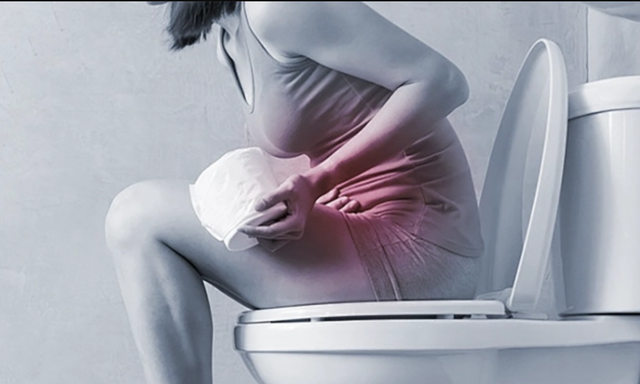
Hormonal changes can slow down digestion and cause constipation in menopausal women.
One lesser-known role of estrogen is to help regulate cortisol, a stress hormone. When estrogen decreases, cortisol levels increase. High cortisol levels in the body slow digestion, reduce bowel motility, and lead to constipation.
Decreased estrogen can cause a decrease in muscle tone, including the muscles in the pelvic floor. A weakened pelvic floor can make bowel movements more difficult.
Exercise helps regulate digestion, so a lack of physical activity is a contributing factor to constipation. During menopause, some women experience increased pain in their joints and back, limiting their mobility and hindering regular exercise.
Studies show that a sedentary lifestyle, such as sitting or lying down for long periods, can cause constipation. Sitting compresses the abdominal cavity and slows down digestion. Poor posture weakens the abdominal and pelvic floor muscles, making bowel movements more difficult.
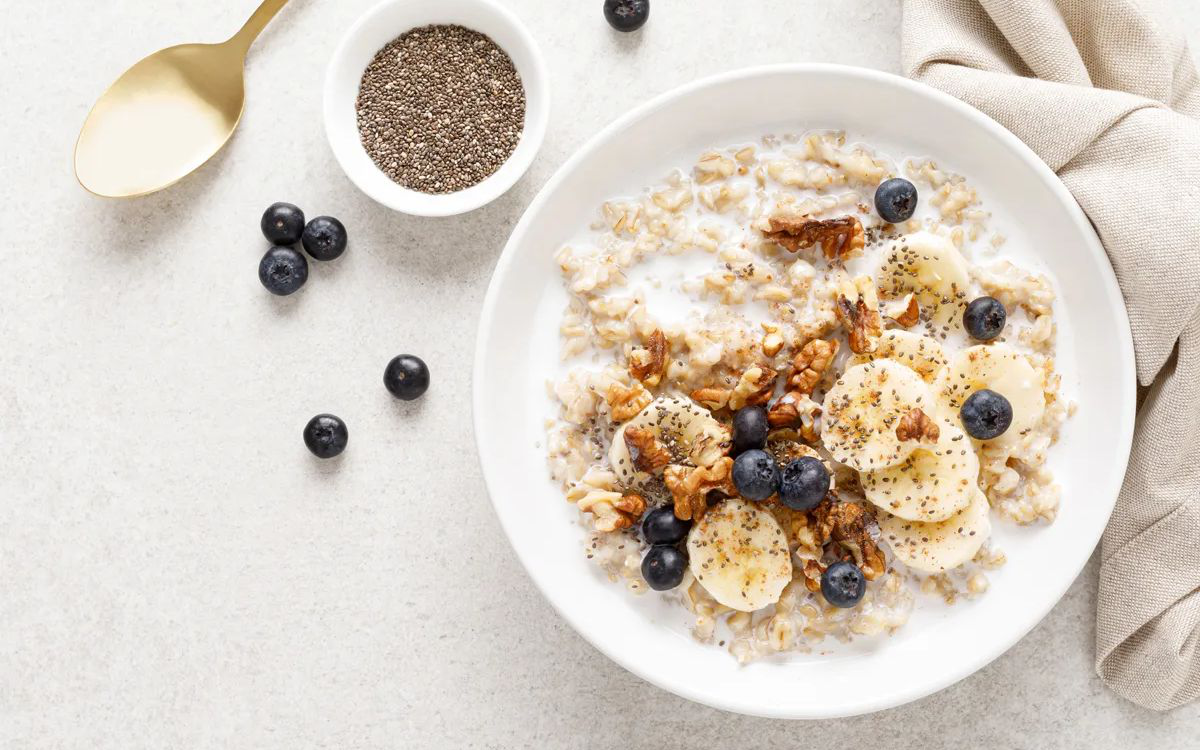
2. Natural solutions to help women improve constipation.
Increase your intake of fiber-rich foods.
According to digestive experts, a lack of fiber in the diet is one of the common causes of constipation. Therefore, increasing fiber-rich foods helps prevent and improve constipation effectively.
Here are some healthy foods rich in fiber, vitamins, and minerals that are good for people with constipation:
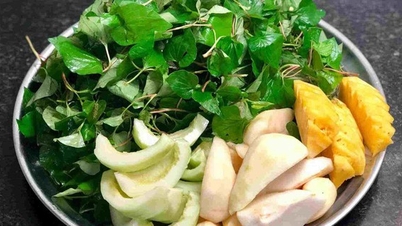
Vegetables: Broccoli, kale, spinach, cabbage, carrots, potatoes, pumpkin…
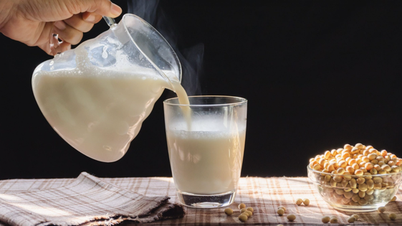
Legumes: Mung beans, soybeans, lentils, peas …
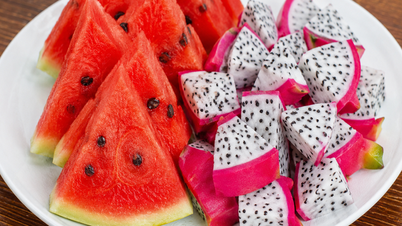
Fruits: Berries, peaches, apricots, plums, raisins, apples… are some of the best fiber-rich fruits. To get the most out of the fiber, eat them with the peel.
Whole grains such as oats, brown rice, barley, whole wheat, and quinoa are rich in nutrients, fiber, and vitamins.
Nuts such as walnuts, almonds, flax seeds, and chia seeds provide both fiber and healthy fats.
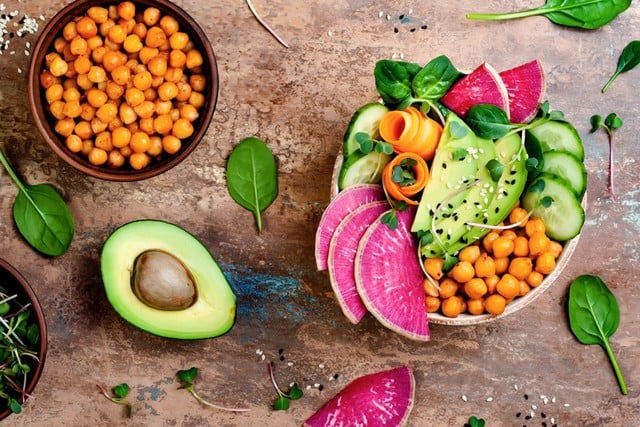
Increasing your intake of fiber-rich foods is an effective way to prevent and improve constipation.
Drinking enough water is a mandatory rule.
Drinking enough water is an important way to prevent and treat constipation. When eating a lot of fiber, you need to drink plenty of water. Water softens bowel movements and makes defecation easier. A normal adult needs to drink about 2 liters of water per day from sources such as water, broth, and fruit juice.
Exercise regularly
Exercise is an effective way to promote bowel movements. Exercise stimulates the contraction of the intestinal muscles, speeding up the movement of stool. Women in menopause should maintain a form of exercise suitable for their health condition for at least 30 minutes each day, such as walking, yoga, swimming, etc.
Regular exercise helps improve health, manage stress, and improve digestive function. Exercises Like yoga, pilates is recommended to help strengthen and tone the abdominal and pelvic floor muscles, which are crucial for digestive, bladder, and bowel function.
Source: https://suckhoedoisong.vn/vi-sao-phu-nu-man-kinh-de-bi-tao-bon-169260527113227264.htm



![[Photo] Standing Committee member of the Party Central Committee Tran Cam Tu working with the Central Inspection Committee](https://vphoto.vietnam.vn/thumb/1200x675/vietnam/resource/IMAGE/2026/05/28/1779969579668_ndo_br_bnd-2495-jpg.webp)

























































































Comment (0)