

Many motorbike users have experienced situations where, upon starting their bike for work in the morning, it won't start, the dashboard lights are dim, or the smart key malfunctions, even though the bike is relatively new. Notably, this often occurs on bikes that are used infrequently, rather than those that are ridden regularly every day.
In fact, with modern motorcycles, especially scooters that use many electronic devices, infrequent use may not necessarily be the most effective way to "maintain" the vehicle. Conversely, if the vehicle is left idle for too long, the battery can degrade faster than normal.
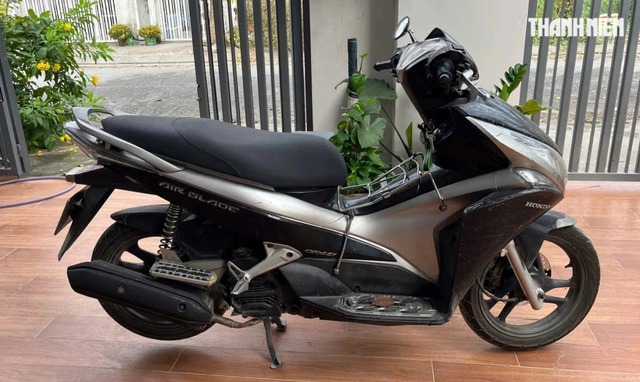
Many users wonder why motorcycles that are rarely used run out of power or have faulty batteries so quickly?
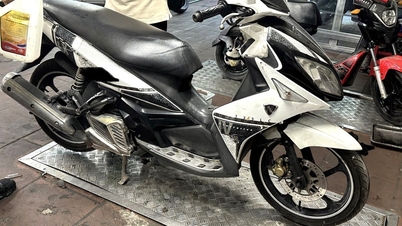
PHOTO: BA HUNG
In principle, the battery in a motorcycle not only powers the starter system but also supplies power to many other electrical devices such as the electronic speedometer, ECU, electronic fuel injection system, and smart key system. Even when the engine is off, some components remain in standby mode and continue to consume a small amount of power.
Furthermore, batteries themselves experience self-discharge over time. This is similar to how phone batteries lose capacity after a few days or weeks even when not in use. If a vehicle is parked for too long, the voltage in the battery will gradually decrease. When the voltage remains low for an extended period, the battery's ability to store and retain charge also significantly decreases. This is also why many vehicles left unused for a long time often experience weak starting problems, requiring kick-starting or sooner than expected battery replacement.
Notably, it's not just prolonged periods of inactivity; the habit of using the vehicle for short distances continuously is also a cause of premature battery failure. Many people have a habit of only driving a few hundred meters to buy groceries, have coffee, or move around the local area. This short distance means the charging system doesn't have enough time to recharge the power consumed during the starting process.
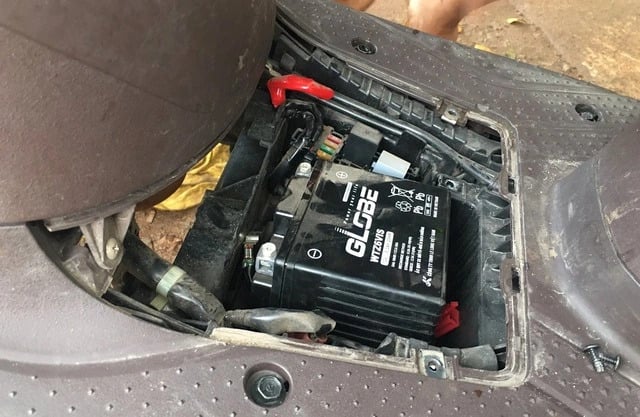
In reality, motorcycles that are used less frequently are more likely to experience battery problems than those that are used regularly.
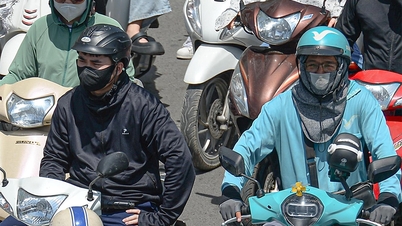
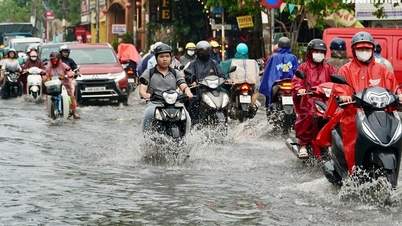
PHOTO: DINH TUYEN
On a motorcycle, each time the starter button is pressed, the battery has to supply a considerable current to the starter motor. After the engine starts, the charging system begins to compensate for the lost power. However, if the motorcycle only runs for a few minutes before shutting down, the amount of recharged power is often insufficient. This situation repeats many times, causing the battery to constantly be undercharged. In the long run, the internal electrodes are prone to "sulfation" (the formation of sulfate crystals that reduce the battery's ability to receive and store charge). Even with recharging, the battery may not fully recover and will quickly become undercharged again.
Another common mistake many users make is thinking that simply idling the engine for a few minutes is enough to charge the battery. In reality, the charging system is less efficient at idle than when the vehicle is running smoothly on the road. Therefore, simply idling for short periods usually doesn't do much good for the battery.
Besides usage, weather conditions in Vietnam also contribute to faster battery degradation. High ambient temperatures accelerate chemical reactions inside the battery, thereby speeding up the aging process. If the vehicle is frequently parked in direct sunlight or in hot environments, the battery's lifespan can be significantly reduced.
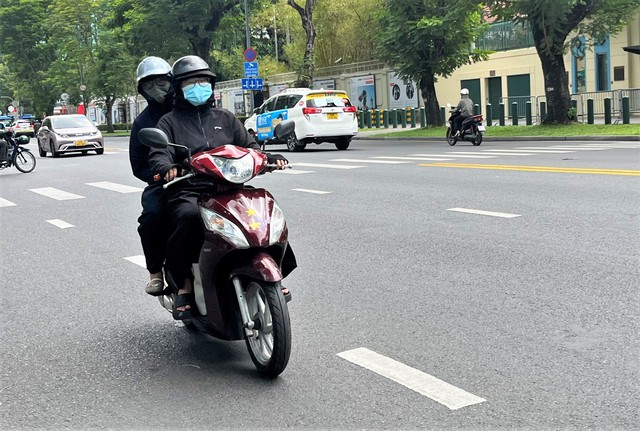
To extend battery life, users should maintain a regular driving routine.
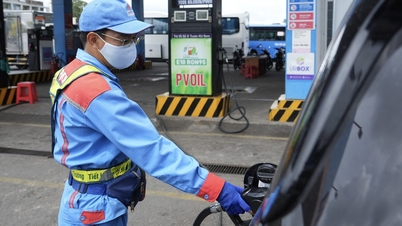
PHOTO: DINH TUYEN
Newer scooter models are more prone to battery-related problems than older manual transmission motorcycles. This is because they are equipped with more electronic devices, including smart keys, electronic fuel injection systems, and numerous control sensors. When the battery voltage drops, the vehicle is more likely to experience problems such as difficulty starting, system errors, or unstable smart key operation.
Additionally, installing power-consuming accessories such as auxiliary lights, modified horns, dashcams, or high-power phone chargers can overload the electrical system if not properly planned.
According to automotive technicians, to extend battery life, users should maintain a regular driving routine instead of leaving the vehicle idle for too long. If used infrequently, it's advisable to start and run the vehicle for at least 15-20 minutes each week to allow the charging system sufficient time to function. Additionally, avoid driving short distances repeatedly, and regularly check the charging system and battery condition. For vehicles that are left idle for extended periods, users can disconnect the negative battery terminal or use a maintenance charger to prevent further voltage drop.
Source: https://thanhnien.vn/vi-sao-xe-may-it-di-lai-nhanh-hong-binh-ac-quy-185260522063548302.htm
![[Photo] Ba Lang An Lighthouse - the "eye of the sea" amidst the "rock museum" of Quang Ngai province.](https://vphoto.vietnam.vn/thumb/1200x675/vietnam/resource/IMAGE/2026/05/29/1780038698840_anh-man-hinh-2026-05-29-luc-14-10-42.png)




![[Image] Pleasant weather helps students enter the 10th grade entrance exam with confidence.](https://vphoto.vietnam.vn/thumb/1200x675/vietnam/resource/IMAGE/2026/05/29/1780034401612_ngay-1-thi-lop-10-minh-duy-8-5009-jpg.webp)

























































































Comment (0)