

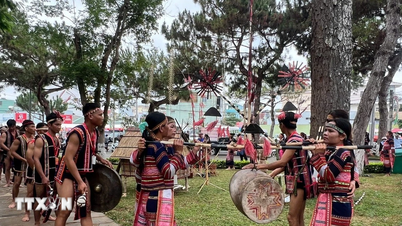
Contributing to the traditional cultural identity of the ethnic minority communities in Kon Tum , and blending with the captivating melodies of gongs and drums in festivals, there are many alluring and enchanting Xoang dances. At village festivals or family celebrations, the Xoang dance is lively and boisterous; however, during funerals or times of illness, the Xoang dance becomes slow and somber.
In her small kitchen, the distinguished artisan Y Der from Kon Sơ Tiu village (Ngọc Réo commune, Đăk Hà district) brightened up when asked about the traditional dance of the Tơ Đrá people in the Ngọc Wang mountain region. While leisurely explaining, she occasionally stood up and enthusiastically illustrated the dance with hand gestures and foot movements. The "New Rice Celebration" dance alone, though not long, encapsulates many lively movements and poses, mimicking daily activities related to the production process, from cutting trees and clearing land, tilling the soil, sowing seeds, to weeding, chasing birds, and threshing rice…
|
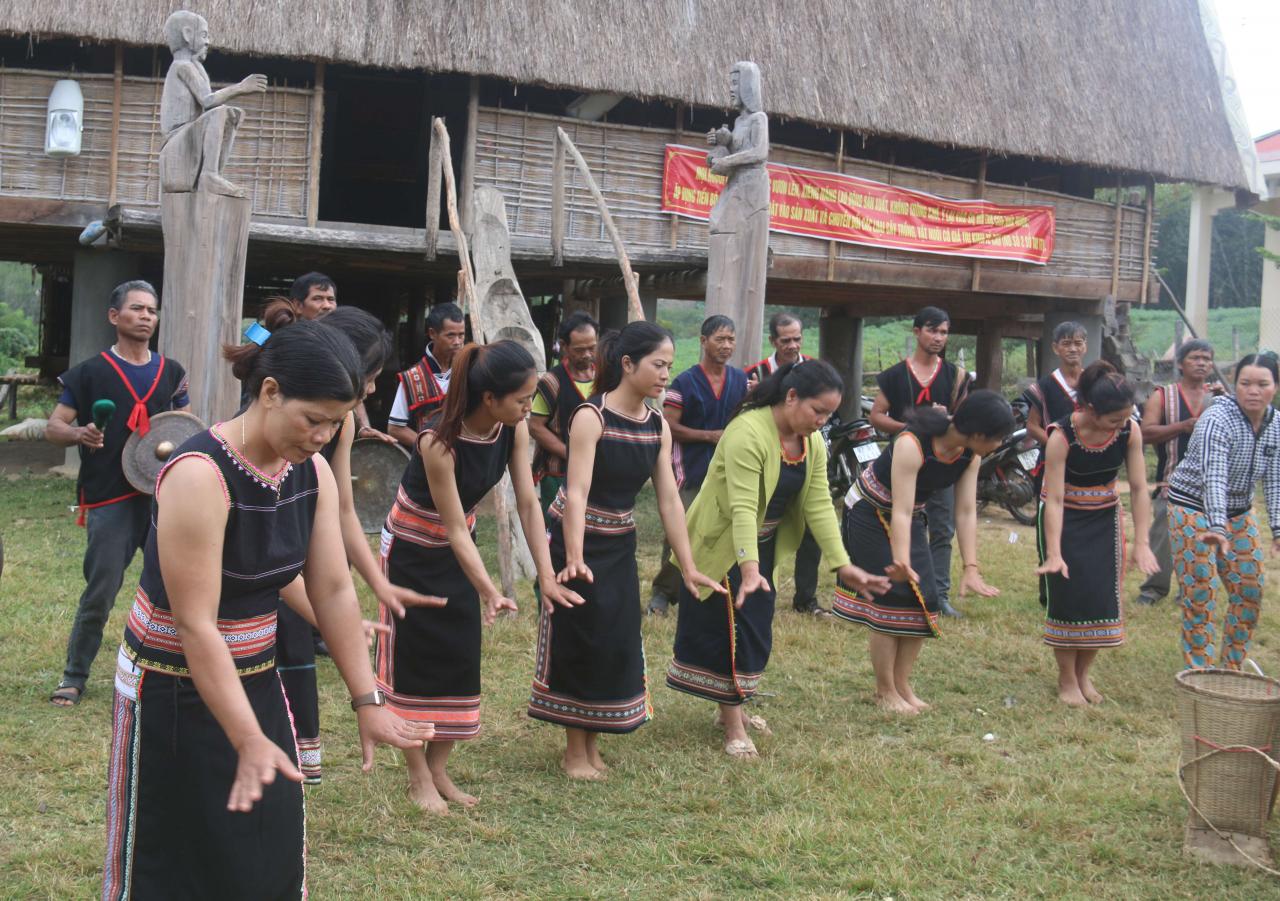
According to Ms. Y Der, the unique and distinctive features of the Xơ Đăng and other ethnic minority groups (Gié Triêng, Ba Na, Gia Rai, etc.) in the Northern Central Highlands can only be truly appreciated when harmonizing with the rhythm of the gongs and drums, and are recognized, first and foremost, by one's own community. Perhaps this is the very soul of the gong and drum dance of each ethnic group and community; the heartfelt sentiments that each community and ethnic group has instilled in their ancient cultural roots, which, through countless joys and sorrows, happiness and hardship, the people are determined to preserve for generations to come.
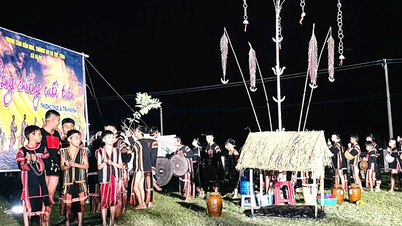
I still remember the nights when young and old men and women in Ba Rgốc village (Sa Sơn commune, Sa Thầy district) gathered together, diligently practicing to organize the Gia Rai people's peace-seeking ceremony. According to Ms. Y Tưng, a lover of the traditional dance here, it was all arranged by Yàng (the supreme deity) from ancient times. While gongs and traditional musical instruments (commonly t'rưng, ting ning, large drum, small drum, etc.) are for men, the traditional dance is reserved for women. During festivals and celebrations, gongs and the traditional dance are like brothers and sisters, like lovers who are never apart.
It is impossible to perform gongs and other traditional musical instruments without accompanying xoang dances, just as it is impossible to spontaneously join a xoang dance circle without the harmonious sounds of gongs. Whether in times of sadness or joy, grand celebrations or small ceremonies, gongs and xoang dances are inseparable. When gongs are honored as an intangible cultural heritage of humanity, it also implicitly includes the quiet and subtle contribution of these simple yet captivating, unpretentious yet unique xoang dances.
|
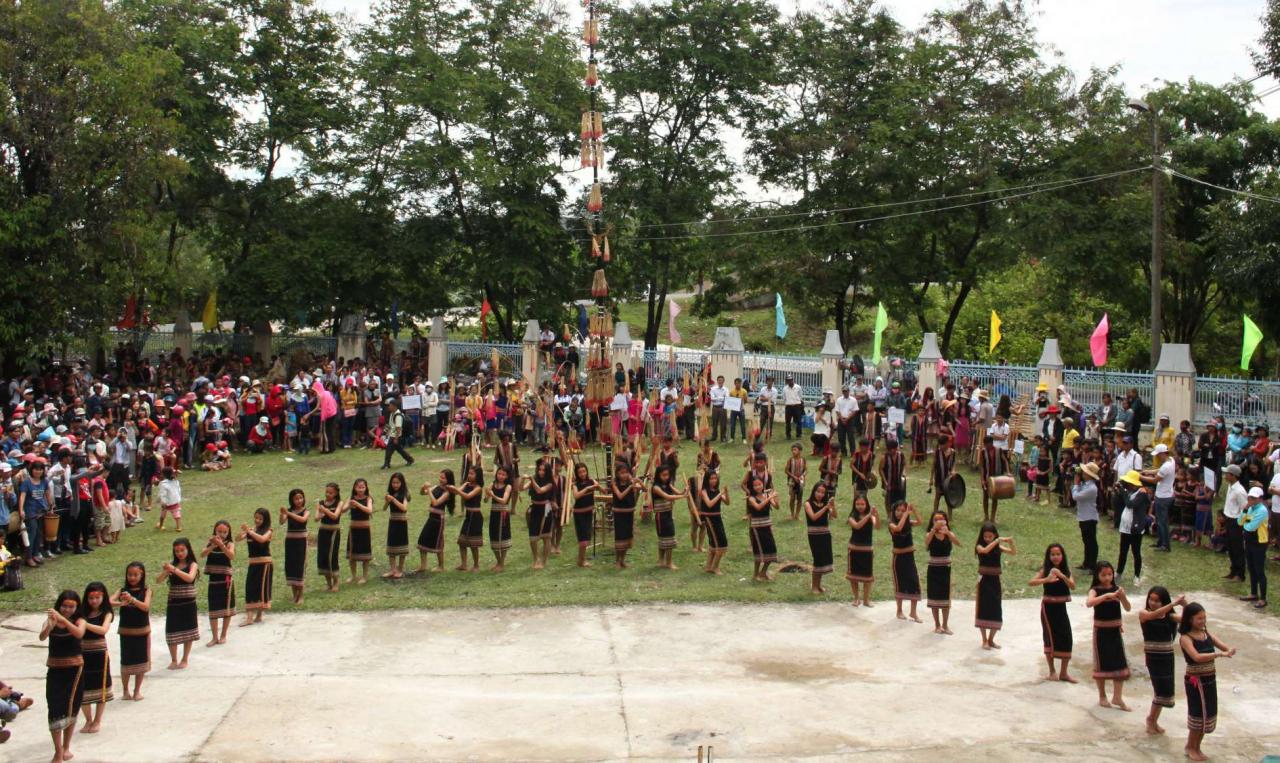
Therefore, according to artisan Y Nhien, a Trieng person from Dak Rang village (Dak Duc commune, Ngoc Hoi district), since ancient times, not every household owned a complete set of gongs and drums. Boys only learned to play the gongs when they were old enough (around twelve or thirteen). Girls could become familiar with the rhythm of the xoang dance by the age of seven or eight. As if it were ingrained in their breath from birth, learning xoang is not difficult. The xoang dancer always keeps their back straight and shoulders balanced, while their hands and feet move continuously in a rhythmic and graceful manner. When they reach a point where simply hearing the sound of gongs and drums causes them to bounce their feet, swing their arms, and sway their bodies… then the xoang dance has truly become ingrained in them.
Having become familiar with the art of sinusitis since childhood, and through the passage of time and participation in numerous festivals and cultural events, the women's sinuses have become more graceful, mature, captivating, and alluring. Almost every girl in the village knows about sinusitis, but only a few are recognized as "skilled or excellent sinusists" capable of teaching others. Following in the footsteps of their mothers, grandmothers, sisters, and aunts, they diligently practice and teach their daughters and nieces.
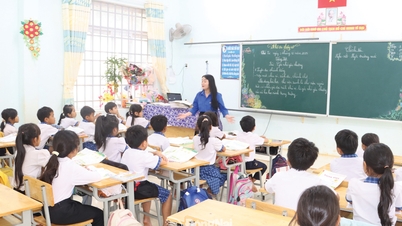
Proud of the beauty of the gong and xoang dance of the Ba Na ethnic group, artisan Y Hanh in Kon Klor village (Thang Loi ward, Kon Tum city) recognizes that: A beautiful and effective xoang dance is one with outstanding ideas, a clear structure, and rich, flexible movements performed uniformly. From the model of ancient xoang dances, later generations of women have created many new movements and xoang dances, connected to daily life; contributing to making the xoang dances in festivals and performances richer, more vibrant, attractive, and fresher. In conjunction with efforts to introduce gong and xoang dance into schools, many xoang dances with themes such as "going to school," "happy to go to school," "I study hard," and "friendship"... all flexibly utilize rhythmic, energetic movements, mimicking activities like sitting in class, studying, exercising, playing in the schoolyard, etc.
Thanh Nhu

































![[Infographics] Resolution No. 79-NQ/TW of the Politburo on the development of the state-owned economy](https://vphoto.vietnam.vn/thumb/402x226/vietnam/resource/IMAGE/2026/01/10/1768038914679_chp_3-11-23.jpeg)





























Comment (0)