

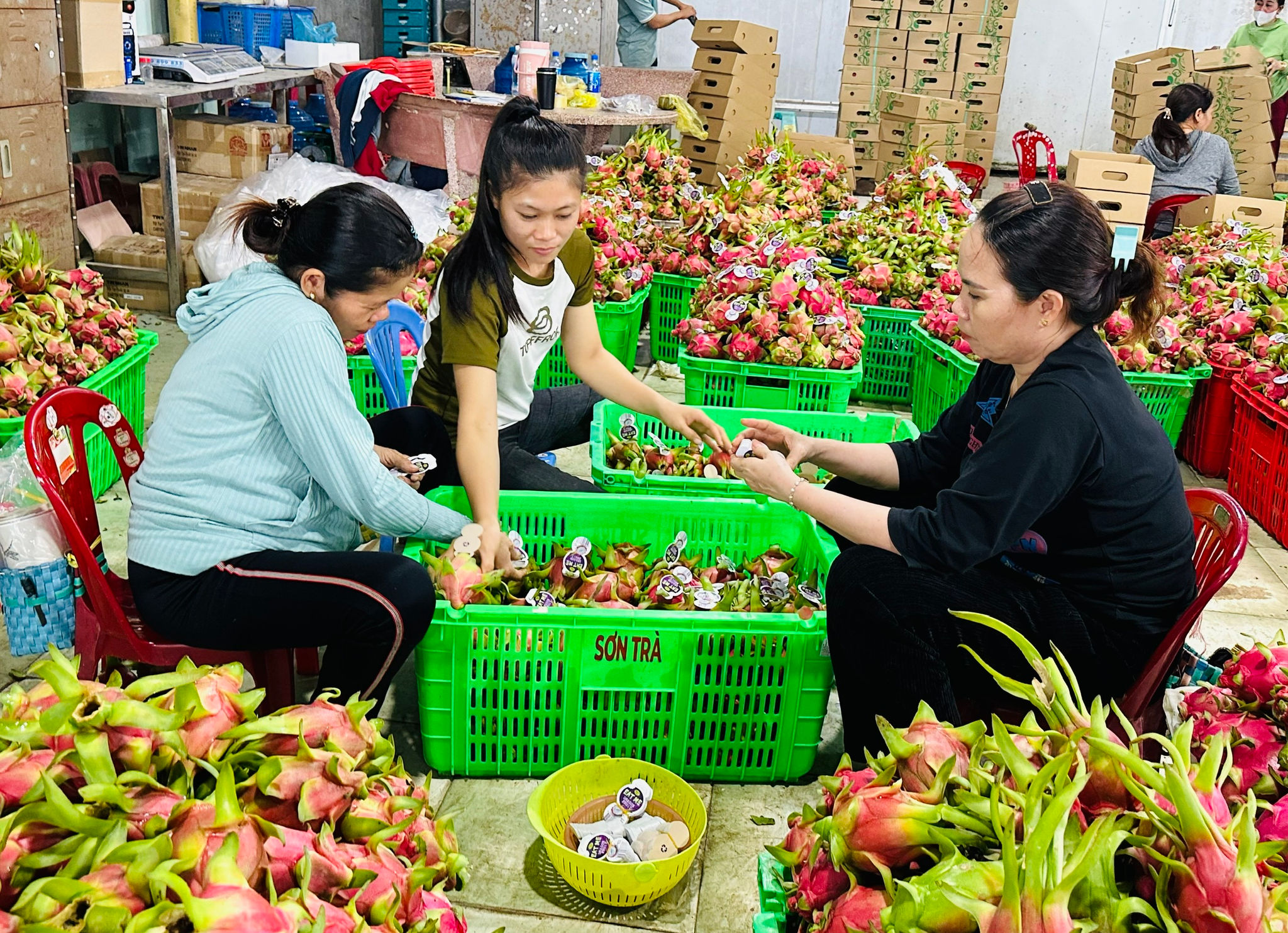
Strict import markets
In recent years, this agricultural sector has faced numerous difficulties and challenges. These include unstable market prices and limited linkages between production and consumption chains. Meanwhile, the requirements of importing markets are becoming increasingly stringent. Furthermore, the management of planting area codes and packaging facilities faces significant pressure, and the control of pesticide residues and traceability in some areas does not fully meet requirements. This poses a potential risk to product quality and the export reputation of the locality.
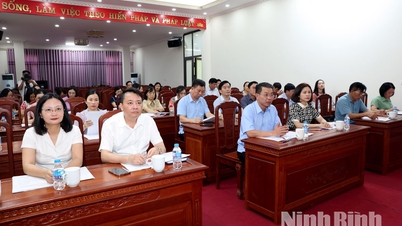
So what are the solutions for the sustainable development of the dragon fruit industry in Lam Dong province? This was also the topic discussed by the Department of Agriculture and Environment, along with specialized agencies, scientists, and dragon fruit growers at a related workshop recently held in the southeastern region of the province.
Here, one of the issues of interest to dragon fruit growers and businesses is Decree No. 280, issued by the General Administration of Customs of China (GACC), which regulates the registration management of foreign food manufacturing enterprises importing into China and will take effect from June 1, 2026 (replacing Decree No. 248).
Mr. Dinh Duc Hiep - National Notification and Inquiry Point on Sanitary and Phytosanitary Measures (SPS Vietnam), under the Ministry of Agriculture and Environment, emphasized: Compared to current regulations, Decree No. 280 has several points to note, including a flexible registration mechanism based on risk; and a list of products that require introduction by competent authorities, comprising 17 product groups that must have a letter of introduction from the competent authority...
The positive aspect of Decree No. 280 is that it does not affect businesses that have already been granted registration codes. At the same time, some issues have been resolved, such as the automatic renewal mechanism for registration for most product groups (except for meat and bird's nest products). This decree also clarifies the validity conditions of registration upon import. According to Mr. Hiep, overall, this can be considered a more trade-facilitation measure compared to Decree No. 248.
The Vietnam SPS Office recommends that management agencies from the central to local levels strengthen information dissemination, training, and guidance to businesses on import regulations and technical standards of China. They should enhance inspection, supervision, and support businesses in establishing supply chain monitoring mechanisms. Furthermore, they should strengthen post-inspection and strictly handle violations to reduce the risk of warnings from importing countries. In addition, management agencies should proactively exchange technical information with China to remove barriers and handle violating shipments…
It is necessary to proactively adapt to new regulations of importing countries, especially regarding plant quarantine and food safety, and overcome barriers to ensure the sustainable development of dragon fruit in Lam Dong.
Mr. Vu Dinh Cuong - Deputy Director of the Department of Agriculture and Environment
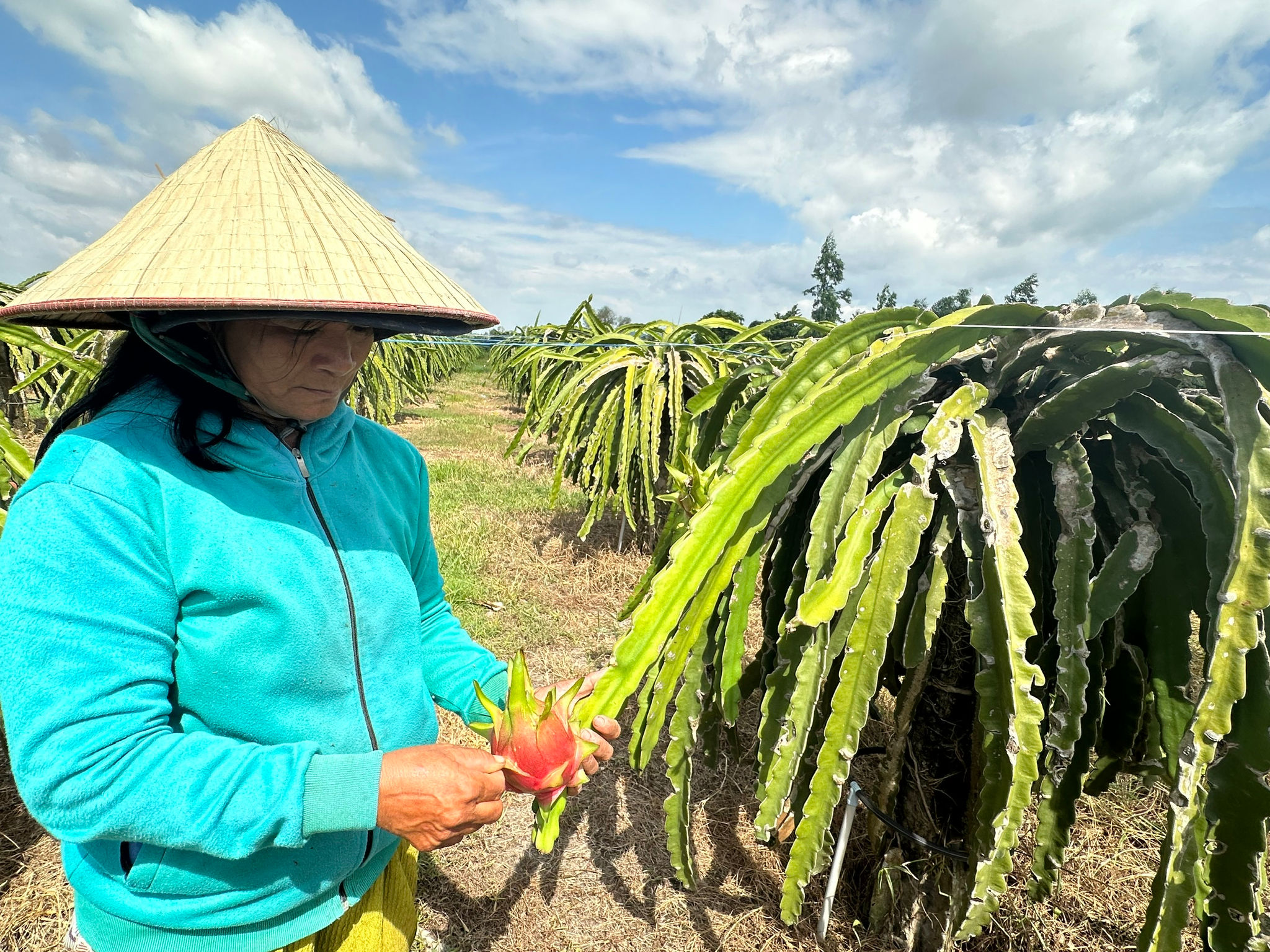
We need to change our production mindset.
In the context of numerous technical barriers from importing countries, the Vietnam SPS Office is currently guiding businesses and food production facilities in registering export codes to the Chinese market. Furthermore, it outlines regulations of several importing markets, including those for dragon fruit that prevent the spread of dangerous pests and avoid risks at the port of arrival. For farmers, when cultivating, they need to carefully consider the use of pesticides, ensuring safety, compliance with import standards, and adherence to market regulations.
According to Mr. Huynh Canh, Chairman of the Binh Thuan Dragon Fruit Association: It's time for dragon fruit growers to change their mindset from "producing what they have" to "producing what the market needs." Dragon fruit production must be linked to consumption contracts and follow market demand. In 2026, the association aims to diversify markets, reduce dependence on the Chinese market to below 55% of production, and increase market share in the US, EU, Japan, South Korea, the Middle East, and India. Along with that, they aim to increase the area of production meeting GlobalGAP and international standards, and encourage businesses to promote deep processing to extend shelf life…
Regarding proposed solutions for sustainable dragon fruit development, Mr. Vu Dinh Cuong, Deputy Director of the Department of Agriculture and Environment, stated: “In the coming time, the provincial Department of Agriculture and Environment will continue to closely coordinate with localities and units to review and strictly manage planting area codes and packaging facility codes; and strengthen inspection and supervision of maintaining export conditions according to the regulations of importing markets.”
At the same time, the agricultural sector is stepping up efforts to guide people in applying safe production processes according to VietGAP, GlobalGAP, and organic standards; strengthening the use of electronic logs, traceability, and applying digital transformation in agricultural production. In addition, it is enhancing market information, promoting trade, and expanding domestic and export markets.
The province has 25,800 hectares of dragon fruit, with a planned production of approximately 577,570 tons in 2026. In the first few months of 2026, the province's dragon fruit exports reached 231,000/577,000 tons. The main export market for Lam Dong's dragon fruit is China, accounting for 70%.
Source: https://baolamdong.vn/vuot-rao-can-de-xuat-khau-thanh-long-ben-vung-442857.html

![[Image] Close-up view of the interchange connecting the two expressways and Long Thanh Airport.](https://vphoto.vietnam.vn/thumb/1200x675/vietnam/resource/IMAGE/2026/05/25/1779703378210_ndo_br_z7863716673926-224453a31600126cce10622af6290afd-4549-jpg.webp)


![[Image] Hanoi's urban life under the challenge of a "scorching hot" environment](https://vphoto.vietnam.vn/thumb/1200x675/vietnam/resource/IMAGE/2026/05/25/1779706979265_nang-nong-t5-2026-minh-duy-7-4636-jpg.webp)























































































Comment (0)