

Warm Homes from the National Target Program 1719
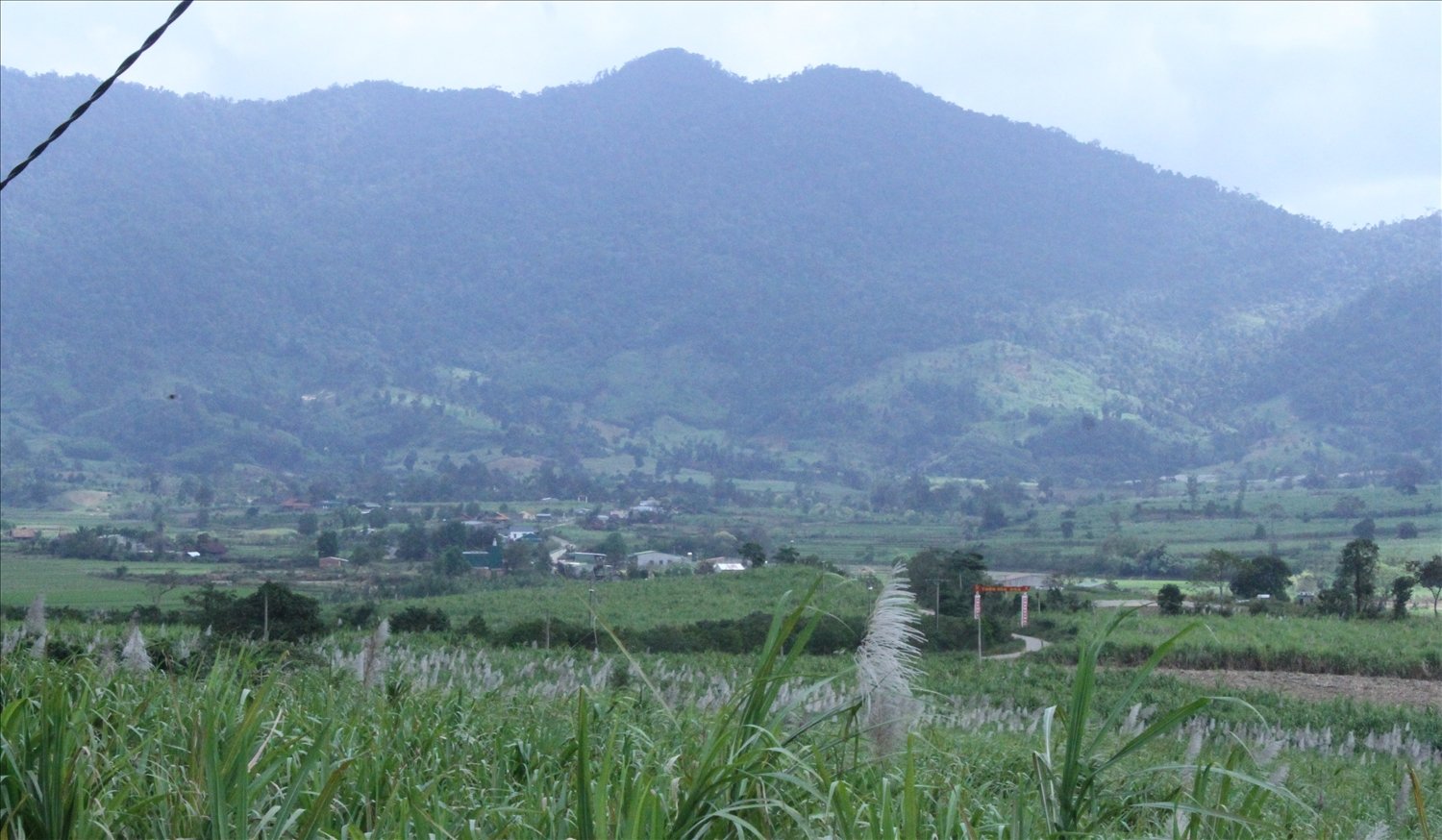
Located 30km from the center of Ea Kar district, Cu Prong commune nestles at the foot of the majestic Cu Prong mountain, bordering M'Drắk district. The commune is home to 12 ethnic groups living in 9 villages and hamlets, with 1,168 households and 4,987 inhabitants, of which ethnic minorities account for 80%, mainly ethnic groups from the North who have migrated to live there.
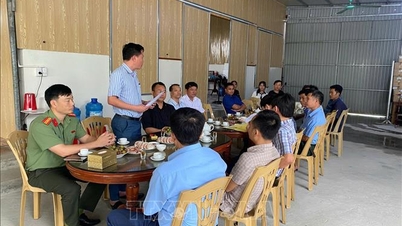
The smooth, clean concrete road leading into M'um village was recently constructed with funding from the National Target Program for Socio -Economic Development of Ethnic Minority and Mountainous Areas for the period 2021-2030 (referred to as National Target Program 1719). Sharing his joy with us, Mr. Hoang Quoc Viet, Vice Chairman of the People's Committee of Cu Prong commune, said: "The government has invested in beautiful roads, upgraded irrigation works, built houses, and supported livelihoods for the people, opening up new opportunities for people to develop their economy and improve day by day."
Buôn M'um, in Cư Prông commune, has 47 households and 209 inhabitants, mainly of the Ê Đê ethnic group. With limited arable land and unfavorable natural conditions, the lives of the people in Buôn M'um are very difficult. Currently, the village has 28 poor households, 9 near-poor households, many without housing, and lacking the means of production to develop their economy.
Mr. Y Dem Mlô, head of M'um village, said: "M'um village is the most remote area in the commune, located deep in the valley, isolated from the commune center. Implementing the National Target Program 1719, in 2023, M'um village had 5 households supported with housing construction under Project 1, and 11 households supported with breeding cows under Sub-project 2, Project 3. Several sections of roads were repaired and renovated, changing the appearance of the village and making it brighter. This practical support from the State is a driving force for poor households to rise up, gradually develop their economy, and stabilize their lives."
For 10 years since getting married, H'Rên Niê (35 years old) and her husband have lived with her parents and siblings in an old, cramped stilt house, making daily life inconvenient. H'Rên recounted: "When we got married, my parents gave us a small plot of land for growing cassava and one sao (approximately 1000 square meters) of rice paddies. But the land was poor, the crop yield was low, and the income was unstable. We struggled to make ends meet, so I never dared to dream of having a decent house. Now, with the government's support in building such a spacious and sturdy house, my husband and I feel more motivated to strive for a better life, work with peace of mind, focus on economic development, and provide our children with a proper education."
"For me, it's a great happiness, the dream of a home that my husband and I have longed for for so many years. My family is grateful to the State, all levels of government, and local authorities for supporting my family with housing," H'Rên Niê expressed.
Moving into their new home, the family of Mr. Hoang Van Tinh from Ha Long village was overjoyed. Mr. Tinh said: "When my family came here to start a new life, we had little arable land, mainly growing sugarcane and cassava, which depended on the weather. Yields varied from year to year, making it difficult to make ends meet and send our children to school, so building a house was something my wife and I put off. Now that the government has provided us with a house, my wife and I can work with peace of mind, focus on developing our economy, and quickly escape poverty."
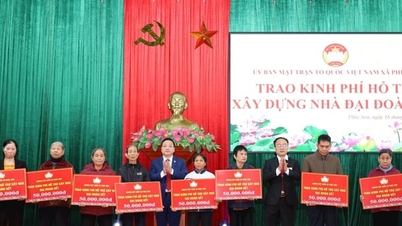
Under Project 1 of the National Target Program 1719, in 2023, the commune built 36 houses for poor ethnic minority households. To date, all houses have been completed and are being used by the people.
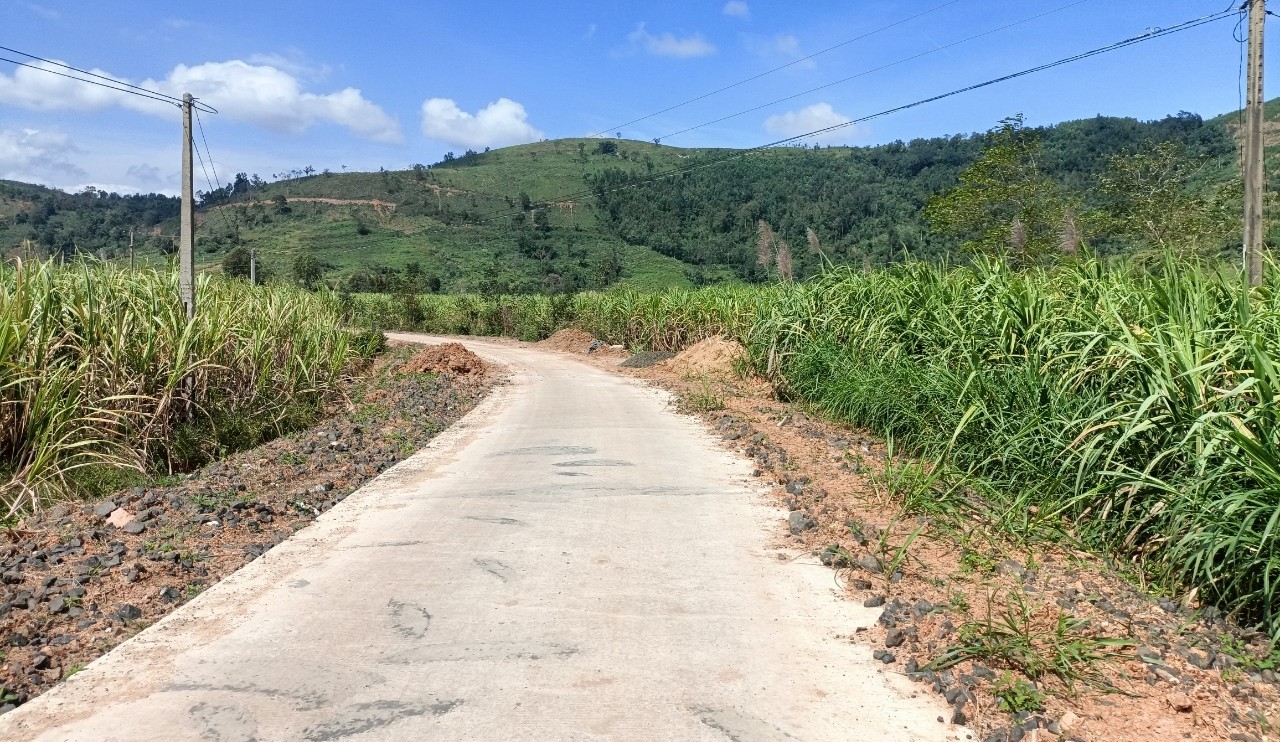
Poor communes are thriving.
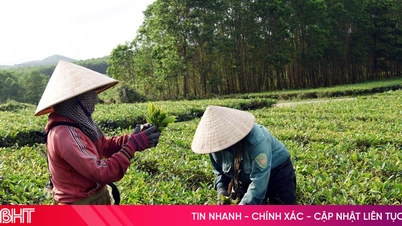
Cu Prong is a particularly disadvantaged commune. The main source of income for its residents is agriculture , but the limited arable land and unfavorable farming conditions have resulted in significant hardship for the people. The poverty rate is high, with 23% of households in the commune classified as poor and 9.4% as near-poor. However, funding from projects under the National Target Program 1719 has provided impetus for Cu Prong to improve its appearance and raise the living standards of its people.
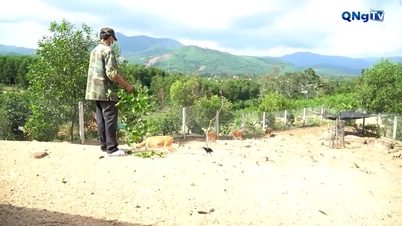
Having recently received support for breeding cows under Sub-project 2, Project 3 on supporting production along the value chain, Ms. Hoang Thi Tuyet's family in Hamlet 6a, Cu Prong Commune, received one cow and assistance in building a barn, with a total cost of over 21 million VND. Ms. Tuyet shared: "My family only has a few acres of sugarcane land, harvested only once a year, and the prices are unstable, so we've never been able to escape poverty. With the government's support for breeding cows, barn construction, and guidance on care techniques from the commune's agricultural officials, it's a foundation that will help my family develop livestock farming and gradually escape poverty."
According to the report, in 2023, the commune provided cattle and supported the construction of livestock shelters for 50 poor and near-poor ethnic minority households in 5 villages and hamlets with a budget of 1 billion VND; maintained and repaired 2 community houses with a total budget of 650 million VND; and completed 2 transportation projects with a budget of nearly 4 billion VND. In addition, the commune implemented programs to promote gender equality and improve public health care, etc.
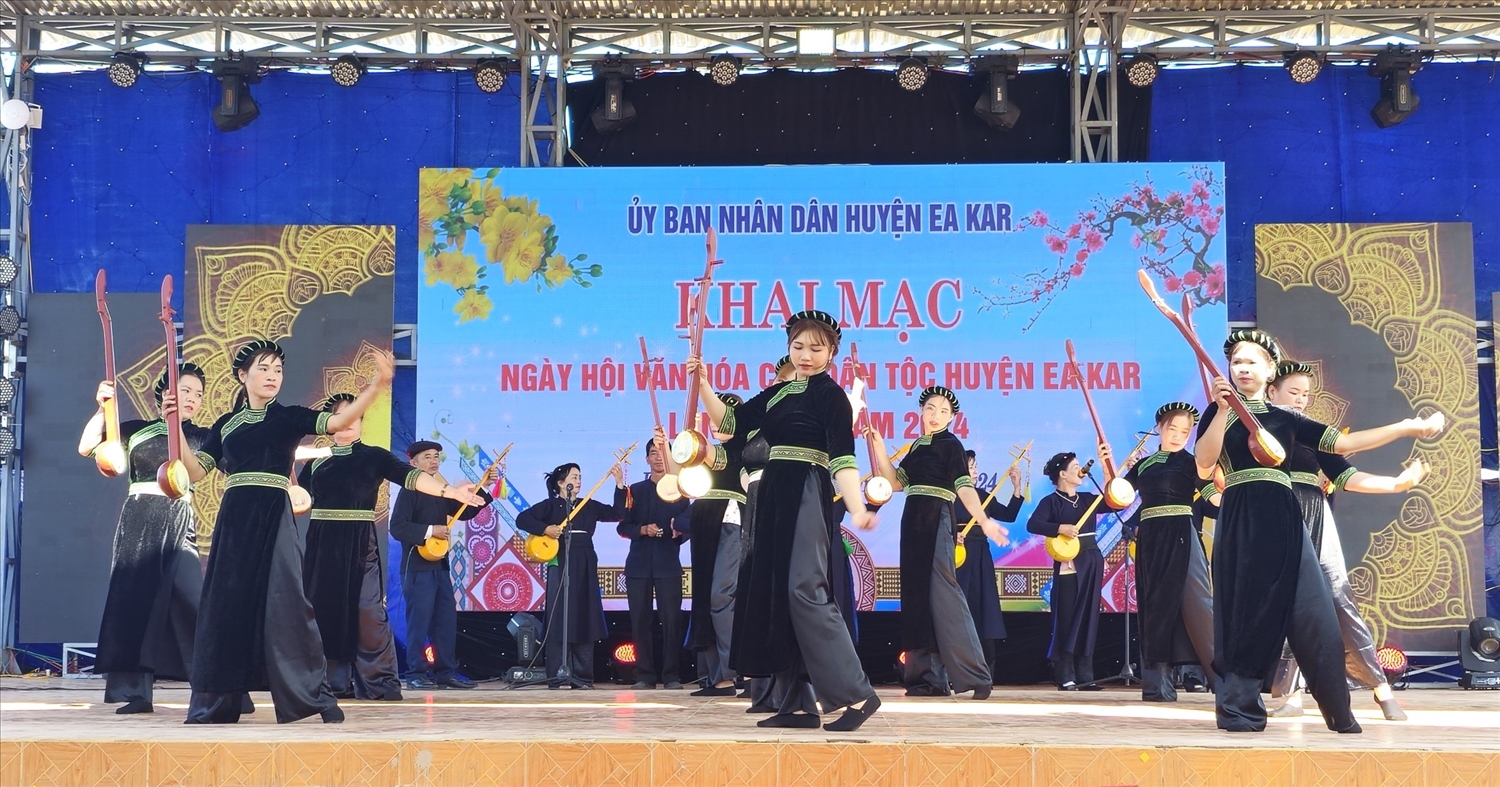
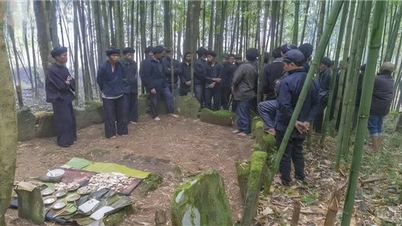
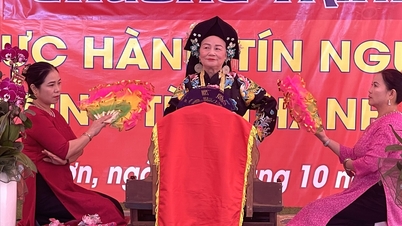
In addition to socio-economic development, Cu Prong commune also pays great attention to the preservation and promotion of the cultural identity of ethnic groups, especially the Nung ethnic culture.
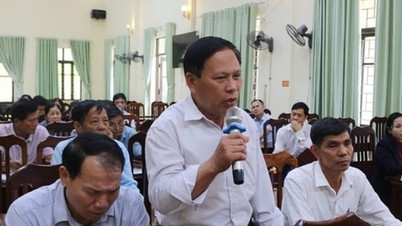
Sharing with us, Vice Chairman of the People's Committee of Cu Prong Commune, Hoang Quoc Viet, emphasized: "These results are the effort of the entire political system, from the province to the villages and hamlets. The full and timely implementation of policies has helped the poor reduce difficulties, create conditions for increasing income, and improve family life. Infrastructure serving production and people's lives has been gradually improved and enhanced, and the transfer and application of science and technology into production has been given attention."
Importantly, the awareness of a segment of the poor has gradually improved, leading them to voluntarily change their production practices and mindset, and actively learn and apply scientific and technical methods to production.
Source

![[Photo] Prime Minister Pham Minh Chinh receives the Governor of Tochigi Province (Japan)](/_next/image?url=https%3A%2F%2Fvphoto.vietnam.vn%2Fthumb%2F1200x675%2Fvietnam%2Fresource%2FIMAGE%2F2025%2F12%2F16%2F1765892133176_dsc-8082-6425-jpg.webp&w=3840&q=75)
![[Photo] Prime Minister Pham Minh Chinh receives Lao Minister of Education and Sports Thongsalith Mangnormek](/_next/image?url=https%3A%2F%2Fvphoto.vietnam.vn%2Fthumb%2F1200x675%2Fvietnam%2Fresource%2FIMAGE%2F2025%2F12%2F16%2F1765876834721_dsc-7519-jpg.webp&w=3840&q=75)

![[Live] 2025 Community Action Awards Gala](/_next/image?url=https%3A%2F%2Fvphoto.vietnam.vn%2Fthumb%2F1200x675%2Fvietnam%2Fresource%2FIMAGE%2F2025%2F12%2F16%2F1765899631650_ndo_tr_z7334013144784-9f9fe10a6d63584c85aff40f2957c250-jpg.webp&w=3840&q=75)
![[Image] Leaked images ahead of the 2025 Community Action Awards gala.](/_next/image?url=https%3A%2F%2Fvphoto.vietnam.vn%2Fthumb%2F1200x675%2Fvietnam%2Fresource%2FIMAGE%2F2025%2F12%2F16%2F1765882828720_ndo_br_thiet-ke-chua-co-ten-45-png.webp&w=3840&q=75)






































































Comment (0)