

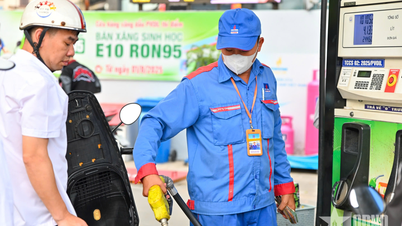
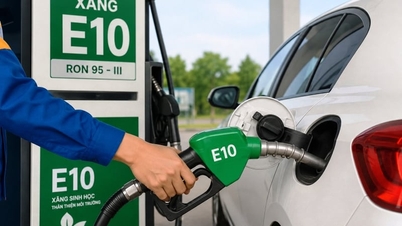
Over the past two decades, E10 bioethanol has transformed from an experimental solution into a widely used fuel in many countries around the world. According to data from the Ministry of Industry and Trade, citing the International Energy Agency (IEA), more than 60 countries now have mandatory ethanol blending policies, with E10 being the most common blend.
This trend is driven by three main objectives: ensuring energy security, reducing greenhouse gas emissions, and supporting the agricultural sector. In many countries, E10 is no longer just an "alternative fuel," but has become the benchmark standard for the fuel market.
Most notably, the US model stands out, where E10 accounts for over 95% of the gasoline market share. The US produces approximately 60 billion liters of ethanol annually, forming a large and comprehensive biofuel market.
The US success stems from a comprehensive policy system, including the Renewable Fuel Standards (RFS), tax subsidy mechanisms, and mandatory blending obligations. According to the Ministry of Industry and Trade, this is valuable experience for Vietnam in building a clear legal framework, while combining market mechanisms and financial support to promote E10 consumption.
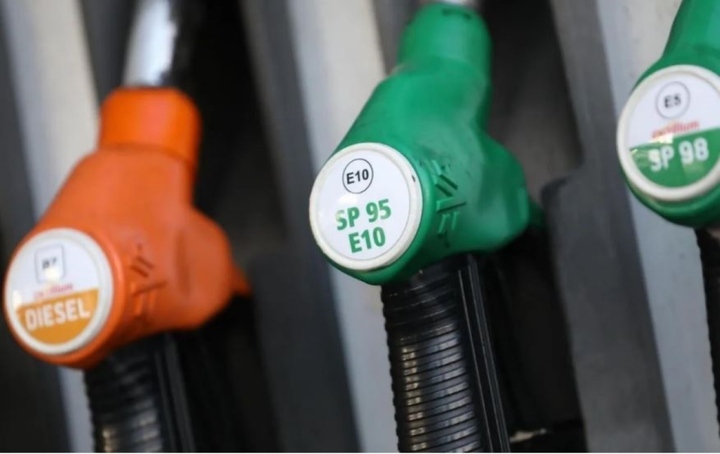
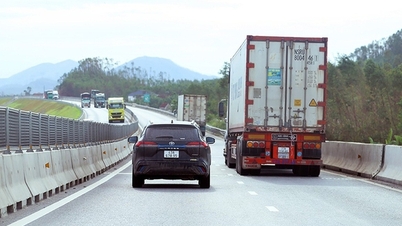
Many major economies view E10 as a fundamental step in their roadmap to reducing transportation emissions. (Illustrative image)
In the European Union (EU), the RED II regulation requires a minimum of 14% renewable energy in transport, making E10 a standard in many countries such as Germany and France. The EU also applies flexible technical regulations and carbon certification systems to support the clean fuel transition.
In Southeast Asia, Thailand is considered the closest case to Vietnam. The country has phased out RON91 gasoline and completely replaced it with E10. The successful implementation is attributed to the lower price of E10 compared to traditional gasoline, along with stable and consistent management policies over a long period.
Based on international experience, the Ministry of Industry and Trade believes that for the successful implementation of E10, Vietnam needs to simultaneously meet several conditions. These include clear and mandatory legal policies; flexible technical standards; sufficiently strong financial incentives to support businesses and consumers; and a competitive pricing structure for E10 in the market.
According to the Ministry of Industry and Trade, the key lies in having policies strong enough to change market behavior, thereby making E10 a widely used fuel, similar to what the US and many other countries have done.
Source: https://vtcnews.vn/xang-e10-chiem-hon-95-thi-phan-tai-my-ar1020309.html




![[Photo] Standing Committee member of the Party Central Committee Tran Cam Tu working with the Central Inspection Committee](https://vphoto.vietnam.vn/thumb/1200x675/vietnam/resource/IMAGE/2026/05/28/1779969579668_ndo_br_bnd-2495-jpg.webp)


















































































Comment (0)