

The new engine is fully compatible with E10.
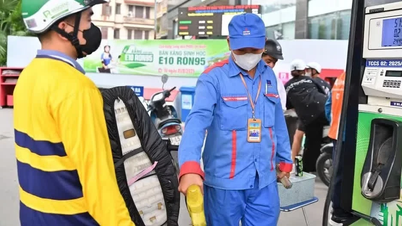
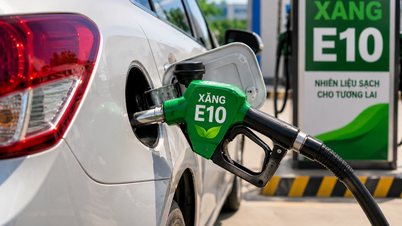
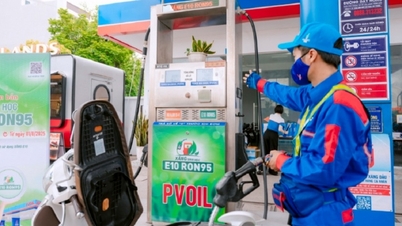
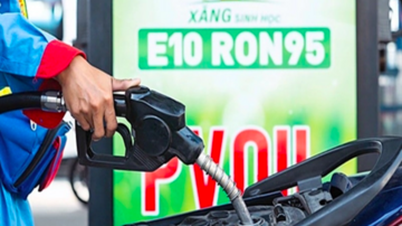
From June 1st, E10 bioethanol fuel will officially be distributed nationwide according to the roadmap stipulated in Circular No. 50/2025/TT-BCT of the Ministry of Industry and Trade . Prior to the implementation, many opinions on social media expressed concerns about the compatibility of E10 fuel with car and motorcycle engines, even though E10 and even E20 bioethanol fuels have been used for many years in developed countries such as the US, Brazil, Europe, and Thailand.
According to Mr. Bui Ngoc Bao, Chairman of the Vietnam Petroleum Association, most major automobile manufacturers, through the Vietnam Automobile Manufacturers Association (VAMA), have officially sent documents to the Ministry of Industry and Trade confirming their willingness to use E5 and E10 bioethanol fuels.
"Most vehicles manufactured from around 2010 onwards are suitable for using E10 gasoline. In fact, the fuel tank caps of many car models clearly indicate the appropriate specifications such as RON 91, RON 95, or bioethanol fuels like E5, E10, and even E20," Mr. Bao emphasized.

Sharing the same view, Mr. Nguyen Manh Thang - administrator of the Oto+ forum - commented that most cars in Vietnam, belonging to Japanese, Korean, American, and European brands, are manufactured according to global standards - where biofuels have been used for a long time.
With newer motorcycles, the electronic fuel injection (EFI) system and the control unit (ECU) are capable of automatically adjusting the fuel and air-fuel mixture to adapt to the characteristics of ethanol, so users don't need to worry too much.
A key point that Mr. Bui Ngoc Bao noted is that consumers often only pay attention to the E5 and E10 symbols, forgetting about the emission standards (Euro). In reality, E5 or E10 only reflects the ethanol blending ratio, while the "health" of the engine largely depends on the cleanliness and environmental standards of the fuel.
"According to regulations, vehicles manufactured from 2017 onwards must use fuel that meets emission standards level 4 or 5 (Euro 4, Euro 5). If vehicle owners use gasoline (including mineral gasoline or bio-gasoline) with a standard lower than the vehicle's technical requirements, engine performance and exhaust gas treatment systems will be affected. This is the core cause of malfunctions, not the bio-gasoline itself," the Chairman of the Vietnam Petroleum Association analyzed.
Notes for older cars and operating tips.
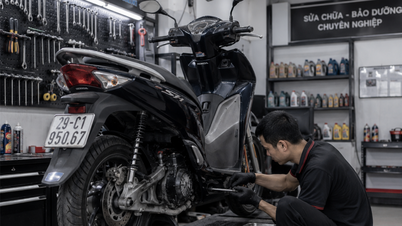
Regarding older vehicles, especially motorcycles using carburetors, automotive expert Nguyen Manh Thang - administrator of the Oto+ forum with over 1 million members on Facebook - believes that certain precautions are necessary. Ethanol has the property of easily aging rubber parts (gaskets, seals, hoses) if these parts are not designed to withstand ethanol.

However, the solution isn't too complicated. Carburetor users can manually adjust the air intake by reducing the air volume (adjusting the air screw by about half a turn) to balance the fuel-air mixture, helping the engine run more smoothly and cooler. Most importantly, regular inspection and maintenance of rubber parts are essential, ensuring timely replacement with suitable materials.
Regarding concerns about engine overheating or excessive fuel consumption, Mr. Thang explained that although ethanol has a lower calorific value than mineral gasoline, it has a higher octane rating and its volatility helps cool the fuel mixture effectively. The difference in fuel consumption across modern vehicles is negligible.
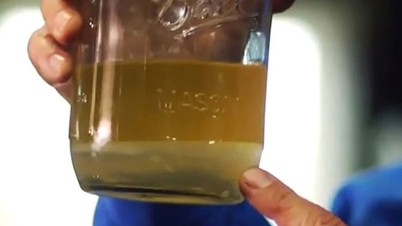
Furthermore, in light of the wave of advertisements for additives specifically for E10 gasoline on social media, both experts advised caution.
Mr. Bui Ngoc Bao stated that the process of mixing additives requires technology and equipment to ensure uniform blending. Typically, fuel suppliers have already calculated and added the necessary additives (fuel injector cleaners, antioxidants) if deemed needed. While self-addition by consumers might solve this problem, it can lead to damage in other components.
Expert Nguyen Manh Thang affirmed: "When car manufacturers certify vehicles for use with E10 fuel, they base it on standard fuel criteria, not requiring the addition of additives. Consumers should not believe excessive advertising about unregulated products. If the fuel meets standards and the vehicle is maintained regularly, it will operate completely stably."
Experts advise that instead of worrying, consumers should proactively check their vehicle's owner's manual or the information on the fuel tank cap. Providing transparent technical information and ensuring fuel quality at pumps meets published standards is key to reassuring people and encouraging them to confidently participate in the biofuel transition in Vietnam.
Source: https://doanhnghiepvn.vn/kinh-te/xe-doi-cu-co-ken-xang-e10-nhu-lo-ngai/20260529051912146


![[Image] A brilliant symphony and explosive power in the skies of Da Nang.](https://vphoto.vietnam.vn/thumb/1200x675/vietnam/resource/IMAGE/2026/05/31/1780196945787_anh-man-hinh-2026-05-31-luc-10-08-51.png)



















![[Video] Sunset at Lap An Lagoon – Where the sun sets over the fishing nets](https://vphoto.vietnam.vn/thumb/340x192/vietnam/resource/IMAGE/2026/05/31/1780192137701_beach-landscape-sea-water-nature-grass-745871-pxhere-com.jpeg)
















































































Comment (0)