

Noise pollution puts pressure on both physical and mental health.
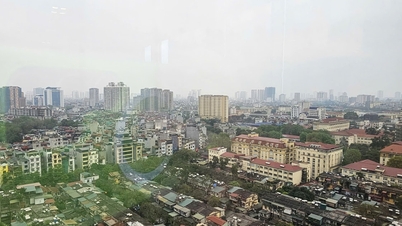
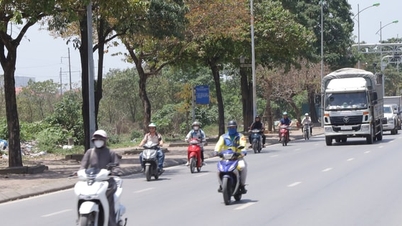
According to a study by the Institute of Occupational and Environmental Health conducted on 12 major roads and intersections in Hanoi , the average daytime noise level ranged from 77.8 to 78.1 dBA, exceeding the permissible limit by approximately 8 dBA. At night, the recorded noise level ranged from 65.3 to 75.7 dBA, 10 to 20 dBA higher than the standard.
Unlike the visible haze from air pollution, urban noise silently impacts health every day. Sounds from heavy traffic, car horns, or prolonged construction sites can affect sleep quality, increase stress, and reduce energy recovery. Therefore, more and more homebuyers are prioritizing quiet living environments, away from the noise of the city.
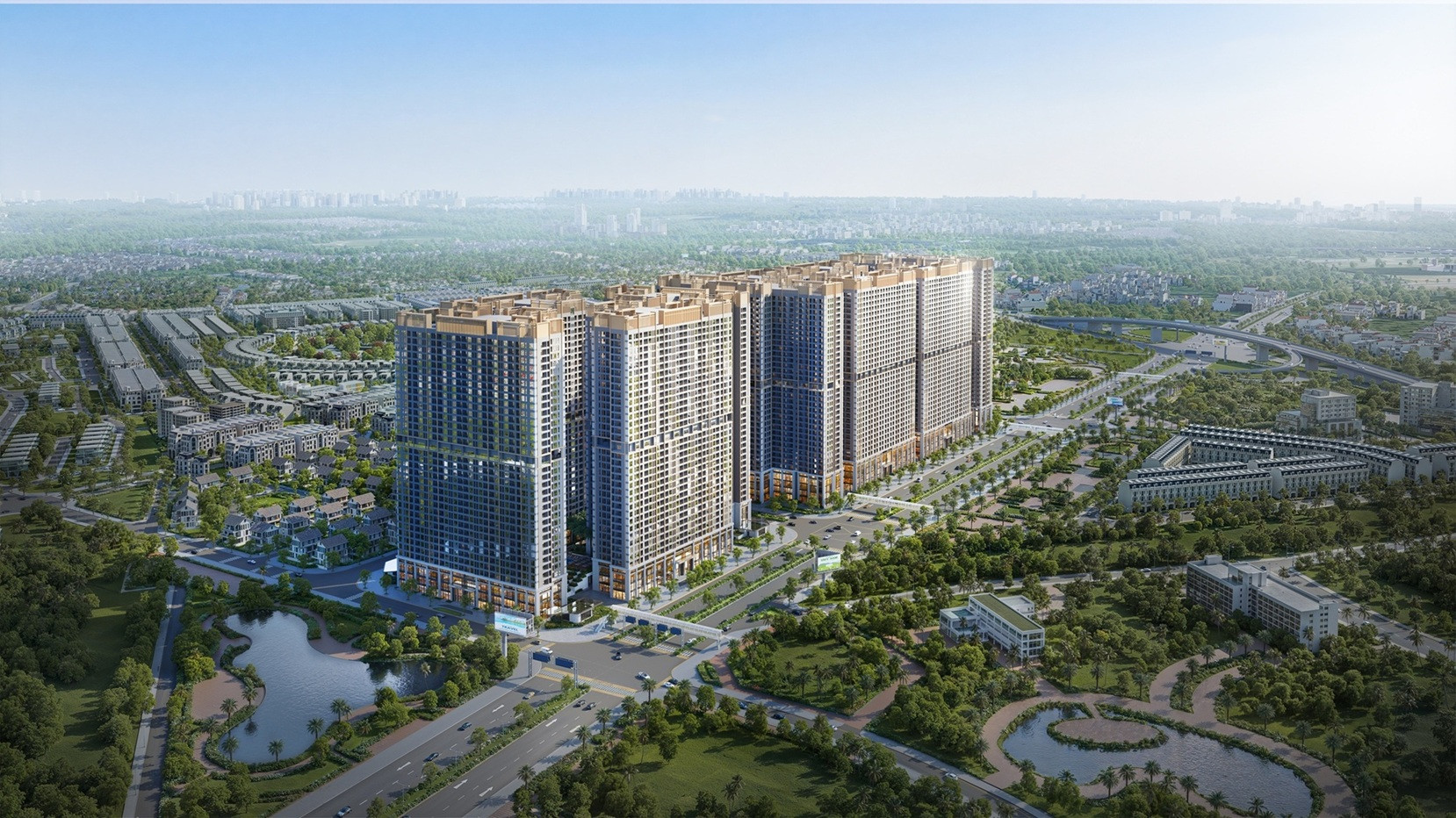
Numerous urban planning studies aimed at addressing urban noise pollution have shown that green spaces and bodies of water help mitigate the simultaneous impacts of both noise and air pollution.
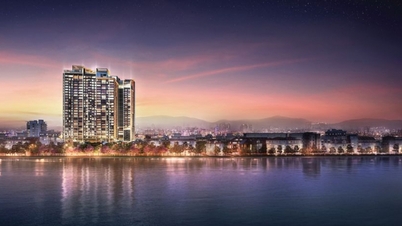
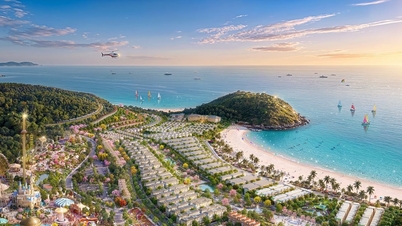
In this context, comprehensively planned urban areas that integrate green spaces are gradually becoming a popular choice. Instead of being completely isolated from the modern pace of life, these projects aim to maintain convenient connectivity while still creating the necessary tranquility for residents. A prime example is the Hinode Royal Park new urban area project in western Hanoi.
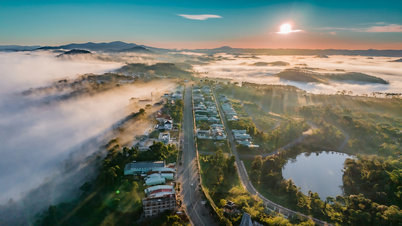
Spanning 146.8 hectares, with a construction density of approximately 29.2% and a large-scale green space system, the urban area forms multiple interwoven layers of space, from parks and water features to internal landscape axes. This structure helps reduce noise pressure from external traffic routes while creating a sense of relative separation in daily life.
The Flame Vine - A tranquil space amidst a multi-layered metropolis.
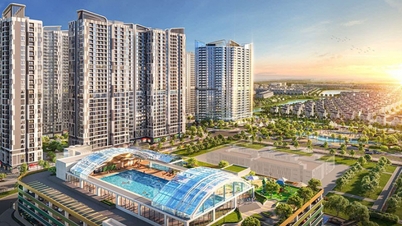
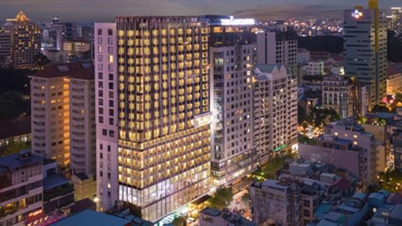
Within the overall master plan of Hinode Royal Park, The Flame Vine apartment complex boasts the advantage of possessing all the necessary elements: green spaces, amenities, and connectivity. This forms the foundation for the project's development, aiming to create a tranquil and balanced living space, both within the apartments and in the surrounding environment.
Each apartment is optimally designed with a clear separation of shared living spaces and private areas for each family member. This helps families maintain connection in daily life while preserving necessary privacy.
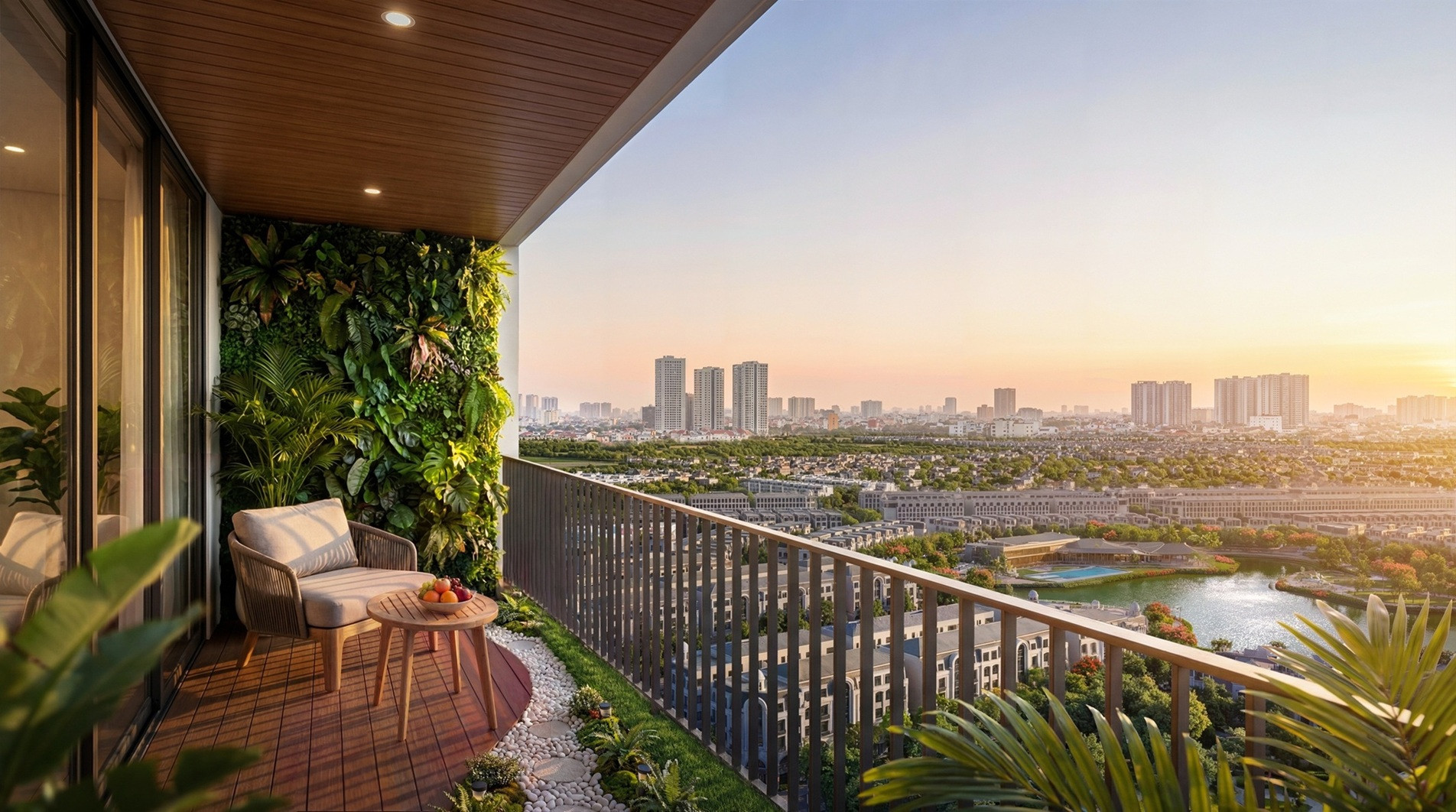
100% of the apartments feature spacious balconies overlooking the landscape, directing natural light and fresh air into the living space. The presence of light, greenery, and open space creates a relaxing and tranquil atmosphere in daily life, contrasting sharply with the cramped feeling of enclosed concrete spaces.
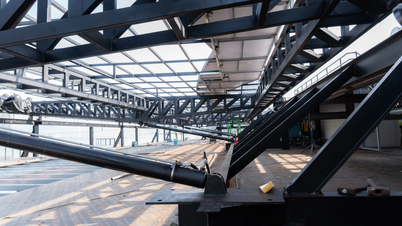
Furthermore, gangform construction technology with a 100% concrete structure also contributes to improved sound insulation, limiting the impact of external noise. This is a factor that is increasingly important to homebuyers in the context of continuously increasing urban density.
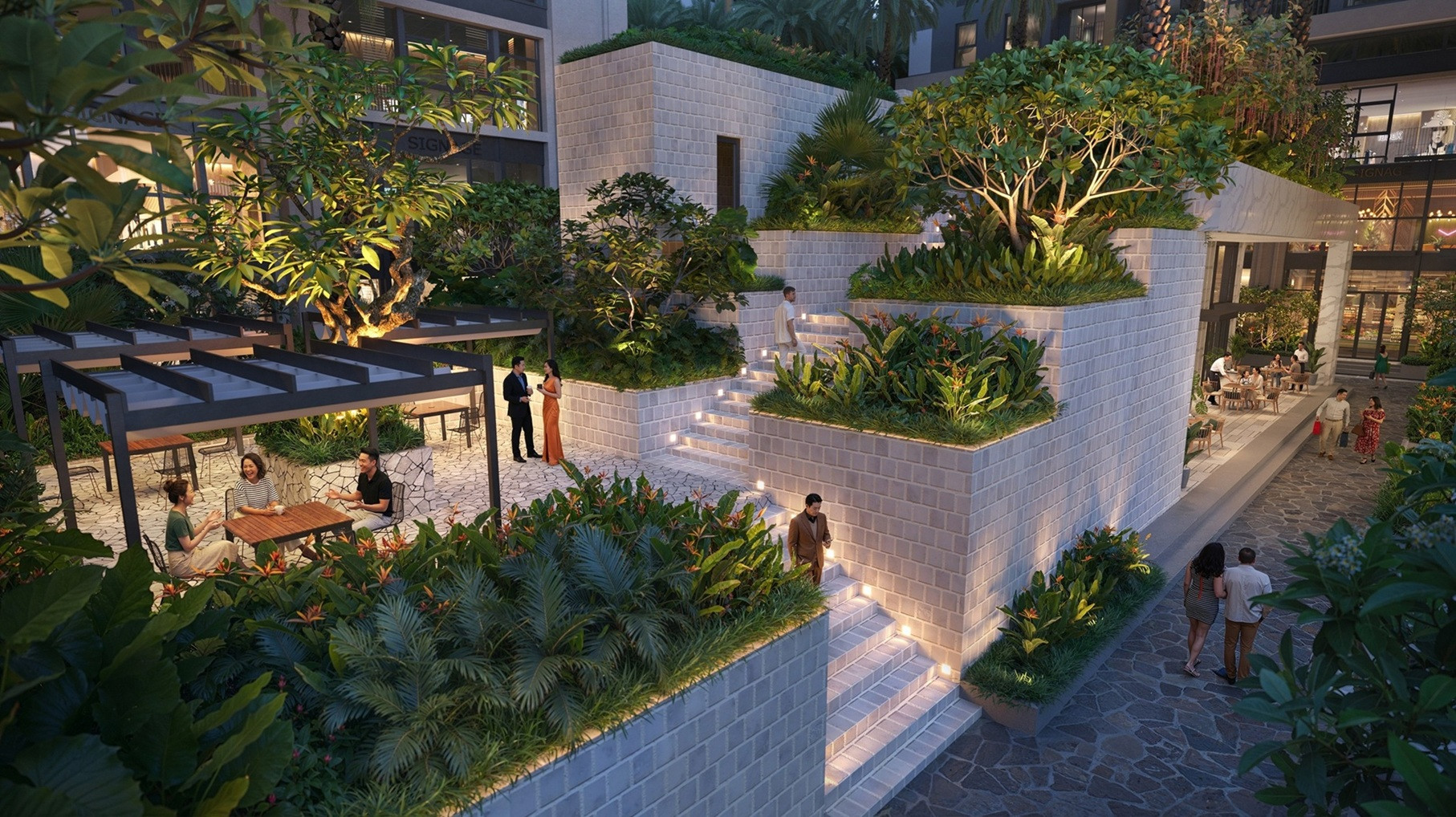
Leaving home, the "quiet" space continues to expand into layers of internal amenities. Green parks, walking paths, outdoor sports fields, and community areas are arranged to encourage gentle activities, suitable for a relaxed lifestyle. Outdoor cafes and reading spaces under the shade of trees serve as "resting spots," helping residents relax and recharge each day. The combination of activity and rest helps maintain balance in urban life.
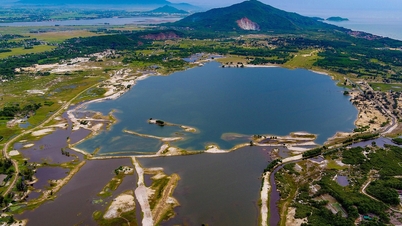
A notable advantage of The Flame Vine lies in the fact that this subdivision does not operate in isolation, but benefits from the "all-in-one" ecosystem of the entire urban area. Surrounding the project are 16.7 hectares of greenery, a 6-hectare central lake, and a system of parks evenly distributed within the area. This acts as a "green buffer zone," helping to absorb and disperse external noise. As a result, the living environment inside remains peaceful despite being located in the bustling western part of Hanoi.
Notably, this "tranquility" does not come at the expense of connectivity. The Flame Vine is located on the 3.5 ring road, adjacent to the planned Metro Line 7, and conveniently connected to Metro Line 3 (Nhon - Hanoi Station). From here, residents can travel to My Dinh, Cau Giay, or other administrative and educational centers in a reasonable amount of time.
In a context where living spaces capable of creating "tranquil areas" are gradually becoming a new housing trend, The Flame Vine demonstrates a clear approach: maintaining a connection with the city, but with enough balance for residents to recharge and sustainably maintain a high quality of life every day.
(Source: Construction and Trading Joint Stock Company)
Source: https://vietnamnet.vn/xu-huong-an-cu-moi-song-tinh-giua-do-thi-2516891.html



![[Photo] General Secretary and President To Lam presides over the meeting to approve the draft report on the results of the second inspection by the Politburo of the Standing Committee of the Hanoi City Party Committee.](https://vphoto.vietnam.vn/thumb/1200x675/vietnam/resource/IMAGE/2026/05/26/1779789811432_a2-bnd-4430-9620-jpg.webp)






























































Comment (0)