

Coffee is one of the most widely consumed beverages in the world. Previously, some older studies raised concerns about the adverse effects of coffee on cardiovascular health. However, recent scientific data presents a more comprehensive picture: When consumed in moderation, coffee can offer numerous health benefits for the liver, cardiovascular system, and brain.
- 1. Health benefits of coffee
- 2. Is decaffeinated coffee good for your health?
- 3. What are the risks of drinking coffee?
- 4. How much coffee should you drink each day?
In addition to caffeine, roasted coffee beans contain many bioactive compounds, including polyphenols, diterpenes, and antioxidants. These compounds contribute to the anti-inflammatory, antioxidant, and metabolic support effects of coffee.
1. Health benefits of coffee
1.1. Coffee provides many antioxidants: Coffee is a significant source of antioxidants in the diets of many people. These substances help neutralize free radicals – molecules that can damage cells and promote oxidative stress. Prolonged oxidative stress is associated with many chronic diseases such as cardiovascular disease, metabolic disorders, and neurodegeneration.
The roasting process reduces some of the natural polyphenols, but at the same time, it also forms new compounds with antioxidant activity, contributing to maintaining the biological benefits of coffee.

When consumed in moderation, coffee can offer many health benefits.
1.2. Associated with a reduced risk of premature death: Numerous observational studies have shown that regular coffee drinkers have a lower all-cause mortality rate compared to non-coffee drinkers. Consumption of approximately 2-4 cups per day is associated with a more pronounced reduction in risk. Drinking coffee in the morning may be associated with even more significant benefits.
While a definitive causal relationship cannot yet be established, the general trend in studies is that moderate coffee consumption may be associated with a longer lifespan.
1.3. Mood Support: Caffeine can increase the activity of dopamine – a neurotransmitter associated with emotions, motivation, and alertness. Several recent studies have noted that coffee drinkers have a lower risk of depression. In some analyses, 2-3 cups of unsweetened coffee per day have been associated with a lower risk of anxiety and depression.
However, this effect is not uniform for everyone. In people sensitive to caffeine, high doses may cause restlessness or increased anxiety.
1.4. Helps increase energy levels and alertness: Caffeine works by inhibiting adenosine – a brain chemical associated with drowsiness. As a result, drinkers may feel more alert, experience reduced fatigue, and improve concentration in the short term. For those who exercise, caffeine can also slow fatigue, support endurance, and improve athletic performance.
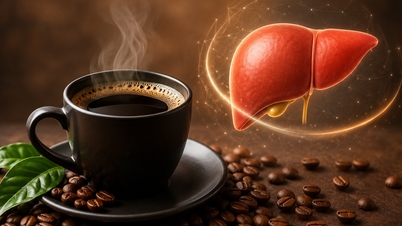
1.5. Beneficial for the liver: Research shows that coffee may support liver health through its anti-inflammatory and antioxidant effects. Some of the noted benefits include:
- Improving liver enzyme levels – an indicator reflecting the extent of liver damage or inflammation.
- It helps metabolize sugar and reduce fat accumulation in the liver.
- Reduce the risk of metabolic fatty liver disease (MASLD).
- Reduces the risk of liver fibrosis, cirrhosis, and liver cancer.
These benefits have been noted in both regular and decaffeinated coffee. Many studies show that the effects are more pronounced when consuming more than two cups per day.
1.6. Supports kidney function: Several studies suggest that coffee may be associated with a reduced risk of chronic kidney disease, end-stage renal disease, and kidney stones. Additionally, a reduction in proteinuria – the condition where protein leaks into the urine – has been noted in some studies, suggesting a potential to support kidney filtration function.
1.7. May contribute to reducing the risk of Alzheimer's disease: Research in recent years suggests that coffee may be associated with a reduced risk of dementia, including Alzheimer's disease. A 2021 study showed that coffee may be linked to slowing the accumulation of beta-amyloid – a protein involved in the pathogenesis of Alzheimer's. A 2026 study also noted that caffeinated coffee is associated with a reduced risk of dementia, with the benefit being more pronounced in the group drinking about 2-3 cups per day.
1.8. May help reduce the risk of Parkinson's disease: Studies have noted a link between caffeine and a reduced risk of Parkinson's disease. A meta- analysis of over 900,000 participants showed that approximately 3 cups of coffee per day were associated with the highest protective effect. However, researchers suggest that this effect may be influenced by genetic factors and there is currently insufficient evidence to recommend caffeine supplementation for disease prevention.
1.9. Supports cardiovascular health: Contrary to old beliefs, many current studies show that moderate coffee consumption does not increase cardiovascular risk in most healthy individuals. A maximum of about 3 cups per day has been shown to be associated with a reduced risk of hypertension, heart failure, atrial fibrillation, and cardiovascular mortality. Additionally, filtered coffee tends to contain fewer substances that can raise cholesterol than unfiltered coffee.
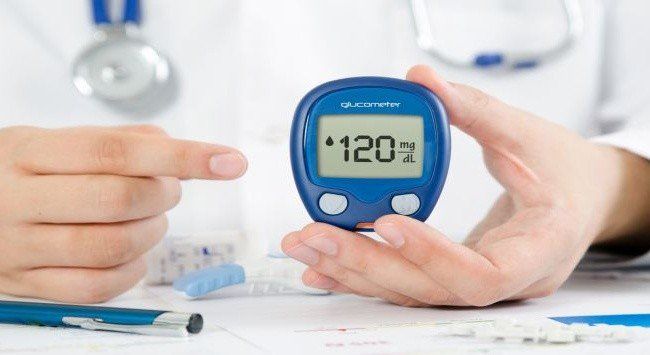
Drinking coffee reduces the risk of high blood pressure and type 2 diabetes.
1.10. Reduced risk of type 2 diabetes: Three large-scale studies have shown that regular coffee drinkers have a lower risk of type 2 diabetes. Some data indicate that increasing coffee intake by more than one cup per day is associated with an approximately 11% reduction in risk; decreasing it by more than one cup per day is associated with an approximately 17% increase in risk… Notably, adding sugar or artificial sweeteners may diminish this benefit.
1.11. May support people with gout: Several research reviews suggest that coffee may lower uric acid levels in the blood and reduce the risk of gout attacks. While results across studies are not entirely consistent, recent analyses suggest that coffee – rather than tea – is more favorably associated with gout.
1.12. May be linked to a reduced risk of COVID-19 infection: Several post-COVID-19 pandemic studies suggest that compounds in coffee may have biological effects that contribute to inhibiting certain mechanisms involved in SARS-CoV-2 infection. Observational data also indicate that 1-2 cups per day are associated with a lower risk. However, this is not a substitute for vaccination, proper nutrition, or managing underlying conditions.
2. Is decaffeinated coffee good for your health?
Decaffeinated coffee retains many of its antioxidant compounds and phytochemicals. Therefore, it may still offer benefits for liver health, sugar metabolism, and neurological health. However, the benefits directly associated with caffeine – such as increased alertness, relief from headaches, or effects related to Parkinson's disease – may be less pronounced.
A cup of decaffeinated coffee typically contains only about 2-5 mg of caffeine, significantly less than the 95-165 mg found in regular coffee.
3. What are the risks of drinking coffee?
In moderation, coffee is generally safe for most healthy adults. However, excessive caffeine intake can cause nervousness, restlessness; rapid or irregular heartbeat; temporary increase in blood pressure; stomach pain, nausea; headache; insomnia, difficulty sleeping; hand tremors, etc.
People with anxiety disorders, poorly controlled high blood pressure, heart rhythm disorders, or insomnia should discuss appropriate caffeine intake with their doctor. Additionally, the health benefits of coffee can be significantly reduced by adding sugar, cream, or sweetened syrups.
4. How much coffee should you drink each day?
There is no single, all-encompassing amount. Many studies suggest that 1-3 cups per day are generally associated with the most noticeable health benefits. According to the U.S. Food and Drug Administration (FDA), healthy adults should limit their total caffeine intake to approximately 400 mg per day, equivalent to about 3-4 cups of 355 ml coffee. If drinking coffee to support a specific health goal, it's important to note that effects can vary depending on the time of day, the type of coffee, and individual tolerance.
Coffee is a beverage rich in antioxidants and can offer numerous benefits for the liver, cardiovascular system, brain, metabolism, and longevity when consumed in moderation. The key is not to drink as much as possible, but to use it in moderation, limit sugar, and monitor individual reactions.
Please watch the video for more information:
Source: https://suckhoedoisong.vn/12-tac-dung-cua-ca-phe-doi-voi-gan-tim-mach-va-nao-bo-169260503180342132.htm
![[Image] Pleasant weather helps students enter the 10th grade entrance exam with confidence.](https://vphoto.vietnam.vn/thumb/1200x675/vietnam/resource/IMAGE/2026/05/29/1780034401612_ngay-1-thi-lop-10-minh-duy-8-5009-jpg.webp)




![[Photo] Ba Lang An Lighthouse - the "eye of the sea" amidst the "rock museum" of Quang Ngai province.](https://vphoto.vietnam.vn/thumb/1200x675/vietnam/resource/IMAGE/2026/05/29/1780038698840_anh-man-hinh-2026-05-29-luc-14-10-42.png)
































































































Comment (0)