

Traditional Chinese medicine texts suggest that beef is suitable for people with weakened bodies, prolonged fatigue, poor appetite, those recovering from illness, or those engaged in heavy labor. For those with deficient blood and energy, pale complexion, and weak limbs, consuming beef properly can help improve health and increase endurance. Furthermore, beef is often used in herbal stews to nourish the body, especially when combined with ingredients such as red dates, Chinese yam, codonopsis, or goji berries.
- 1. Certain groups of people should limit their beef consumption.
- 1.1 People with weak digestive systems who easily experience bloating.
- 1.2 People with high cholesterol or cardiovascular disease
- 1.3 People with chronic kidney disease
- 1.4 People with gout or high uric acid levels
- 1.5 People with chronic gastrointestinal diseases
- 2. How much beef is a reasonable amount to eat?
- 3. Ways to eat beef in a way that benefits your health.
Beef is a familiar food in the meals of many Vietnamese families. With its high protein content and many important minerals such as iron, zinc, and B vitamins, beef is often considered a good food for people who do heavy labor, those who exercise , or those who need to recover their physical strength.
Although beef is nutritious, it's not suitable for everyone to eat regularly or in large quantities. Certain groups, such as those with digestive disorders, dyslipidemia, cardiovascular disease, kidney disease, or gout, need to be cautious as consuming large amounts of beef can increase the metabolic burden and affect their condition.
According to traditional medicine , beef nourishes the blood and vital energy, but excessive consumption can cause "internal heat." People who frequently experience acne, constipation, internal heat, gingivitis, or fever should limit their beef intake. Experts also advise that beef consumption should be appropriate to one's physical condition, the amount consumed, and the cooking method. Excessive consumption, especially of fatty, grilled, or processed dishes, can increase the risk of digestive disorders, high blood cholesterol, and several chronic diseases related to cardiovascular and metabolic disorders.
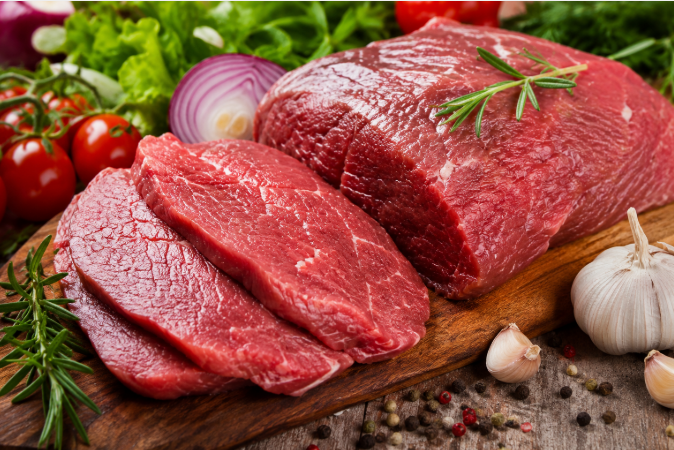
Eating beef should be done in moderation, taking into account your physical condition, consumption amount, and cooking methods.
1. Certain groups of people should limit their beef consumption.
Despite its high nutritional value, beef is not suitable for everyone. Certain groups should exercise caution when consuming it.
1.1 People with weak digestive systems who easily experience bloating.
Beef has a thick, relatively tough muscle fiber structure, especially in cuts with more tendons or older meat. Digestion requires sufficient gastric juice secretion and good intestinal motility. For people with sensitive digestive systems, eating too much beef can cause bloating, indigestion, constipation, or diarrhea. Those suffering from gastritis, irritable bowel syndrome, or chronic digestive disorders should limit their intake of red meat in a single meal.
1.2 People with high cholesterol or cardiovascular disease
Many people believe beef is "healthier" than pork; however, some cuts of beef, such as ribeye, brisket, or marbling, still contain relatively high amounts of saturated fat. According to cardiovascular organizations, eating too much red meat can be linked to increased LDL cholesterol ("bad cholesterol") and a higher risk of cardiovascular disease over many years.
In particular, people with a history of high blood lipids, high blood pressure, coronary artery disease, or other cardiovascular risk factors should limit their consumption of grilled beef, deep-fried beef, or processed beef products.
1.3 People with chronic kidney disease
Beef is rich in protein, so its metabolism produces many nitrogen-containing products, forcing the kidneys to work harder to eliminate them. In people with impaired kidney function, consuming too much animal protein can increase the metabolic burden and affect kidney filtration. Therefore, people with chronic kidney disease should adhere to a diet as guided by their doctor or nutritionist, and avoid eating large amounts of beef on their own to "boost" their diet.
1.4 People with gout or high uric acid levels
Beef belongs to the group of foods containing moderate to high amounts of purines. When purines are metabolized in the body, they form uric acid. If too much red meat is consumed, the concentration of uric acid in the blood can increase, triggering an acute gout attack in people with pre-existing conditions or at high risk. People who have gout, high uric acid levels, or a history of gouty arthritis should control the amount of beef in their daily diet.
1.5 People with chronic gastrointestinal diseases

People with colitis, pancreatitis, malabsorption disorders, or those experiencing an active digestive disease should also be cautious with beef. Eating large quantities at once or preparing it with a lot of oil and fat can cause indigestion, worsening symptoms such as abdominal pain, bloating, or other digestive problems.
2. How much beef is a reasonable amount to eat?
Nutritionists advise adults not to eat too much red meat each week. The appropriate amount depends on age, activity level, and health condition. In a typical diet, about 50–100g of beef can be consumed daily, and protein sources should be diversified from fish, poultry, eggs, beans, or dairy.
Eating large amounts of beef in one meal, especially grilled, fried, or served with lots of salt and sauce, can increase the amount of saturated fat and sodium absorbed into the body.
3. Ways to eat beef in a way that benefits your health.
Not only the quantity consumed, but also the cooking method significantly affects the nutritional value of beef. In Traditional Chinese Medicine, beef is often recommended to be stewed, made into soup, or steamed for easier digestion. Eating too much grilled, fried, or spicy beef is believed to generate "internal heat," causing dry mouth, constipation, and acne.
According to traditional medicine, beef should be combined with cooling vegetables such as radishes, carrots, and leafy greens to help balance the food's properties, aid digestion, and reduce feelings of fullness and heat after eating.
From a modern nutritional perspective, eating beef along with green vegetables, whole grains, and foods rich in vitamin C such as tomatoes, oranges, and grapefruits helps increase iron absorption, supplement fiber, and contribute to a balanced diet.
Additionally, avoid drinking tea or coffee immediately after a meal containing a lot of beef, as this can reduce iron absorption.
In general, both modern and traditional medicine agree that beef is a nutritious food that is beneficial to health if consumed correctly, in the right amount, and according to each individual's physical condition.
Although rich in iron and zinc, beef is not the only source of nutrients. Eating too much of one food for an extended period can lead to an unbalanced diet. A healthy diet requires a variety of foods, a balance of animal and plant proteins, and is tailored to individual health conditions. For those with underlying conditions such as cardiovascular disease, kidney disease, gout, or digestive disorders, consulting a doctor or nutritionist before developing a diet plan is essential.
Readers are invited to read more:
Source: https://suckhoedoisong.vn/thit-bo-bo-khi-huyet-nhung-ai-can-han-che-an-169260529201520021.htm





![[Image] Nearly 125,000 Hanoi students completed the Literature exam for the 10th grade entrance exam.](https://vphoto.vietnam.vn/thumb/1200x675/vietnam/resource/IMAGE/2026/05/30/1780117233041_ndo_br_thiet-ke-chua-co-ten-2-png.webp)



































































































Comment (0)