

GĐXH - Experts believe that unfilial children are entirely a result of parental "nurturing." Inappropriate parenting methods have left "scars" on the children's souls.
Here are 7 common behaviors of parents that spoil their children:
1. Parents spoil their children excessively.
Many studies have shown that a significant number of rebellious children grow up with childhood traumas that their parents were unaware of.
In some cases, parents easily compromise and indulge their children time and time again, gradually teaching them how to win arguments with their parents.
For example, a child might cry and demand that their father buy them a particular toy, and even though the parents initially disagree, they are easily persuaded to compromise.
In recent years, with the emergence of the concept of "family education," many parents have become more meticulous and attentive in caring for their children.
However, this excessive attention and pampering often makes children overly dependent on their parents, lacking independence and emotional depth, leading to rebellious, stubborn, and disrespectful behaviors.
Therefore, when caring for and raising children, parents need to avoid excessive attention and pampering, giving them a certain amount of freedom and space to develop.

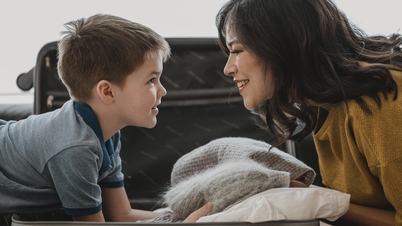
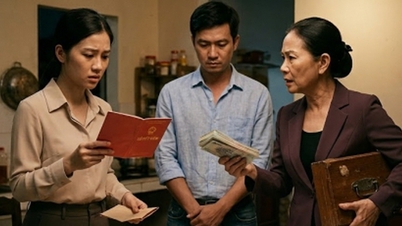
However, this excessive attention and pampering often makes children overly dependent on their parents, lacking independence and emotional depth, leading to rebellious and stubborn behaviors. (Illustrative image)
2. Dad is always angry.
Cambridge University in the United Kingdom once conducted an experiment on the relationship between genetics and personality.
Accordingly, the mother directly influences the child's intelligence, while the child's personality is greatly influenced by the father.
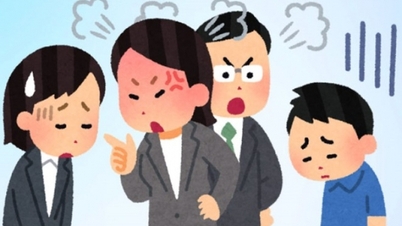
If a child has a gentle father, they will learn good communication skills, while conversely, if they have a hot-tempered father, the child will also become aggressive and always resolve things through violence.
Therefore, fathers should guide their children on how to control their emotions, teaching them how to "direct" their temper with warm and forgiving words.
A father who can control his temper well can teach his children how to manage their own emotions. 99% of a child's success comes from 1% change in the father.
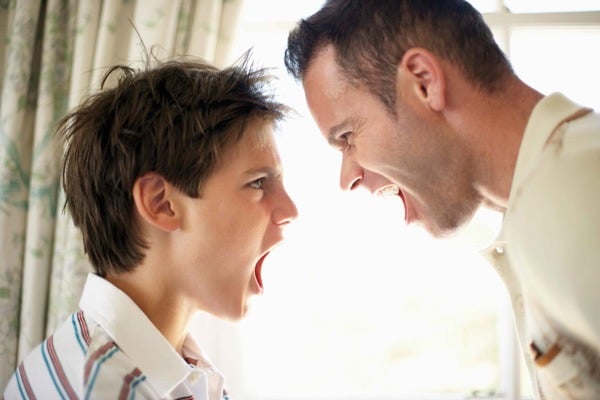
If a father has a hot temper, the child will also become aggressive and always resolve things through violence. (Illustrative image)
3. Parents like to brag.
Many parents like to brag about their money and power in front of their children. This can easily lead to children adopting a self-serving mindset.
Such types of parents cannot raise filial children; moreover, they lay the groundwork for negative behaviors in their children.
That is the cause of the child's immoral behavior, making them lazy and more inclined to cause trouble.
4. Parents lack time to talk with their children.
The shift in social roles and the dual pressures of work and family responsibilities have led many parents to overlook the importance of being with their children, lacking the time and patience to listen to them and understand their anxieties and needs.
And if parents don't communicate effectively with their children, children are easily misled by those around them, develop negative thoughts about family and school, become rebellious, and have difficulty understanding others.
Therefore, parents need to maintain effective communication with their children, try to understand their needs and inner feelings, and educate and correct them promptly if any abnormalities are detected.
5. Comparing children to others.
Sometimes, the purpose of comparing a child to other children is to stimulate a competitive spirit, pushing them beyond their limits to achieve even greater success.
However, no two people are exactly alike. Every child has different talents, interests, and abilities to develop at different rates.
If children are constantly compared to others, they will become insecure, always feeling inferior, developing resentment towards others, and their self-esteem will be affected.
6. Parents are too strict with discipline.
In contrast to pampering, excessively strict discipline and the use of violence are also harmful.
Many parents still believe in the saying "spare the rod and spoil the child," and are even accustomed to disciplining their children with corporal punishment and harsh scolding.
Parents often think this method is good for their children's development, helping them become more obedient and well-behaved.
However, violence can cause rebellious behavior in children. They are more likely to develop anxiety, stress, fear, and other negative emotions.
This affects children's physical and mental health.
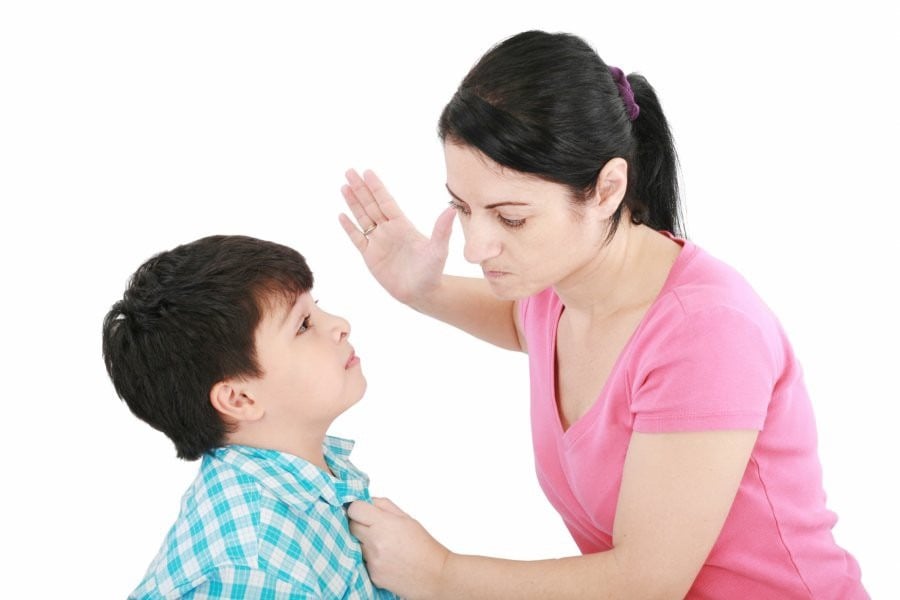
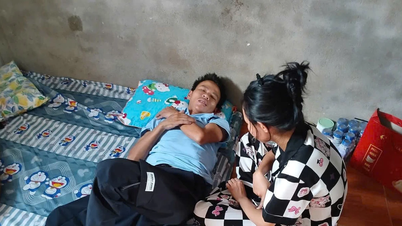
Violence can cause children to develop rebellious tendencies. (Illustrative image)
7. Parents do not adhere to social ethics.
Parents are always a reflection of their children; before teaching your children, teach yourselves. Children always have a habit of looking at their parents' behavior and imitating it. The "fruit" that children bear today is actually the result of their parents' actions.
For example, if parents want their children to be respectful to them, they must be respectful to their grandparents. If they want their children to be polite in public, parents must know how to be mindful and behave appropriately in crowded places.
Whether consciously or unconsciously, children learn more from what their parents do than what their parents say.
Parents must constantly remind themselves to adhere to social ethics and restrain their own behavior. Only in this way can they raise a well-behaved and lovable child.
Source: https://giadinh.suckhoedoisong.vn/7-hanh-vi-cua-cha-me-vo-tinh-gieo-mam-ac-cho-con-172250117114626992.htm
![[Photo] Ba Lang An Lighthouse - the "eye of the sea" amidst the "rock museum" of Quang Ngai province.](https://vphoto.vietnam.vn/thumb/1200x675/vietnam/resource/IMAGE/2026/05/29/1780038698840_anh-man-hinh-2026-05-29-luc-14-10-42.png)
![[Image] Pleasant weather helps students enter the 10th grade entrance exam with confidence.](https://vphoto.vietnam.vn/thumb/1200x675/vietnam/resource/IMAGE/2026/05/29/1780034401612_ngay-1-thi-lop-10-minh-duy-8-5009-jpg.webp)










































































Comment (0)