

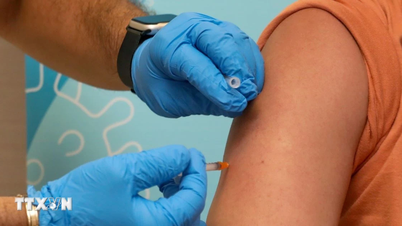
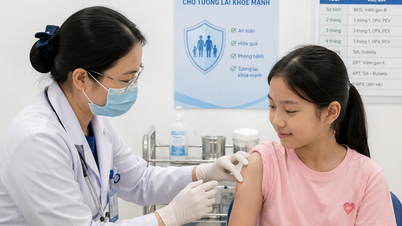
According to Dr. Le The Vu, Head of the Obstetrics and Gynecology Infectious Diseases Department at Hanoi Obstetrics and Gynecology Hospital, during pregnancy, a woman's immune system undergoes many changes, increasing the risk of contracting and experiencing severe complications from certain infectious diseases. Some vaccines are recommended during pregnancy to reduce the risk of complications for both mother and baby.
- 1. Tetanus-diphtheria-pertussis vaccine (Tdap or Td)
- 2. Seasonal flu vaccine
- 3. Hepatitis B vaccine
- 4. What should pregnant women be aware of when getting vaccinated?
- 5. Some vaccines need to be administered before pregnancy.
1. Tetanus-diphtheria-pertussis vaccine (Tdap or Td)
This is one of the most important vaccines during pregnancy, helping to prevent tetanus in both mother and newborn; reducing the risk of whooping cough in infants – a disease that can cause dangerous respiratory distress in newborns; and creating antibodies that are transferred to the fetus through the placenta.
Typically, the tetanus-diphtheria-pertussis vaccine is recommended to be administered between weeks 27 and 36 of pregnancy to optimize antibody transfer to the baby. If you have never been vaccinated against tetanus before, pregnant women may need to receive the full number of doses as directed by their doctor.
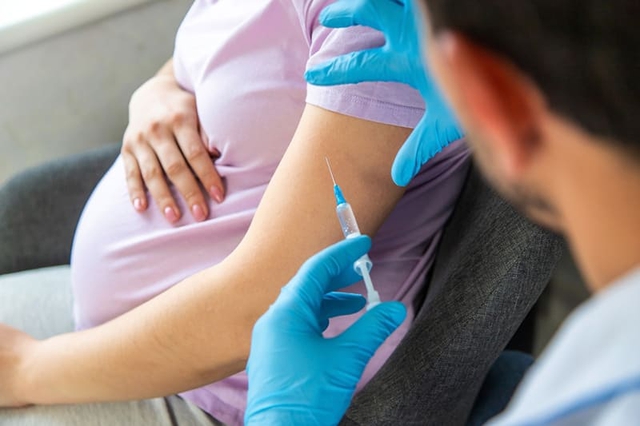
Most vaccines are administered before pregnancy, with only a very small number given during pregnancy.
2. Seasonal flu vaccine
Pregnant women are at high risk of complications from the flu, such as pneumonia, respiratory failure, premature birth, and fetal growth restriction. Therefore, flu vaccination helps pregnant women reduce their risk of severe flu and also protects newborns in the first few months after birth thanks to antibodies from the mother.
Seasonal flu vaccines can be administered at any stage of pregnancy, especially before flu season or when flu outbreaks are occurring.
3. Hepatitis B vaccine
Hepatitis B can be transmitted from mother to child during pregnancy or childbirth. Women who do not have protective antibodies against hepatitis B, or those at high risk of exposure, are recommended to receive this vaccine. Generally, women should be tested and vaccinated before pregnancy. However, in some special cases, a doctor may recommend vaccination during pregnancy if the benefits outweigh the risks.
4. What should pregnant women be aware of when getting vaccinated?
Dr. Le The Vu, a specialist in Obstetrics and Gynecology, advises pregnant women to:
• Have a medical examination and inform the patient about their pregnancy status before vaccination.
• Get vaccinated at a qualified healthcare facility.
• Monitor for post-injection reactions.
• Do not delay or skip necessary vaccinations without consulting a doctor.
Some mild reactions that pregnant women may experience after vaccination include pain at the injection site, mild fatigue, and a slight fever. However, if after vaccination, pregnant women experience shortness of breath, high fever, generalized hives, or cramps, they should go to a medical facility immediately.
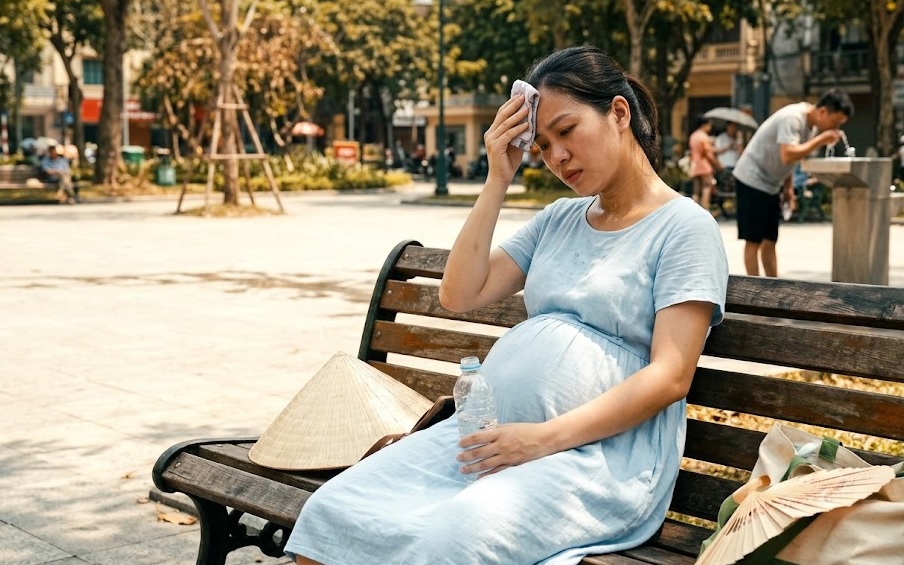
5. Some vaccines need to be administered before pregnancy.
Some live attenuated vaccines are generally not recommended during pregnancy and should therefore be completed before conception. After receiving these vaccines, it is usually necessary to avoid pregnancy for a period of time as directed by a doctor.
Measles-Mumps-Rubella (MMR) vaccine: This is a live attenuated vaccine and is therefore generally not recommended during pregnancy. Rubella is particularly dangerous in the first trimester of pregnancy as it can cause birth defects in the fetus. Women should have their immunity checked before becoming pregnant. Vaccination should be done at least one month before conception if protective antibodies are not already present.
Chickenpox vaccine: The chickenpox vaccine is also a live attenuated vaccine, so it is generally avoided during pregnancy. If a woman has never had or been vaccinated against chickenpox, she should complete the vaccination before becoming pregnant as directed by her doctor.
HPV Vaccine: The HPV vaccine helps prevent cervical cancer, but it is currently not recommended during pregnancy. If a pregnant woman discovers she is pregnant while still in the course of treatment, she shouldn't worry too much as she can temporarily postpone the remaining doses and continue vaccination after giving birth.
Certain vaccines should not be administered during pregnancy due to insufficient safety data in pregnant women. Some live attenuated vaccines pose a risk to the fetus. The risks from vaccines may outweigh the benefits if the pregnant woman is not in a high-risk group. Vaccination as indicated helps protect the health of both mother and baby while ensuring safety during pregnancy.
Before receiving any vaccine, pregnant women should inform their gestational age and medical history, provide their vaccination history, and consult with their obstetrician or vaccination specialist.
See more trending articles:
Source: https://suckhoedoisong.vn/3-vaccine-quan-important-nen-tiem-khi-mang-thai-16926051417254853.htm



![[Photo] Ba Lang An Lighthouse - the "eye of the sea" amidst the "rock museum" of Quang Ngai province.](https://vphoto.vietnam.vn/thumb/1200x675/vietnam/resource/IMAGE/2026/05/29/1780038698840_anh-man-hinh-2026-05-29-luc-14-10-42.png)

![[Image] Pleasant weather helps students enter the 10th grade entrance exam with confidence.](https://vphoto.vietnam.vn/thumb/1200x675/vietnam/resource/IMAGE/2026/05/29/1780034401612_ngay-1-thi-lop-10-minh-duy-8-5009-jpg.webp)
























































































Comment (0)