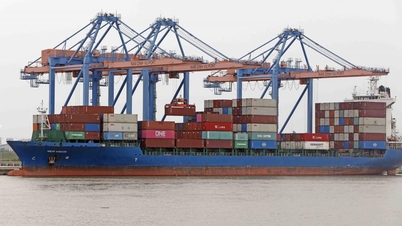
The European Union (EU) is Vietnam's third-largest export market, with continuously growing export turnover over the years and a partner with which Vietnam consistently achieves a high trade surplus. However, according to experts, the EU Green Deal will lead to significant changes in the requirements, regulations, conditions, and procedures that the EU applies to many types of foreign goods imported into the region, thereby creating considerable challenges for Vietnamese export businesses.
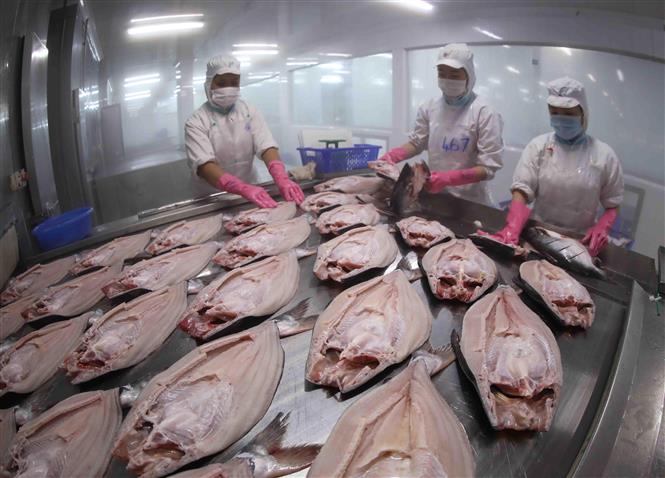 Processing whole pangasius fish for export. Photo: Vu Sinh/TTXVN
Product groups affected The Vietnam-EU Free Trade Agreement (EVFTA) came into effect on August 1, 2020, making it easier for Vietnamese goods to penetrate the EU market. According to the latest data from the General Statistics Office, in 2023, Vietnam's trade surplus with the EU is estimated at US$29.1 billion.
Given the nature and scale of the EU market, maintaining the stability and sustainability of exports to the EU is crucial for the future development of many Vietnamese manufacturing and export sectors, and consequently, for the income prospects of millions of workers involved in related production and export chains.
However, according to experts, the EU Green Deal, along with specific policies, actions, and plans in many areas, is leading and will continue to lead to significant changes in the requirements, regulations, conditions, and procedures that the EU applies to many types of foreign goods imported into the region. Therefore, Vietnamese exports to the EU market also face challenges and opportunities from the trend of strengthening EU green standards.
A quick survey conducted by the Vietnam Chamber of Commerce and Industry (VCCI) in August showed that 88-93% of respondents had never heard of or had only vaguely heard of EGD or other prominent EU green policies related to Vietnamese exports.
In particular, the percentage of business owners, executives, and employees in enterprises who are aware of EGD is only 4%, much lower than other survey groups (8-12%).
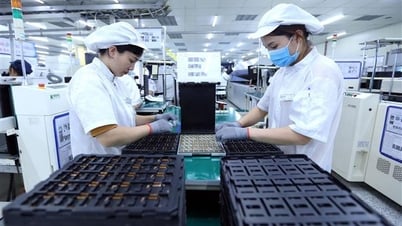
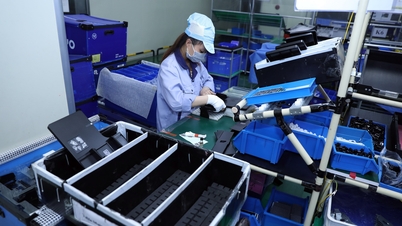
Currently, with the green policies in the EU Economic Development Goals (EGG), seven product groups are predicted to be most strongly impacted by the green transition in the EU market in the coming period: electrical and electronic products, information technology, machinery and related components; agricultural products, seafood, wood and wood products; food products (especially organic food); textiles and footwear; chemicals, fertilizers, batteries; iron, steel, aluminum, cement; and packaging for various products.
The challenge that EGD poses to Vietnamese exports lies primarily in changing and raising awareness among businesses, associations, and related stakeholders.
Given its comprehensive nature and long-term roadmap, the EGD and the policies and measures implementing this agreement are not only numerous and complex in nature, but also continuously evolving over time.
At the same time, there is no common set of green standards, no unified green transition roadmap for all goods exported to the EU.
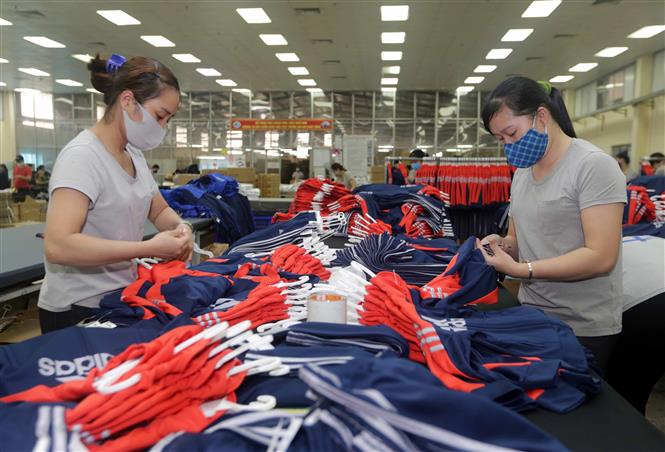 Sewing garments for export to the EU market at Thai Nguyen Garment Company. Photo: Tran Viet/TTXVN
The impacts of the EU Green Deal on Vietnamese exports.
According to the VCCI report "EU Green Deal and Vietnam's Exports – The Case of the Agricultural, Food and Textile Industries," this agreement could affect Vietnam's exports in the following main ways:
Increasing “green, sustainable” standards for export goods: A review shows that most policies, plans, and actions implementing the Green Agreement affect Vietnamese export goods to this market by strengthening green standards for goods in various ways, for example, adding new technical standards (TBT) and/or food safety and sanitary and phytosanitary (SPS) standards and regulations linked to “green, sustainable” goals (e.g., new regulations on ecodesign, methods of labeling/labeling organic goods, product passports, etc.).
Increased financial responsibility of producers to contribute to "green, sustainable" goals: Although not common, some policies and actions within the Green Deal framework require Vietnamese producers and exporters to pay additional fees (directly or indirectly in various forms) to export goods to the EU. For example, fees payable under the Extended Producer Responsibility (EPR) Regulation: Manufacturers of processed and manufactured products (except for certain types of products) may have to pay the importing country a certain fee to handle waste generated from the use of their exported products.
And increased procedures for declaring and providing information on the "green, sustainable" aspects of products: Several new requirements under the policies and plans in the EU Green Deal will force Vietnamese manufacturers and exporters to carry out declaration procedures and provide information and documentation to demonstrate green responsibility, for example, reporting the CO2 emission levels of imported goods under the Carbon Adjustment Mechanism at the Border - CBAM.
In addition to the impacts on Vietnamese exports clearly outlined above, stemming from measures already implemented or planned by the EU, it cannot be ruled out that in the future, with policies and legal measures to be developed, drafted, and adopted by EU agencies and member states to implement the objectives of the Green Deal, Vietnamese exports will also be affected by the Green Deal through other channels and methods.
Ly Ly





![[Photo] General Secretary and President To Lam presides over the meeting to approve the draft report on the results of the second inspection by the Politburo of the Standing Committee of the Hanoi City Party Committee.](https://vphoto.vietnam.vn/thumb/1200x675/vietnam/resource/IMAGE/2026/05/26/1779789811432_a2-bnd-4430-9620-jpg.webp)

































































Comment (0)