

- 1. The role of magnesium in the body
- 2. Natural food sources rich in magnesium
- 3. Is it safe to supplement magnesium with oral tablets?
Magnesium is an essential mineral involved in hundreds of enzyme reactions in the body, helping to create energy, synthesize proteins, regulate heart rhythm, and stabilize the nervous system. However, the body cannot produce magnesium on its own, so it needs to be supplemented through daily food intake.
To ensure sufficient magnesium intake, experts recommend including a variety of fiber-rich plant-based foods in your daily diet, especially those high in magnesium.
1. The role of magnesium in the body
Magnesium is involved in hundreds of biochemical reactions in the body. This mineral plays a core role in maintaining muscle function, stabilizing heart rate, and supporting the nervous system. In addition, adequate daily magnesium intake helps the body control blood sugar levels, regulate blood pressure, and keep bones and joints strong.
According to Associate Professor Dr. Nguyen Thi Lam, former Deputy Director of the National Institute of Nutrition , magnesium is a macronutrient that plays a very important role in many metabolic processes in the body. Magnesium can replace calcium in the process of bone mineralization, integrate minerals, and regulate the activity of hormones in the body.
The current recommended amount of magnesium is usually just enough to prevent deficiency, but may not be optimal for maintaining good health. Therefore, most of us can reap many health benefits if we proactively increase our magnesium intake .
2. Natural food sources rich in magnesium
The best and safest way to ensure your body gets enough magnesium is to follow a nutritious diet, prioritizing plant-based foods and limiting processed junk food.
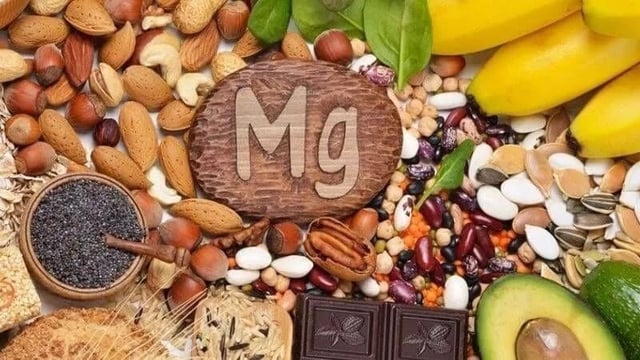
The best and safest way to get magnesium is through a plant-based diet.
Below are the reference magnesium levels in some common foods, calculated based on daily serving sizes:
- Cooked spinach: Provides 156 mg per cup, equivalent to approximately 37% of the daily recommended value (DV).
- Pumpkin seeds: Provide 156 mg per ounce (approximately 28 g), reaching 37% of the daily nutritional value.
- Cooked rainbow chard: Provides 150 mg per cup, equivalent to 36% of the daily recommended intake.
- Dark chocolate (containing 70-85% cocoa): Provides 129 mg per 2-ounce (approximately 56g) serving, reaching 31% of the daily recommended intake.
- Black beans: Provide 120 mg per cup, equivalent to 28% of the daily nutritional value.
- Chia seeds: Provide 111 mg per ounce (approximately 28 g), reaching 29% of the daily nutritional value.
- Almonds: Provide 80 mg per ounce (approximately 28 g), equivalent to 19% of the daily nutritional value.
3. Is it safe to supplement magnesium with oral tablets?
In general, magnesium supplements are relatively safe and rarely cause serious side effects if used correctly. Most adults need about 310-420 mg of magnesium per day, depending on age and gender. You can take this supplement at any time of day, with or without food.
However, when considering using magnesium supplements, you need to keep the following factors in mind to choose the appropriate form.
- Easily absorbed forms: Magnesium citrate, magnesium glycinate, magnesium acetyl taurate, or magnesium malate are preferred. These forms are better absorbed by the body and less likely to cause gastrointestinal irritation.
- Poorly absorbed forms: Magnesium oxide, magnesium sulfate, and magnesium chloride have a lower absorption rate and are more likely to cause gastrointestinal side effects (most commonly diarrhea).
Safe limits and risks of magnesium overdose.
The maximum absorbent limit (UL) for magnesium in supplement form is 350 mg per day . Please note that this limit only applies to the magnesium from the supplement, not including magnesium available in natural foods. The most common side effect of high doses is gastrointestinal disturbance (diarrhea).
Severe overdose can lead to magnesium toxicity (a sudden spike in magnesium levels in the blood). While rare, this condition can cause low blood pressure, irregular heartbeat, and be life-threatening.
Magnesium supplements vary in their content. It's best to consult your doctor or a nutritionist about the appropriate magnesium dosage before purchasing any product.
Source: https://suckhoedoisong.vn/7-nguon-thuc-pham-cung-cap-magie-tot-nhat-169260527094652767.htm












































































































Comment (0)