

 |
The diversity of Vietnamese fermented fish paste (mắm) spans all three regions, with hundreds of varieties and numerous different fermentation and seasoning methods. According to culinary expert Chiêm Thành Long, mắm is not just a condiment but also a testament to creativity and skillful use of ingredients.
Among hundreds of types of fish sauce found throughout the provinces and cities, representatives from the Mặn Mòi restaurant introduced eight famous types of fish sauce from all three regions of Vietnam, which are used in many familiar Vietnamese dishes.
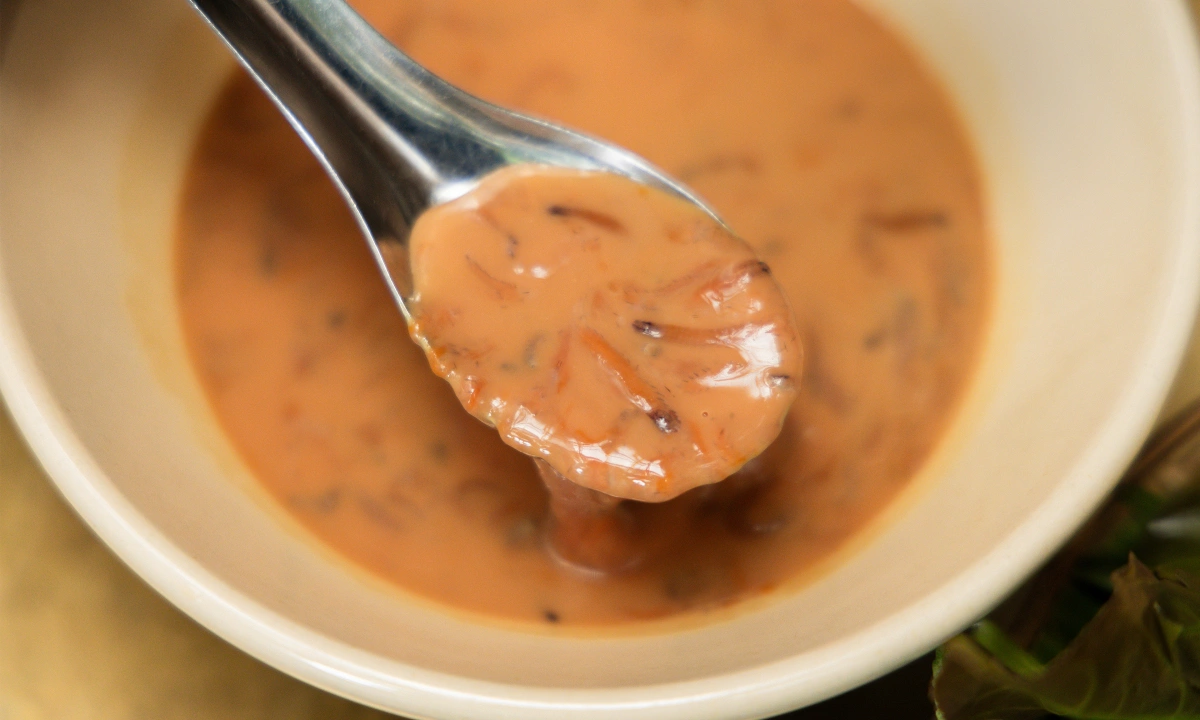
Tứ Kỳ fermented mudworm paste is considered a specialty of Hai Duong province, known as the "mudworm capital." Mudworms, also known colloquially as earth dragons, are not only an ingredient in many specialty dishes like mudworm patties but are also used to make fermented paste. This fermented mudworm paste is meticulously prepared, with a minimum fermentation time of three months. The finished product has a golden color like honey, a thick consistency, and a fragrant aroma. Tứ Kỳ fermented mudworm paste tastes best when served with boiled meat, steamed goat meat, rare beef, roast duck, or various wraps and vegetables. (Photo: Mặn Mòi)
 |
Fermented water beetle paste is a specialty of Ninh Binh , made from whole male water beetles (pictured below), soaked for at least 30 days in pure fish sauce. When first opened, the paste emits a refreshing, minty aroma that stimulates the sense of smell. It's often used as a dipping sauce for boiled meat or sausage, enhancing the flavor of the dish. Closely associated with this paste is Thanh Tri steamed rice rolls (pictured before). These soft steamed rice rolls are served with cinnamon pork sausage, blanched bean sprouts, and fried onions or herbs.
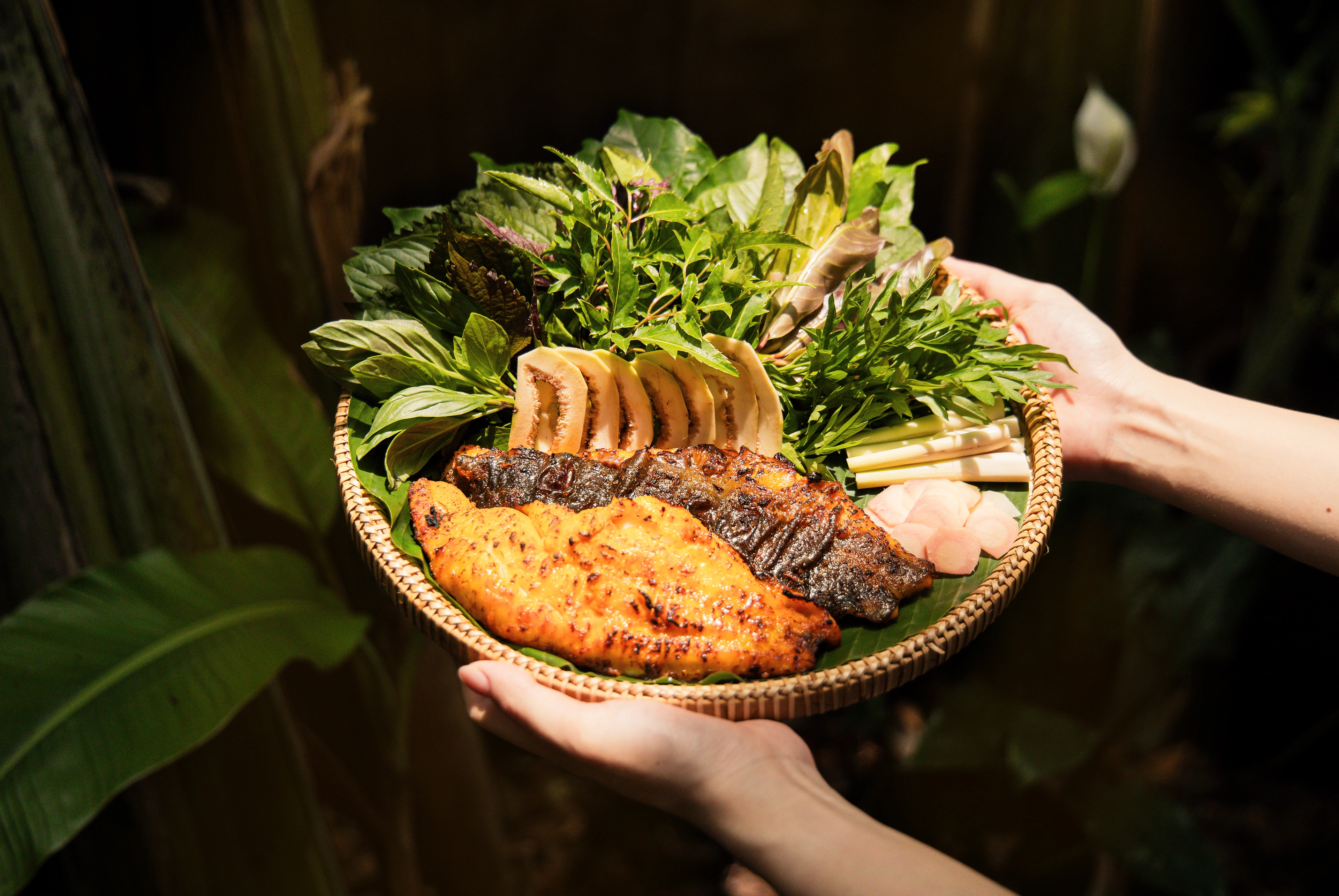 |
Thanh Hoa shrimp paste (pictured below) is distinguished by its strong aroma and rich, salty flavor. It is made from live sea krill, also known as krill, combined with pure coarse salt. The fermentation process allows enzymes in the sea krill to break down proteins, creating its characteristic ripe plum or pale purplish-pink color.
Thanh Hoa shrimp paste is not only a condiment but also an indispensable accompaniment to local specialties, including grilled catfish with galangal and fermented rice paste (pictured earlier). The catfish is grilled until crispy, combined with the slightly sour taste of galangal and fermented rice paste and the rich flavor of shrimp paste, served with various aromatic herbs such as perilla, Centella asiatica, and basil.
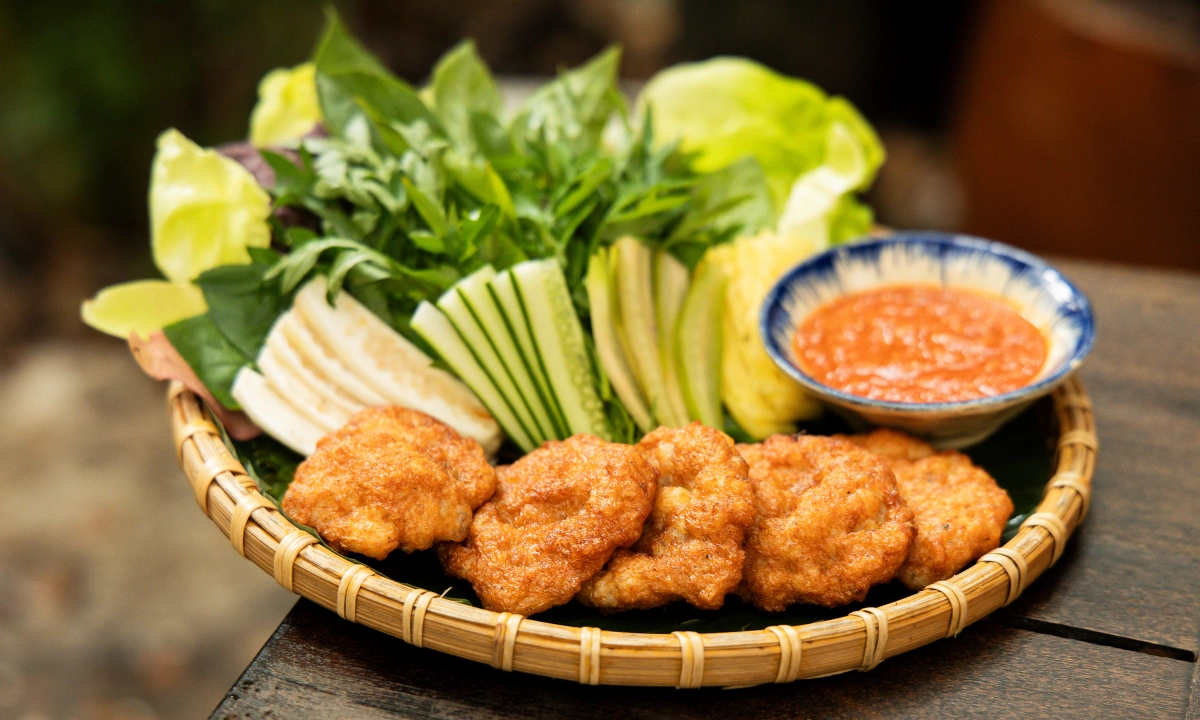 |
Fermented sea worm paste, popular in Quang Ninh, is an indispensable condiment for squid patties. It's made from fresh fish and sea worms, fermented with sea salt in earthenware jars, sun-dried, and naturally fermented. Fermentation involves soaking or curing ingredients with salt for an extended period, allowing them to absorb the flavors, retain their aroma, and preserve them for longer.
This natural fermentation process helps fish sauce achieve a balance between the saltiness of the salt and the natural sweetness of the fish, resulting in a fish sauce with a light amber color, a smooth, honey-like consistency, and high nutritional value. (Photo: Mặn Mòi)
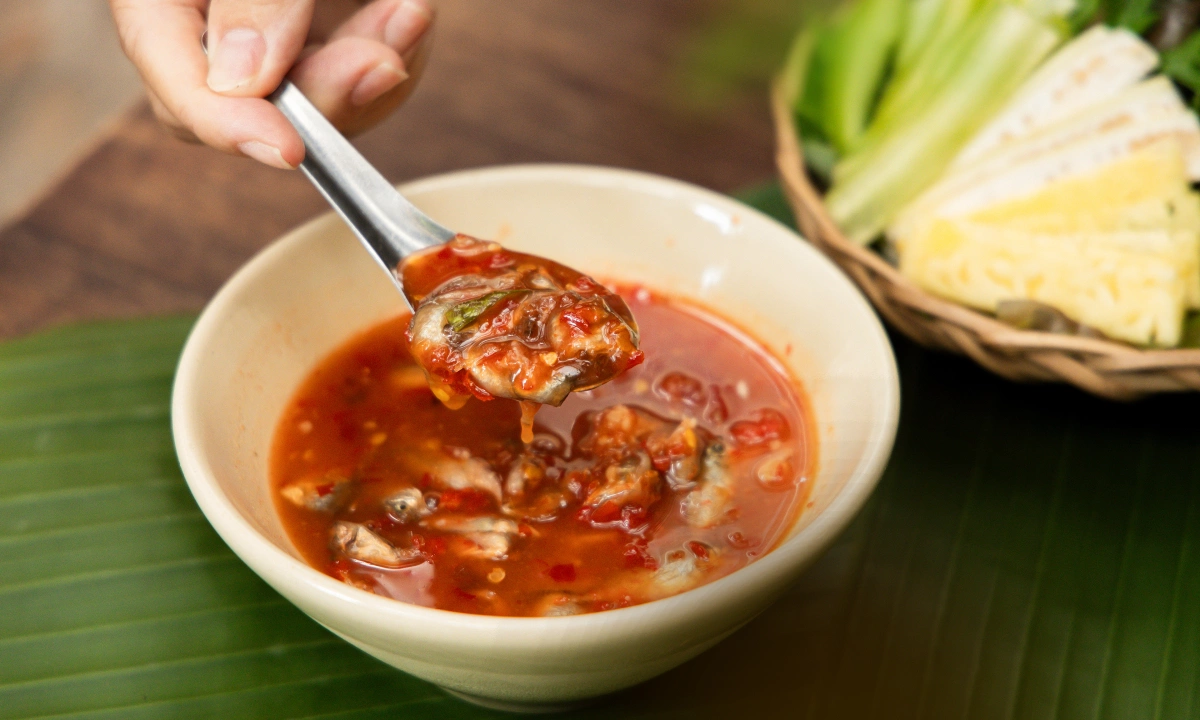 |
Hue-style fermented fish paste (mắm cá rò) is made from a type of fish called rò, which has a small body and soft bones similar to anchovies, and lives mainly in the Thuận An sea area and other brackish waters. After being caught, the rò fish must be shaken to remove the slime and scales without damaging the flesh. The fish is then washed with seawater or saltwater mixed to achieve a salinity similar to seawater, which helps the fish meat become firm and flavorful. After draining, the fish is salted for about 15-30 minutes to absorb the salt, then placed in jars, tightly packed, and secured with bamboo strips to prevent the fish from floating. After about a month, the fermented rò fish paste is ready to eat.
Hue-style fermented scad fish sauce is often seasoned with garlic, chili, sugar, and roasted rice powder, creating a harmonious sweet and salty flavor and a delicious aroma. It's commonly used as a dipping sauce for dishes like boiled meat and vegetables, or served with hot rice and fresh noodles.
 |
Chicken stewed in fragrant fish sauce (pictured) is a specialty of Phu Yen province, using fragrant fish sauce made from anchovies, coarse salt, and ripe pineapple as the main seasoning. To make this sauce, anchovies are cleaned, salted, and fermented naturally in earthenware jars or airtight containers. Pineapple is finely chopped and mixed thoroughly with the fermented fish sauce, creating a dark brown, thick, fragrant fish sauce mixture with a tangy, mildly salty, and intensely aromatic flavor.
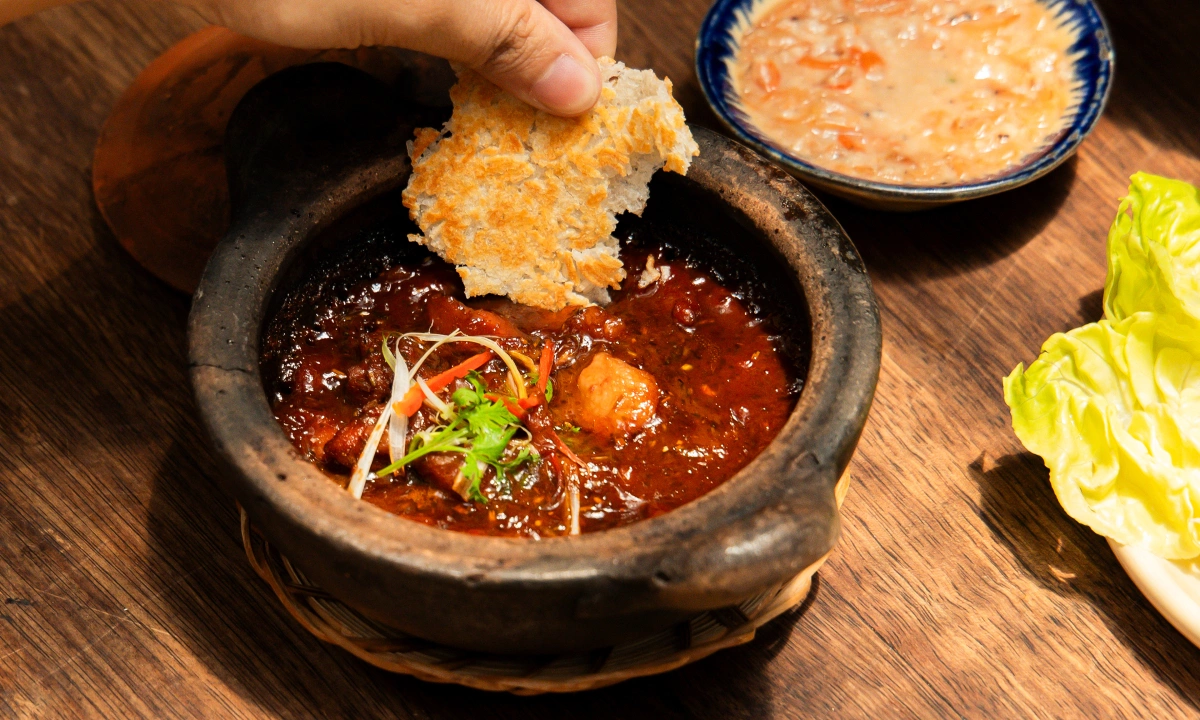 |
Long An shrimp paste stir-fried with pork and lemongrass (pictured) is a signature dish of the Southwestern region of Vietnam, combining shrimp paste and pork stir-fried with lemongrass. The shrimp paste is made from small shrimp that live in brackish or coastal waters. After cleaning, the shrimp are mixed with salt and naturally fermented, creating a paste with a dark pink color, strong aroma, and a sweet and salty taste. Shrimp paste stir-fried with pork and lemongrass is often served as a dipping sauce, accompanied by hot rice, crispy rice, or various vegetables. Photo: Mặn Mòi
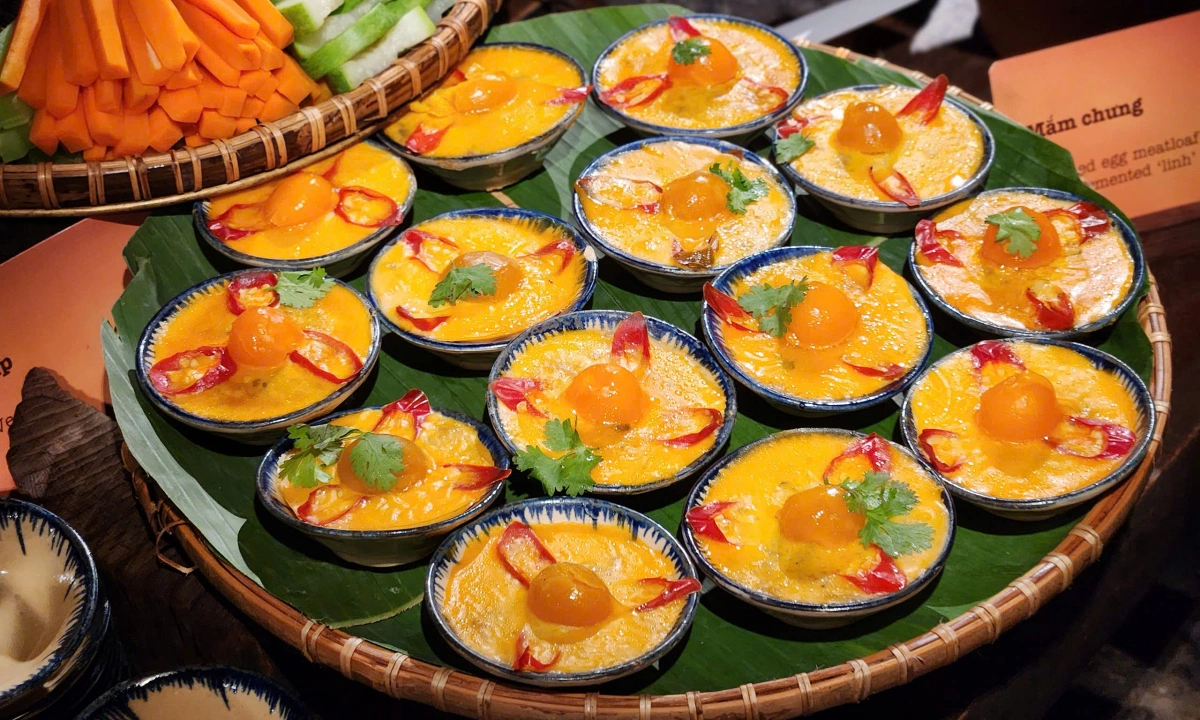 |
Fermented snakehead fish paste is a famous specialty of Chau Doc, An Giang province – known as the "fish sauce land" of the Southwestern region of Vietnam. Young snakehead fish, after being cleaned, are marinated with coarse salt and roasted rice flour, then sealed in earthenware jars for several months to ferment naturally. When fully matured, the paste has a distinctive aroma, a rich, savory flavor, and a mild saltiness.
Fermented snakehead fish paste is used in many signature dishes such as fish paste hotpot, braised dishes, fried dishes, or steamed dishes with garlic and chili. Steamed fish paste is a popular way to prepare snakehead fish paste, often used in daily meals. The fish paste is finely ground, mixed with eggs, minced meat, garlic, chili, and pepper, then steamed until cooked. Steamed fish paste has a rich, fragrant, and spicy flavor, and is usually served with white rice and various vegetables.
Source: https://baothainguyen.vn/que-huong-dat-nuoc/am-thuc/202505/8-mon-mam-noi-tieng-ba-mien-0470689/




![[Photo] General Secretary and President To Lam presides over the meeting to approve the draft report on the results of the second inspection by the Politburo of the Standing Committee of the Hanoi City Party Committee.](https://vphoto.vietnam.vn/thumb/1200x675/vietnam/resource/IMAGE/2026/05/26/1779789811432_a2-bnd-4430-9620-jpg.webp)






























































































Comment (0)