

The National Target Program for socio -economic development in ethnic minority and mountainous areas implemented in the province is yielding positive results. In Yen Lap district, many exemplary individuals and households have strived to develop their economy, contributing to improving the material and spiritual lives of the people in the region. Among them, the family of Trieu Thi Van, a Dao ethnic minority woman in Dan Chu area, Thuong Long commune, is a prime example of "transforming their lives" thanks to cinnamon cultivation.
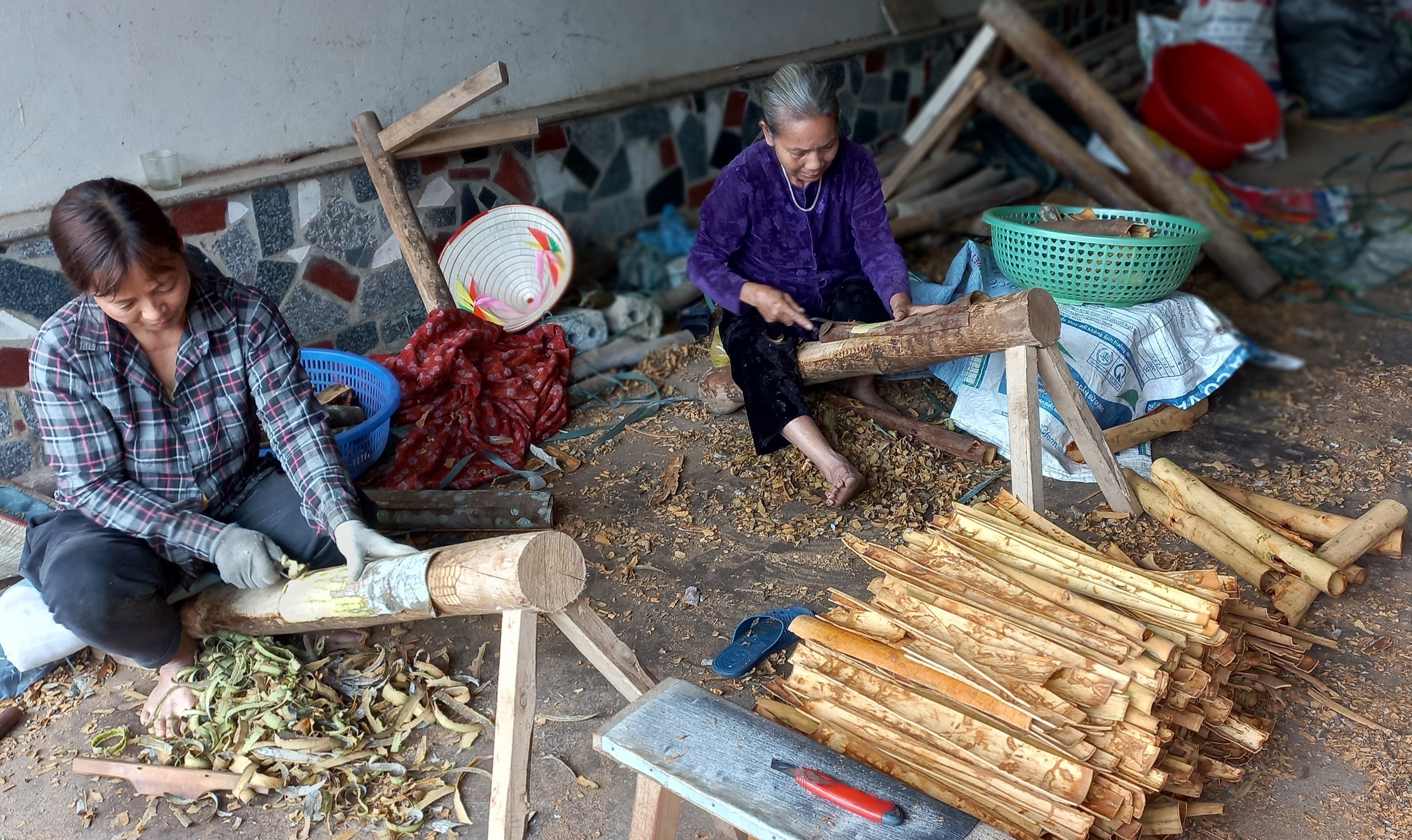
Besides growing cinnamon, the family of Ms. Trieu Thi Van in Dan Chu area, Thuong Long commune, also buys cinnamon for export, creating stable jobs for nearly 20 local workers.
Talking to Ms. Trieu Thi Van, we learned that about 10 years ago, her family relied solely on the forest for their livelihood, depending on rice and corn grown on the hills, and raising a few chickens and pigs, resulting in constant economic hardship. Recognizing the high economic value of cinnamon trees – the leaves and branches used to produce cinnamon essential oil; the bark used in daily life, medicine, and cuisine , or processed for export; and the wood used in construction, furniture making (tables, chairs, beds, cabinets), and handicrafts – Ms. Van learned how to cultivate cinnamon trees and started planting them. Over time, from a few experimental trees, her family now owns more than 12 hectares of hills covered in cinnamon trees.
In addition, she also sells cinnamon seedlings. According to Ms. Van, a good cinnamon seedling should have the following characteristics: a height of 50cm or more, a thick, straight trunk, an evenly spread canopy, and green leaves. Although it is a hilly area, the weather and soil in Yen Lap help cinnamon trees grow very well. When she first started growing cinnamon seedlings, her family also faced many difficulties such as a low seed germination rate and uneven plant growth. However, after several attempts at growing seedlings, and learning from books and newspapers, they finally succeeded in producing high-quality seedlings.
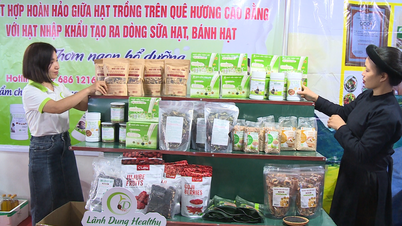
Word spread quickly, and the cinnamon saplings from her nursery became highly sought after. All the saplings were bought up by locals, with her family's nursery selling 600,000-700,000 standard cinnamon saplings to the market each year. Besides growing and cultivating cinnamon, Ms. Vân also focuses on purchasing and processing cinnamon products such as cinnamon branches, bark, and leaves. According to Ms. Vân's experience, cinnamon trees begin to yield fruit after 8-10 years. During harvest season, her family mainly focuses on processing products from cinnamon branches, leaves, and bark. From growing, cultivating, and processing cinnamon products, her family earns approximately 700 million VND annually. In addition, the family provides stable employment for nearly 20 workers with an average income of 6 million VND per person per month.
In Thuong Long commune, the cinnamon cultivation model is not unique to Mrs. Van's family; many other families have also become wealthy from cinnamon farming. These cinnamon cultivation models have contributed to family economic development and played a significant role in the socio-economic development of the locality.
Mr. Hoang Kim Ngoc, Chairman of the People's Committee of Thuong Long commune, said: "Identifying cinnamon as a key crop, in recent years, the commune's Party committee and government have actively encouraged households in the area to expand the planted area. Every year, the commune's People's Committee has coordinated with specialized departments of the district to organize integrated training courses for people on cinnamon planting and care techniques. In addition, the commune cooperates with companies and businesses involved in the production, processing, and purchase of cinnamon products to sign product purchase contracts with farmers, ensuring they can produce with peace of mind."
Hoang Huong
Source: https://baophutho.vn/am-no-nho-que-222093.htm


![[Photo] General Secretary and President To Lam presides over a working session with the Central Policy and Strategy Committee on the development of the materials industry.](https://vphoto.vietnam.vn/thumb/1200x675/vietnam/resource/IMAGE/2026/05/21/1779359935432_a3-bnd-3129-1412-jpg.webp)
![[Photo] National Assembly Chairman Tran Thanh Man working with the Standing Committee of the Law and Justice Committee](https://vphoto.vietnam.vn/thumb/1200x675/vietnam/resource/IMAGE/2026/05/21/1779378929214_ndo_br_1-4610-jpg.webp)


































































Comment (0)