

According to National Geographic, Buon Ma Thuot was chosen for its unique coffee culture, its status as a world- leading robusta coffee producing region, and its distinctive local experiences.
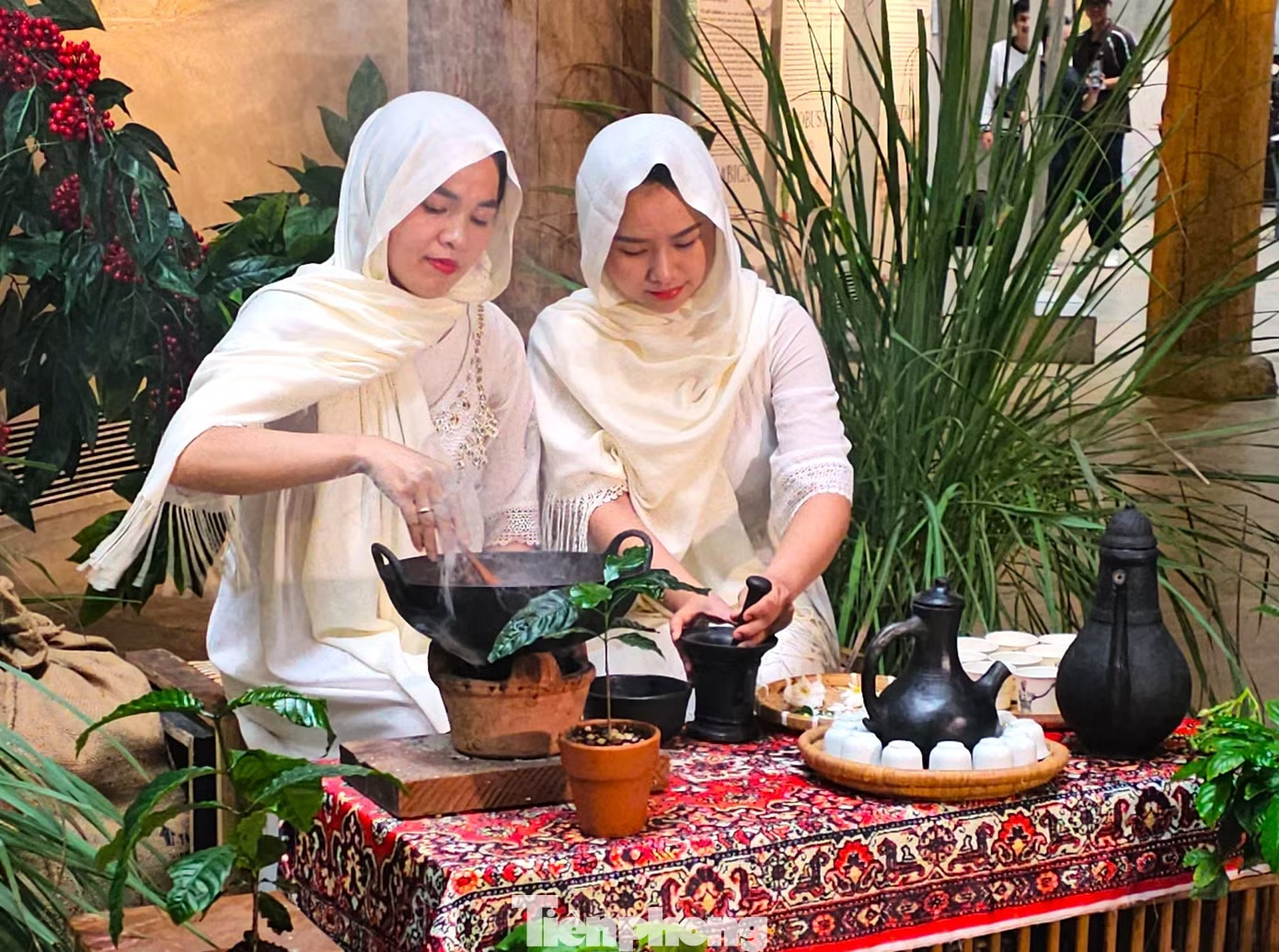
In its introductory article, the American magazine noted that coffee in Vietnam has transcended the influence of the French colonial era to become a distinct part of its culture. From cities to rural areas, the image of people sitting and waiting for each drop of coffee to slowly drip through the filter has become an unmistakable characteristic.
Besides being famous for iced milk coffee, Vietnam also makes its mark with many unique variations such as salted coffee or egg coffee with a rich, creamy flavor similar to tiramisu.

According to National Geographic, Vietnam is currently the world's second-largest coffee producer after Brazil, and the "heart" of the coffee industry lies in Buon Ma Thuot. Locals even jokingly say that there's a coffee shop every 100 meters or so.
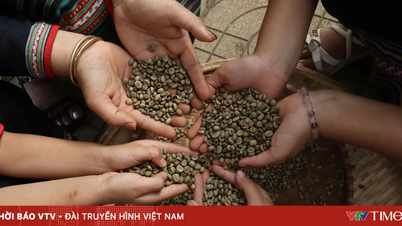
Buon Ma Thuot is located in the Central Highlands – a region boasting vast green coffee plantations, producing over 40% of Vietnam's coffee exports and supplying more than 70 countries. It is also considered the world's largest producer of robusta coffee.
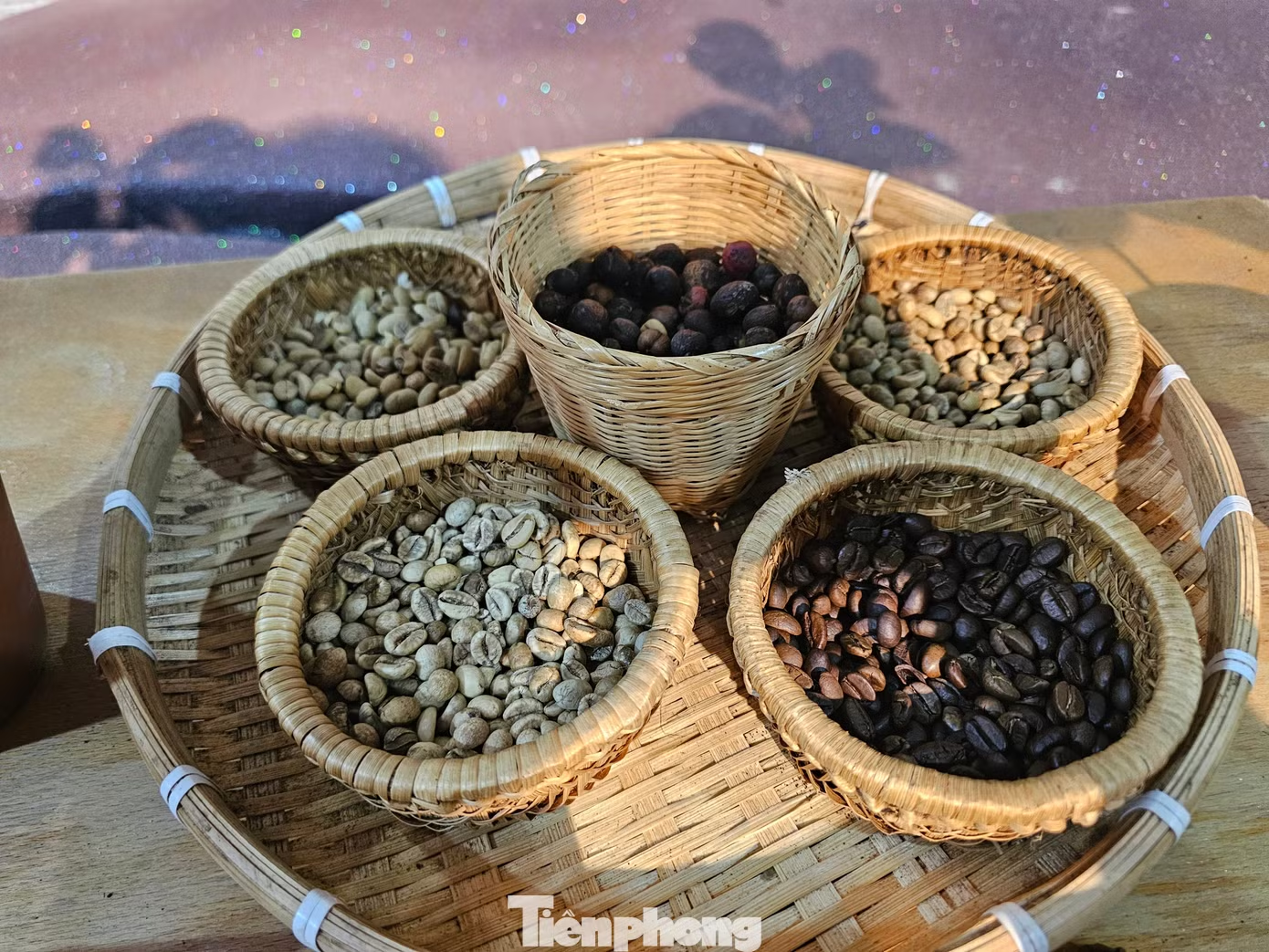
According to the article, in the context of climate change putting pressure on global arabica production, Vietnam's Central Highlands region, with its advantage in developing robusta, is increasingly attracting international tourists as a new option alongside Hanoi or Ho Chi Minh City.
Helen Le, author of several books on Vietnamese cuisine , considers Buon Ma Thuot robusta coffee to be among the best in the world. This type of coffee stands out with its bold flavor, amber color, high caffeine content, low acidity, strong aroma, and long-lasting sweet aftertaste.
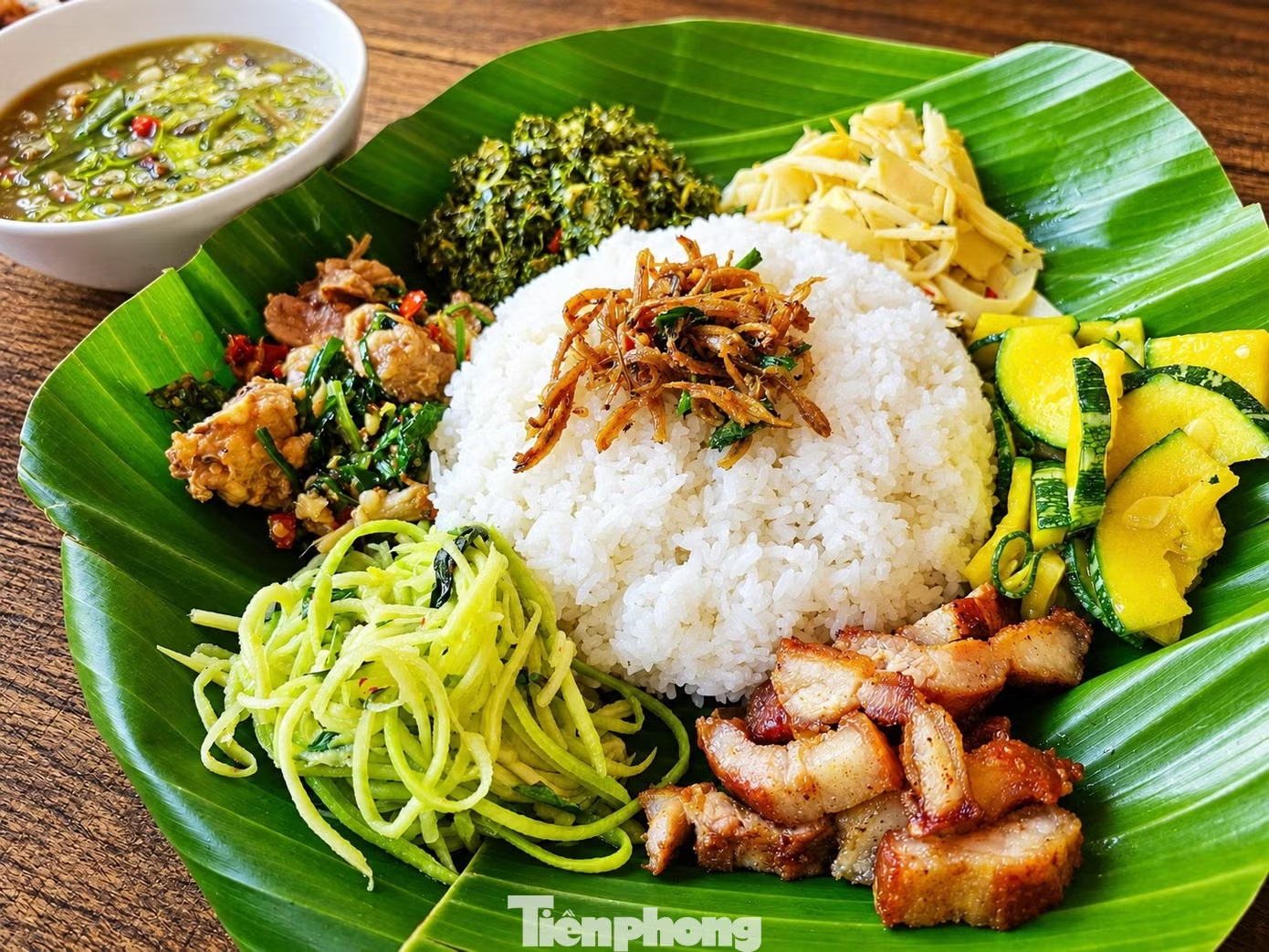
Besides coffee culture, National Geographic also suggests many other experiences in Buon Ma Thuot such as Trung Nguyen Coffee Village - a complex of about 20,000m² including cafes, restaurants and models of traditional Central Highlands stilt houses.
Visitors can also visit Aerococo Specialty Coffee Farm to learn about the robusta coffee production process, from cultivation and harvesting to roasting and brewing.
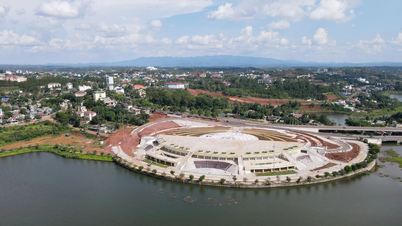
Another destination worth mentioning is the World Coffee Museum, with its architecture modeled after the longhouses of the Ede people. It houses thousands of artifacts related to the history of world coffee, such as antique grinders, brewing equipment, and various interactive experience spaces.
According to National Geographic, the combination of a long-standing coffee culture, renowned raw materials, and the unique identity of the Central Highlands has made Buon Ma Thuot a noteworthy culinary destination on the world tourism map.
Source: https://tienphong.vn/am-thuc-buon-ma-thuot-tuyet-voi-nhat-the-gioi-post1847548.tpo
























![[Photo] Reception to welcome General Secretary and President To Lam and his wife on their State visit to the Philippines](https://vphoto.vietnam.vn/thumb/1200x675/vietnam/resource/IMAGE/2026/06/01/1780295488620_vna-potal-chieu-dai-chao-mung-tong-bi-thu-chu-tich-nuoc-to-lam-va-phu-nhan-tham-cap-nha-nuoc-toi-philippines-8798060-7855-jpg.webp)


























































Comment (0)