

 |
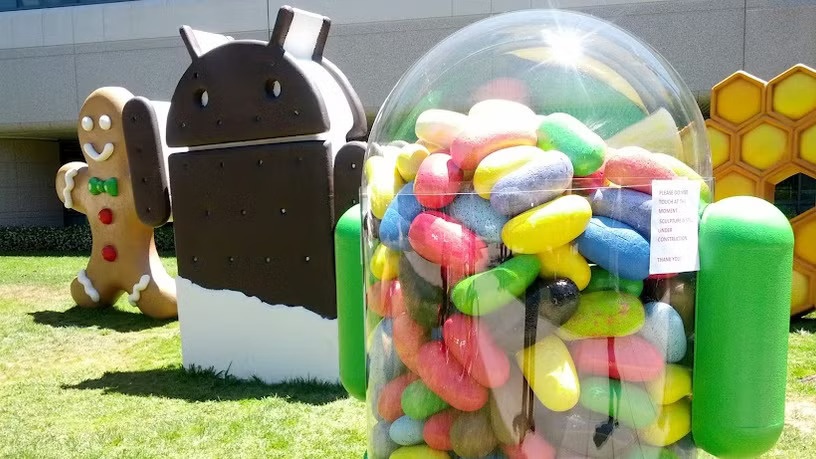
Android used to be a "sweet" operating system. Photo: Google . |
2025 is considered a breakthrough year for the Android operating system, with Android 16 being one of the biggest upgrades in many years.
However, this raises a problem regarding current Android updates. If users are asked about the differences between Android 16, 15, or 14, it's difficult to give a clear answer. Conversely, if asked to describe older Android versions like Gingerbread or Lollipop, memories come back in great detail.
Six years have passed since Google decided to remove dessert-themed names from Android versions. The longer this period lasts, the more bland and easily forgotten Android updates become.
Brand name
Google began using candy-themed themes starting with Android version 3 - Android 1.5, launched in April 2009 under the brand name: Android Cupcake.
Since then, this trend has become commonplace. Android 1.6 was Android Donut, Android 2.0/2.1 was Android Eclair, Android 2.2 was Android Froyo, and it continued until 2018.
Although not the first company to give a product a "cute" codename, Google's combination of a dessert theme and effective marketing strategy created a recipe for resounding success.
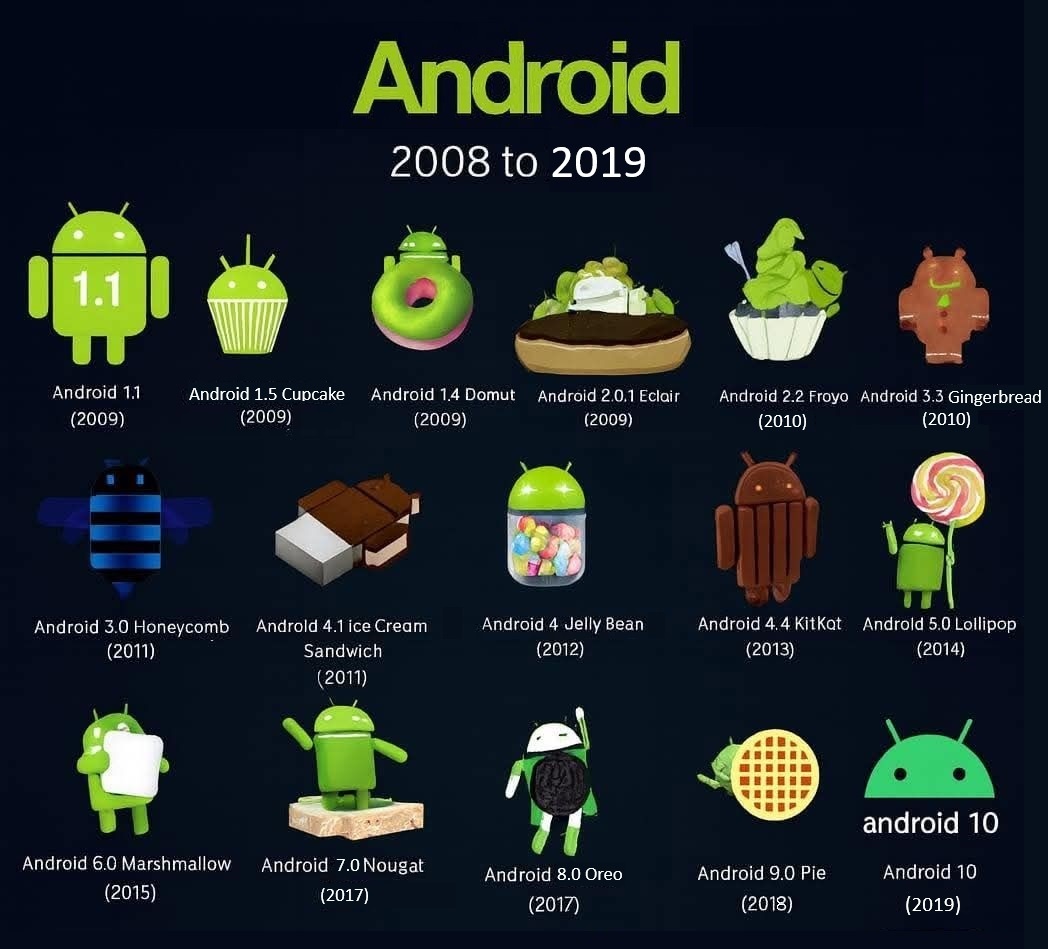 |
Each version of Android from 2008 to 2019 has been associated with a dessert. Photo: TrueJunctionTech. |
When you mention Android Ice Cream Sandwich, users might immediately picture the Android mascot in the shape of an ice cream sandwich. Similarly, the image of the jelly bean candy from Android Jelly Bean still holds appeal today. Even brand collaboration versions like Android KitKat and Android Oreo generate excitement.
The names of sweets are almost as important as the updates themselves. Announcing the name of a new Android version is always a highly anticipated event. Before each launch, rumors, speculation, and suggested codename lists are constantly circulating.
Beyond simply bringing joy, this event has left a lasting mark on each version. Even at 14 years old, Android Ice Cream Sandwich still vividly evokes memories of its groundbreaking "Holo" interface and recent apps page. These names have given Android versions an unmistakable identity and personality.
Faded identity
Currently, Android updates no longer have that distinctive feature. Google ended the dessert-naming program in 2019 with Android 10, and continued it with Android 11, 12, 13, 14, 15, and Android 16, which launched this year.
Each version of Android still has its own logo, and the quality of updates is well-maintained, with Android 16 being one of the most highly-rated updates. However, the use of a simple, numerical naming system has made these updates easy to forget.
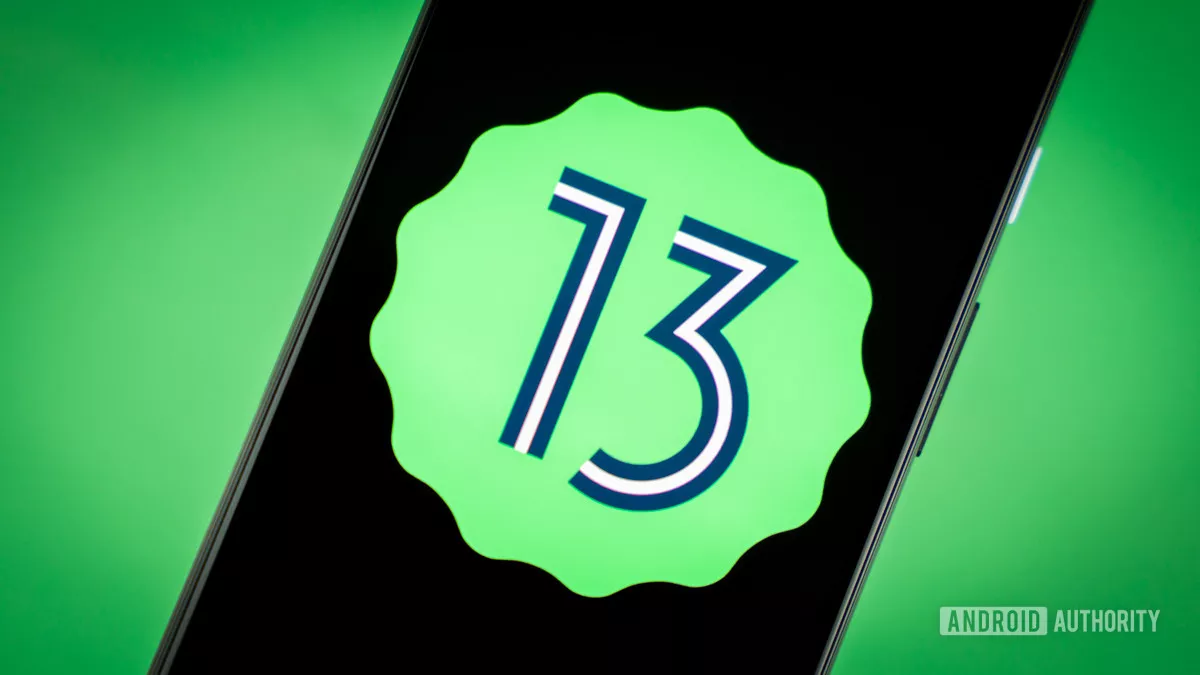 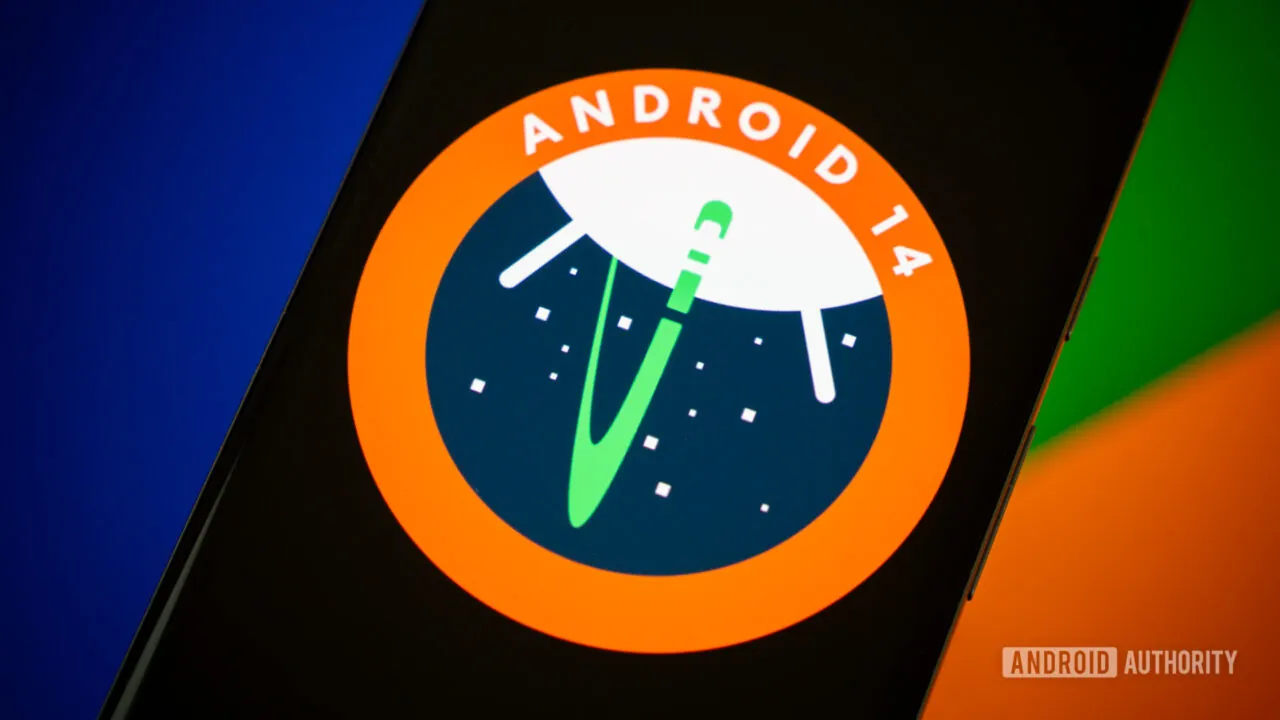  |
Later versions of Android, despite possessing many important upgrades, have become rather lackluster. Image: Edgar Cervantes/AndroidAuthority. |
Even for experts, distinguishing between Android 10 and Android 11 is a challenge. Android 12 and Android 13 are known to be good updates, but without research, it's difficult to determine which versions have the most important features.
Although many of Android's best features emerged between Android 10 and Android 16, the lack of a clear identity for each version makes Android feel bland. This is unfortunate; Google's serious, uninspired branding approach has inadvertently made Android seem unremarkable.
Many argue that the most important factor remains the quality and new features that the update brings. This is absolutely correct. However, the lack of the distinctive personality it once had has caused the Android fan community to lose some of its former enthusiasm.
Source: https://znews.vn/ly-do-khong-con-ai-quan-tam-den-phien-android-post1610694.html


![[Image] Central Party Office summarizes work in 2025](/_next/image?url=https%3A%2F%2Fvphoto.vietnam.vn%2Fthumb%2F1200x675%2Fvietnam%2Fresource%2FIMAGE%2F2025%2F12%2F18%2F1766065572073_vptw-hoi-nghi-tong-ket-89-1204-jpg.webp&w=3840&q=75)






















































































Comment (0)