

Even with many people involved in the arts and culture of the Central Highlands, cultural opportunities in this region will expand further, with a more creative spatial vision and an emerging context of regional cultural integration.
The "preservative" silence
In the fall of 2024, when the issue of merging and separating ministries and departments was raised, some individuals involved in cultural activities in Dak Lak expressed concern that the cultural machinery of the provinces and cities would be affected, leading to changes in organizational thinking and creative work.
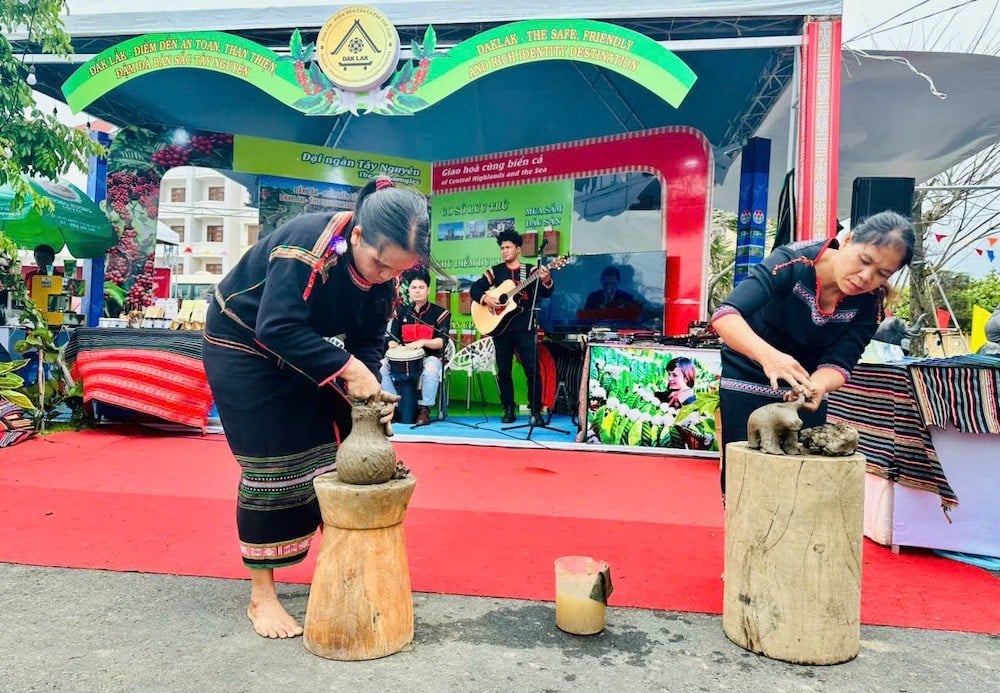
But soon after, a series of rapid changes in the restructuring of the administrative apparatus, provinces, cities, and units took place, further fueling those anxieties. Many admitted that it was difficult to keep up with the pace of transformation, putting themselves at risk of being "eliminated" due to outdated ways of thinking and working.
The year 2025 is marked by many significant historical and social events and issues, presenting a great opportunity for the cultural sector to showcase its activities and implement major programs.
Especially for provinces and cities, the 80th anniversary is a grand and captivating topic that attracts the community and stimulates creativity among many artists.
In Dak Lak, the story of the liberation of the Central Highlands, following the 120th anniversary of the province's establishment, is truly impressive and has sparked much interest.
Local authorities have launched a series of impressive programs promoting the cultural and revolutionary values of the era, coinciding with historical milestones and aligning with the rest of the country, especially on April 30th.
However, hidden behind the vibrancy of the masses and the general heroic spirit, the local cultural and artistic circles and artists did not have a strong impact.
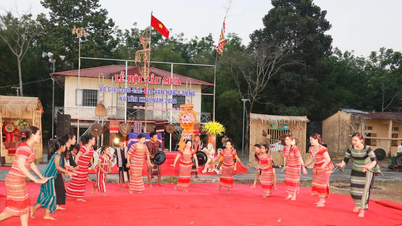
Cultural and artistic programs and community performances are held widely, but they fail to attract strong attention due to a lack of in-depth storylines and memorable experiences.
One plausible reason given is that this period also marked the peak of administrative boundary mergers and restructuring of departments within the local administrative apparatus, especially the synergy of activities between the former Dak Lak and the former Phu Yen .
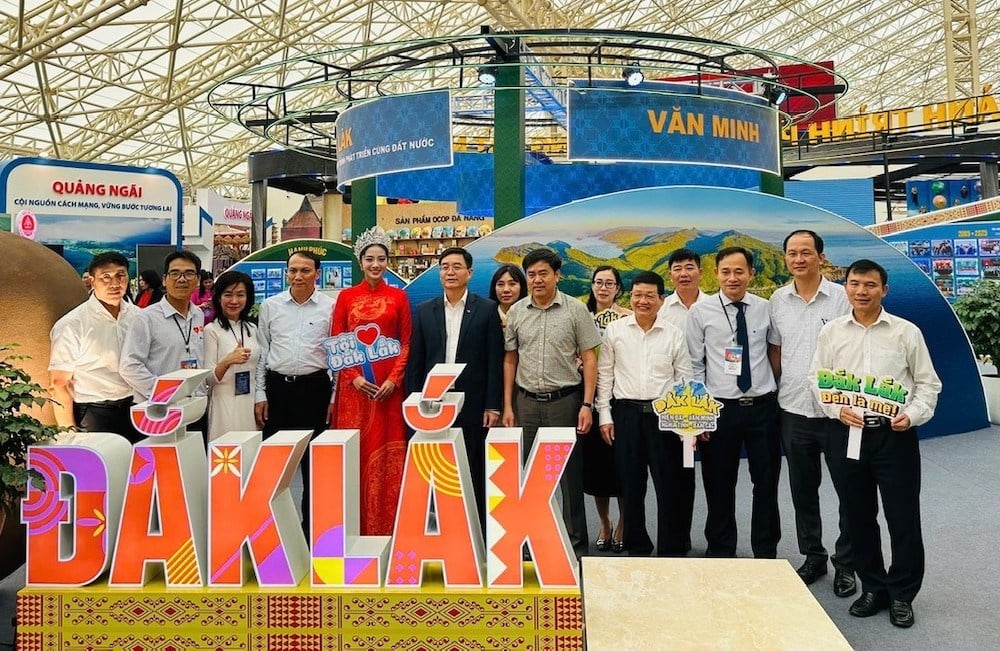
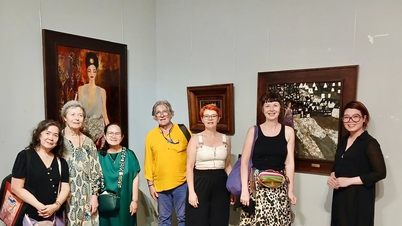
Art programs and cultural exhibitions do take place, but the connection and harmony between the two localities are not yet well-established. In particular, many local artists choose to remain "silent" to avoid focusing on this specific area of activity, as they are waiting for arrangements, from the organizational structure to their individual roles in the new cultural field.
This passivity is not without reason; even a fairly well-known artist, when speaking to reporters, was hesitant, fearing a "clash" over cultural management thinking after the merger. Maintaining silence, in fact, has become a form of participation for artists.
The journey of redefining identity in a new space.
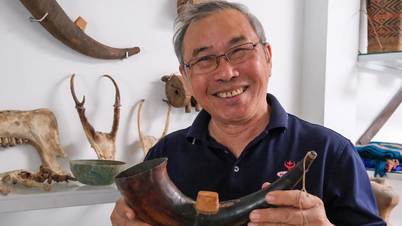
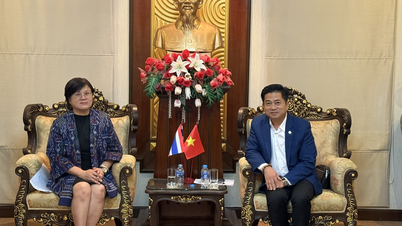
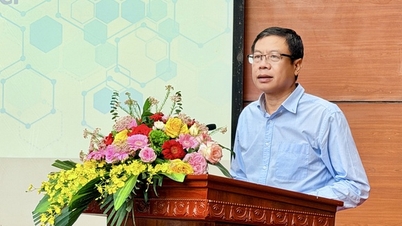
It is noteworthy, according to Mr. Tran Hong Tien, Director of the Department of Culture, Sports and Tourism of Dak Lak, that in response to the new requirements for changes and reorganization, cultural and artistic organizations and units in both localities and at the grassroots level of communes and wards have generally agreed to participate.
The cultural apparatus at all levels is rapidly undergoing a rational restructuring. In this process, the role of individual artists, artisans, and local cultural activists is being effectively promoted.
They are the essential bridges that reconnect local cultural activities and facilities, while the local administrative apparatus and various sectors gradually stabilize.
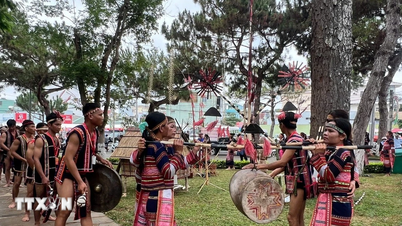
One advantage of the Central Highlands cultural region is the indigenous independence inherent in each village and traditional family. Dak Lak, as the focal point for the convergence of 49 ethnic groups, further highlights this.
Regardless of how administrative levels are reorganized, the relationship between cultural and artistic practitioners here and the appreciative public remains close and one of mutual understanding.
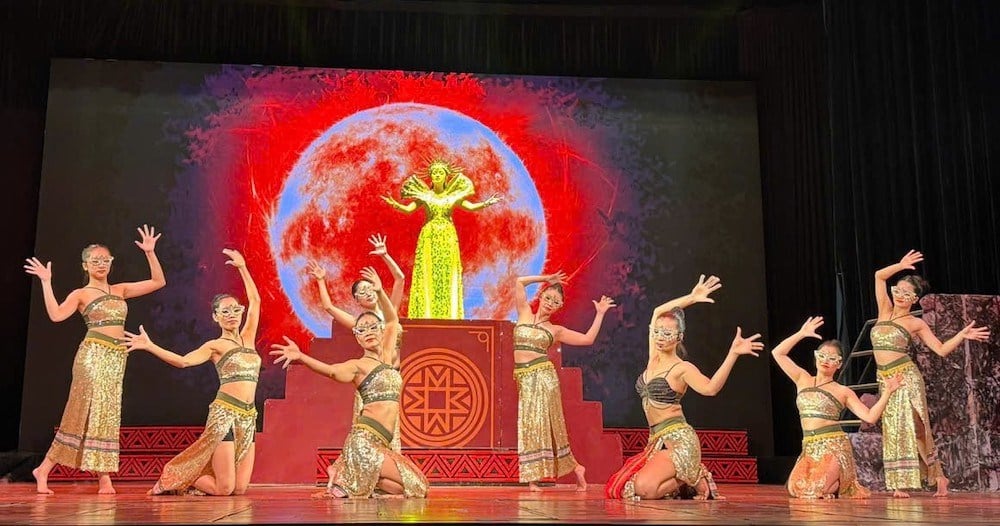
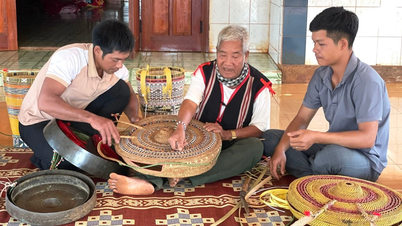
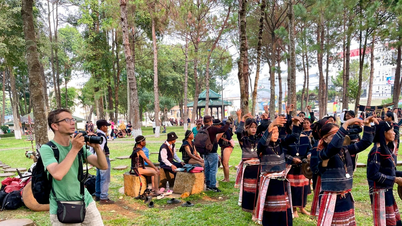
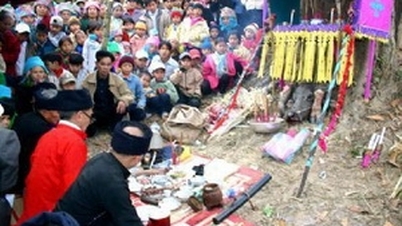
Therefore, behind the scenes of social activities, the local cultural team continues to create and organize its own work. When these activities penetrate deep into each village, collaborating with individual artisans and spiritual events and religious practices, they immediately receive a positive response from the people.
Therefore, overall, cultural activities in the Central Highlands at the grassroots level have not undergone major changes within the broader context of current events.
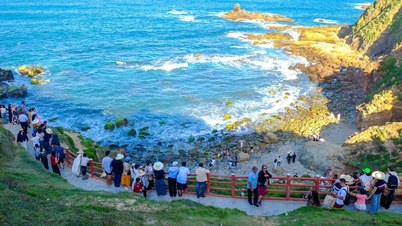
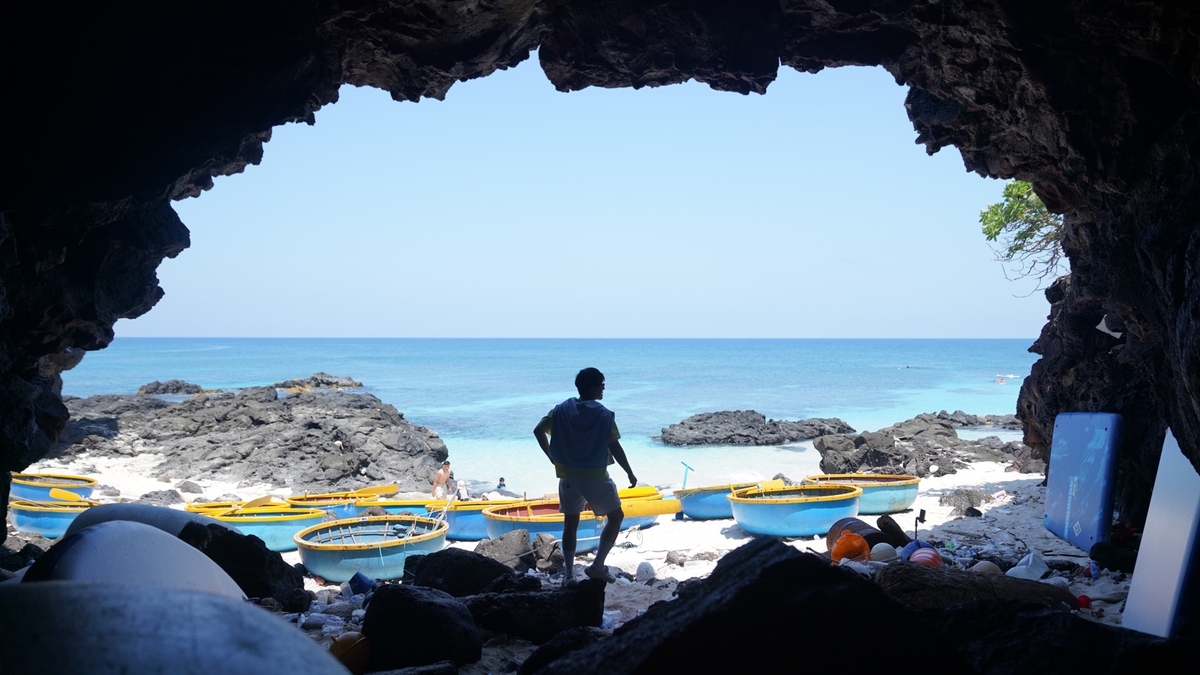
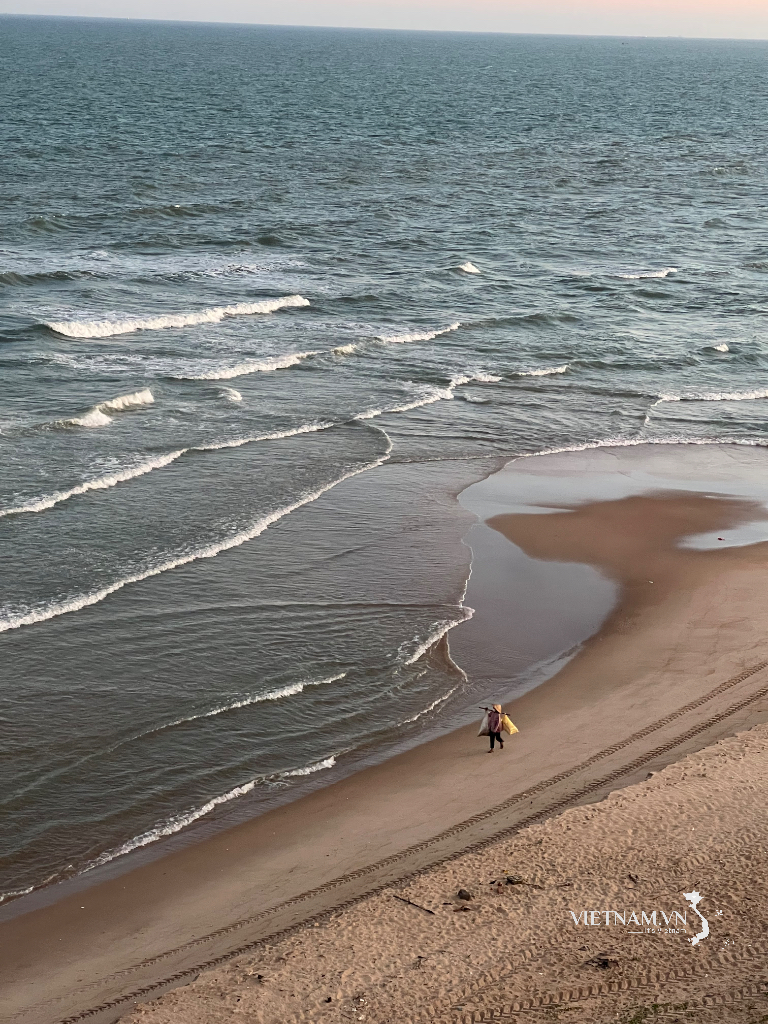
A new and intriguing aspect that has attracted the attention of many artists and artisans is how to closely integrate the foundational cultural values after the merger, in order to create a unified strength of professional values. In reality, many believe there is a psychological gap in creativity between the red soil highlands and the blue sea with its white sand.
However, according to Mr. Tran Hong Tien, if we trace the cultural imprints, there is always a close connection between these two regions. For example, the epics of the Central Highlands always feature the image of the sea as a shared community.
In the epic poem Dam Di, the images of iron weapons, rattles, and wind flutes used by the hero's brothers illustrate the close relationship between the highlands and the sea. The brother of Ho Bia, a son-in-law of the Kinh people, brought back salt, wine, and other products from agriculture and the sea when he returned to his village.
The battles in the epic therefore took place not only in the mountains and forests but also in the deep sea; the hero Xing Mo-nga was even loved by the daughter of the Sea King…
This means that in the cultural narratives of the Central Highlands, the connection between the mountain tribes and the villages along the coast is ever-present. This close connection between cultural spaces always means promoting cultural values that, perhaps due to the context of time, we have subjectively separated.
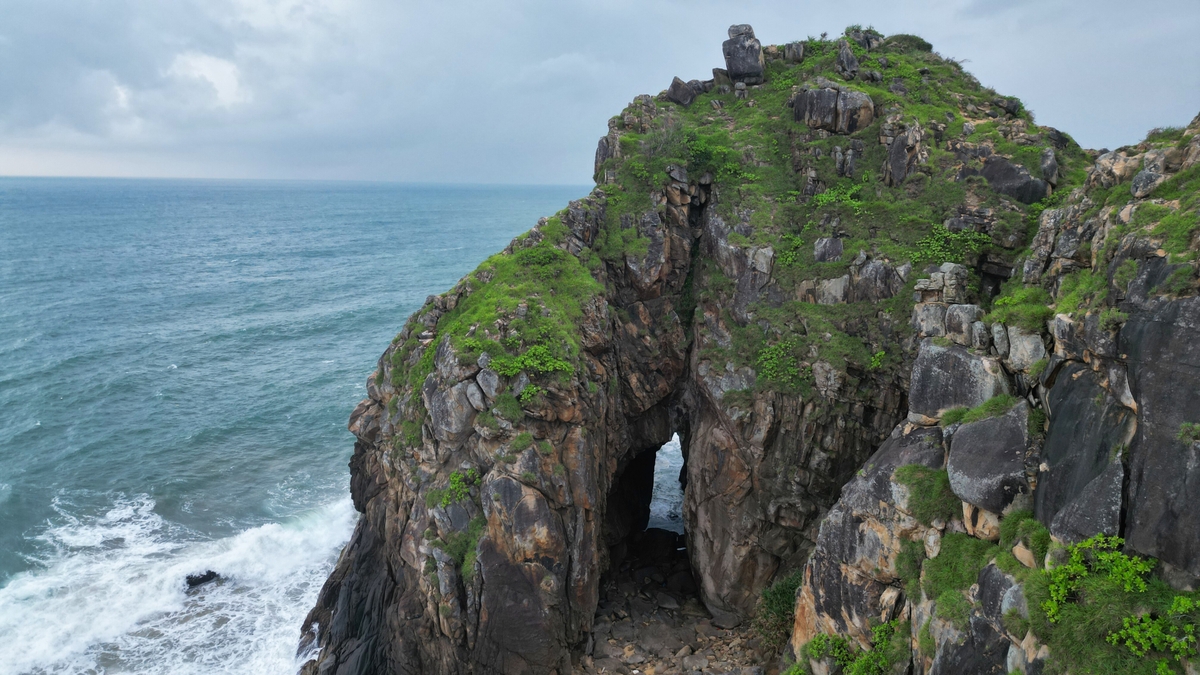
Now, after the territorial merger, should Dak Lak and the Central Highlands embrace a new atmosphere, allowing new local cultural and artistic expressions to gradually emerge and integrate with the spirit of the mountain winds and sea waves?
Source: https://baovanhoa.vn/van-hoa/bai-1-thach-thuc-tu-duy-cu-173188.html

























































Comment (0)