

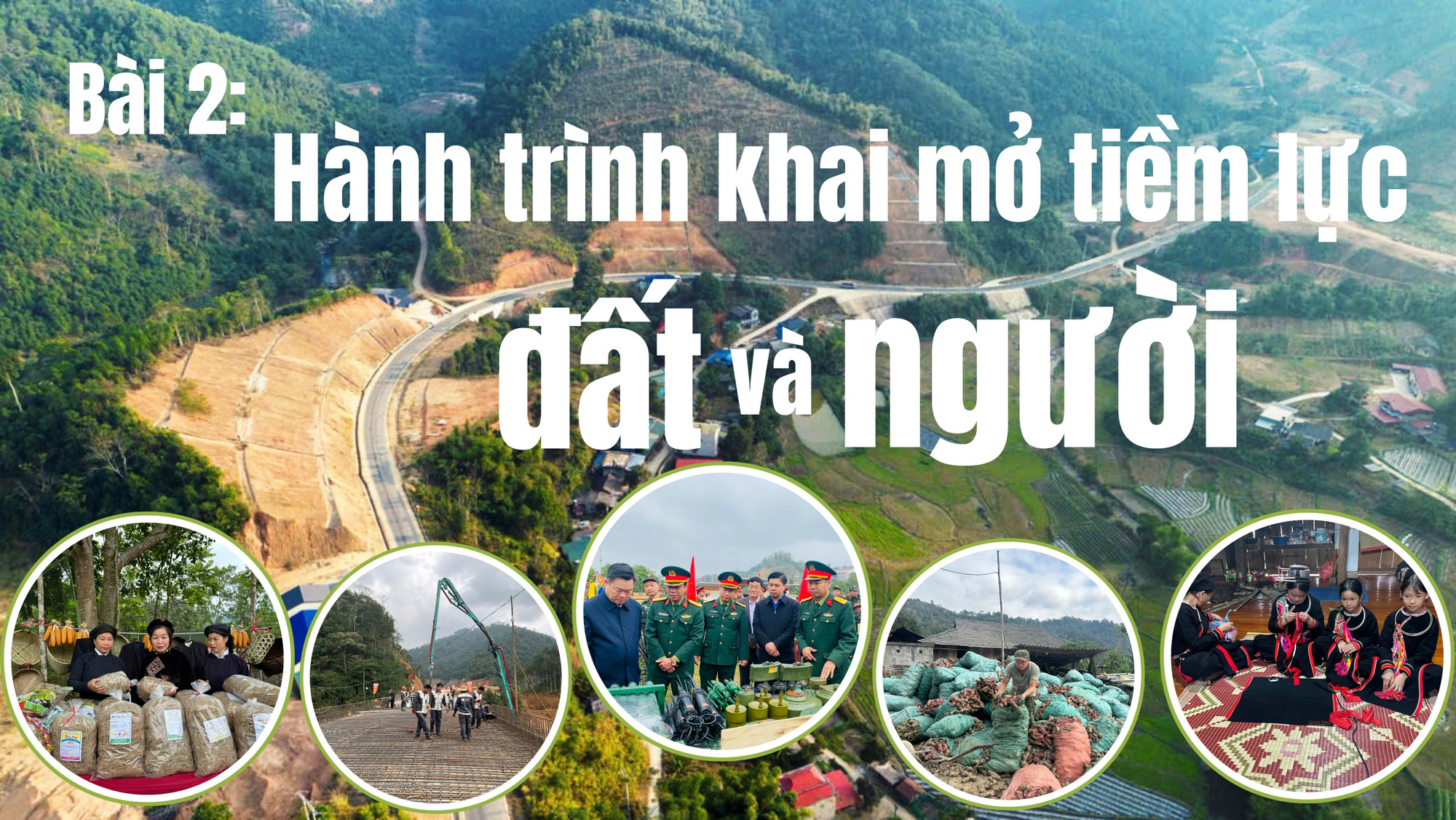
Starting from a low base, with weak infrastructure, a lack of resources, and a relatively new organization, after nearly three decades, Bac Kan has steadily progressed, establishing itself based on its unique strengths. A small mountainous province with limited internal resources has overcome all obstacles to establish its development path, taking the promotion of human resources, natural resources, and highland culture as its foundation.

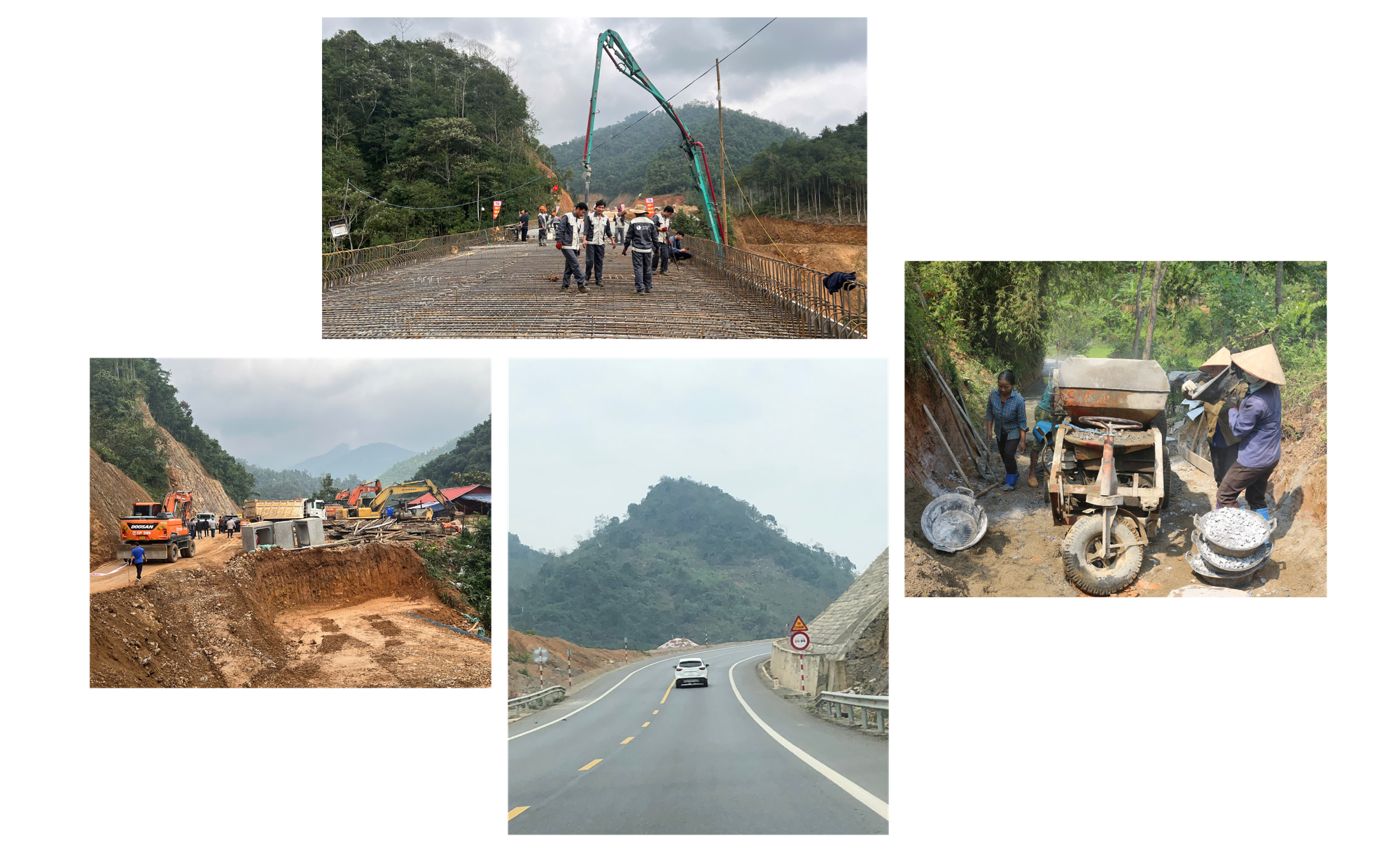
The first decade after the province's re-establishment was a period of overcoming difficulties. Administrative and functional areas, as well as infrastructure like electricity, roads, schools, and health stations, were top priorities for Bac Kan during this period of national reconstruction.
With the mission of "leading the way," transportation has been identified as a key breakthrough area for Bac Kan to escape its isolation. As a province located in the Northeast economic region, many key and urgent inter-regional transportation projects are being urgently implemented. From national highways 3, 3B, and 279, which are being gradually invested in and upgraded, to provincial roads 255, 257, 258, and 259… This interconnected transportation system is the foundation for further development, creating a new driving force for socio-economic growth.
In the following years, the urbanization rate throughout the province was quite rapid. Thousands of large and small projects were invested in, gradually removing infrastructure bottlenecks. The appearance of rural and urban areas has become increasingly vibrant, and along with the socio-economic momentum, Bac Kan has gradually overcome its "lagging" status.

Lacking significant industrial advantages or a strong business ecosystem, Bac Kan has chosen a path suited to its specific conditions: developing sustainable forestry, commercial agriculture , and eco-tourism – community-based tourism.
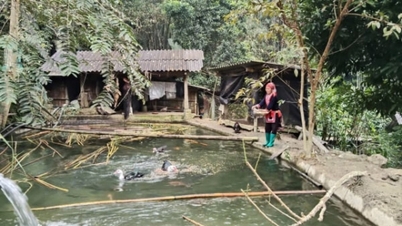
As a predominantly agricultural province, agriculture has always held a leading position, serving as the foundation and cornerstone of the local economy. While in the early days after its re-establishment, the people struggled to make ends meet, within just a decade, Bac Kan had solved the problem of food security, and farmers were gradually escaping poverty in their homeland.
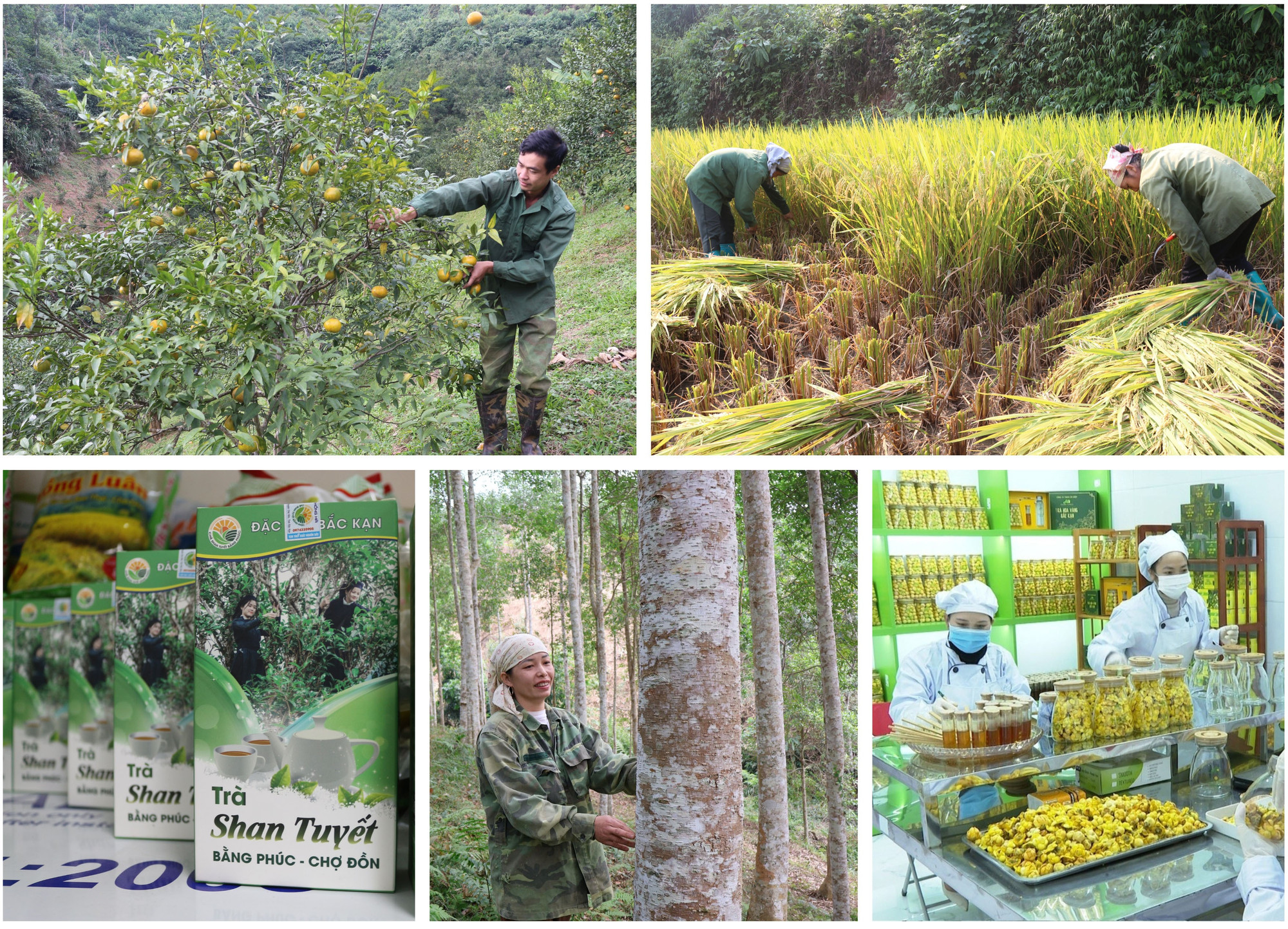
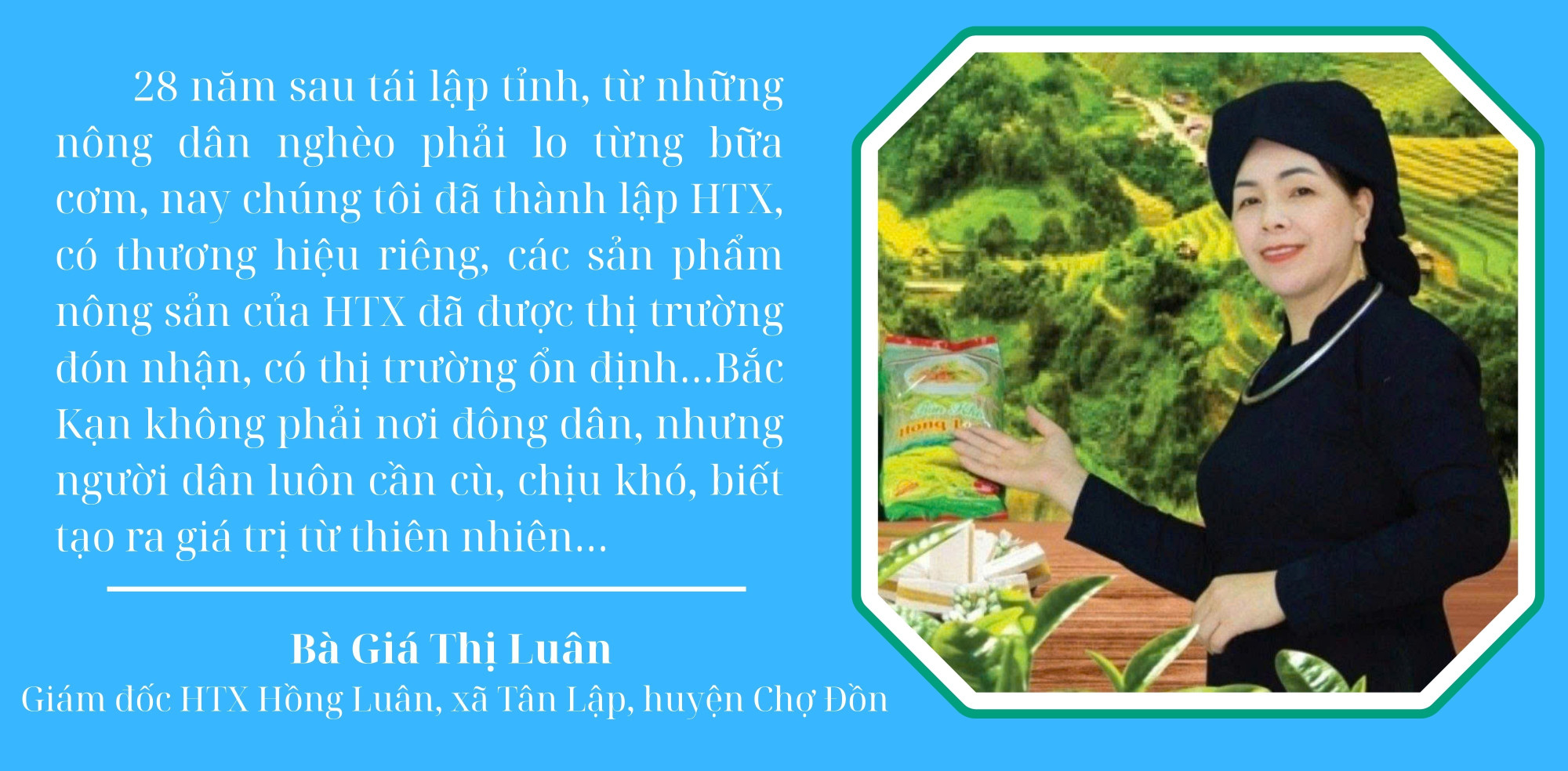
The Party Committee and the government have implemented appropriate policies to invest in agriculture, focusing on exploiting potential and advantages to develop production towards a commodity-based approach. Key crops with advantages have been planned into concentrated production areas, such as: Bao Thai rice growing area in Cho Don, Khau Nua Lech sticky rice in Ngan Son; Shan Tuyet tea in Bang Phuc (Cho Don); ginger in Na Ri and Ba Be; oranges and tangerines in Bach Thong, Cho Don, and Ba Be… Many products have been recognized with geographical indications and collective trademarks. The Bac Kan OCOP brand has recently made a nationwide impact with 245 recognized products.
Forests are an invaluable resource and a comparative advantage for Bac Kan, with forested hills covering over 85% of its area. The vegetation is rich and diverse, with many valuable forest products and medicinal plants. With a forest cover rate exceeding 73%, Bac Kan has the highest forest cover rate in the country.
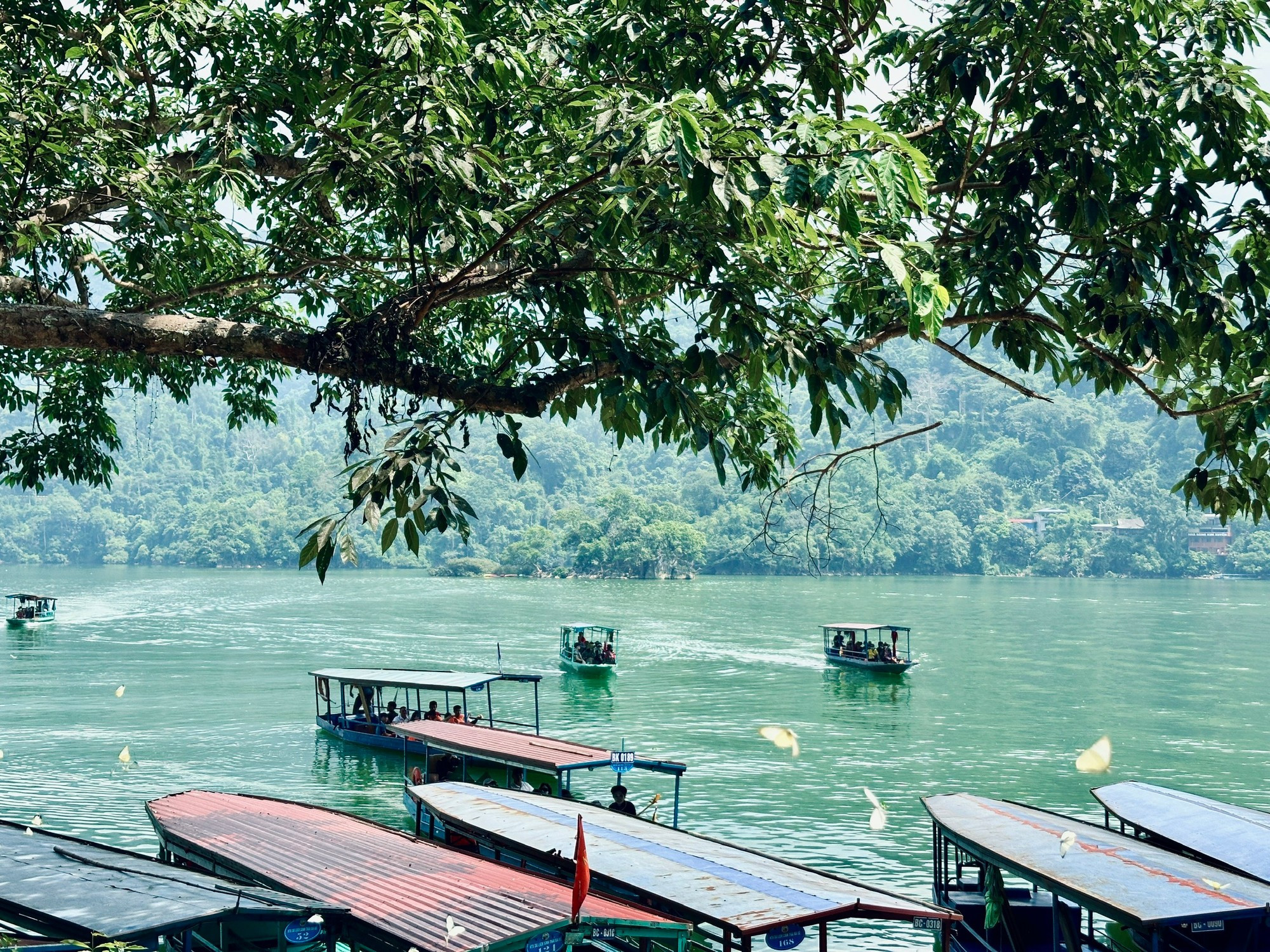
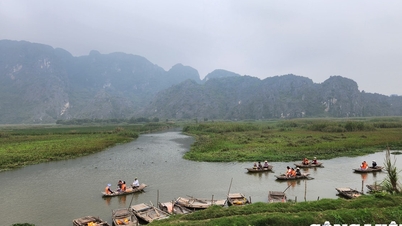
Geological tectonic activity has created unique natural wonders in the Bac Kan region. The famous Ba Be Lake is not only a valuable natural heritage but also a potential for Bac Kan to develop tourism.
Nature and the environment have endowed Bac Kan with abundant potential for economic development. This also provides the conditions for the locality to "choose the right direction."

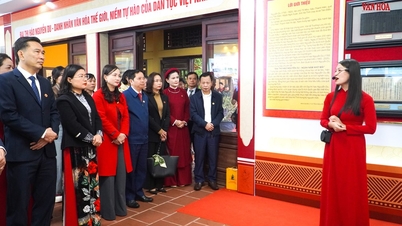
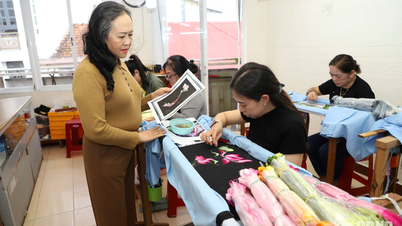
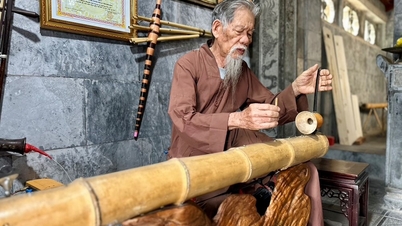
Culture and people are the third pillar in the sustainable development strategy. Traditional cultural forms such as Then singing, Tinh lute playing, Bat dance, Sli, Luon, Pao Dung... are being restored and passed down within the community. Traditional festivals such as Long Tong, Ba Be Spring Festival, Mu La, Tham Temple Festival, Gau Tao Festival... with their unique characteristics of the highlands, are increasingly attracting locals and visitors from afar. Folk melodies echoing from the mountain slopes, vibrant traditional costumes in the market, and many beautiful aspects of the customs and traditions of the people are like an underground cultural current nourishing the souls of the people of Bac Kan through generations.
With over 80% of its population being Tay, Nung, Dao, and Mong ethnic groups, Bac Kan's ethnic landscape is colorful yet unified in its diversity. The process of building villages, preserving communities, conquering nature, and engaging in productive labor has strengthened the community, creating a powerful sense of solidarity. The virtues of diligence, hard work, simplicity, and unwavering faith in the Party and the revolution, nurtured through generations, are also valuable assets that define the unique character and values of the people of Bac Kan.
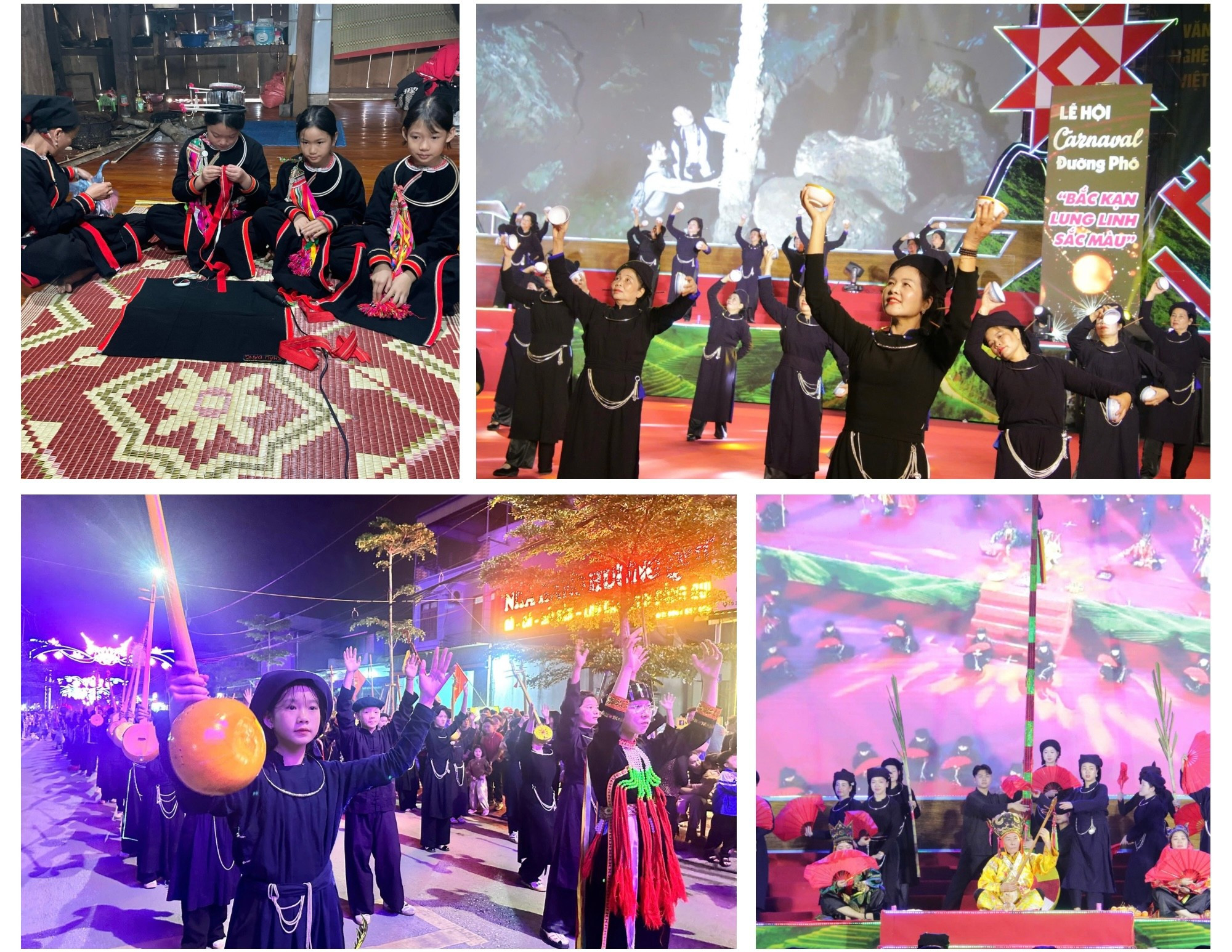
The rich potential and strong cultural identity are inherent strengths, a source of pride, and a foundation for the people of Bac Kan to promote their unique values and strengths for integration and development. (to be continued)
Source: https://baobackan.vn/bai-2-hanh-trinh-khai-mo-tiem-luc-dat-va-nguoi-post70981.html


![[Image] Central Party Office summarizes work in 2025](/_next/image?url=https%3A%2F%2Fvphoto.vietnam.vn%2Fthumb%2F1200x675%2Fvietnam%2Fresource%2FIMAGE%2F2025%2F12%2F18%2F1766065572073_vptw-hoi-nghi-tong-ket-89-1204-jpg.webp&w=3840&q=75)












![[Update] Announcement Ceremony for the Merger of Provincial and Commune-Level Administrative Units in Thai Nguyen and Bac Kan Provinces](https://vphoto.vietnam.vn/thumb/402x226/vietnam/resource/IMAGE/2025/6/30/0de85cb56da843d897e30016b57b1412)


















































Comment (0)