

- In the first six months of the year, the country's tourism sector generated 518 trillion VND.
- Determined to maintain security and order in tourism and promote economic growth after the merger.
- Spreading the cultural, economic, and tourism imprint.
Many advantages
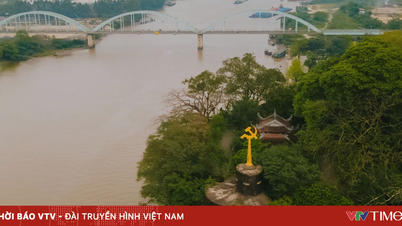
Before the merger, Bac Lieu province had 12 typical tourist destinations in the Mekong Delta region. In the hearts of tourists, Bac Lieu is a land of cultural tourism, associated with unique branded products unlike any other locality. These include the Bac Lieu Prince's House Tourist Area, the Quan Am Buddhist Temple, Hung Vuong Square, the Southern Traditional Music and Cao Van Lau Memorial Area. Beyond its cultural depth, Bac Lieu tourism also embraces a grand aspiration being nurtured by clean energy destinations.
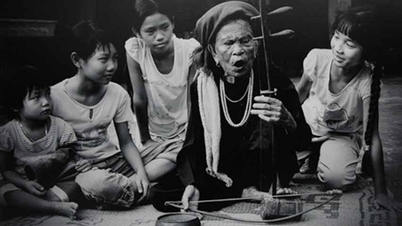
In the former Ca Mau province, visitors can immerse themselves in the blue of the sea and vast, pristine forests, listen to stories of Uncle Ba Phi, let their souls wander to the melodies of traditional folk music, and enjoy local specialties. This southernmost land of Vietnam attracts tourists with many destinations such as: Ca Mau Cape Tourist Area, Khai Long Tourist Area, Da Bac Island, U Minh Forest, Song Trem Ecological Tourist Area...

Despite possessing many development advantages, tourism in Ca Mau and Bac Lieu previously faced numerous obstacles and lacked a commensurate position in the region. These included their distance from major tourist transit hubs, inadequately developed transportation infrastructure, a shortage of high-end resorts, and a lack of truly attractive nightlife offerings. Particularly concerning was the overlap in tourism product offerings with other provinces in the region and within the two former localities themselves. Therefore, restructuring tourism tours and routes is crucial after the merger to enable Ca Mau province to achieve a breakthrough in tourism.

Opening up great opportunities
Mr. Tran Van Thao, Director of Vietravel's Ca Mau branch, shared: "After the merger, Ca Mau's tourism brand is larger, and its products are more diverse and of higher quality. Especially in the future, when the Can Tho - Ca Mau expressway is completed and Ca Mau airport is expanded, it will open up huge opportunities for tourism businesses to develop."

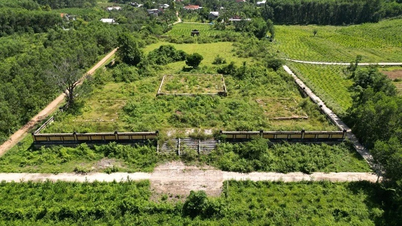
To anticipate new trends, according to Mr. Thao, the company is reorganizing its tours, highlighting its signature products while ensuring a harmonious blend of tourism types. Previously, with a popular clientele from the central and northern provinces, after arriving at Can Tho airport, tourists would travel along the route through Can Tho, Soc Trang, Bac Lieu, and Ca Mau. Now, the tour the company plans to develop will first take visitors to Ca Mau Cape and U Minh Ha National Park, then travel back along National Highway 1 to visit the Noc Nang historical site and Tac Say Church, and finally explore destinations in the former Bac Lieu province. The company has also identified the Hoa Binh 1 Wind Power Ecotourism Area in Vinh Hau commune as one of the key products of the Ca Mau exploration tour.

Immediately after the provincial merger, the Bac Lieu Prince Tourism Service Joint Stock Company in Bac Lieu ward actively surveyed the products of the former Ca Mau province and sought partners for collaboration and development.
Ms. Phan Thi Mong Dung, Head of Sales at Cong Tu Bac Lieu Hotel, said: “Through surveys, Cong Tu Bac Lieu Hotel has collaborated with Hoang Ho Restaurant and Hotel in An Xuyen ward to connect destinations. Both sides have also agreed to develop a ‘mountain and sea’ tour to offer tourists a journey to discover the natural beauty and cultural identity of this new land.”
Now, the Ca Mau region is becoming more attractive and colorful, boasting a convergence of captivating destinations. Its vast space has opened up new and alluring avenues, inviting tourists and visitors from afar to come and experience it.
Huu Tho - Thanh Nhan
Source: https://baocamau.vn/ban-do-du-lich-sau-hop-nhat-a121308.html

![[Photo] General Secretary and President To Lam presides over a meeting on preparations for the review of one year of operation of the three-tiered government system.](https://vphoto.vietnam.vn/thumb/1200x675/vietnam/resource/IMAGE/2026/06/02/1780391821195_a1-bnd-4595-9717-jpg.webp)




































































Comment (0)