

- Through the Resolution adjusting the Ca Mau Provincial Planning
- Announcement of the planning for the U Minh Ha National Park Ecotourism Area.
- Improving the quality of planning work towards a more integrated and modern approach.
The demand for housing is increasing.
Following the merger, the migration of a significant number of officials, civil servants, citizens, and businesses from the Bac Lieu area to the provincial capital of Ca Mau increased significantly. Consequently, the demand for housing became a pressing issue. The estimated need for housing for civil servants, officials, and employees in Party and State agencies alone exceeds 3,000 units.
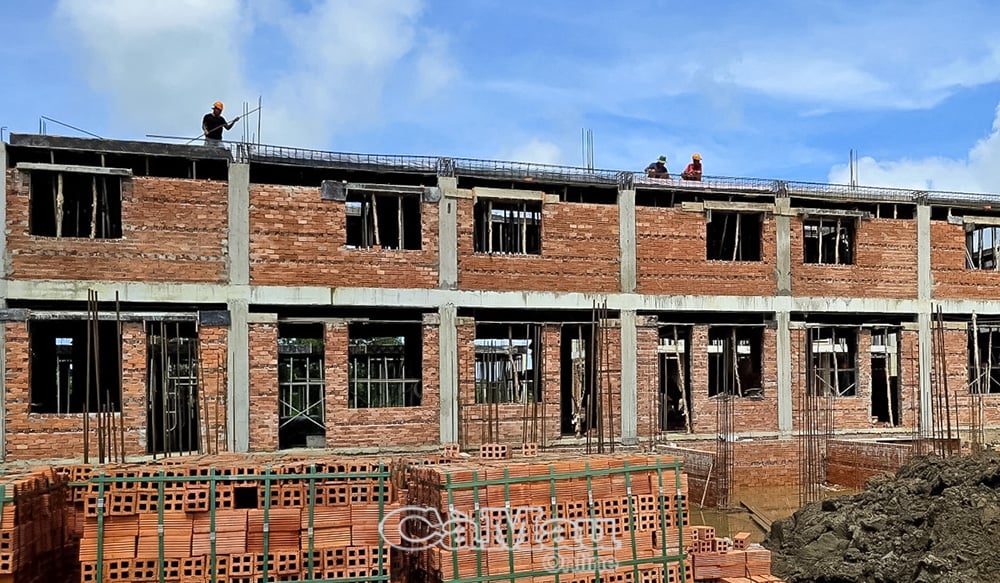 Social housing construction project in An Xuyen ward.
To meet housing needs, the Provincial Party Committee, the Provincial People's Council, and the Provincial People's Committee, with the highest political determination, directed that 100% of cadres, civil servants, and public employees working in Party, government, Front, and mass organization agencies of the former Bac Lieu province who come to work in the new administrative unit of Ca Mau province be provided with housing; at the same time, the province also implemented and promoted the conditions for building social housing areas to meet the needs of the people. Accordingly, Ca Mau province has been implementing 14 social housing projects, including 6 independent social housing projects covering an area of 38.33 hectares with 3,758 units; and 8 social housing projects within 20% of the land allocated for commercial housing projects, covering an area of 39.87 hectares with 5,572 units.
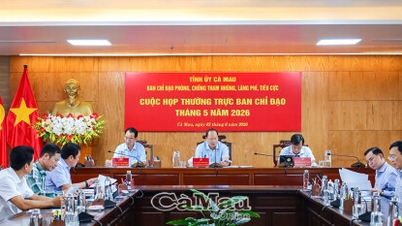
In order to facilitate the review, evaluation, and adjustment of construction planning ; and to ensure synchronized, effective, and appropriate implementation in accordance with the actual situation after the merger, the Department of Construction is coordinating the review and adjustment of the provincial planning, the implementation of investment projects, the management of construction space, urban development, and technical infrastructure of the newly merged communes and wards in the province, thereby ensuring the conditions for socio-economic development of the locality.
Urban spatial development orientation
According to the planning orientation, Ca Mau city is the political, administrative, economic, cultural, and social center, playing a leading role in growth; Bac Lieu city is the center of culture and arts, education and training, science and technology, trade, tourism, and recreation, reflecting the multicultural identity of Southern Vietnam. Ca Mau aims to focus on the rapid development of key urban areas and potential regions, expanding development space, rationally distributing population and infrastructure; accelerating urbanization, striving to achieve an urbanization rate of over 40% by 2030 and over 65% by 2050.
To focus investment on developing dynamic urban areas, the People's Committee of Ca Mau province has identified targeted and prioritized investments, in line with approved plans and programs. Initially, the focus will be on reviewing the current state of infrastructure investment in key communes and wards; based on the criteria for urban classification as stipulated, resources will be allocated to develop a synchronous and modern urban system. Priority will be given to investing in technical and social infrastructure; upgrading and expanding existing urban areas, and forming new urban areas according to planning; linking urban development with economic restructuring, job creation, and improving the quality of life; strengthening investment attraction, while effectively managing land, construction, and urban order.
In addition, the province is focusing on developing and distributing modern, green, and smart urban architecture, forming a chain of dynamic urban areas and coastal urban areas connecting with the urban system of the Mekong Delta region and the nation. It is projected that by 2030, Ca Mau will have 32 urban areas, including 2 Type II urban areas and 30 Type III urban areas, with a target of 42 urban areas by 2050. The Ca Mau - Dat Mui expressway and the coastal road will be updated as the main development axes; the Hon Khoai dual-use integrated port and the road to the island will be identified as key regional projects with national significance.
Strengthen mechanisms to attract investment resources, gradually overcoming the shortage and inconsistency of urban infrastructure, especially inner-city transportation and water supply and drainage systems. Simultaneously, promote investment in the development of a comprehensive transportation infrastructure; effectively utilize public investment capital; accelerate the progress of key national and provincial projects; implement projects to upgrade and expand the transportation network connecting commune centers, urban areas, coastal economic zones, and fisheries infrastructure, as a basis for promoting sustainable socio-economic development.
To bring rural areas closer to urban areas.
Defining rural development based on value chain linkages and climate change adaptation, the province has formed a national shrimp industry chain according to regional assignments: Bac Lieu (formerly) as a center for high-tech shrimp breeding and energy; and Ca Mau (formerly) as a large-scale seafood processing and raw material area. Rural development is zoned according to ecology; developing diversified agriculture in freshwater and brackish water areas, preserving mangrove forests, developing community-based ecotourism along the coast; and building processing and logistics industrial clusters in type IV and V urban areas to enhance the value and services of rural areas.
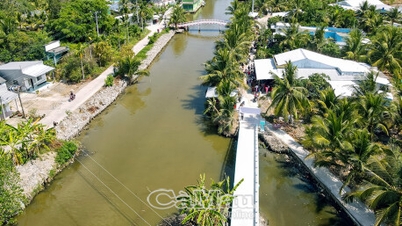
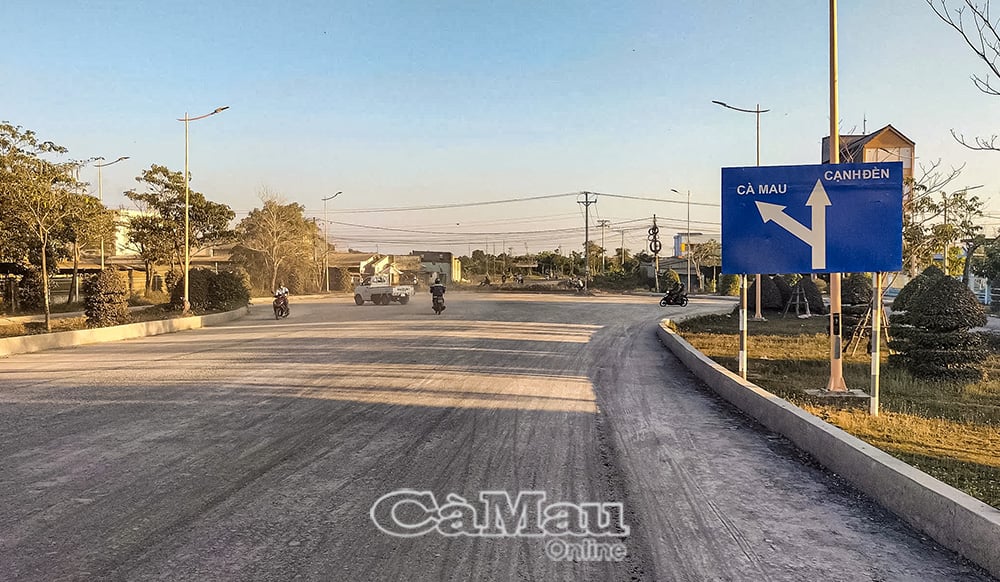 The Pho Sinh - Canh Den road is one of the main transportation arteries connecting and developing urban areas in rural regions.
Ensure that commune centers and rural settlements provide essential services to residents and have convenient transportation connections to urban areas. Limit the development of scattered populations in vulnerable areas; concentrate population development according to planning, in commune centers and along main transportation routes to efficiently utilize infrastructure. Prioritize investment in and comprehensive upgrading of technical and social infrastructure according to the criteria of a modern new rural area, adapting to climate change; strengthen investment in rural transportation connecting production areas with urban areas, ensuring resilience and limiting flooding.
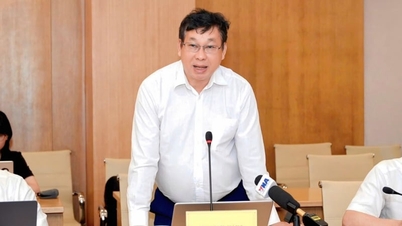
To successfully implement the above directions, Mr. Nguyen Truong Han, Deputy Director of the Department of Construction, said that the province has identified the top solution as focusing on mobilizing resources, using "public investment to lead investment" (seed capital), combined with diversifying capital sources, especially implementing PPP (Public-Private Partnership) projects for large infrastructure projects such as the Ca Mau - Bac Lieu urban connection route. At the same time, the province also requested the Central Government to soon approve the adjustment of the National Master Plan (2021-2030) as a legal basis; the regional plan for the period (2021-2030), with a vision to 2050; include in the medium-term public investment plan for the period 2026-2030 projects to upgrade the National Highway and coastal road; and provide special capital support for Ca Mau province to invest in completing the inter-provincial transportation infrastructure system.
By creating new development spaces, Ca Mau will maximize its potential, becoming a dynamic and sustainable growth pole in the southernmost part of the country.
Kim Phuong
Source: https://baocamau.vn/kien-tao-khong-gian-phat-trien-a129363.html





































































Comment (0)