


You need to eat both fruits and vegetables to get enough essential micronutrients for good health - Illustration.
Uses in cooking
In terms of flavor, fruits are usually sweet or sour, while vegetables tend to have a salty taste when cooked.
In some cases, foods considered fruit are actually considered vegetables in the kitchen, such as tomatoes, avocados, and cucumbers. These fruits are often treated as vegetables when cooked. They are neither overly sweet nor sour, and are usually eaten alongside other vegetables.
Nutritional value
Both vegetables and fruits offer many nutritional benefits. They are both rich in vitamins, minerals, water, and fiber, and low in calories and fat. However, there are some differences in nutritional value between vegetables and fruits:
- Sugar content: In general, fruits contain more sugar than vegetables. The natural sugars in fruits are generally considered healthy. However, the natural sugar content can still be a concern for those who need to control their sugar intake, such as people with diabetes.
- Calorie content: Fruits also tend to contain more calories than vegetables due to their higher sugar content.
- Starch: Some vegetables like potatoes and corn contain higher amounts of starch and are a type of complex carbohydrate. People who need to limit their sugar intake should also control their consumption of starchy vegetables.
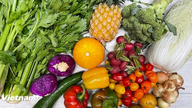
Are vegetables or fruits healthier?
Although there are some differences in nutritional value, both fruits and vegetables are important in a healthy diet.
If you only eat fruit, you'll be missing out on important nutrients like vitamins K and A. If you only eat vegetables, you'll be lacking vitamin C and antioxidants. In general, both fruits and vegetables are essential for your health.
The health benefits of fruits and vegetables
The essential nutrients in fruits and vegetables offer numerous health benefits, including:
- Cardiovascular health: A diet rich in fruits and vegetables can help prevent the risk of cardiovascular diseases such as high blood pressure, heart attack, and stroke.
- Supports the immune system: Essential nutrients in fruits and vegetables support the body's ability to defend against infection, primarily by reducing inflammation.
- Cancer prevention: Eating plenty of fruits and vegetables promotes an overall healthy diet, protecting your body from certain types of cancer.
- Protecting brain health: Nutrients from fruits and vegetables support mental health and help keep the brain sharp as you age.
How much fruit and vegetables should you eat each day?

The U.S. Department of Agriculture recommends the following daily servings of fruits and vegetables for adults (19 years and older):
- Women: 1.5-2 servings of fruit and 2-3 servings of vegetables (each serving equivalent to 80g of fresh fruit/vegetables).
- Men: 2-2.5 servings of fruit and 3-4 servings of vegetables.
The World Health Organization (WHO) recommends that adults eat at least 400g of fruits and vegetables every day, but the average Vietnamese person only consumes about 231g, much less than the recommended amount.
Source: https://tuoitre.vn/ban-nen-an-bao-nhieu-rau-va-trai-cay-moi-ngay-20251112075942479.htm































































![[Video] Sunset at Lap An Lagoon – Where the sun sets over the fishing nets](https://vphoto.vietnam.vn/thumb/1200x675/vietnam/resource/IMAGE/2026/05/31/1780192137701_beach-landscape-sea-water-nature-grass-745871-pxhere-com.jpeg)





































Comment (0)