

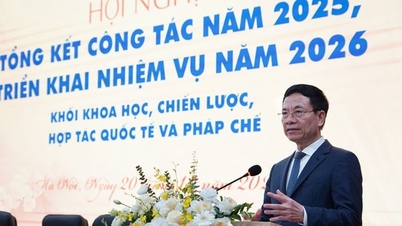
Minister Nguyen Manh Hung argued that if the press blindly follows social media, it will fall behind. Therefore, it must differentiate itself by returning to core values, using digital technology to regain ground, increasing readership, and consequently boosting advertising revenue.
Representative Ta Thi Yen (Dien Bien) raised the issue that in the context of fierce competition between traditional journalism and the internet, with social media overflowing with misinformation and fake news, besides improving quality and promoting the digitalization of journalism, how should the economic challenges and business models of journalism be addressed so that traditional journalism can compete and survive, fulfilling its role as a vanguard on the cultural and ideological front, contributing to the sustainable development of the country?
Delegates shared that the economics of journalism is a sector that can generate significant profits and is a key sector for many countries. Media and journalism have become large-scale industries, supported by technology, techniques, and government mechanisms and policies.
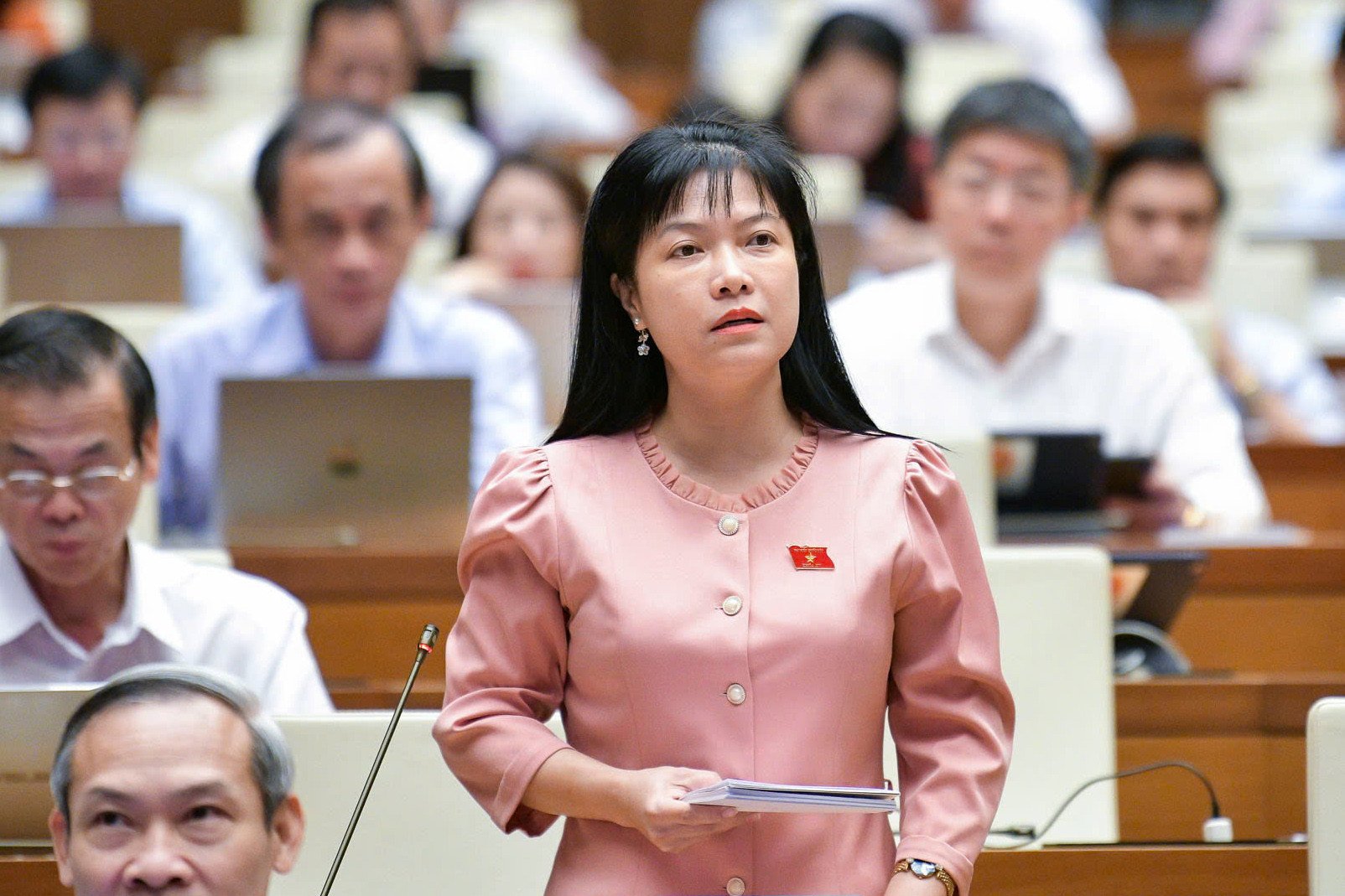
Minister of Information and Communications Nguyen Manh Hung stated, "The revolutionary press must be supported by the revolution." Many years ago, when the market economy developed, businesses were forced to advertise to sell their products, thus spending a considerable amount of money on advertising. At that time, advertising was mainly in newspapers, and the number of newspapers was not large. At that time, media outlets also desired financial autonomy and did not rely on the state budget.
But then social media emerged, accounting for 80% of online advertising, while we have many newspapers and magazines (currently 880 publications), so the revenue of the press, especially financially independent media outlets, has decreased significantly.
Minister Nguyen Manh Hung shared, "If the number of participants increases but revenue decreases, how should we handle this?"
The Prime Minister's directive on policy communication requires ministries, agencies, and local governments at all levels to consider communication as their responsibility. In addition to being proactive, having a plan, and a system for disseminating information, they must also allocate annual budgets for policy communication and use those budgets to commission journalistic work. The Minister stated that this represents a change, and in reality, since last year, agencies and governments at all levels have begun increasing their budgets for the press.
In the near future, amendments to the Press Law will also address the economics of journalism, allowing some large media organizations to engage in business related to content and media, but with the aim of producing news.
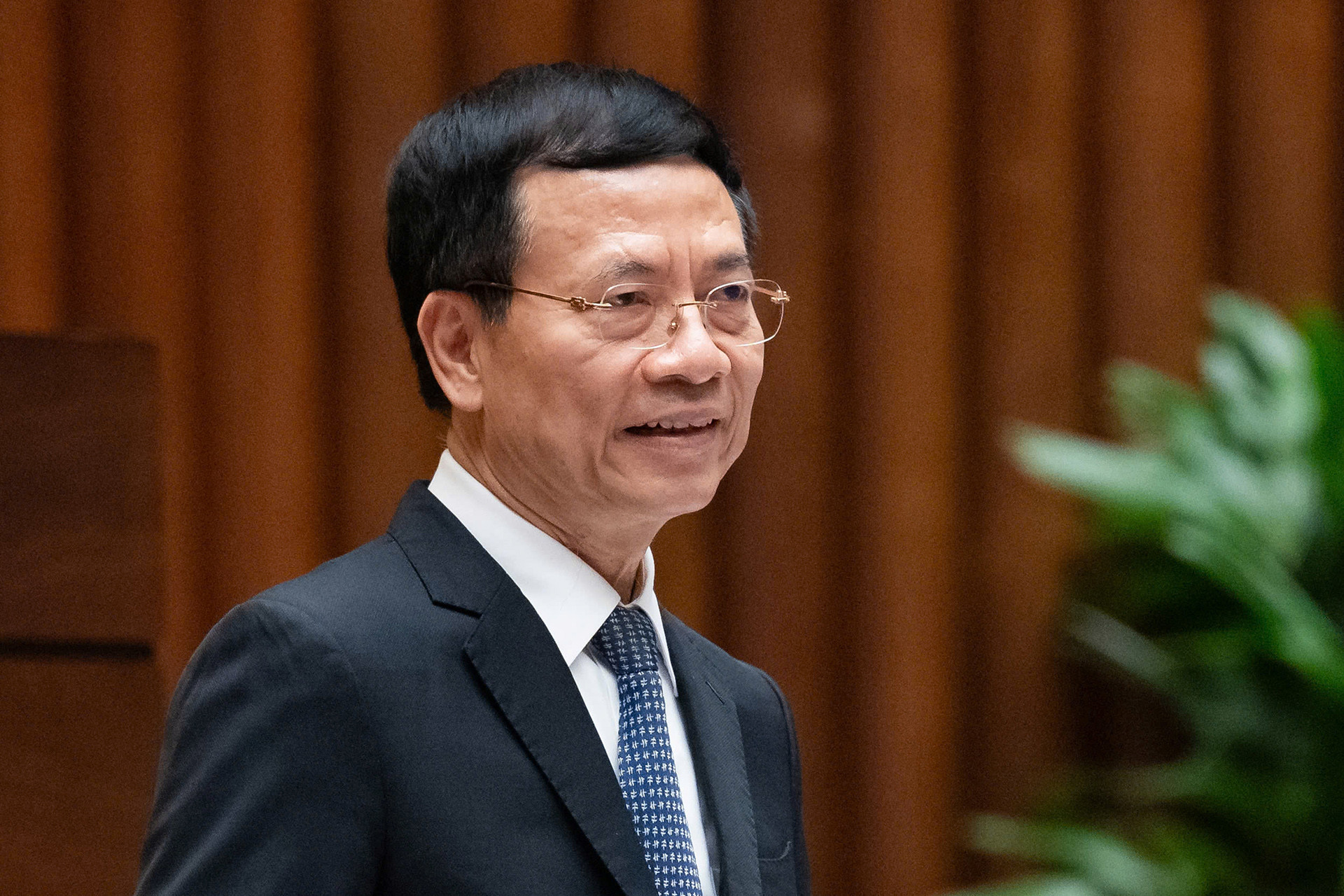
The Minister also noted that if the press blindly follows social media, it will fall behind. Therefore, there must be a difference: returning to core values, using digital technology to regain ground, increasing readership, and consequently increasing advertising revenue.
In particular, the press planning includes a very important aspect: the state will focus its investment on six key media outlets to become "media powerhouses," aiming to create favorable conditions and mechanisms for these agencies. The upcoming amendment to the Press Law will allow the government to develop a special economic mechanism for these key media outlets. The Minister hopes the National Assembly will support this initiative.
During the subsequent debate on the revenue sources of the press, delegate Do Chi Nghia (Phu Yen) noted that the Minister of Information and Communications was very concerned about the economics of journalism. Therefore, the delegate raised the issue of how to effectively support press agencies, questioning, "Why should revolutionary journalism be funded by the revolution?"
"The Minister spoke about policy communication as a way for the press to increase revenue. In my opinion, policy communication means the press must effectively carry out this work, not that it is a source of support for the press to survive," the delegate expressed his view.
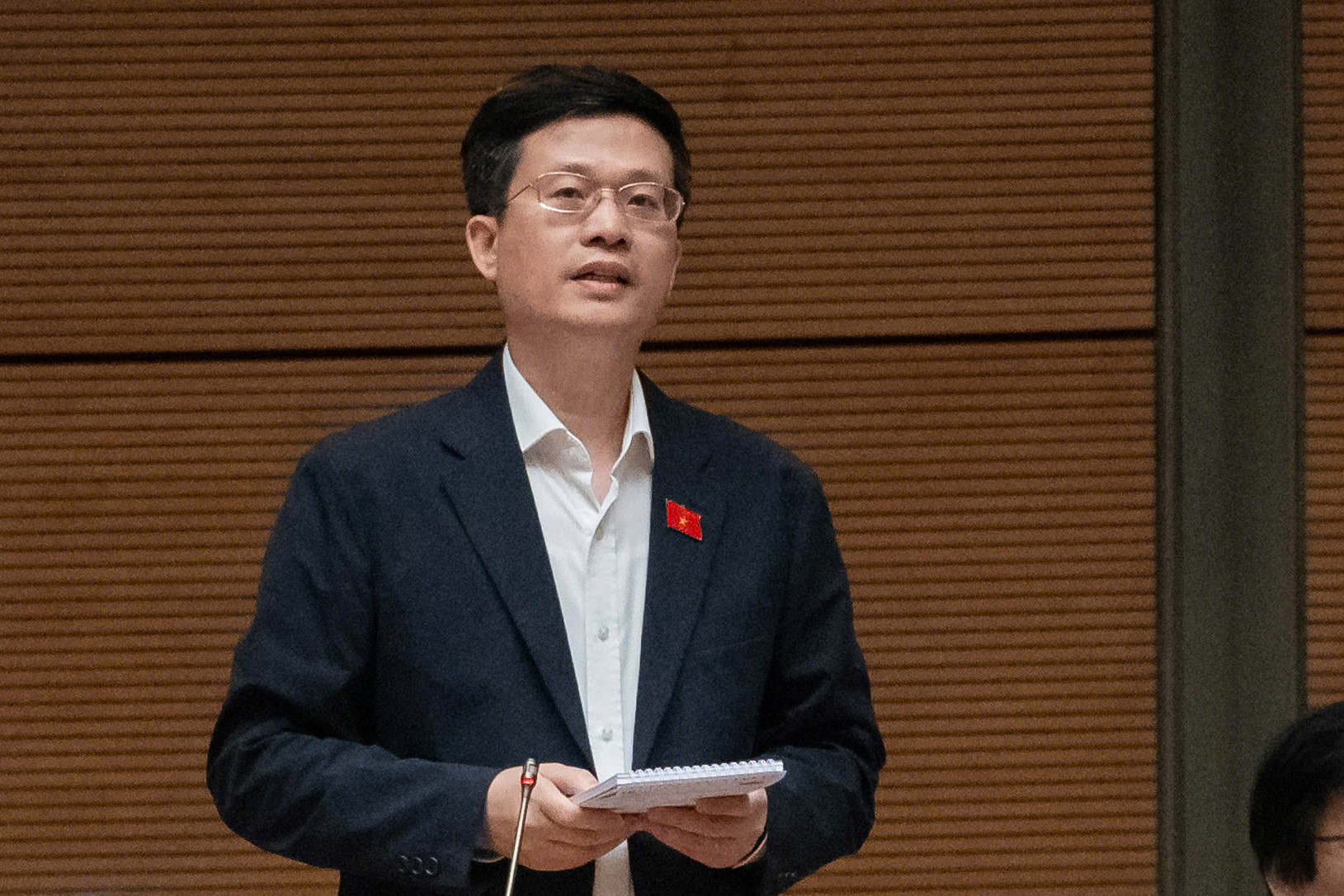
Mr. Nghia argued that "if we keep allocating funds and budgets to a few newspapers and consider them revolutionary newspapers that the revolution must support, it's clear that we haven't truly cared about their effectiveness, and to some extent, we haven't carefully considered the inherent strength of the bond between the press and the people... Speaking the truth will allow them to compete with social media and clearly indicate direction so that the public trusts the press. I don't understand how much budget can be allocated to support these press agencies..."
Regarding issues related to revolutionary journalism, the Minister stated that, "previously, revolutionary journalism was entirely funded by the revolution," and with the development of the market economy, media outlets, in addition to state budget funding, also have revenue from advertising.
With the advent of social media, advertising revenue has shrunk. Currently, about 30% of media outlets' spending comes from the state budget, while 70% is self-generated. Many large and influential media organizations receive no government support and rely entirely on the market. The Minister stated that whether this constitutes market-driven journalism is a matter that needs careful consideration.
"Does the State pay for or commission media outlets when it comes to media production?", the Minister questioned, suggesting that if the State fully funded all media outlets, it wouldn't have to pay. However, many media outlets currently manage their own facilities and operating expenses, so it's appropriate for the State to commission content with accompanying budget allocations..."
The Minister emphasized that the press needs to rely on both state budget and commissioned articles, while also closely following the market and readers – "walking on two legs" to maintain its position.
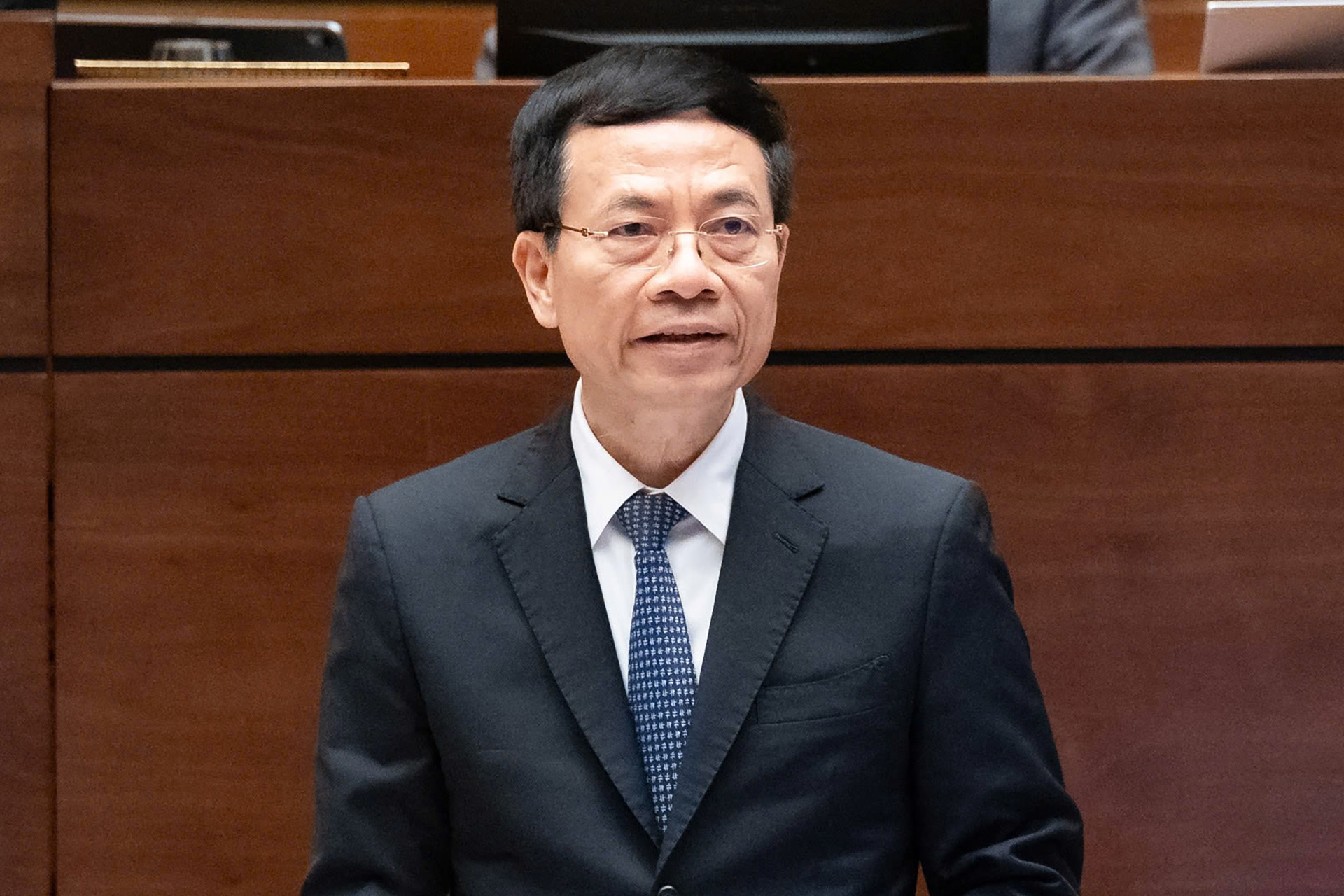
Minister Nguyen Manh Hung: We need to pay attention to the ethics of journalists because this is a special profession.
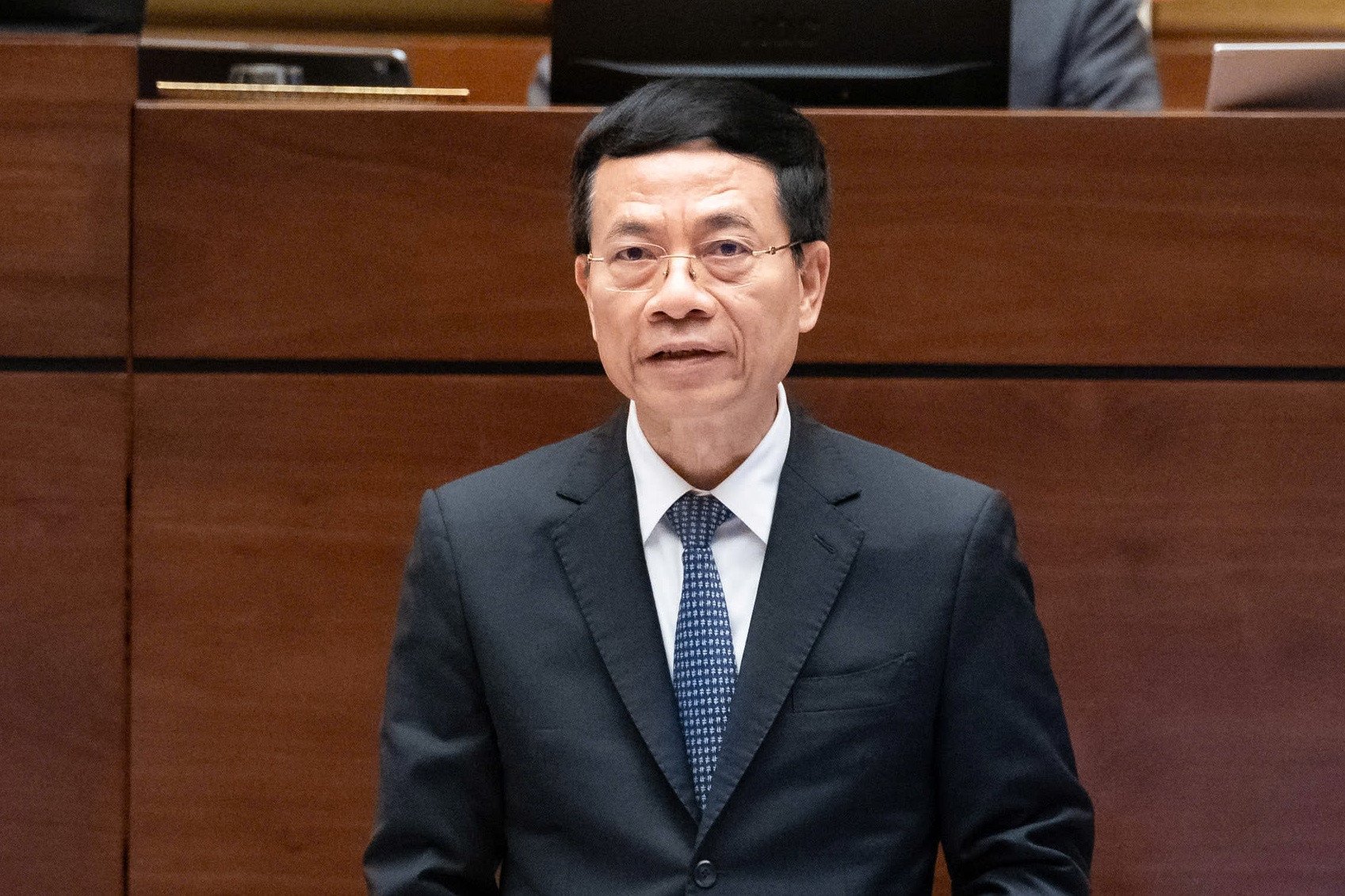
The Information and Communications Technology (ICT) sector has a revenue of $150 billion, equivalent to one-third of the country's GDP.
Source: https://vietnamnet.vn/bao-chi-dung-cong-nghe-so-va-noi-dung-khac-biet-de-lay-lai-tran-dia-2341185.html


![[Photo] Prime Minister Pham Minh Chinh presides over a meeting on private sector economic development.](/_next/image?url=https%3A%2F%2Fvphoto.vietnam.vn%2Fthumb%2F1200x675%2Fvietnam%2Fresource%2FIMAGE%2F2025%2F12%2F20%2F1766237501876_thiet-ke-chua-co-ten-40-png.webp&w=3840&q=75)






















































































Comment (0)