

However, from policy to practice, the journey of deeply integrating "ASEAN identity" into community life, especially in mountainous areas, still faces many gaps.
In Cat Thinh commune, when asked about ASEAN, many residents appeared confused.
Mr. Vu A Cho from Khe Ken village frankly shared: "Although I have been exposed to ASEAN through mass media, I honestly don't understand it well and how it relates to my life."
This answer partly reflects the general reality: ASEAN remains a "macro" concept, not yet concretized into tangible, practical benefits for the people.
In reality, although propaganda efforts have been implemented through various channels such as conferences, training courses, and local radio systems, the content remains heavily theoretical and lacks visual appeal and dynamism. The main target audience is still officials and civil servants, while the general public, who are the central stakeholders in the integration process, have not yet been fully reached.
Most communes have implemented the planned propaganda campaign, but the materials are mainly written documents with rather dry content, making it difficult to convey to the people, especially ethnic minorities.
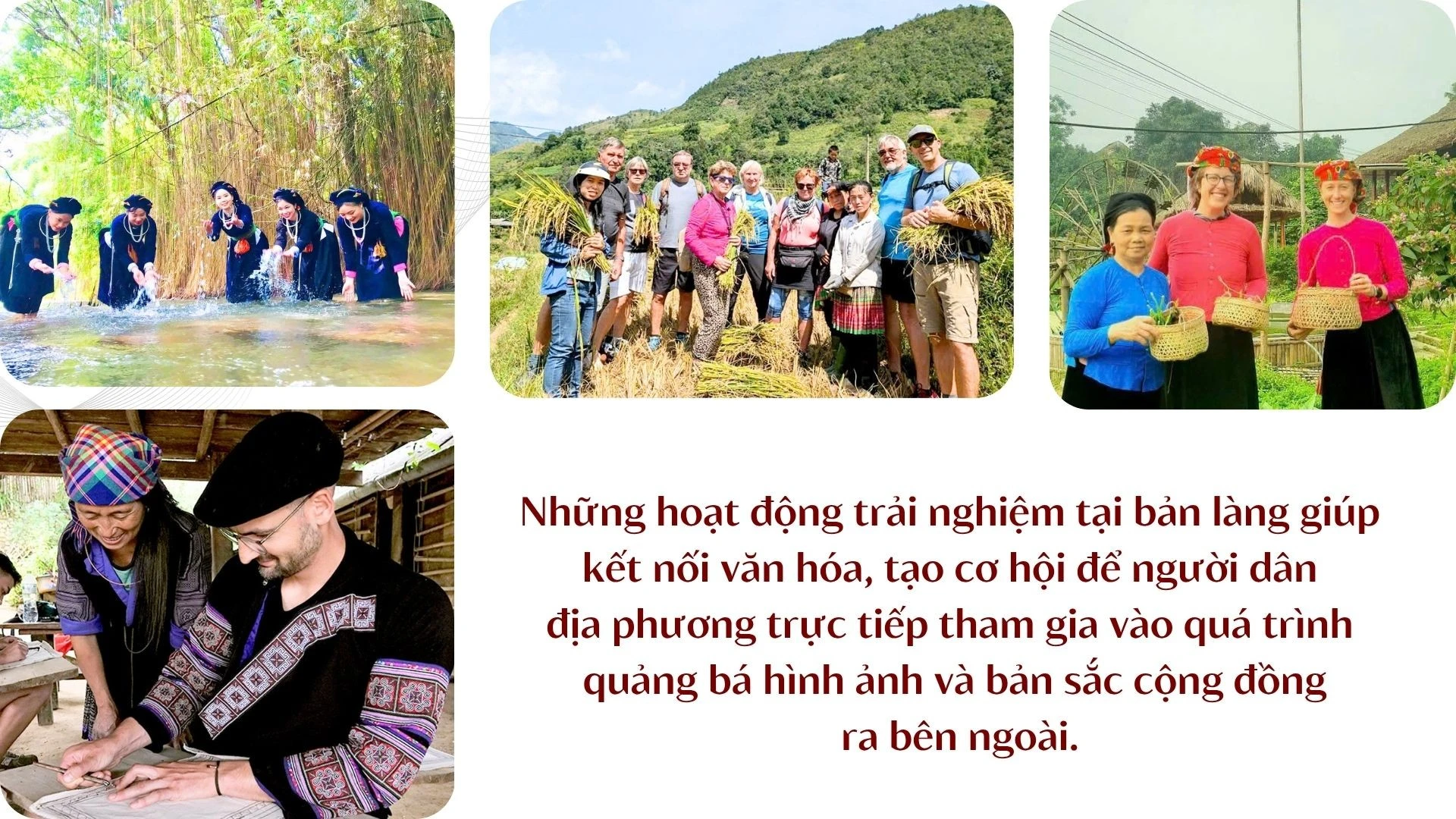
According to the province's plan, raising awareness about ASEAN should not be limited to propaganda but should also be linked to practical areas such as education , health, employment, environment, and sustainable development. However, implementation in many places remains heavily bureaucratic and lacks innovation in approach.
It's easy to see that ASEAN-related propaganda activities still mainly follow a "top-down" model, such as organizing conferences, disseminating documents, and displaying banners and slogans. Meanwhile, the requirement is to create interaction, stimulate interest, and encourage active participation from the people.
From an educational perspective, although there is a plan to integrate ASEAN content into the curriculum, implementation remains fragmented. Many students only know about ASEAN through a few general lessons, lacking practical experiences to gain a deeper understanding of the significance of regional integration.
Ms. Tran Thi Phuong, a teacher at Cam An High School in Bao Ai commune, said: "Teaching only from textbooks makes it difficult to create interest for students. They need to participate in extracurricular activities, cultural exchanges, and practical experience models to better understand ASEAN."
The highlight of the plan is building a community that is "people-centered and people-oriented." However, in reality, in many localities, people are still being left "outside" of the implementation process.
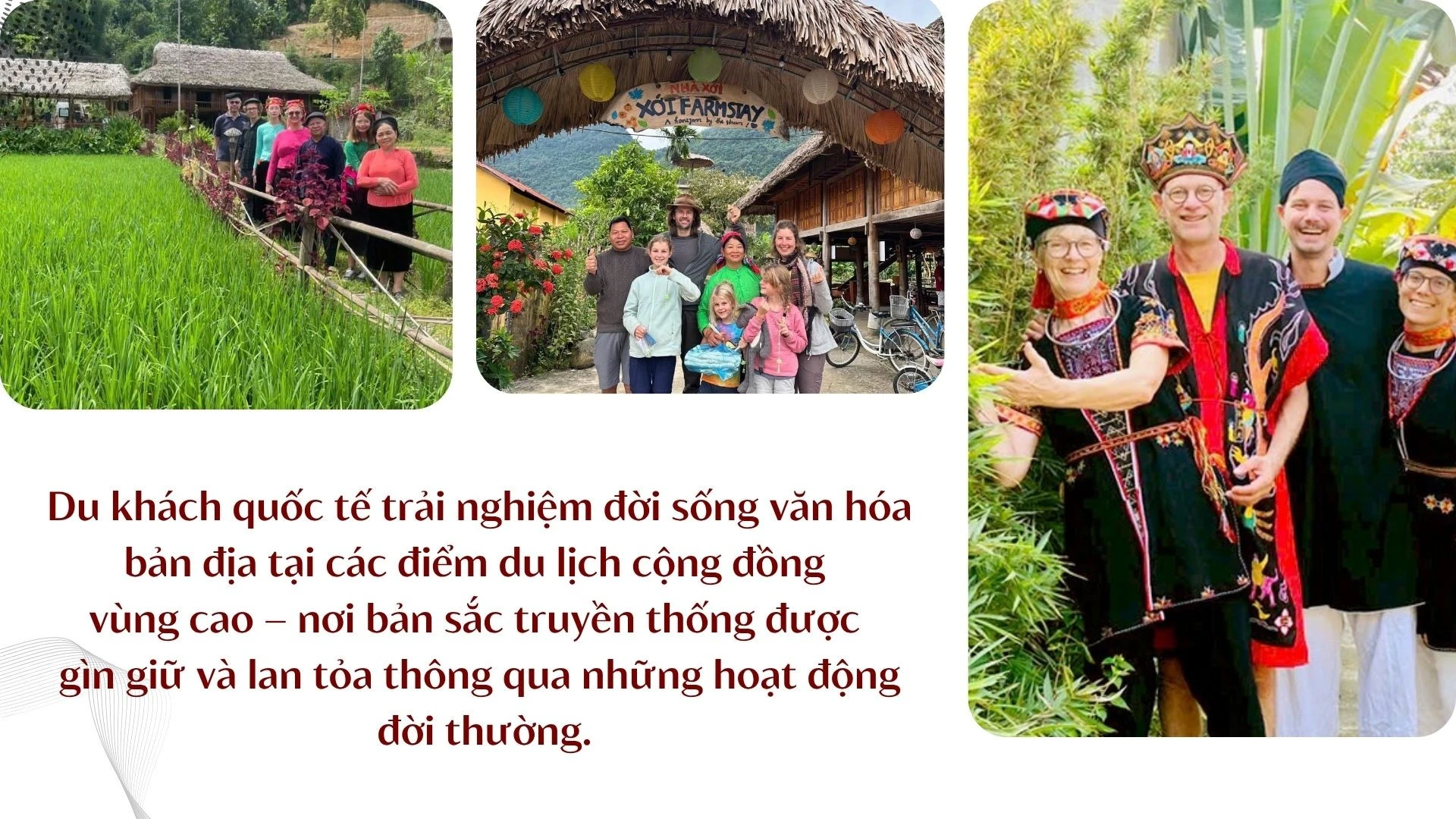
The reason is that the methods of disseminating information about ASEAN have not linked the content to the specific needs and interests of the people. When people do not see what ASEAN brings to their livelihoods, jobs, education, or cultural lives, it is very difficult for them to proactively show interest and participate.
For example, policies supporting workers going to work abroad, or educational and training cooperation programs within the ASEAN region, if communicated specifically and linked to the real-life stories of the people, will have a much stronger impact than general messages.
To bridge the gap between policy and practice, a new approach is clearly needed in disseminating and implementing the goals of the ASEAN Socio-Cultural Community.
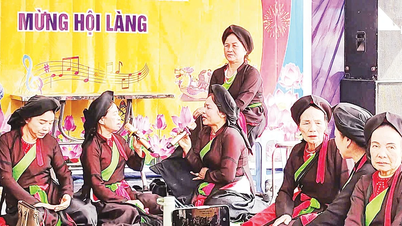
First and foremost, there needs to be a strong shift from one-way propaganda to diverse, interactive communication. Forms such as theatrical performances, social media communication, short videos , or integration into local cultural activities and festivals will help make the content more relatable and easier to understand.
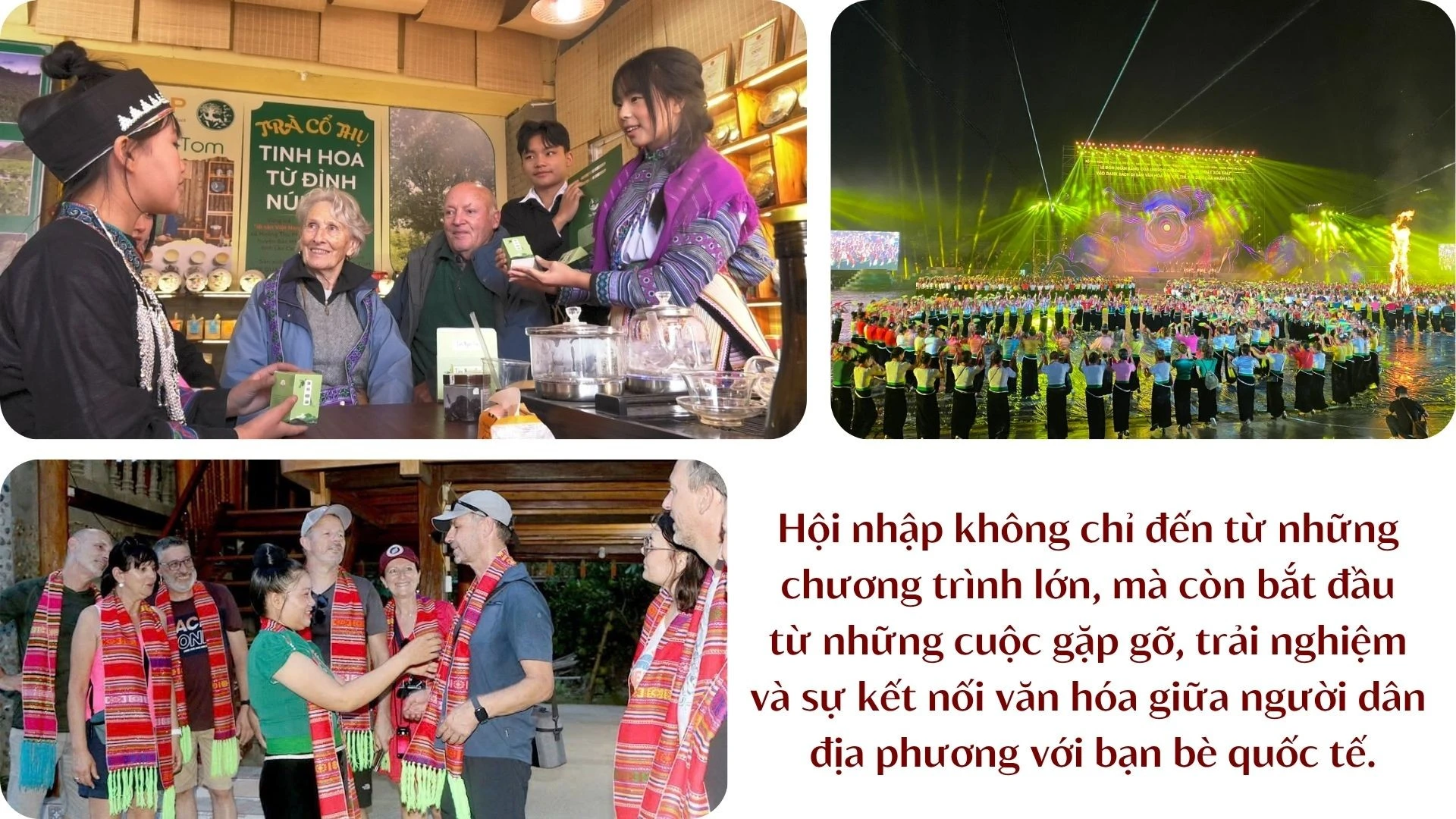
Furthermore, it is necessary to concretize ASEAN with "real-life" stories such as: workers earning stable incomes in ASEAN countries; local agricultural products being exported to the regional market; or a cultural exchange program providing learning opportunities for young people... These examples will help people "see" ASEAN in their daily lives.
In particular, the role of the grassroots level needs to be strongly promoted. Commune, village, and hamlet officials should not only be communicators of information but also "bridges" to help translate integration policies into concrete benefits for the people.
Building the ASEAN Socio-Cultural Community is not just a task for administrative agencies, but a process requiring the participation of the entire society. In this process, the people are both the center and the actors.
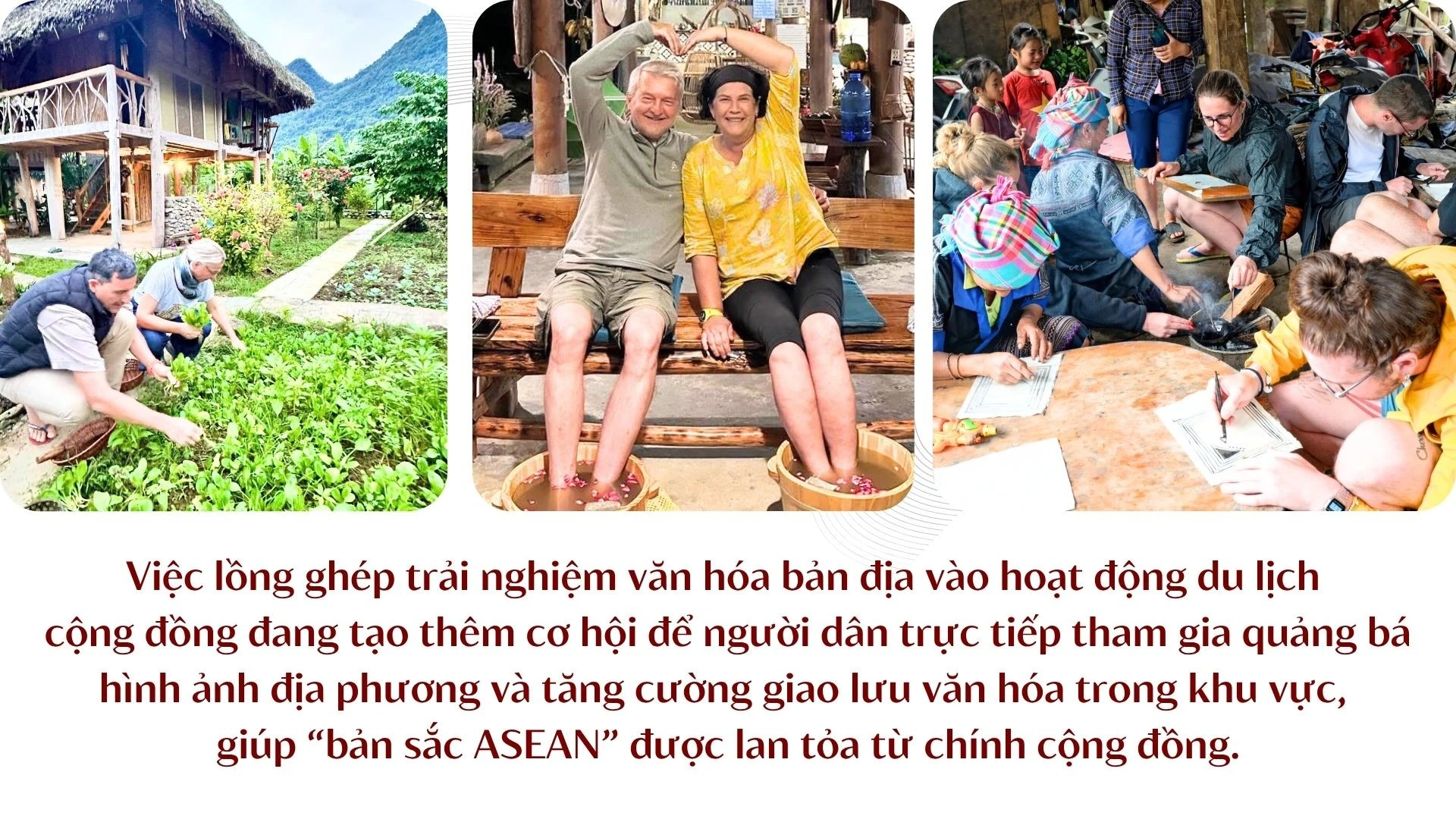
When people understand, believe in, and clearly see the benefits of integration, they will proactively participate in economic, cultural, and social development activities associated with ASEAN. Conversely, if awareness remains at a superficial level, then even the most sound policies will be difficult to implement in practice.
Bringing "ASEAN identity" to the grassroots, ultimately, is not a matter of slogans or targets, but a matter of trust, understanding, and genuine participation of the people. When that becomes a reality, integration will no longer be a distant concept, but will become a natural part of community life.
Source: https://baolaocai.vn/bat-dau-tu-nhan-thuc-cong-dong-post899750.html




![[Photo] General Secretary and President To Lam receives Amazon's Senior Vice President David Zapolsky](https://vphoto.vietnam.vn/thumb/1200x675/vietnam/resource/IMAGE/2026/05/22/1779466547770_a1-bnd-3513-6601-jpg.webp)































































Comment (0)