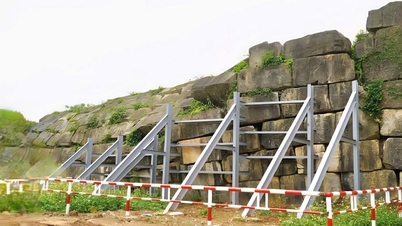
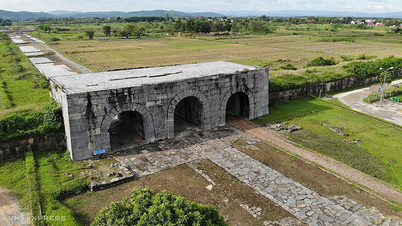
Ho Citadel (also known as Tay Do Citadel), located in Vinh Long and Vinh Tien communes, Vinh Loc district, Thanh Hoa province, is one of the most unique stone architectural works in Vietnam and the world . Built by Ho Quy Ly in 1397, it was once considered the capital and the socio- political and cultural center of Dai Ngu Kingdom under the Ho Dynasty. After more than 600 years of existence and numerous historical events, most of the citadel has been destroyed, but the ramparts remain almost intact. On June 27, 2011, Ho Citadel was officially recognized as a World Heritage Site by UNESCO (United Nations Educational, Scientific and Cultural Organization).
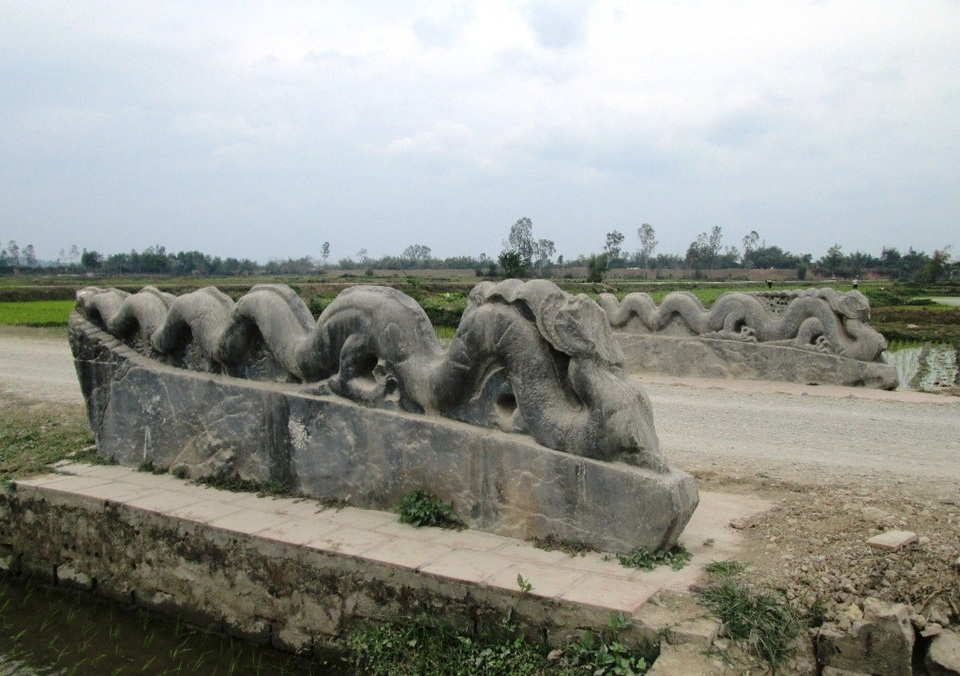
The story of the headless dragon at Ho Dynasty Citadel remains unsolved.
The construction of Ho Dynasty Citadel is shrouded in mystery, such as how the ancients were able to build it so quickly, in just three months, using massive stones weighing tens of tons, the binding material used, and the transportation methods. Particularly noteworthy is the story of the two headless stone dragons; to this day, no one can explain why they lost their heads, or where the dragon heads are now. All that is known is that the headless stone dragons currently lie side-by-side along the road within the citadel, from the South Gate to the North Gate.
According to historical records, the pair of stone dragons were discovered by the French in 1938 while they were building an inner road within the citadel. Measuring 3.8 meters in length, these dragons are the largest dragon statues ever discovered from any feudal dynasty in Vietnam.
The pair of dragons are exquisitely carved from solid blocks of green stone, their bodies tapering towards the tail, curving in seven sections, and covered in scales. Each dragon has four limbs, with three claws. The spaces under their bellies and the triangular panels forming the steps are all meticulously carved with chrysanthemum motifs and gracefully flowing floral hooks.
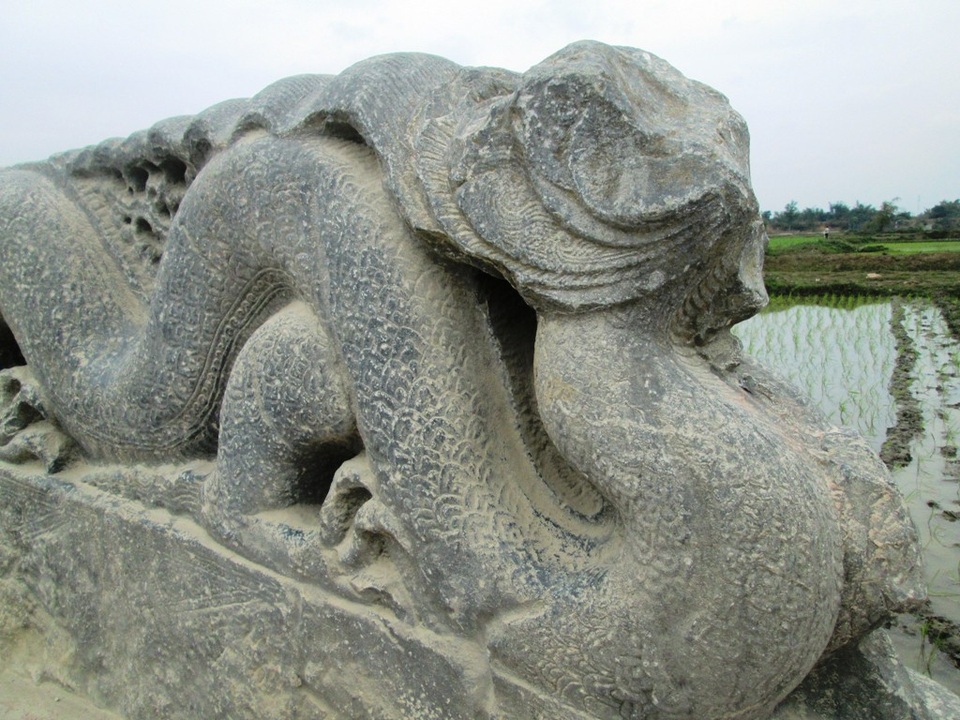
The dragon scales are meticulously and exquisitely carved.
Regarding why the dragons lost their heads, and who beheaded them, there remains no credible explanation to this day. Some elders in Xuan Giai village (Vinh Tien commune) recount a story passed down through generations that because the dragons' heads faced the village, house fires frequently occurred. Believing the dragons breathed fire, causing misfortune, the villagers beheaded them. Furthermore, there is a highly mystical story that the dragons' heads contained precious jewels, and that a group of people, taking advantage of a stormy night, beheaded them and took the treasure elsewhere.
According to Dr. Pham Van Dau of the Thanh Hoa Historical Society, there are many rumors and explanations about the decapitation of the two dragons at Ho Citadel. "But based on what I know and some analyses from renowned historians, it's possible that the Ming army, during the siege of the citadel by the Lam Son rebels for many days, due to lack of food and water, angrily destroyed everything in the citadel, including the stone dragon heads," Dr. Dau stated.
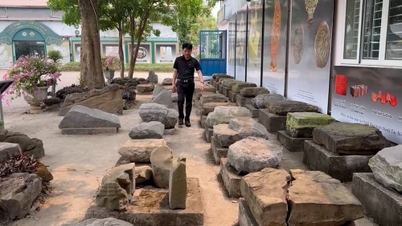
Besides the headless stone dragons, during the excavation and collection process, the Ho Citadel Heritage Conservation Center also discovered several other headless animals, such as the stone mythical creature Nghê, and there is no historical explanation for why these animals are headless.
Source: https://dantri.com.vn/van-hoa/bi-an-doi-rong-da-mat-dau-o-thanh-nha-ho-20180220171738173.htm






![[Photo] The heat at the fireworks display site on the opening night of the Da Nang International Fireworks Festival 2026](https://vphoto.vietnam.vn/thumb/1200x675/vietnam/resource/IMAGE/2026/05/27/1779889741485_ndo_br_z7872039145157-fecaba5112f39e8352544099d7ef4738-5140-jpg.webp)






























































































Comment (0)