

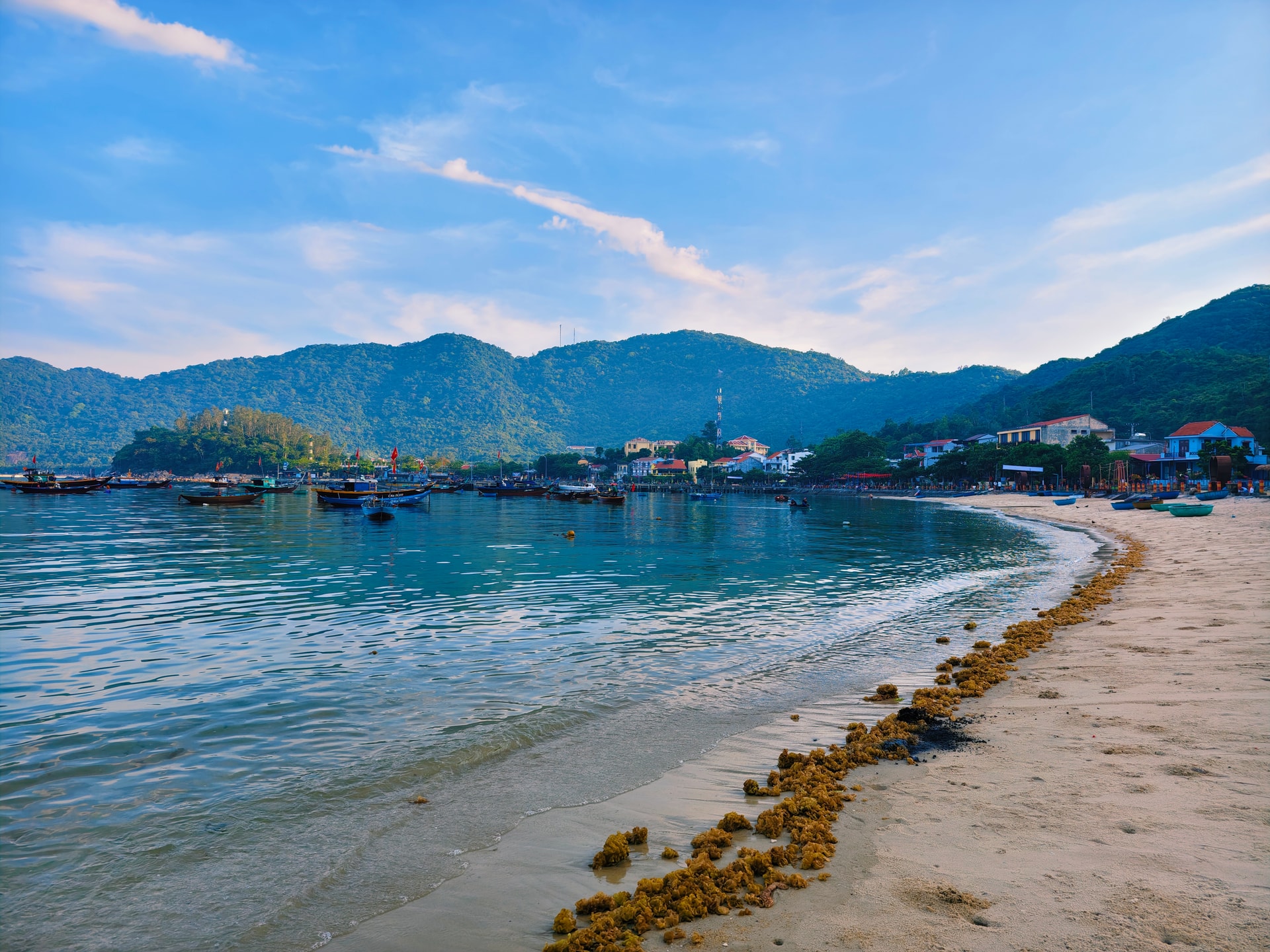
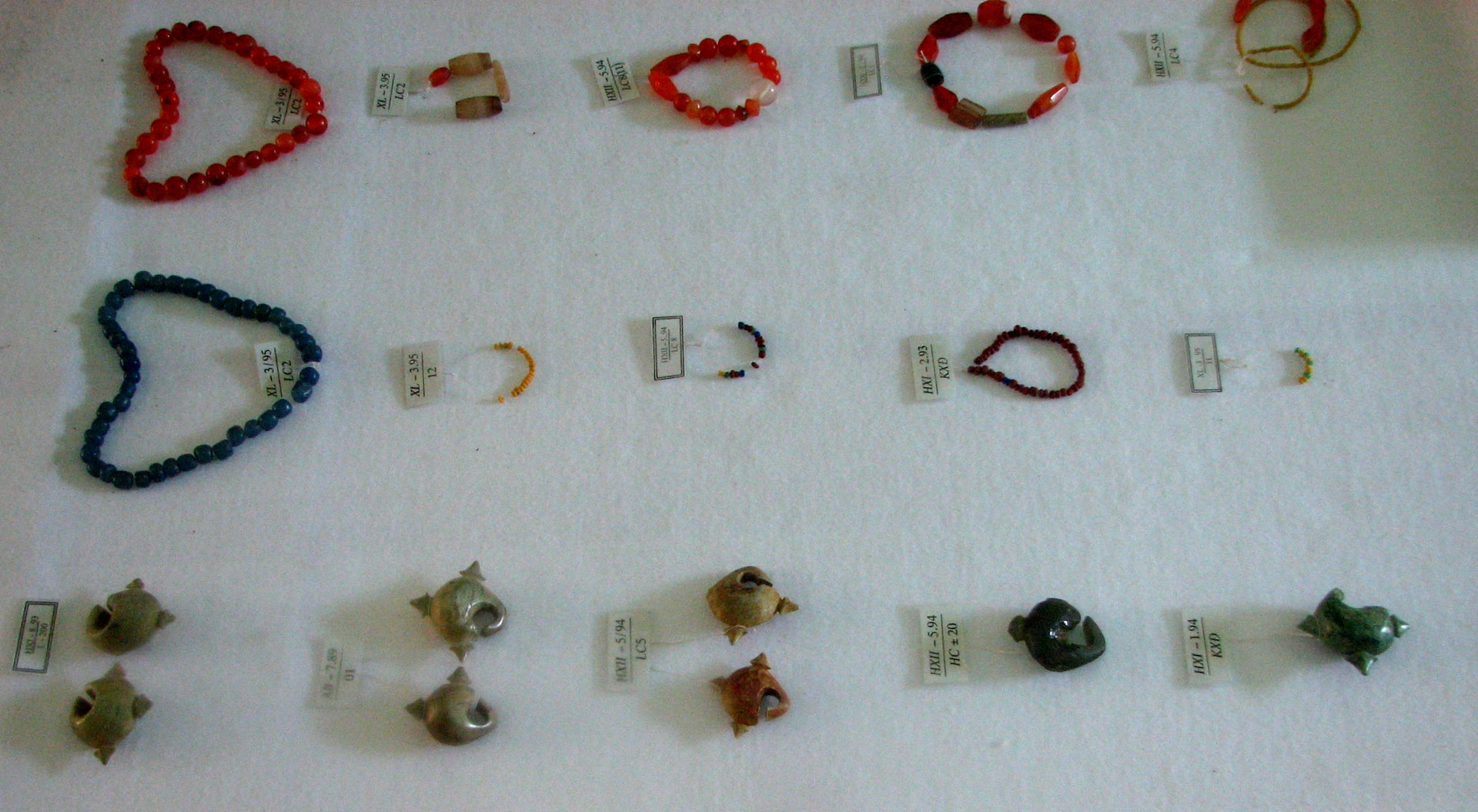
Glass beads, pottery fragments, gold earrings, or traces of seashells preserved in ancient jars bear witness that the sea was not only a source of livelihood, but also a space that opened up a culture rich in interaction and a desire to explore. And for the Sa Huynh people from Quang Ngai to Da Nang , the sea was never just a horizon of waves.
It was a source of livelihood. It was a cultural space. And it was also the pathway that opened the way for very early interactions between the inhabitants of the central coastal region and the outside world .
While making the five-part documentary series "The Mysteries of Sa Huynh Culture in Da Nang," we had the opportunity to listen to the breath of the sea in life from ancient times and the whispers carrying hopes for generations to come…
From the "salt road" to the sea voyage
Archaeological remains, including traces of fish bones, shells, snails, and coral found in "kitchen rubbish heaps" and in ancient burial jars, reveal a special connection between the Sa Huynh people and the sea. They lived off the sea through fishing, salt production, and trade along the river and coast.
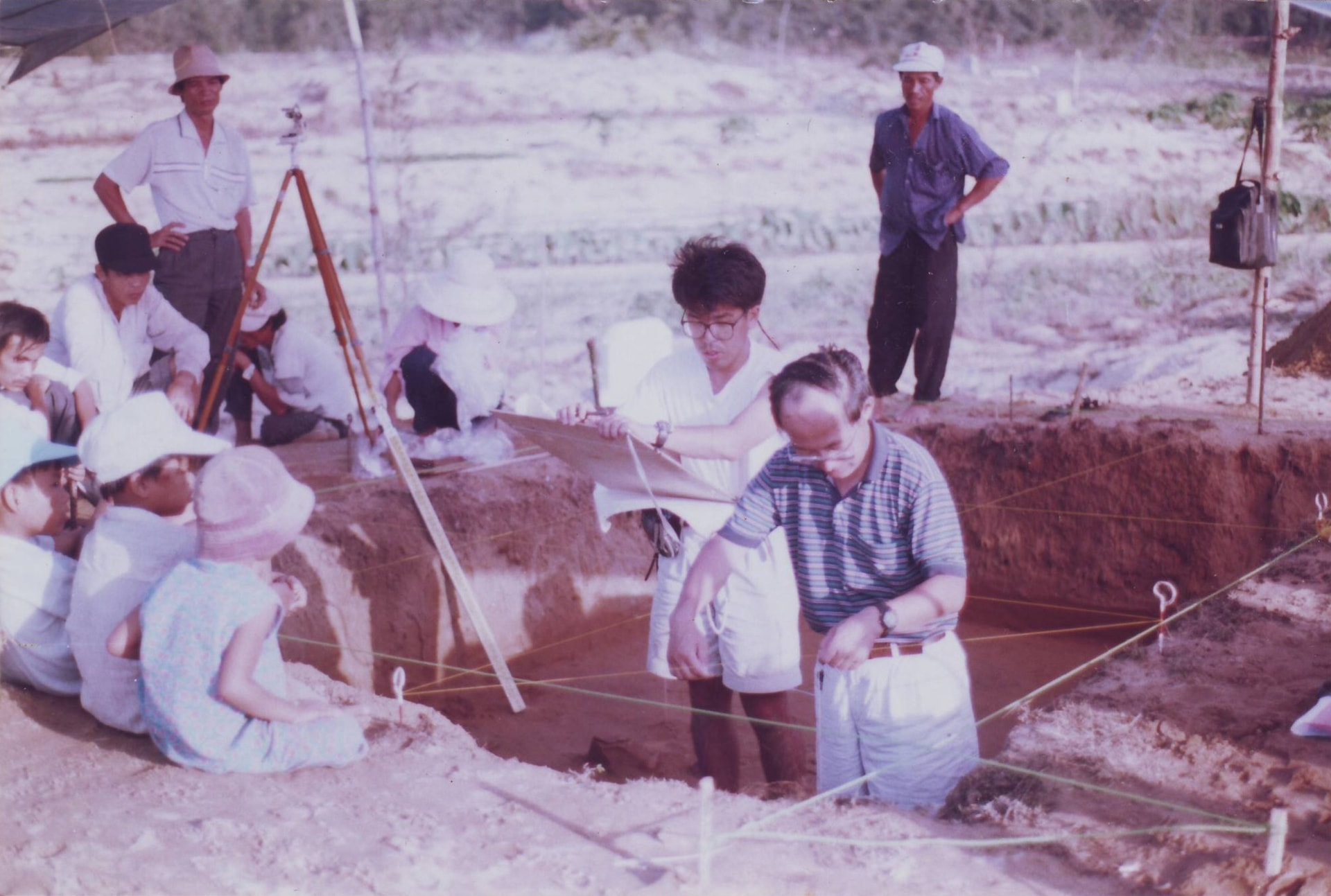
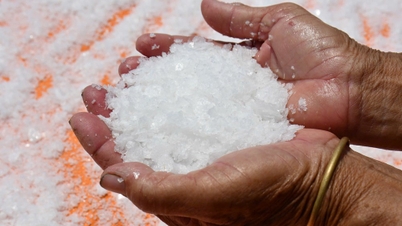
Interestingly, many Sa Huynh archaeological sites in Quang Nam province are located not far from the once-famous salt fields. In Quang Nam, from Bau Tram and Tam My near the Diem Truong salt fields to Hau Xa, An Bang, and Lac Cau near the Cam Thanh salt area, it seems as if a "salt route" existed from very early times. Salt may have been an important commodity in the lives of ancient inhabitants.
Salt, carried along rivers like the Thu Bon and Truong Giang, was traded everywhere, connecting coastal and mountainous regions. Along with salt, other products and goods also contributed to this riverine and coastal trade network.
The sea helped the people of Sa Huynh broaden their horizons, connect their communities, and receive diverse cultural influences. Glass beads from India, bronze mirrors from China, and Wushu coins from the Western Han dynasty found in burial jars in Hoi An and Da Nang are vivid evidence of this.
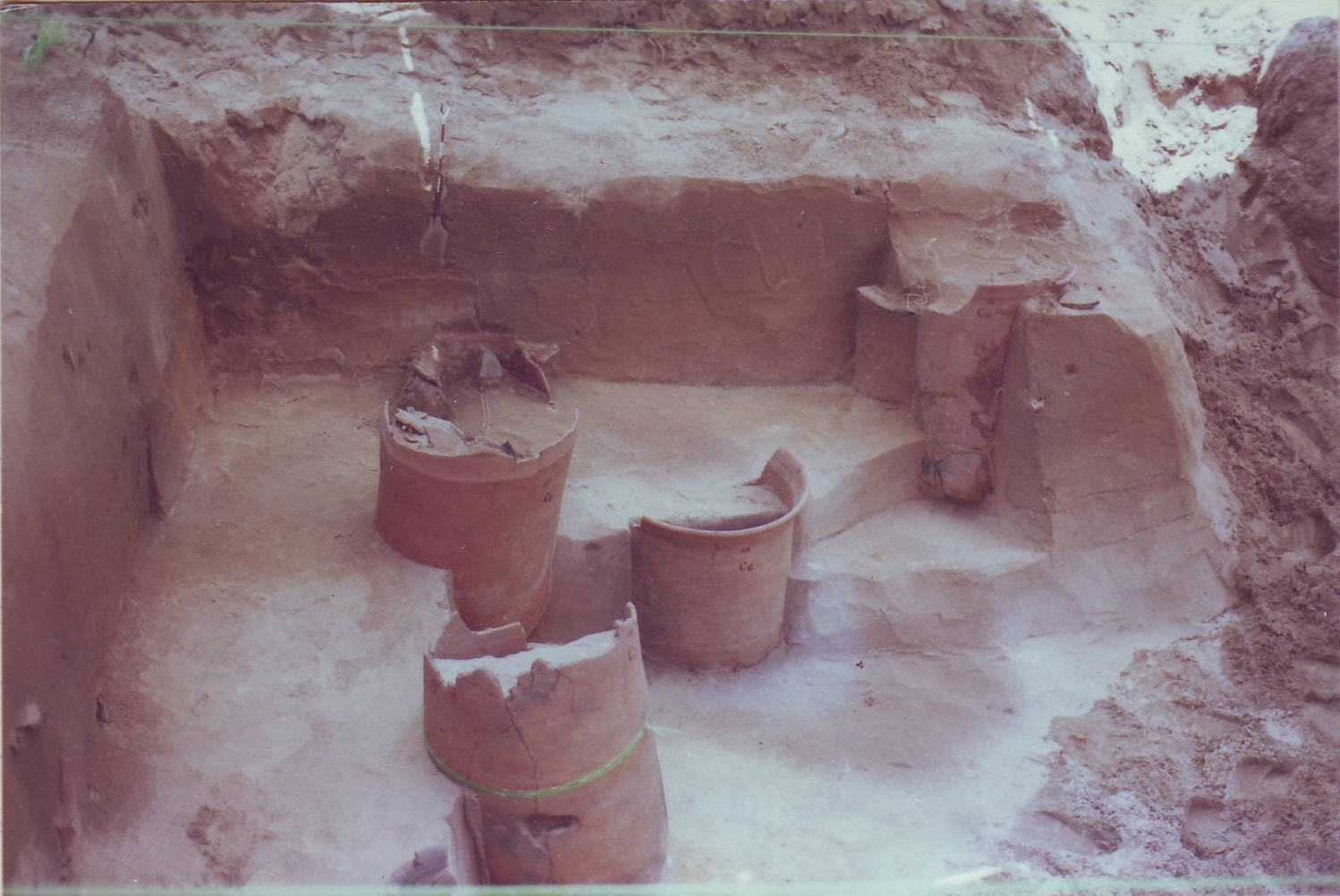
Researchers suggest that the Sa Huynh people may have been among the earliest participants in the "ancient maritime route" connecting Southeast Asia with the Indian Ocean. Archaeological findings reveal Sa Huynh pottery was present in the Philippines, East Malaysia, Taiwan, and southern China. Conversely, Sa Huynh burial sites have yielded numerous types of glass, agate, and beads originating from Myanmar and India. This clearly indicates traces of a coastal trade route connecting Cu Lao Cham and Ly Son islands, merging with Southeast Asia, the South China Sea, and further afield to the Indian Ocean.
Those are the traces of a time when the sea connected distant shores.
The waves echoed
Throughout history, the Cham people later became famous for their powerful fleets and advanced maritime techniques. Many researchers believe this may have been a continuation of the seafaring traditions that had been established by the earlier Sa Huynh inhabitants.
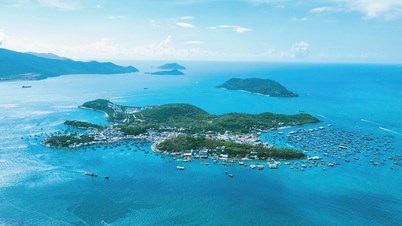
Archaeological discoveries at Cu Lao Cham, Ngu Hanh Son, Lai Nghi, and Hoi An further demonstrate the crucial role of the sea in ancient trade.
At the Bai Lang archaeological site (Cu Lao Cham), archaeologists have discovered many artifacts appearing for the first time in Vietnam, including Middle Eastern glass household items and jewelry. This is also the site with the largest quantity of Middle Eastern pottery discovered in Vietnam.
At Lai Nghi – a famous archaeological site in the lower Thu Bon River basin – excavations have uncovered more than 8,600 glass beads in blue, yellow, and brown, along with thousands of beads made of agate, crystal, nephrite, and gold. Particularly noteworthy are the more than 1,100 agate beads found there, some of which are extremely unique: beads shaped like water birds, tigers, or lions, or beads with white rings as if carved with exquisite technique. Researchers believe many of the stones used to make the beads may have originated from Myanmar or India.
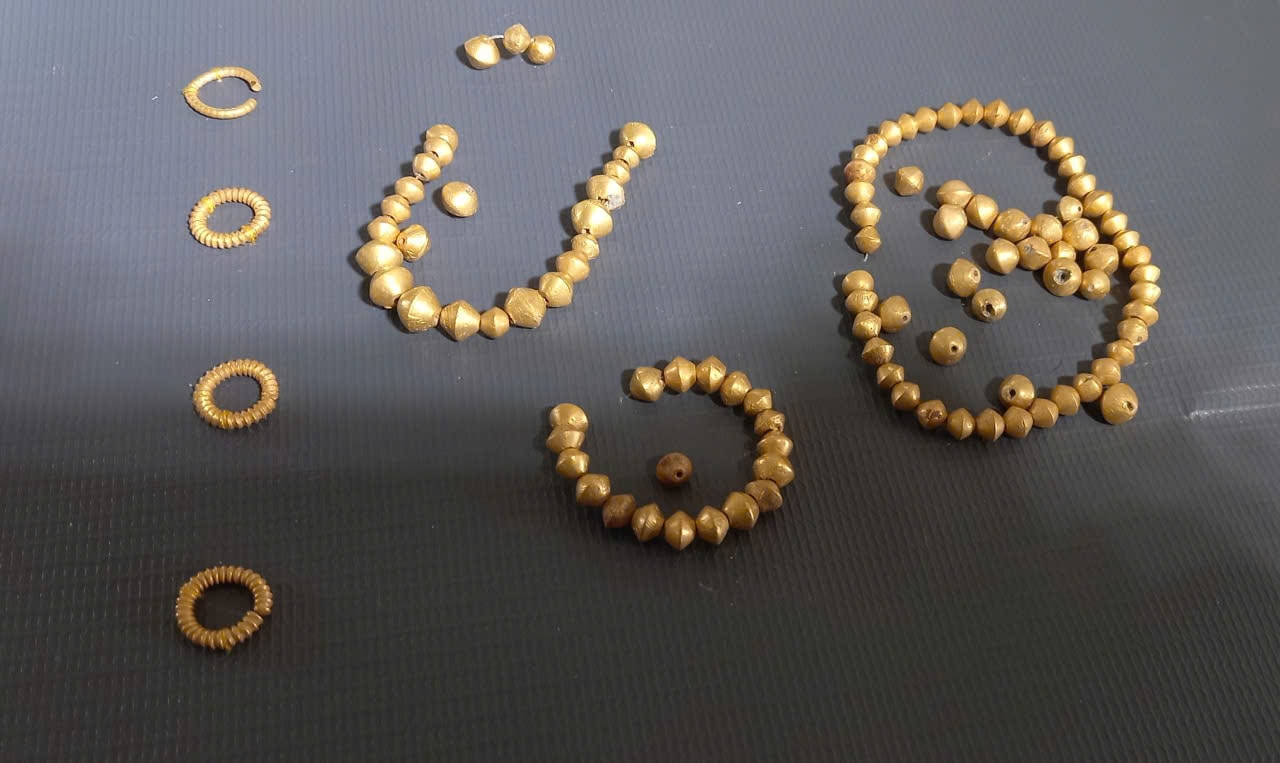
Notably, the collection of gold earrings in Lai Nghi was recognized as a National Treasure in 2024. Of the four earrings discovered, some are believed to be imported, but others were crafted by local residents using local alluvial gold with unique techniques.
This is not just a story of trade, but also a testament to the process of cultural exchange and transformation. Thus, more than 2,000 years ago, the people of Sa Huynh were not isolated within their local territory but were present in a vast maritime trade network. The sea served as a bridge between cultures.
Interestingly, throughout history, Quang Nam province has always appeared as a crossroads. From the Truong Son mountain range down to the coastal plains, from the Central Highlands people migrating to the open sea, to trade flows from the North, South, and the East Sea, all converged here to create the Sa Huynh culture.
The sea was not only present in the livelihoods and trade of the people, but also permeated the consciousness and artistic forms of ancient inhabitants.
From Sa Huynh ( Quang Ngai ) to Hau Xa, Lai Nghi, Lac Cau, An Bang, and other sites along the Thu Bon and Truong Giang rivers (Da Nang), the remaining artifacts have sketched a rich maritime culture. The burial sites are located on coastal sand dunes, the pottery techniques utilize seashells, and the wave patterns on the pottery all bear the strong imprint of the sea. Many archaeologists believe that the S-shaped designs appearing on pre-Sa Huynh pottery are a simulation of the state of ocean waves.
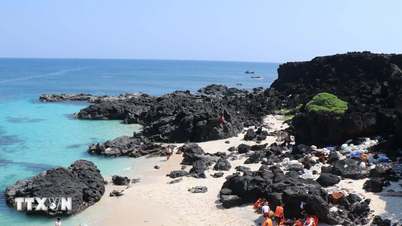
Today, the sea remains the lifeblood of the Quang Nam coastal region. The rhythm of fishermen's lives continues the memories of the sea from thousands of years ago. One can vividly imagine that the "Sa Huynh cultural salt grains" are still silently connecting the cradle of life between the forest, the plains, and the sea throughout the course of history.
That cultural flow is still present in archaeological sites, in the lives of coastal inhabitants, and in the aspirations of the Vietnamese people today and for generations to come.
Source: https://baodanang.vn/bien-noi-tu-ngan-xua-den-ngan-sau-3338902.html














![[Photo] Reception to welcome General Secretary and President To Lam and his wife on their State visit to the Philippines](https://vphoto.vietnam.vn/thumb/1200x675/vietnam/resource/IMAGE/2026/06/01/1780295488620_vna-potal-chieu-dai-chao-mung-tong-bi-thu-chu-tich-nuoc-to-lam-va-phu-nhan-tham-cap-nha-nuoc-toi-philippines-8798060-7855-jpg.webp)








































Comment (0)