

 |
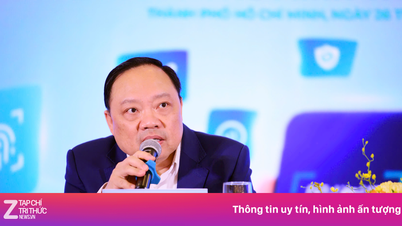
Minister of Industry and Trade Le Manh Hung reports at the meeting. Photo: VGP . |
At a meeting on May 26th to hear reports on the implementation of key energy projects, Deputy Prime Minister Pham Gia Tuc emphasized that to meet the goal of double-digit economic growth, increasing electricity supply is a mandatory requirement, especially given the growing demand for electricity for scientific and technological development and data centers.
However, in recent times, many key energy and power projects have been delayed; some projects have not been implemented according to the plan and direction of the revised Power Development Plan VIII, increasing the risk of not meeting the set targets.
There is a risk of electricity shortages if many projects continue to be delayed.
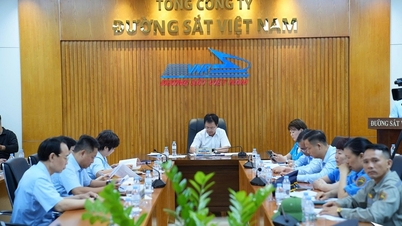
Reporting at the meeting, Minister of Industry and Trade Le Manh Hung also acknowledged that many power generation and grid projects are unlikely to keep up with the planned operational schedule from now until 2030, significantly impacting electricity supply capacity and national energy security in the future.
In light of this situation, the Ministry of Industry and Trade recommends urgently reviewing, updating, and adjusting the Power Development Plan VIII to ensure its feasibility; compiling a list of urgent power projects for immediate implementation, especially base power generation projects at major load centers; and improving the efficiency of coordinated operation of the interconnected irrigation-hydropower reservoir system.
The Ministry also proposed establishing a reasonable electricity generation pricing framework; encouraging the development of renewable energy combined with battery storage systems (BESS); implementing electricity demand management programs and promoting energy conservation and efficiency; and researching breakthrough mechanisms and policies for offshore wind power and coastal industrial and energy centers...
At the meeting, many opinions suggested that without decisive solutions now, the risk of electricity shortages would be very high. Delegates proposed adding sanctions to strengthen inspection, supervision, and handling of investors and localities that fail to implement power projects on schedule; and at the same time, improve the efficiency of dispatching and operating the power system to use existing power sources economically and efficiently.
Regarding the proposal to review, update, and adjust the Power Development Plan VIII, opinions suggest that the Ministry of Industry and Trade clarify the necessity, basis, principles, and approach to the adjustment; clearly identify newly arising factors as a basis for updating, while ensuring that the list of projects is consistent with actual conditions and linked to a mechanism for handling responsibility for cases of delayed implementation.
For specific mechanisms intended for key power projects, it is necessary to clarify which regulations the obstacles originate from, which project group they belong to, at which stage of the investment process, and the extent of their impact, in order to propose appropriate solutions that ensure feasibility and effectiveness in practice.
No power outages under any circumstances.
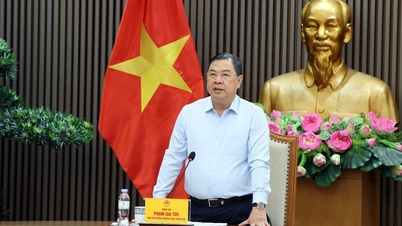
Concluding the meeting, Deputy Prime Minister Pham Gia Tuc emphasized that ensuring energy security and sufficient electricity supply are prerequisites for achieving high growth targets, green transformation, digital transformation, and the development of high-tech industries.
According to the Deputy Prime Minister, many key projects are experiencing prolonged delays; land clearance remains problematic; investment procedures are still cumbersome; coordination among ministries, sectors, and localities is not yet tight, while the avoidance and shifting of responsibility still occur.
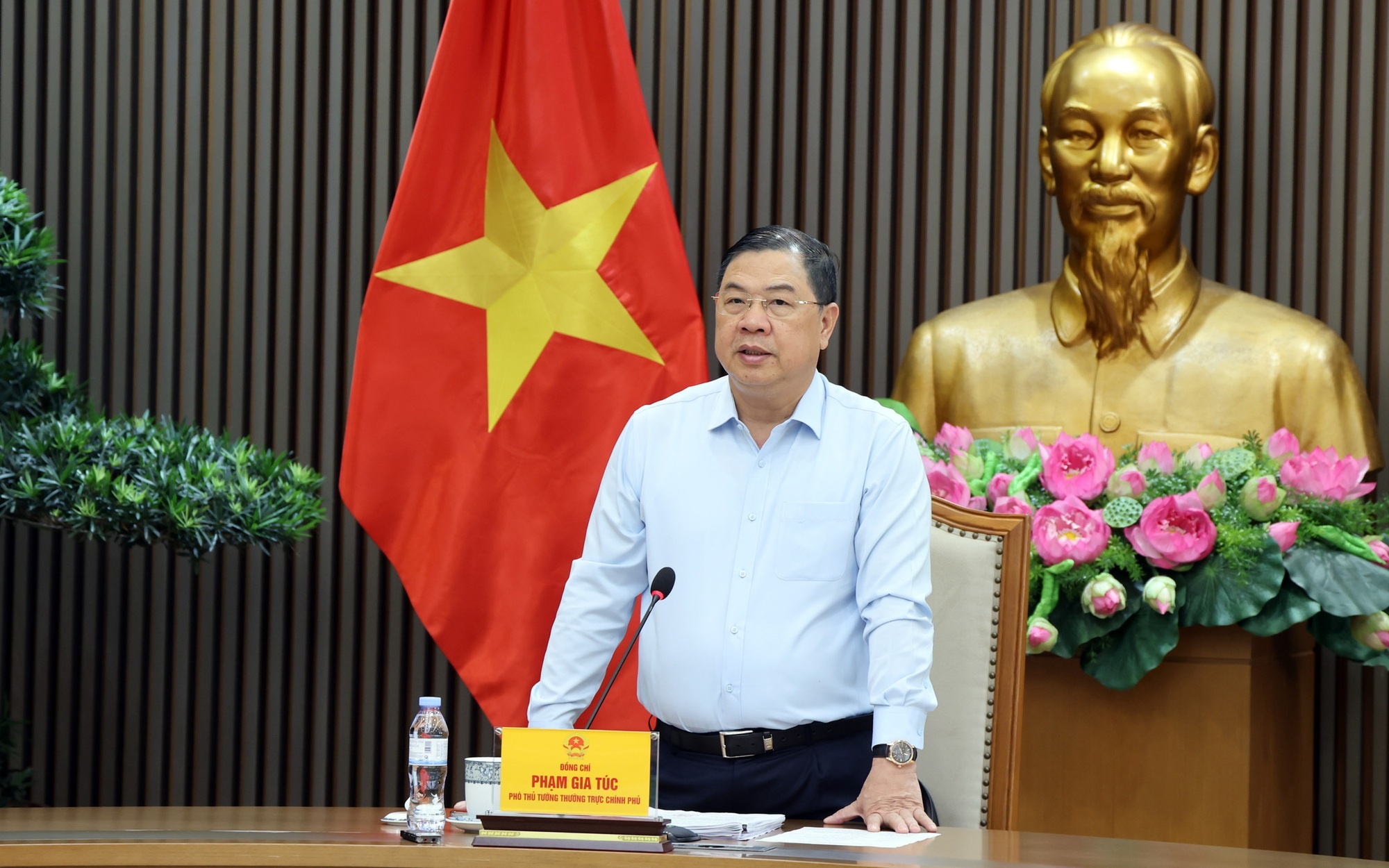 |
Permanent Deputy Prime Minister Pham Gia Tuc. Photo: VGP. |
Emphasizing the need to ensure there are no power shortages under any circumstances, the Deputy Prime Minister requested the Ministry of Industry and Trade to accelerate the implementation of national and key energy programs, projects, and works in the coming period. The Ministry needs to continue to play its leading role, proactively synthesize information, and promptly advise the Head of the Steering Committee on directing, coordinating, and handling emerging issues.
The Ministry of Industry and Trade continues to direct localities to select investors for power generation and transmission grid projects in accordance with the revised Power Development Plan VIII; and at the same time, urge investors to complete projects on schedule as approved.
In addition, the Ministry of Industry and Trade, in coordination with local authorities, regularly urges investors to promptly complete procedures for commencement and accelerate the progress of power projects; commit to specific operating timelines, striving to put them into operation 1-2 years earlier than planned in Directive No. 01 dated February 3, 2025 of the Prime Minister.
"We must not delay; if necessary, we must have special mechanisms and simplify administrative procedures to implement energy projects early, quickly, and ahead of schedule, especially key projects," the Deputy Prime Minister said.
Regarding the review, updating, and adjustment of the Power Development Plan VIII, the Deputy Prime Minister requested the Ministry of Industry and Trade to coordinate with other ministries, sectors, and localities to urgently review the power sources in the plan, with a view to removing projects that cannot be completed in the 2026-2030 period from the list, in order to add feasible and practical alternative power sources, especially base power sources.
This includes considering the development of coal-fired power plants on a reasonable scale, linked to a roadmap for recovering and treating exhaust gases in accordance with the established policy. If necessary, an emergency mechanism under the Electricity Law of 2024 can be applied.
The Deputy Prime Minister also requested decisive action against investors of power projects that fail to meet committed deadlines and planning requirements; and clearly defined the responsibilities of relevant ministries, agencies, and localities in promoting project implementation. In particular, the Ministry of Industry and Trade bears ultimate responsibility to the Prime Minister for the implementation of the national power development plan to meet the requirements of socio-economic growth.
In addition, the Ministry of Industry and Trade is tasked with reviewing and updating the entire national electricity supply and demand scenario, especially for the period 2026-2030, based on the actual progress of power generation projects; and developing operational scenarios in the event of electricity shortages to ensure safe and continuous electricity supply.
Source: https://znews.vn/bo-cong-thuong-nhieu-du-an-dien-cham-tien-do-post1654511.html


![[Photo] General Secretary and President To Lam presides over the meeting to approve the draft report on the results of the second inspection by the Politburo of the Standing Committee of the Hanoi City Party Committee.](https://vphoto.vietnam.vn/thumb/1200x675/vietnam/resource/IMAGE/2026/05/26/1779789811432_a2-bnd-4430-9620-jpg.webp)





































































Comment (0)