

According to Al Jazeera on June 2nd, more than three months after the fighting began, Washington and Tehran have yet to agree on how to handle international shipping through the Strait of Hormuz, after Iran asserted control over the waterway and the US blockaded Iranian ports.
It also remains unclear whether the two sides can reach a long-term agreement on Iran's nuclear enrichment and the amount of highly enriched uranium, as well as on the lifting of US and UN sanctions against Iran.
Iran's top military, religious, and political leaders, along with its powerful institutions, continue to emphasize that they will not surrender amid deep distrust of the United States, although certain differences in position remain.
Supreme Leader Mojtaba Khamenei
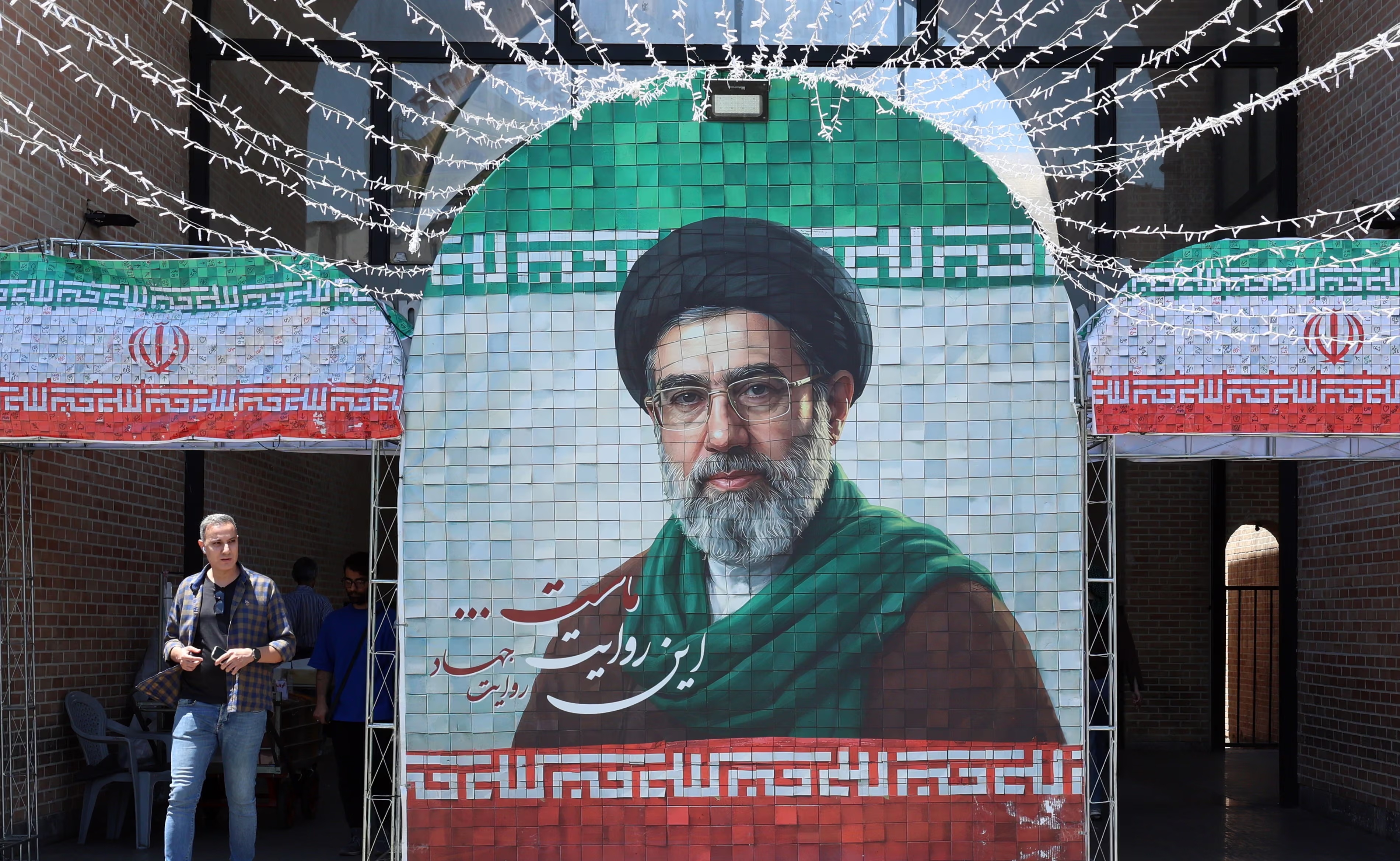 |
Iran's Supreme Leader Mojtaba Khamenei. Photo: Reuters. |
The son of the late Supreme Leader Ayatollah Ali Khamenei has been chosen to lead the theocratic and military apparatus. He has not appeared or spoken publicly, except for written messages published by the media, amid concerns that he could become an assassination target for the US and Israel.
He doesn't have the same level of influence as his father, but under Iranian law, important decisions still require his approval.
In these messages, Khamenei did not express opposition to negotiations, but emphasized that the bright future of the Persian Gulf region would be a future without the United States and one that serves the development, stability, and well-being of the peoples in the region.
He also called Iran's nuclear and missile programs "national assets" that need to be protected like territorial borders; urged supporters and armed forces to continue taking to the streets nightly to protest against the US and Israel; and called on the entire nation to maintain a "resilient economy " for another year while sanctions remain in place.
Military and security bloc
The power of military and security factions led by Iranian Islamic Revolutionary Guard Corps (IRGC) generals has risen to new heights amid the ongoing conflict with the United States and Israel.
Senior commanders running the war typically avoid commenting publicly on the details of negotiations with the U.S. These are individuals who have direct access to Khamenei and wield significant influence over decision-making. They signal a hardline stance, opposing concessions.
IRGC commander Ahmad Vahidi focused on the message of deterrence, maintaining the advantage to escalate if necessary, and achieving victory against the US and Israel. He warned of a devastating response on a regional and extra-regional scale if hostilities resumed.
The commander of the Central Command of the Iranian armed forces, Khatam al-Anbiya, Ali Abdollahi, emphasized that the security of the Strait of Hormuz is the responsibility of the Iranian armed forces and they remain ready to open fire on any opponent if necessary.
Last week, Majid Mousavi, head of the IRGC's aerospace force, reiterated the words of the late Supreme Leader Khamenei that negotiations with the opposing side would only bring harm.
Mohammad Ali Jafari, the former commander-in-chief of the IRGC, now heads the force's Baqiatallah Command. Last month, he put forward five conditions for successful negotiations: an end to hostilities on all fronts, including in Lebanon and areas controlled by pro-Iranian forces; the lifting of sanctions; the release of frozen assets; war reparations; and recognition of Iran's sovereignty over the Strait of Hormuz.
For his part, since taking office, Mohammad Bagher Zolghadr, Secretary-General of the Supreme National Security Council, has only issued one brief written message, affirming that he will not surrender or retreat, while emphasizing the spirit of solidarity among supporters of the state.
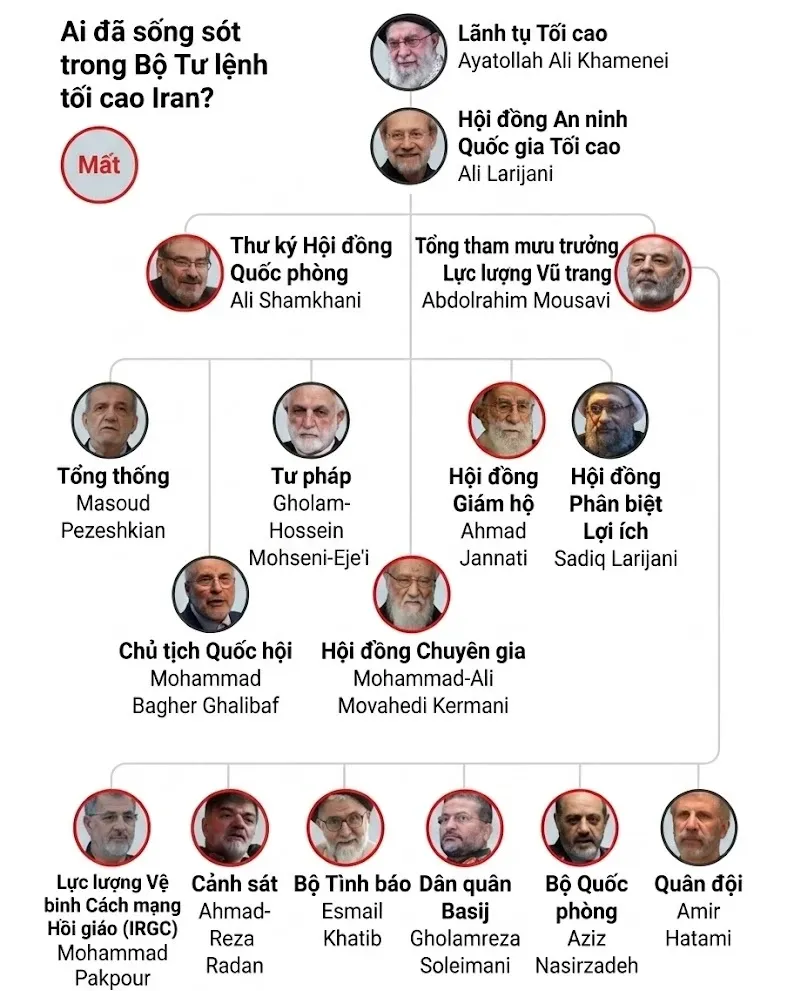 |
Powerful figures in the Iranian government: Graphic: The Times and Sunday Times. |
Paydari Front and hardline MPs
The Paydari Front, led by Saeed Jalili, represents several extremely hardline factions within Iran.
Mr. Jalili served as the head of security and chief negotiator with Western countries from 2007 to 2013.
Years of negotiations then yielded no results before leading to the 2015 nuclear agreement. That agreement has now collapsed, while Iran faces strict UN sanctions related to its nuclear program.
Jalili has long been an opponent of engagement with the West and of making concessions.
During the conflict, Jalili argued that negotiations could only be acceptable if Iran's strength was acknowledged. He stressed the need for guarantees that any long-term agreement would not depend on trusting the US, and argued that sanctions, assassinations, and war—the levers used by the adversary—must be completely neutralized.
In April, he stated: "Today the world is clearly seeing that the new order in the region will not be established by the United States and Israel, but by the victories and strong ideologies of the resistance forces."
Jalili enjoys the support of many ultra-conservative lawmakers in Tehran and other cities, who have dominated the Iranian parliament since the 2020 elections.
The faces in the government
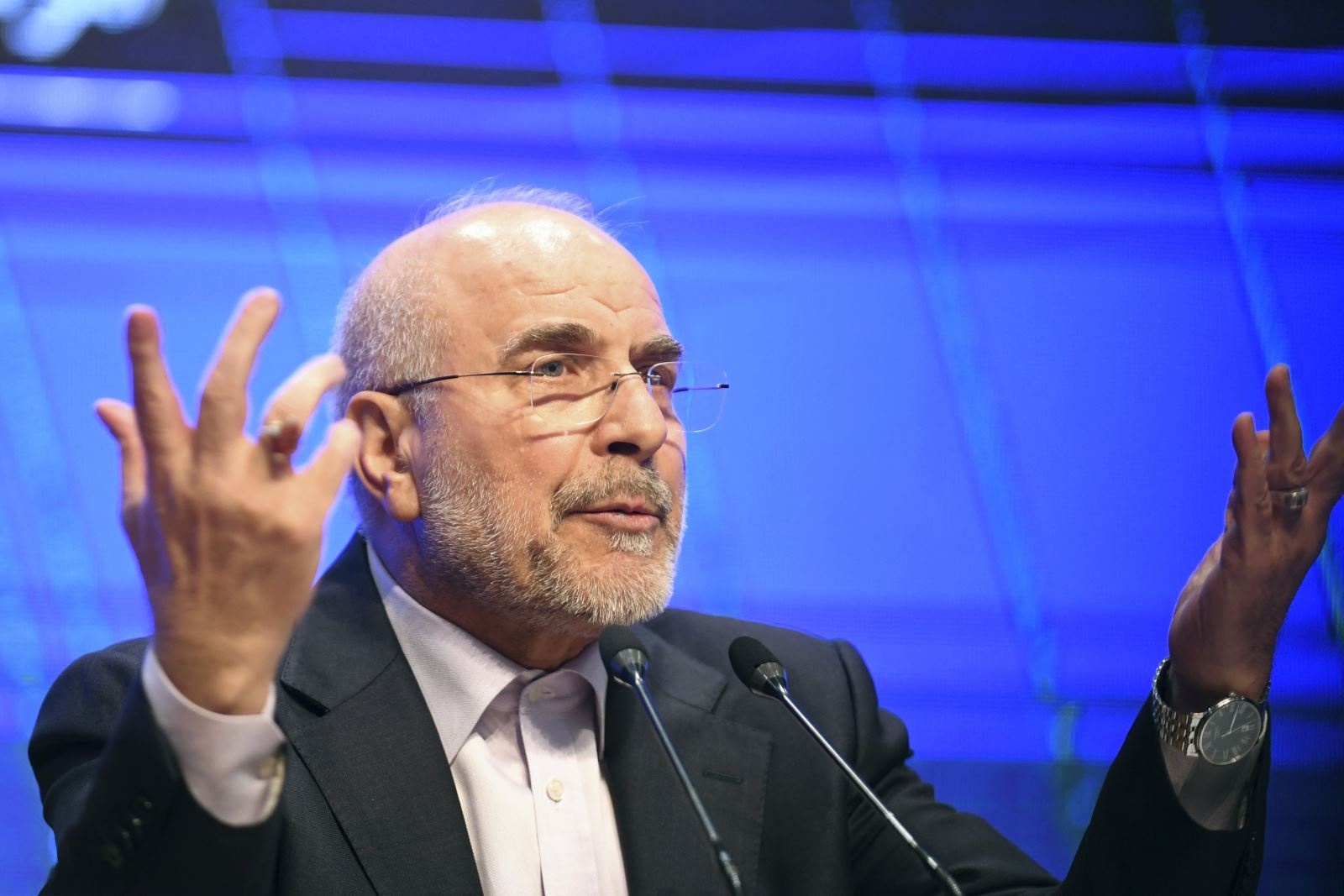
Iranian Parliament Speaker Mohammad Bagher Ghalibaf led the Iranian negotiating team in the first round of talks with the US, mediated by Pakistan, in April.
Ghalibaf, a former IRGC commander, also opposed surrender, but said he supported a pragmatic agreement to end the conflict.
Meanwhile, President Masoud Pezeshkian and Foreign Minister Abbas Araghchi also made similar statements advocating for peace through negotiations and safeguarding Iran's interests.
Source: https://znews.vn/bo-nao-iran-dang-tinh-toan-gi-ve-dam-phan-voi-my-post1656401.html


![[Photo] General Secretary and President To Lam presides over a meeting on preparations for the review of one year of operation of the three-tiered government system.](https://vphoto.vietnam.vn/thumb/1200x675/vietnam/resource/IMAGE/2026/06/02/1780391821195_a1-bnd-4595-9717-jpg.webp)





























































Comment (0)