I can almost picture before my eyes the sticky rice with olives, the rich and savory braised pork with olives, the salty pickled olives evoking rustic flavors... treats that leave a lasting impression on my heart.
Taste of Childhood
The ripe, rhombus-shaped canarium fruits have a dark purple, smooth, glossy skin, with a turmeric-yellow tip still covered in a thin layer of white powder. The quickest way to cook them is to blanch them in hot water at about 70°C until they are soft and ready to eat. Back then, the children in my village eagerly awaited their mothers to separate the flesh, and then they would split open the seeds themselves, using toothpicks to extract the creamy, white core, savoring it like a delicacy.
In the past, people considered canarium fruit a simple, rustic gift, but the more you taste it, the more you appreciate its uniqueness: nutty, rich, unusual, and with cooling and detoxifying properties. People steam canarium fruit in sticky rice, the plump grains of glutinous rice coating the fragrant, nutty canarium fruit. Some people braise fish or meat with canarium fruit; the richness of the meat blends with the creamy canarium fruit, making white rice something you can eat endlessly without getting tired of it. Canarium fruit stewed with green bananas is also famous; the mild astringency of the banana blends with the chewy, nutty canarium fruit, creating an unforgettable dish. But the people of Huong Son ( Ha Tinh province) are especially proud of their salted canarium fruit, a simple yet refined gift to cherish.



The method of pickling olives in Huong Son is both elaborate and simple. The olives selected must be ripe, with thick flesh, usually the glutinous variety. After washing, they are soaked in warm water to soften them, then drained, sometimes lightly incised to allow the salt to penetrate evenly. The olives are arranged in earthenware jars, layering them with coarse salt, using the familiar ratio of 1 kilogram of olives to 250 grams of salt. The jars are sealed and left to ferment in a cool, airy place for 5-7 days.
When the fruit turns a deep purple color, the flesh tightens, and a bite reveals a rich, creamy flavor with a hint of saltiness on the tongue, it's ready. Salted canarium fruit can be eaten immediately with white rice, dipped in shrimp paste, or used in braised fish or meat dishes; each dish brings out a rustic aroma. The longer the salted canarium fruit is left to ferment, the flesh becomes soft and chewy, with a sour and salty taste, a slight spiciness from chili peppers, and a rich, creamy flavor when tasted carefully.
The "savings" tree
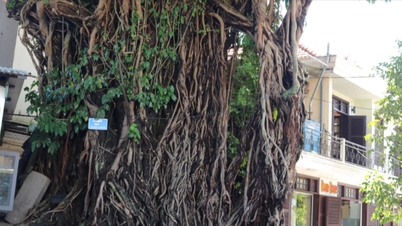
But the canarium fruit is more than just a flavor. It's also a "treasure" for the people of the countryside. Canarium trees usually take 7 to 10 years to bear fruit, and the older the tree, the more abundant the fruit and the richer the flavor. For generations, the people of Huong Son have been closely connected to the canarium tree as if it were their livelihood.
In recent years, many establishments have boldly invested in processing salted olives using safe procedures, vacuum-sealing them in jars, and labeling them with traceability information. As a result, Huong Son salted olives have become a 3-star OCOP product, a nationally protected brand. The local olives are no longer confined to small kitchens but have entered the market, appearing on the shelves of regional specialty stores.


The black olives of Huong Son captivate connoisseurs with their natural flavor, and even more so, with the cultural and historical depth of the region. Amidst the modern pace of life, the rich, nutty taste of the olives retains a connection to memories and identity, evoking a sense of nostalgia in those far from home.
Source: https://baodanang.vn/bui-thom-qua-tram-3328086.html