

 |
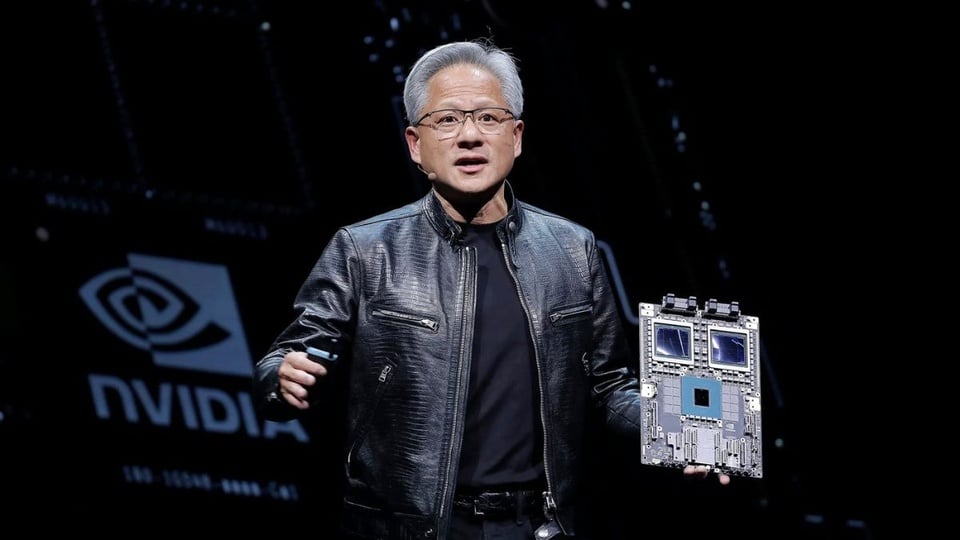
Nvidia CEO Jensen Huang. Photo: Reuters . |
Familiar with the fear of being "crushed" by Nvidia, many smaller AI companies are proactively dismantling older technologies before the larger competitor makes its move. This is also how Tuhin Srivastava, co-founder of the AI inference platform Baseten, is preparing to respond when Nvidia launches its new platform.
"In AI, you have to burn the boats. We haven't burned them yet, but we've bought the kerosene," Srivastava told Business Insider .
The story began earlier this year when Srivastava's team was working on the DeepSeek R1 reasoning model. The implementation encountered difficulties due to bottlenecks in the AI's reasoning process, resulting in a slow and inefficient response to clients.
Although Baseten had access to the Nvidia H200 chip—the most advanced chip at the time—the accompanying Triton Inference Server software did not handle complex inference requests well. Baseten was forced to build its own software to optimize the process.
Last March, Nvidia CEO Jensen Huang introduced Dynamo, an open-source inference platform that optimizes the inference process on Nvidia chips. Huang described Dynamo as "the operating system of the AI factory."
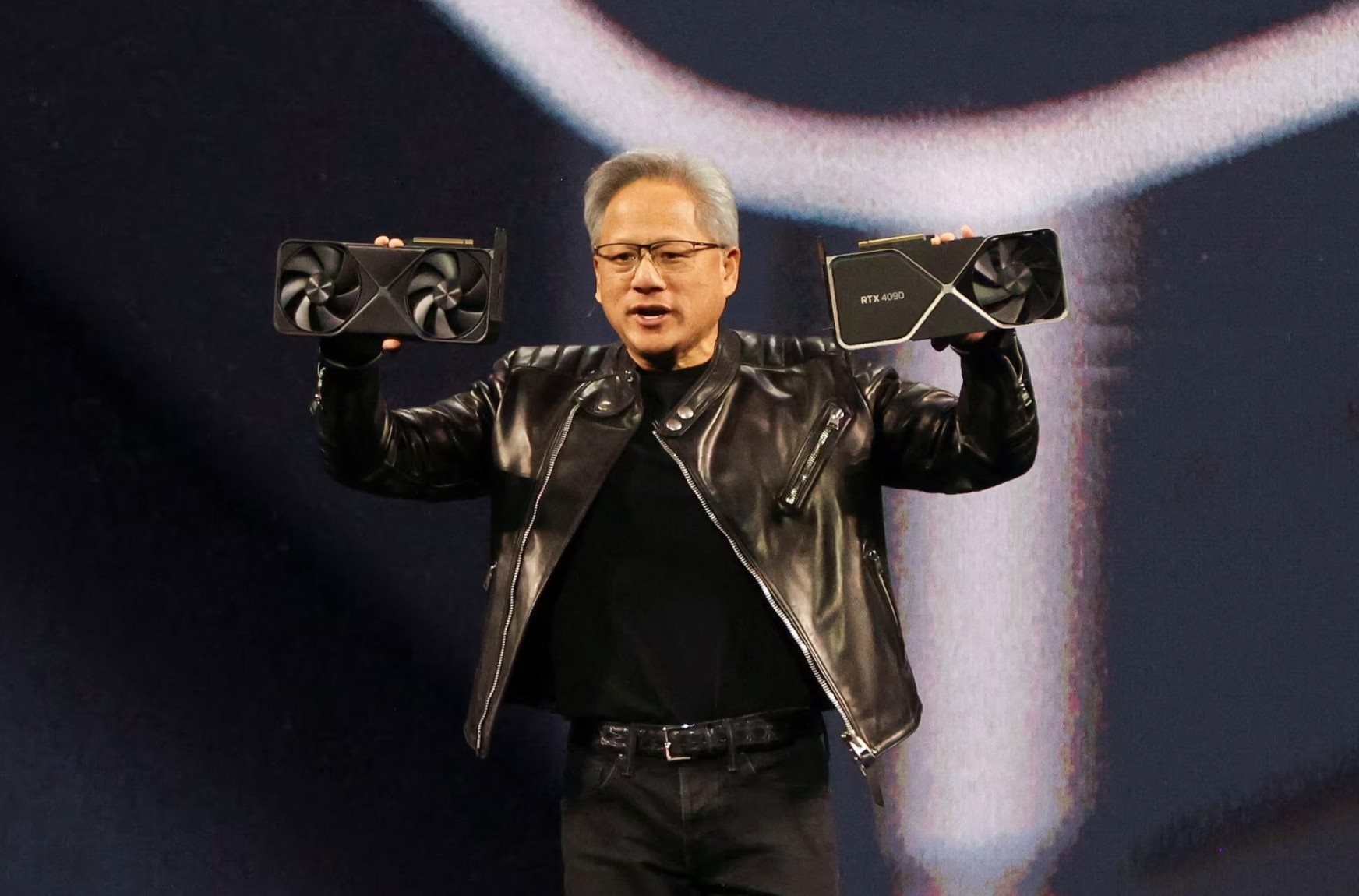 |
Jensen Huang speaks at the Nvidia GPU Technology Conference (GTC) at the SAP Center in San Jose, California, USA. Photo: Reuters |
With the launch of Dynamo, Srivastava knew that Baseten's own platform would soon be surpassed. He predicted it would take his company several months to transition to the new system.
"I was mentally prepared for this," he said.
It's not just Nvidia; the entire machine learning industry is developing at a breakneck pace. AI models are becoming increasingly complex, requiring more computing power, but they also quickly become obsolete as engineers find more optimized algorithms.
"You can't stick to any one framework or way of doing things forever," commented Karl Mozurkewich, chief architect at cloud computing company Valdi.
According to Brown, a YouTuber and AI developer, AI has transformed things once considered "invincible" by the tech industry into things that are "easily discarded."
Brown recounts that while working as an engineer at Twitch, he faced fierce opposition when he proposed rewriting the project instead of building on the old foundation. "I had to learn to act quickly before anyone could stop me," he said.
This is also why AI startups are often more agile than large corporations, which are constrained by outdated processes and investment costs.
Quinn Slack, CEO of AI coding platform Sourcegraph, suggests that around 80% of Fortune 500 companies realize their first AI platform needs to change after just one hour-long meeting.
However, not everyone chooses to "burn the boats".
Ben Miller, CEO of real estate investment platform Fundrise, is building a new AI product for his industry. He believes that if the current model is good enough, the company won't rush to switch to something new.
"I stick with what works for as long as possible," Miller said, adding that part of the reason is that he runs a large organization.
Miller's thinking illustrates a common balancing act in the industry: between continuous innovation and maintaining stability.
Mozurkewich emphasizes that once a product is very close to the consumer, the benefits of "going fast and breaking things" diminish significantly.
"There's no guarantee you'll gain more customers or revenue just by launching the most cutting-edge feature," he said.
In the world of AI, where technology changes every month, the choice between innovation and sustainability remains a big question with no fixed answer.
Source: https://znews.vn/cac-hang-ai-dang-tu-huy-de-tang-toc-post1549478.html


![[Image] Central Party Office summarizes work in 2025](/_next/image?url=https%3A%2F%2Fvphoto.vietnam.vn%2Fthumb%2F1200x675%2Fvietnam%2Fresource%2FIMAGE%2F2025%2F12%2F18%2F1766065572073_vptw-hoi-nghi-tong-ket-89-1204-jpg.webp&w=3840&q=75)












































































Comment (0)