

Three months, one month before pregnancy, and the second or third trimester are key milestones to consider when getting vaccinated.
Vaccines are administered at different times and not all at once. According to a VNVC representative, women who are preparing for or are pregnant need to complete their vaccination schedule according to the correct timelines. In addition, the measles-mumps-rubella (MMR) vaccine is also necessary for women preparing for pregnancy, allowing the body sufficient time to produce antibodies to protect against the disease, ensuring safety for both mother and fetus. This vaccine is contraindicated for pregnant women.
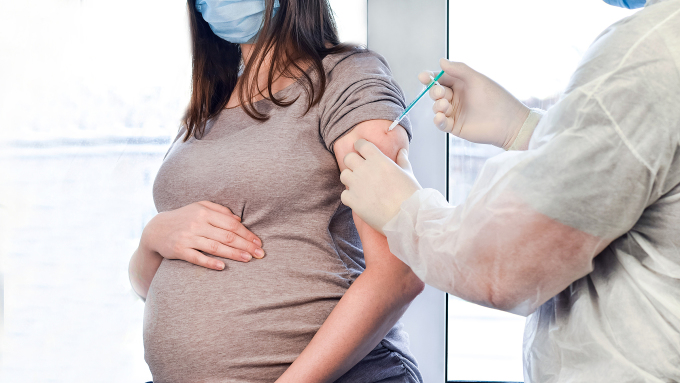
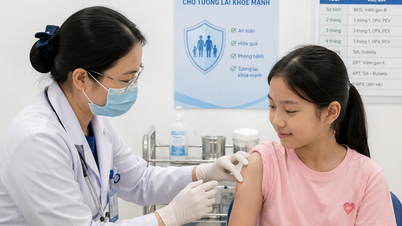
Women should receive all necessary vaccinations before and during pregnancy to provide immunity for both mother and baby. (Image: Rutgers University)
3 months before pregnancy
Women planning to become pregnant should complete their chickenpox vaccination schedule at least three months in advance. This vaccination provides passive immunity to the child from birth, thereby preventing the risk of contracting the disease and serious complications.
Additionally, the measles-mumps-rubella (MMR) vaccine is also essential for women planning to become pregnant, allowing the body sufficient time to produce antibodies to protect against the disease, ensuring the safety of both the mother and the fetus. This vaccine is contraindicated for pregnant women.
Japanese encephalitis is a serious, life-threatening disease for both mother and baby; therefore, women should receive all necessary vaccinations before pregnancy. There are two types of Japanese encephalitis vaccine: live attenuated and inactivated. If choosing the live attenuated vaccine, pregnant women need to complete the course 3 months before conception, while the inactivated vaccine should be administered 1 month beforehand.
1 month before pregnancy
Women under 27 should get the HPV vaccine to prevent cervical cancer and other dangerous diseases caused by the HPV virus. This vaccine consists of three doses, administered over six months. Pregnant women cannot receive the vaccine due to potential harm to the fetus. Women should plan accordingly to complete the vaccination before conception.
Additionally, mothers should complete the 3-dose hepatitis B vaccine (within 6 months) ideally one month before pregnancy, and may continue vaccination during pregnancy (if at high risk).
In addition, it is necessary to get the pneumococcal vaccine one month before pregnancy to help protect against dangerous complications caused by this bacteria, especially pneumonia during pregnancy, which increases the risk of premature birth, fetal growth restriction, and stillbirth.
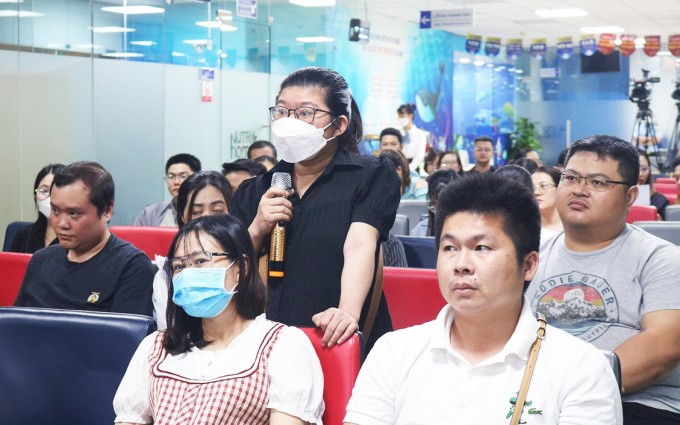
Women who are preparing for or are pregnant participate in prenatal and obstetric health counseling classes organized by VNVC. Photo: Moc Thao
second or third trimester of pregnancy
Around this time, pregnant women can receive the flu vaccine, which has been shown to reduce the risk of acute respiratory infections by 50% and hospitalization by approximately 72%, as well as premature birth by 27%. Flu vaccination also helps transfer antibodies to the fetus, protecting the baby during the first six months of life.
Getting the diphtheria-pertussis-tetanus vaccine at this time also helps the pregnant mother's body produce the necessary antibodies and pass them on to the baby before birth. These antibodies help protect the baby against these three diseases in the first few months of life.
Pregnant women who receive the full tetanus vaccination schedule during this period can reduce the rate of neonatal tetanus mortality by 94%. The vaccine has a two-dose schedule with a minimum interval of one month between doses, with the second dose given at least one month before delivery, and a booster dose given in subsequent pregnancies.
According to data from the VNVC vaccination center system, the rate of couples registering for pre-marital vaccination packages and vaccinations against dangerous infectious diseases before and during pregnancy has increased by approximately 200% in the last three months.
Dr. Le Thi Truc Phuong, an immunization doctor at the VNVC Vaccination System, stated that pregnant women are susceptible to infectious diseases during pregnancy, affecting the health and lives of both mother and baby. "Pregnant women contracting influenza during pregnancy have a fourfold increased rate of premature birth, a fourfold increased rate of cesarean section, and a 4.5fold increased mortality rate. Neonatal tetanus has a high incidence rate during umbilical cord cutting if instruments are not properly sterilized," the doctor explained.
Most hospitalized cases of whooping cough result in death in infants under 3 months old. Globally , an estimated 50 million cases of whooping cough occur annually, with 95% in developing countries and approximately 300,000 deaths. Pregnant women contracting chickenpox, measles, rubella, etc., can cause birth defects such as cleft lip and neural tube defects.
Meanwhile, the United Nations Children's Fund (UNICEF), the World Health Organization (WHO), the United Nations Population Fund, and the World Bank estimate that up to 5.4 million children under the age of five die each year. Most of these deaths are due to preventable causes. Infants account for approximately half of these deaths.
"Women who are preparing for or are pregnant need to maintain a healthy lifestyle, including a proper diet and physical exercise. In particular, it's important to build a strong immune system by getting all necessary vaccinations before and during pregnancy," advised Dr. Truc Phuong.
At 2 PM on September 16th, the VNVC Vaccination System and Sanofi Pasteur pharmaceutical company organized "Prenatal and Obstetric Health Consultation Session No. 10" in both in-person and online formats, covering the following topics:
Things to know about the pertussis-diphtheria-tetanus vaccine for pregnant women, shared by Dr. Le Thi Truc Phuong.
Breastfeeding and common benign breast conditions after childbirth are discussed by MSc. Dr. Nguyen Thi Quy Khoa, Obstetrics and Gynecology Center, Tam Anh General Hospital System.
Interested readers can register here.
Thanh Thu
Source link


![[Photo] General Secretary and President To Lam presides over the meeting to approve the draft report on the results of the second inspection by the Politburo of the Standing Committee of the Hanoi City Party Committee.](https://vphoto.vietnam.vn/thumb/1200x675/vietnam/resource/IMAGE/2026/05/26/1779789811432_a2-bnd-4430-9620-jpg.webp)














































































Comment (0)