

High-tech electronics paves the way for export growth.
In recent years, electronics and high-tech components have emerged as a key export industry for Nghe An province . While previously the province's exports were primarily based on agricultural products, minerals, or simple processed goods, the export structure has now shifted significantly thanks to the strong development of the processing and manufacturing industries.
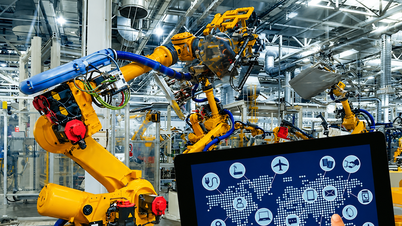
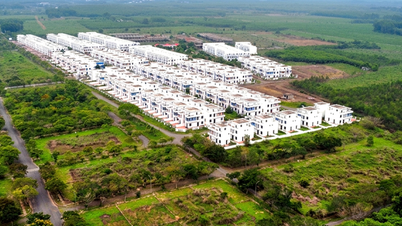
The emergence of numerous large corporations such as Luxshare-ICT, Goertek, Foxconn, Ju Teng, Everwin Precision, Sunny Optical Technology, etc., has created a major turning point for the province's export industry. These projects are mainly concentrated in the Southeast Economic Zone, VSIP Nghe An, and WHA Industrial Zone, with large capital investments, modern production lines, and industrial-scale production capacity.
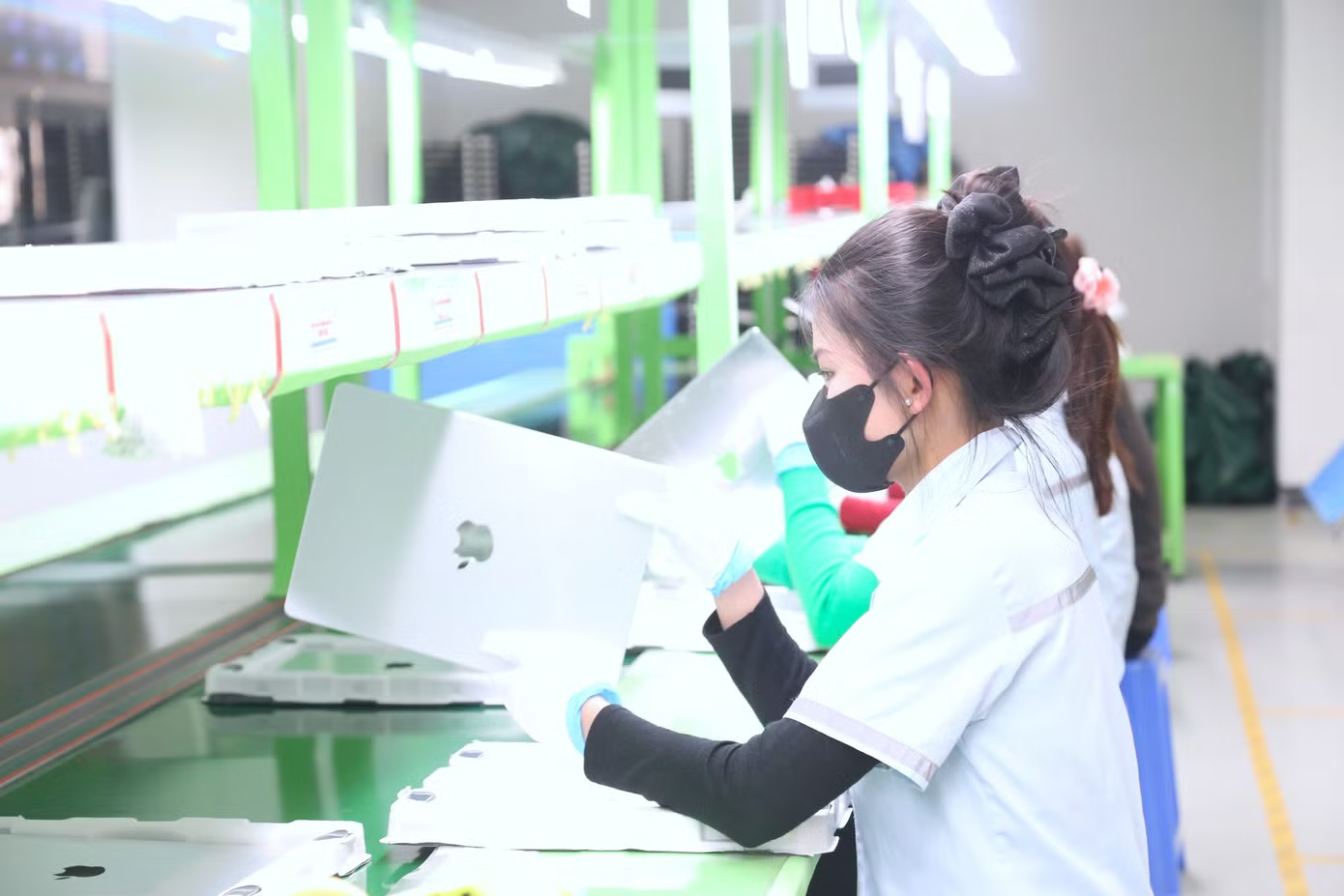
In 2025, many electronics factories continuously expanded production, making Nghe An a new electronic component manufacturing hub in the North Central region. Electronic products, components, and high-tech equipment are accounting for an increasingly large proportion of the province's total export turnover.
Besides generating significant export value, the electronics industry also creates a strong ripple effect on the entire local economy. Tens of thousands of workers are employed in manufacturing plants, leading to the development of logistics, trade, services, and supporting industries.
In particular, the presence of large FDI enterprises is creating opportunities for domestic businesses to participate more deeply in global supply chains. Many local businesses are beginning to participate in supplying packaging, auxiliary components, transportation, and production support services.
Alongside electronics, textiles and footwear continue to be important export sectors for Nghe An province. With the advantage of abundant labor and competitive costs, many businesses in this sector are expanding their production scale to meet demand from the US, EU, South Korea, and Japan.
Nghe An's garment and footwear products are becoming increasingly diverse in design and quality. Many businesses have invested in new technologies, improved management capabilities, and enhanced working conditions to meet the demands of discerning markets.
Furthermore, leveraging free trade agreements such as EVFTA and CPTPP is creating significant advantages for the province's textile, garment, and footwear industries in expanding export markets.
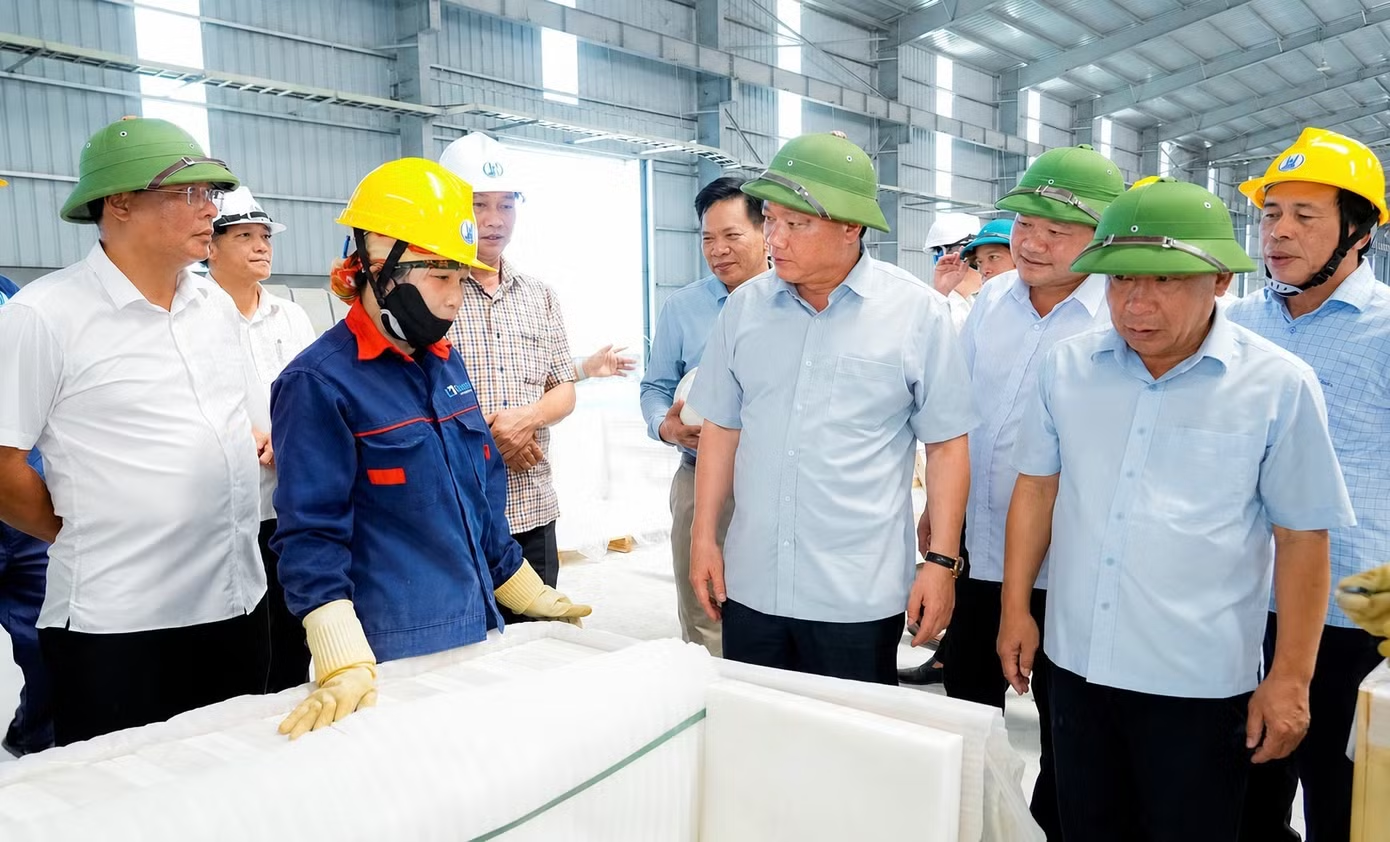
Another sector that has seen positive growth is the production of building materials and processed minerals. While minerals were previously mainly exported in raw form, many businesses have now shifted to deep processing with products such as ultrafine limestone powder, ornamental stone, plastic additive granules, etc.
This trend helps increase added value, reduce dependence on the exploitation of raw resources, and aligns with the province's sustainable development orientation.
Agricultural products, wood processing, and energy pellets are making a sustainable impact.
Besides the electronics industry, the agricultural and forestry processing sector continues to play a crucial role in Nghe An's export structure. This is not only a traditional strength but also a sector with significant potential for green and sustainable development.
Currently, Nghe An has developed many large-scale concentrated raw material areas for key products such as tea, sugarcane, cassava, peanuts, vegetables, and fruit trees. The linkage between farmers and processing businesses is gradually forming a stable production-processing-consumption chain, creating a sustainable supply for export.
Notably, many of the province's agricultural products have shifted significantly from exporting raw materials to deep processing to increase added value. Products such as fruit juices, milk, medicinal herbs, processed tea, and cassava starch are increasingly gaining a foothold in the international market.
Simultaneously, the application of advanced production standards such as VietGAP and HACCP, along with a traceability system, is helping Nghe An's goods better meet the requirements of demanding markets such as the EU, Japan, and the United States. To date, many planting area codes have been issued for rice, peanuts, vegetables, and fruit products to facilitate official export. The QR code traceability system has also been widely implemented, helping to enhance the reputation and competitiveness of goods in the international market.
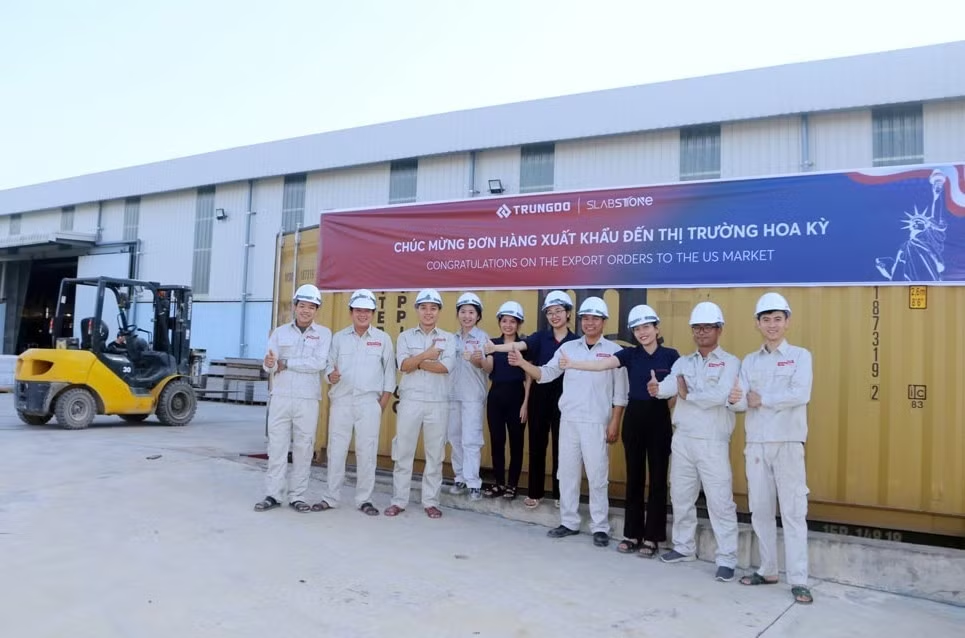
In the forestry sector, wood processing is emerging as one of the fastest-growing export industries. Leveraging abundant plantation forest resources, many businesses have invested in factories producing MDF boards, wood pellets, furniture, and other wood products for export.
In particular, wood pellets are becoming a product with great potential as many countries promote the use of clean energy and reduce carbon emissions. The Japanese, Korean, and European markets currently have a large demand for this product.
The development of the wood pellet industry not only helps to increase the value of forestry products but also effectively utilizes by-products from wood processing and agricultural production, contributing to the development of a circular economy.
Furthermore, the seafood processing industry is gradually expanding its production scale and improving product quality to meet export demands. Although it does not yet account for as large a share as electronics or textiles, it remains a sector with significant potential for future development.
According to Mr. Nguyen Van Hiep, Head of the Trade Management Department of the Nghe An Department of Industry and Trade, Nghe An's orientation until 2030 is to continue developing key export industries in the direction of high technology, deep processing, environmental friendliness, and high added value. In particular, the province prioritizes attracting projects in electronics, high technology, supporting industries, agricultural and forestry product processing, and logistics.
“Besides expanding production scale, Nghe An also focuses on increasing the localization rate and promoting linkages between FDI enterprises and domestic enterprises to form a sustainable production ecosystem. The province is also accelerating digital transformation, supporting businesses in applying cross-border e-commerce, traceability, and smart management to enhance competitiveness,” Mr. Hiep said.
With the foundations already established, along with advantages in labor resources, infrastructure, and the ability to attract investment, Nghe An's key export industries are expected to continue to grow strongly in the coming time, contributing to making the province an important production and export center of the North Central region.
Source: https://tienphong.vn/cac-mui-nhon-trong-xuat-khau-tai-nghe-an-post1846712.tpo
![[Photo] Ba Lang An Lighthouse - the "eye of the sea" amidst the "rock museum" of Quang Ngai province.](https://vphoto.vietnam.vn/thumb/1200x675/vietnam/resource/IMAGE/2026/05/29/1780038698840_anh-man-hinh-2026-05-29-luc-14-10-42.png)
![[Image] Pleasant weather helps students enter the 10th grade entrance exam with confidence.](https://vphoto.vietnam.vn/thumb/1200x675/vietnam/resource/IMAGE/2026/05/29/1780034401612_ngay-1-thi-lop-10-minh-duy-8-5009-jpg.webp)



















































































Comment (0)