

1. Turmeric is a familiar spice, but its medicinal value extends far beyond cooking.
- 1. Turmeric is a familiar spice, but its medicinal value extends far beyond cooking.
- 2. Combining turmeric with food helps increase curcumin absorption.
- 3. Using turmeric after exercise helps muscle recovery and reduce inflammation.
- 4. Find a turmeric consumption habit that suits your body.
- 5. Side effects and safety precautions when using turmeric
- 6. Cases where caution is needed or turmeric should be avoided.
- 7. Simple and safe ways to add turmeric to your diet.
Turmeric is one of the most extensively studied spices in nutrition and complementary medicine. Curcumin – the main active ingredient in turmeric – is known for its ability to support anti-inflammatory and antioxidant effects, improve digestion, and contribute to immune system enhancement.
However, the benefits may be limited if curcumin is not absorbed optimally, as the compound is poorly soluble in water and easily degrades in the digestive environment.
Instead of focusing on whether to consume turmeric in the morning, noon, or evening, it's more important to incorporate turmeric into meals and accompanying nutritional components. Understanding the mechanism of curcumin absorption can help users maximize the benefits of turmeric in food or supplements.
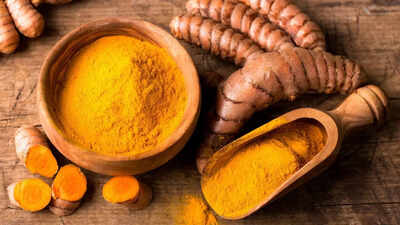
Turmeric is one of the most extensively studied spices in nutrition and complementary medicine.
2. Combining turmeric with food helps increase curcumin absorption.
According to information published on the TOI website, curcumin is a fat-soluble compound, so when turmeric is consumed with food – especially meals containing healthy fats – its absorption is significantly increased. Many studies show that when "encapsulated" in lipids, curcumin is more stable in the digestive environment and more easily passes through the intestinal membrane into the bloodstream.
Why should turmeric be used as a food accompaniment?
- Curcumin is unstable in alkaline environments and can be rapidly degraded when passing through the small intestine in its pure form.
- Lipids (fats) help curcumin dissolve, increasing its transport capacity in the bloodstream.
- Take with food to reduce digestive irritation, especially for those with sensitive stomachs or a history of stomach problems.
The best foods to pair with turmeric:
- Olive oil, coconut oil, canola oil...
- Unsweetened yogurt, plant-based milk.
- Nut butter, avocado.
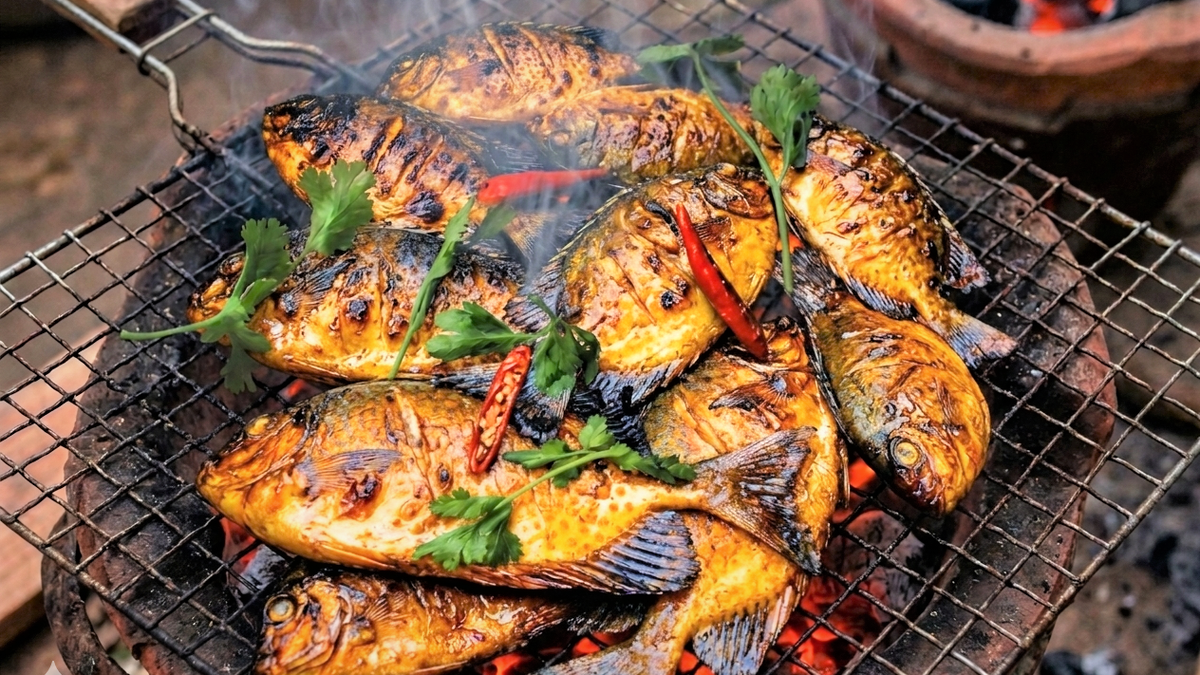
- Eggs, fish, lightly stir-fried dishes...
Turmeric can easily be added to breakfast (eggs, oatmeal, smoothies), lunch (soup, curry, sauces), or dinner (stews, broths, stews). There's no "perfect" time of day, but the best time is when you're eating a meal with healthy fats and are least likely to forget.
3. Using turmeric after exercise helps muscle recovery and reduce inflammation.
Thanks to its anti-inflammatory and antioxidant stress-reducing properties, turmeric is often chosen to support recovery after exercise. Some studies suggest that curcumin may help reduce muscle soreness that occurs after high-intensity exercise.
Suggested uses of turmeric after workouts:
- Add ½ - 1 teaspoon of turmeric powder to your smoothie after a workout.
- Serve with warm milk or "golden milk" (turmeric milk).
- Combine with ginger or black pepper if your body tolerates it well...
Note: Black pepper contains piperine, which increases curcumin absorption but may also cause digestive irritation in some people. Therefore, start with a small dose to monitor your reaction.
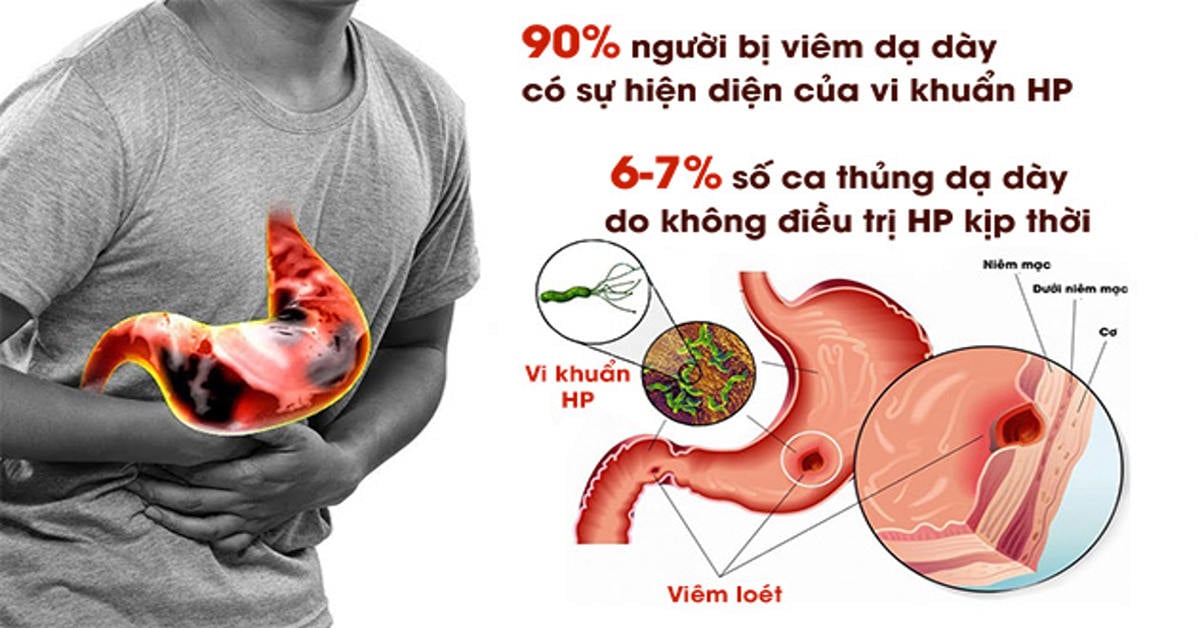
Foods combined with turmeric can help reduce digestive irritation, especially for those who are sensitive or have a history of stomach problems.
4. Find a turmeric consumption habit that suits your body.
There is no one-size-fits-all formula; the timing and dosage should be based on:
- Gastrointestinal sensitivity: People prone to bloating, stomach pain, or reflux should take turmeric with the largest meal of the day, when the stomach is full of food to protect the lining.
- Lifestyle habits and consistency: If you tend to forget to take your supplement in the evening, try taking it at breakfast or lunch.
- Types of turmeric products being used: Common forms include fresh turmeric; turmeric powder; nano-curcumin, phytosome, lipid-encapsulated curcumin; supplements with added ginger or black pepper…
These products vary in bioavailability, so follow the dosage instructions on the packaging or consult a healthcare professional if you have any underlying medical conditions.
5. Side effects and safety precautions when using turmeric
Turmeric is relatively safe when used in food. However, if consumed in high doses (especially through supplements), some people may experience:
- Nausea, bloating
- Diarrhea
- Stomach irritation
- It increases stomach acid if taken on an empty stomach...
In rare cases, prolonged overuse may affect liver or kidney function.
6. Cases where caution is needed or turmeric should be avoided.
- Pregnant or breastfeeding women (except in small amounts in food).
- The person is taking anticoagulant medication.
- People with gallstones or bile duct obstruction.
- People with a history of allergies to turmeric or ginger.
- People who have diarrhea or prolonged digestive disorders...
If you are taking medication for a chronic condition (diabetes, blood clotting disorders, etc.), consult your doctor before using curcumin supplements.
7. Simple and safe ways to add turmeric to your diet.
To use turmeric easily and sustainably, you can try:
- Add turmeric to herbal tea, hot milk, or a turmeric latte.
- Used in soups, curries, stews, stir-fries, and salad dressings.
- Marinate the fish, meat, and tofu.
- Mix it into your morning smoothie.
- Combine it with honey to aid digestion (if you don't have stomach pain or reflux)...
Using small, consistent amounts often provides more stable benefits than using high, sudden doses.
The time of day you consume turmeric doesn't significantly affect its effectiveness, but how you combine it with food, especially healthy fats, can considerably increase curcumin absorption and optimize its benefits for digestion, immunity, and overall health. Choosing a time that suits your personal habits, lifestyle, and digestive tolerance will help you maintain safe and effective turmeric use.
Note: This article is for informational purposes only and is not a substitute for professional medical advice, diagnosis, or treatment.
Source: https://suckhoedoisong.vn/cach-dung-nghe-giup-hap-thu-curcumin-tot-nhat-169251127144813615.htm
![[Photo] General Secretary and President To Lam presides over the meeting to approve the draft report on the results of the second inspection by the Politburo of the Standing Committee of the Hanoi City Party Committee.](https://vphoto.vietnam.vn/thumb/1200x675/vietnam/resource/IMAGE/2026/05/26/1779789811432_a2-bnd-4430-9620-jpg.webp)






























































































Comment (0)