

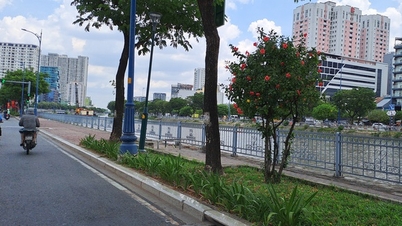
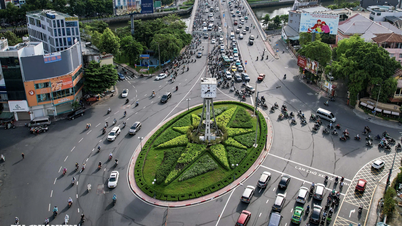
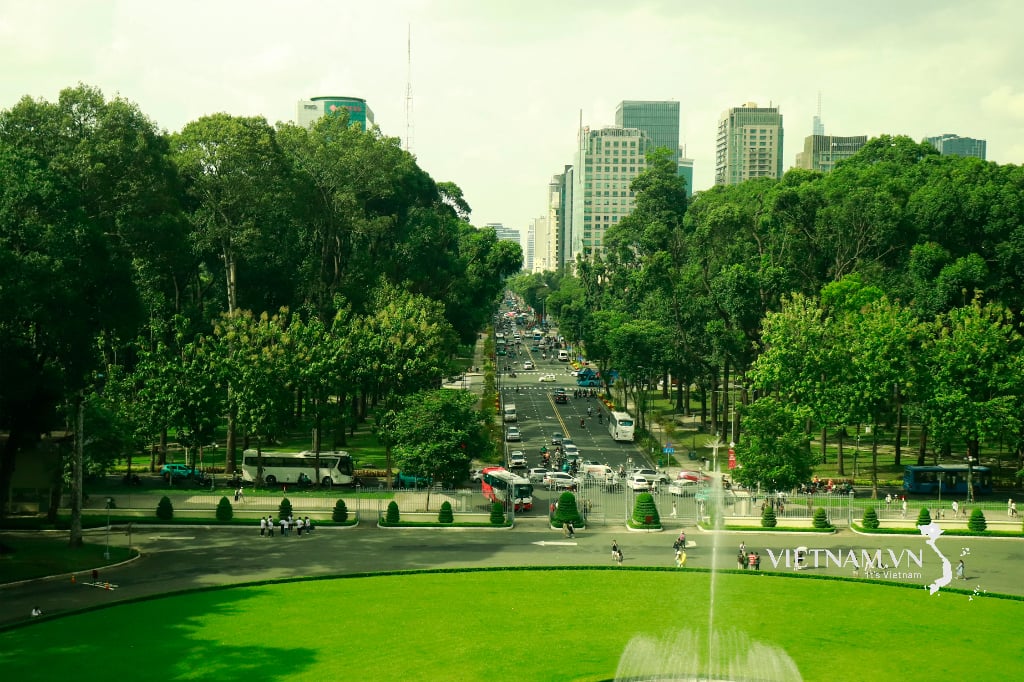
Many of these green spaces are temporary parks created from abandoned land or long-stalled projects. With just a little clearing and opening up, these previously neglected areas are immediately filled with people. This further demonstrates that the Ho Chi Minh City leadership's decision to use vacant land as temporary parks is a popular move that addresses the needs of the people. Just a small plot of land returned to the community is enough to create more living space, contributing to improved quality of life and the urban landscape.
But if we only stop at temporary parks, the solution will remain a short-term one.
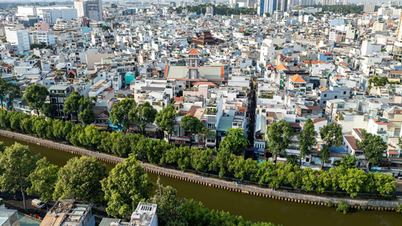
It must be frankly acknowledged that Ho Chi Minh City does not lack green space planning, but rather a lack of decisive implementation. Rapid urbanization and a sharp increase in population have resulted in low per capita green space. The high cost of land means that public spaces, especially parks, are often shrinking or slow to develop. Therefore, the shortage of green space is no longer just a planning issue, but has become a matter of quality of life for millions of residents.
From a management perspective, the city has clear directions. The Resolution of the First Congress of the Ho Chi Minh City Party Committee, term 2025-2030, sets out the requirement to increase the area of green spaces and parks, identifying this as an essential component of urban development. Simultaneously, the program for developing parks and public green spaces for the period 2020-2030 aims to increase the area of public green space to at least 1 m2/person, while currently it only reaches about 0.57 m2/person. These figures show the determination, but also highlight a significant gap between reality and needs.
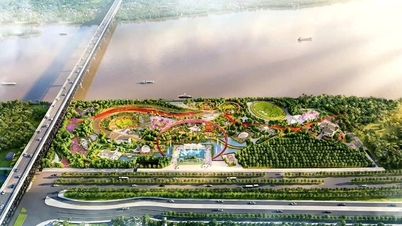
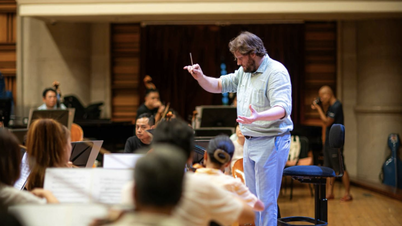
It is noteworthy that recent adjustments by Ho Chi Minh City are moving towards returning space to the community. The halt of the Nha Rong Khanh Hoi complex project to make way for a park, or the conversion of the land at 1 Ly Thai To Street into green space, are significant steps. Furthermore, the adjustments to the Symphony Orchestra project demonstrate a shifting mindset, prioritizing public spaces and the long-term benefits for citizens. These decisions not only solve urban planning problems but also directly improve the urban living environment.
Projects that have been stalled for years not only waste resources, but also miss opportunities to create green spaces that the public should have been able to use long ago. The problem lies not in a lack of planning, but in the speed and decisiveness of implementation, requiring faster and more decisive action to return these spaces to the community.
It's time for a different approach to urban planning, one that truly puts people at the center. Parks can no longer be considered "extra," but must be essential infrastructure, on par with transportation or utilities. Every residential area must have green spaces, and public land should be prioritized for the community.
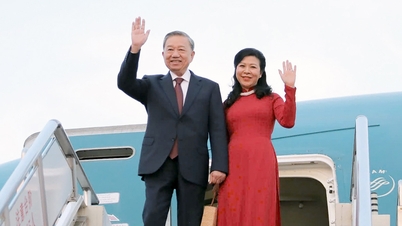
General Secretary and President To Lam, while offering incense at the Hung Temple historical site on April 26, stated that all policies and guidelines must be directed towards a better life for the people.
A livable city is not only measured by the height of its buildings, but also by the green spaces it provides for its residents every day. Ho Chi Minh City has taken the right steps, and these steps need to be implemented more strongly and on a wider scale to live up to its potential as a modern, livable metropolis.
According to Vu Phuong (TNO)
Source: https://baogialai.com.vn/can-lam-nhung-khong-gian-xanh-post585867.html


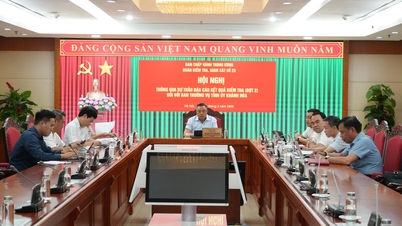
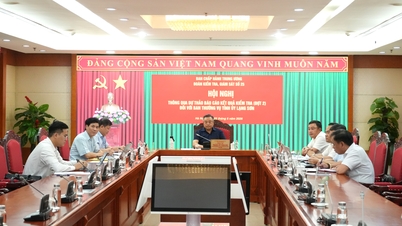
![[Photo] General Secretary and President To Lam presides over the meeting to approve the draft report on the results of the second inspection by the Politburo of the Standing Committee of the Hanoi City Party Committee.](https://vphoto.vietnam.vn/thumb/1200x675/vietnam/resource/IMAGE/2026/05/26/1779789811432_a2-bnd-4430-9620-jpg.webp)




















































Comment (0)