

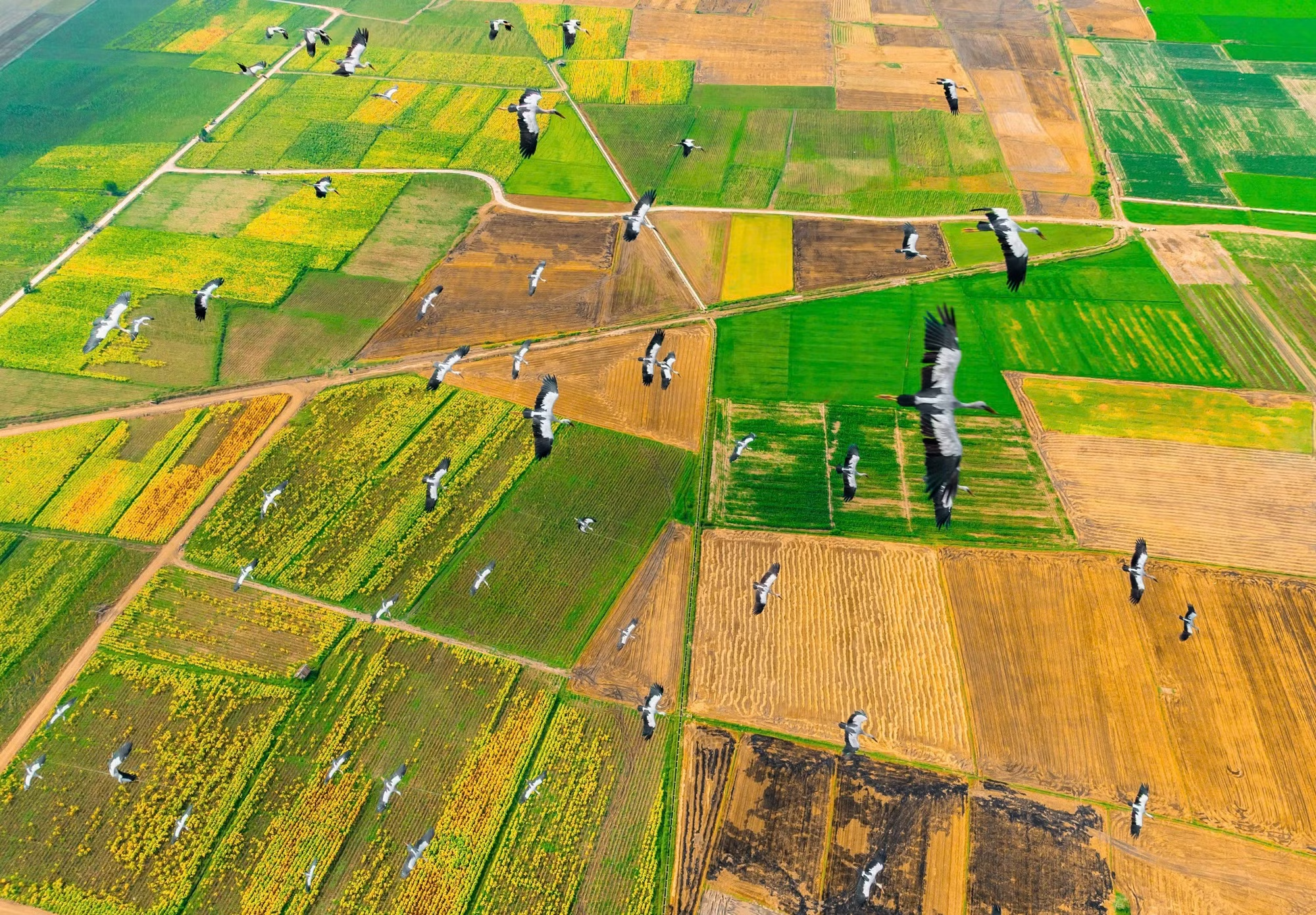
Storks fly over the fields after the harvest. Photo: Pham Quy
From above, thousands of rare birds swirl in giant arcs among the golden-brown rice paddies during the dry season, creating a scene that is both wild and peaceful, rarely seen on the plateau.
In the Ayun Pa, Ia Pa, and Phu Thien areas, after the rice harvest, flocks of egrets (snail-eating storks) - a species listed in Vietnam's Red Book - often fly back to feed in numbers reaching thousands.
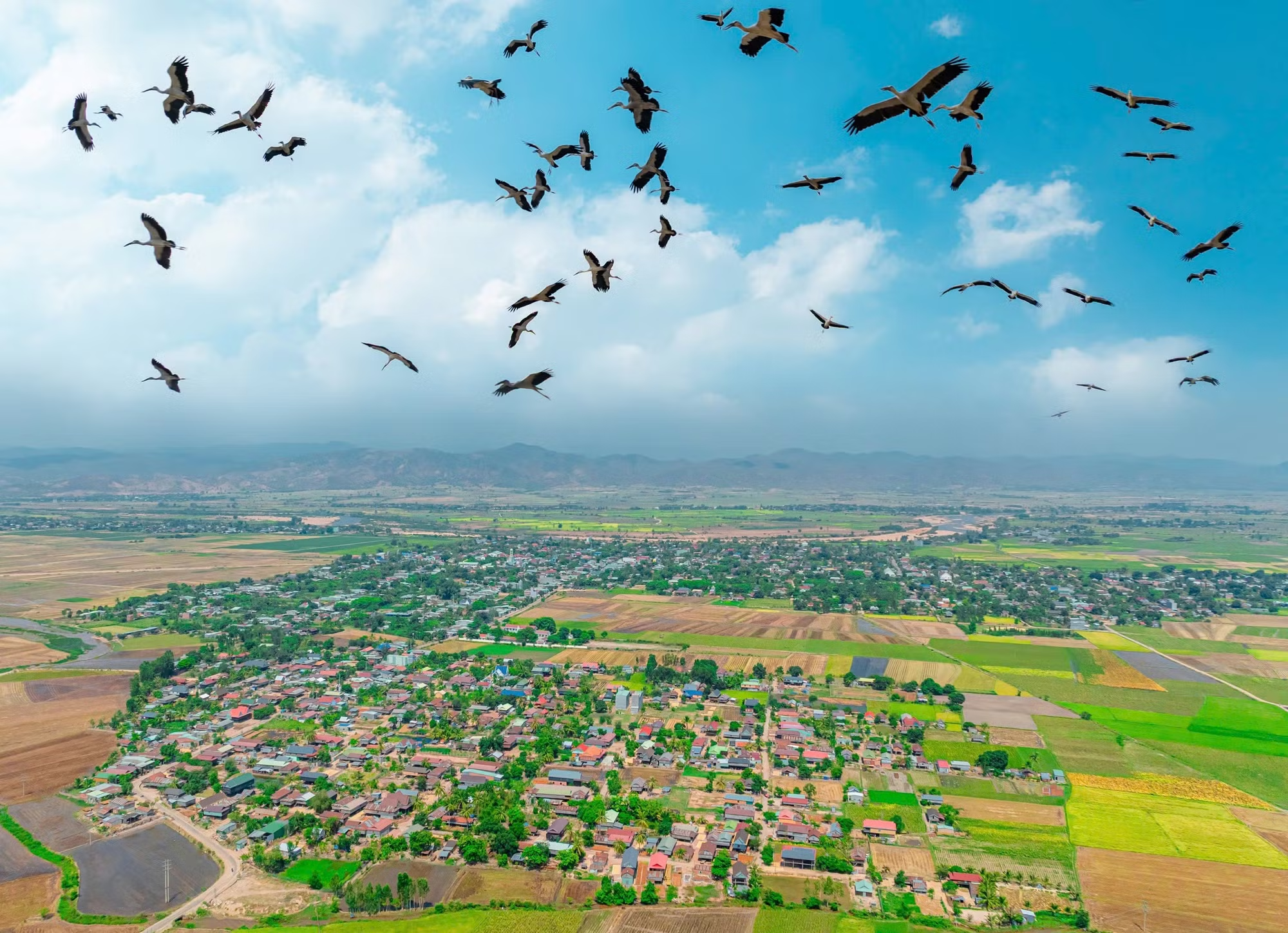
Flocks of storks fly across the villages, creating a peaceful scene on the plateau. Photo: Pham Quy
Pham Cong Quy, a freelance photographer from Pleiku ward, said that for many years he has followed flocks of storks to capture beautiful moments of these birds in the fields of the southeastern part of the province.
According to him, egrets appear in many places in the fields after the harvest season, but in the Ayun Pa and Ia Pa areas, the birds often gather in very large flocks.
"Viewed from the ground, the flock of storks forms giant curved lines with their striking black wings against the dry season sky. When the drone rises, the entire flock moves like a whirlwind in the air," Mr. Quy shared.
According to him, the beauty of the storks lies not only in their large numbers but also in the sense of peace they bring. Amidst the recently harvested fields, the flocks of birds sometimes swoop down to feed, and other times fly over villages, creating a tranquil scene on the plateau.
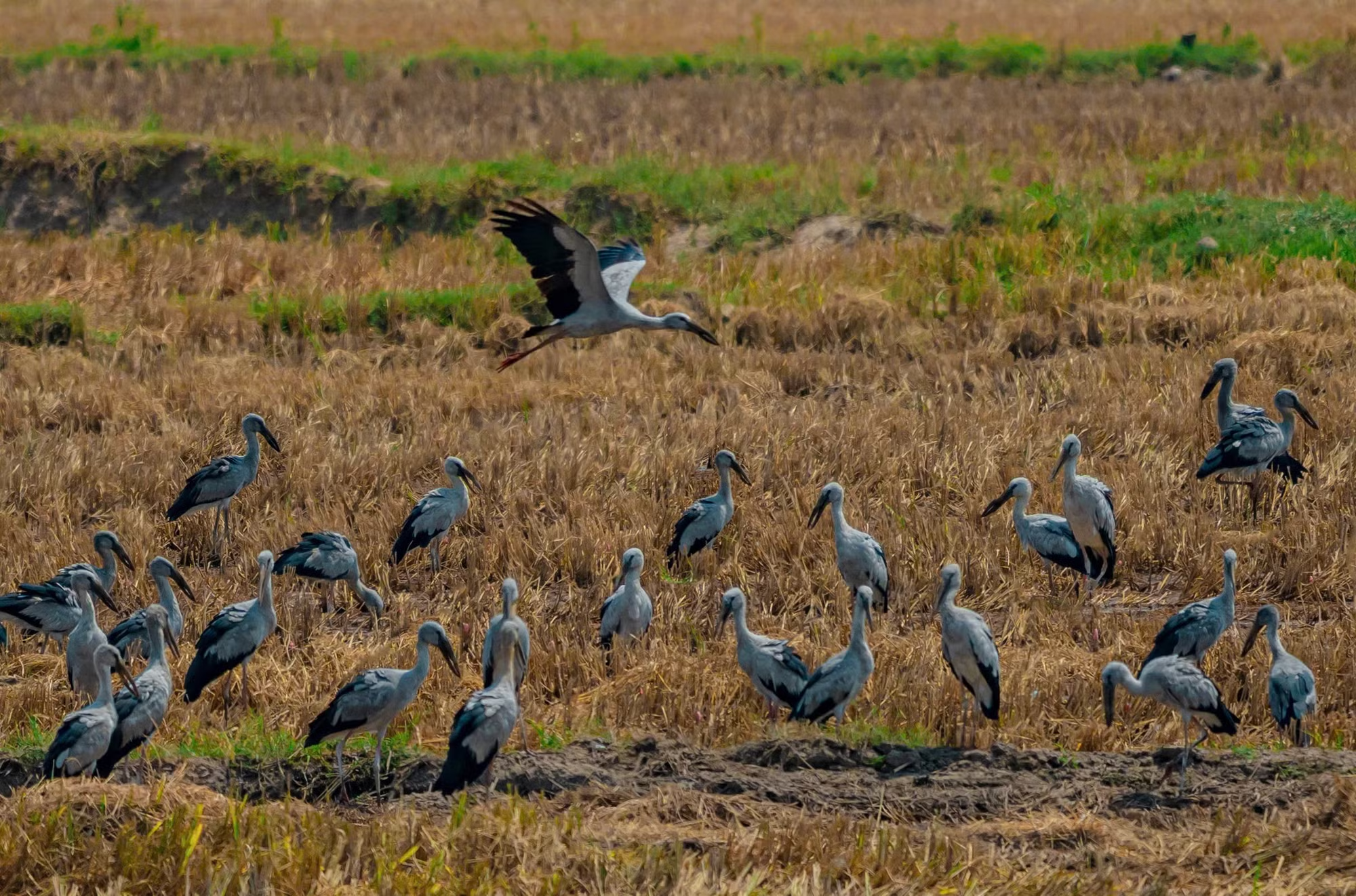
Storks land to feed in the fields after the harvest season. Photo: Pham Quy
The egret, also known as the snail stork, is a bird belonging to the stork family, commonly found in wetlands. This bird has a grayish-white color, with striking dark blue-black wings and tail. Its main food source consists of snails and insects found in rice paddies.
According to Mr. Tao Huy Nam, Head of the Ia Pa Forest Ranger Station, for the past five years, the locality has regularly observed large flocks of egrets returning after the winter-spring rice harvest. In some years, the flocks stay for more than a month before continuing their migration.
"During the day they forage in the fields, and at night they fly into the mountains or nearby forests to sleep. These are migratory wild birds; they will stay longer wherever there is an abundant food source and a suitable environment," Mr. Nam said.
According to Mr. Nam, the continuous return of egrets and herons over the years shows that the ecological environment in this area is still suitable for wild birds, just as the folk saying goes, "a good land attracts birds."
To protect wild and migratory birds, local forest rangers, in coordination with commune authorities, are intensifying awareness campaigns, patrols, and efforts to prevent illegal hunting and trapping during the bird migration season.
Amidst the recently harvested fields, thousands of egrets still silently make their way back. And only pristine nature and a well-preserved ecological environment can hold back these migratory birds during each season.
Admire the birds in the sky from a drone's perspective:
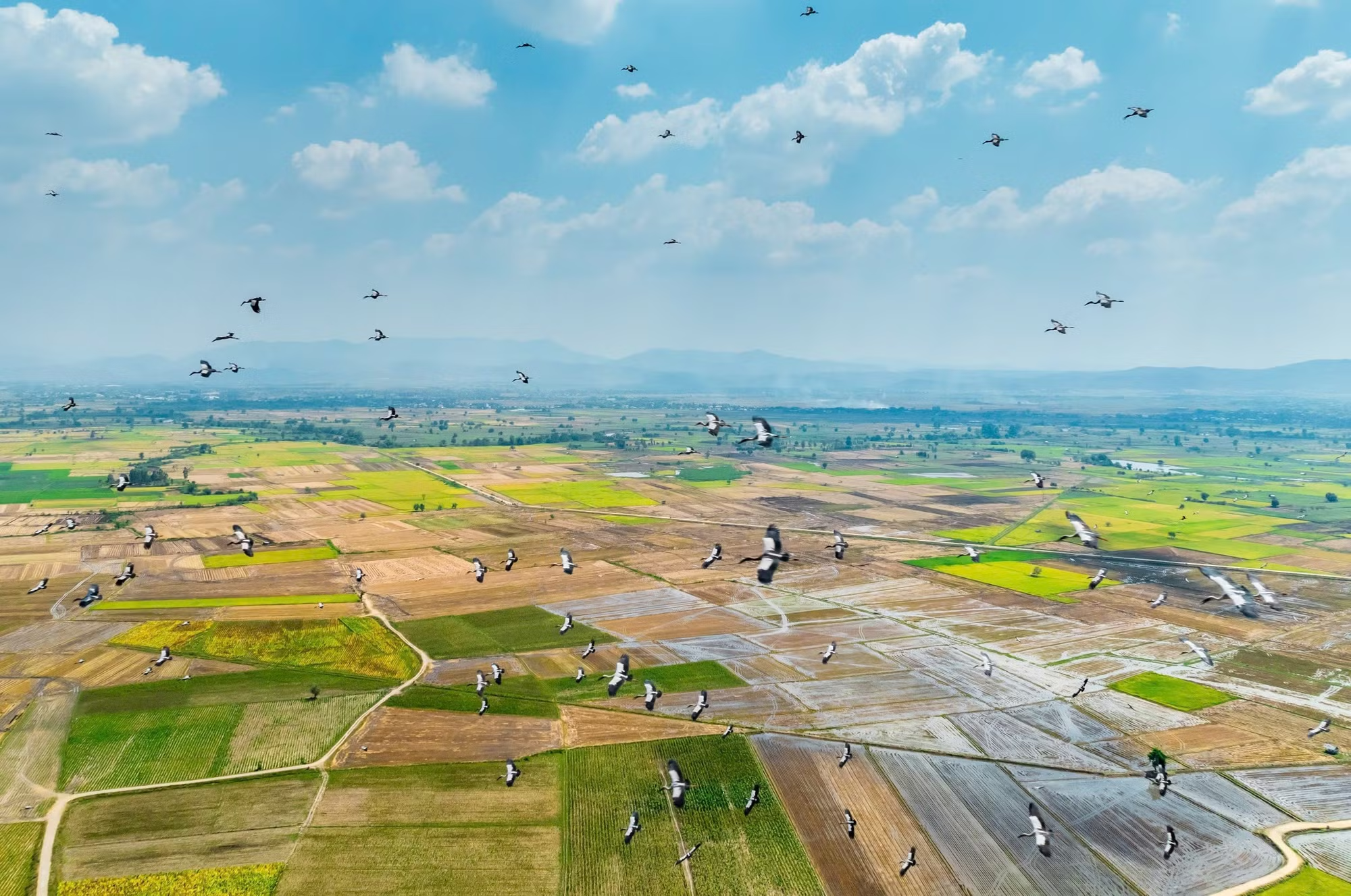
Photo: Pham Quy
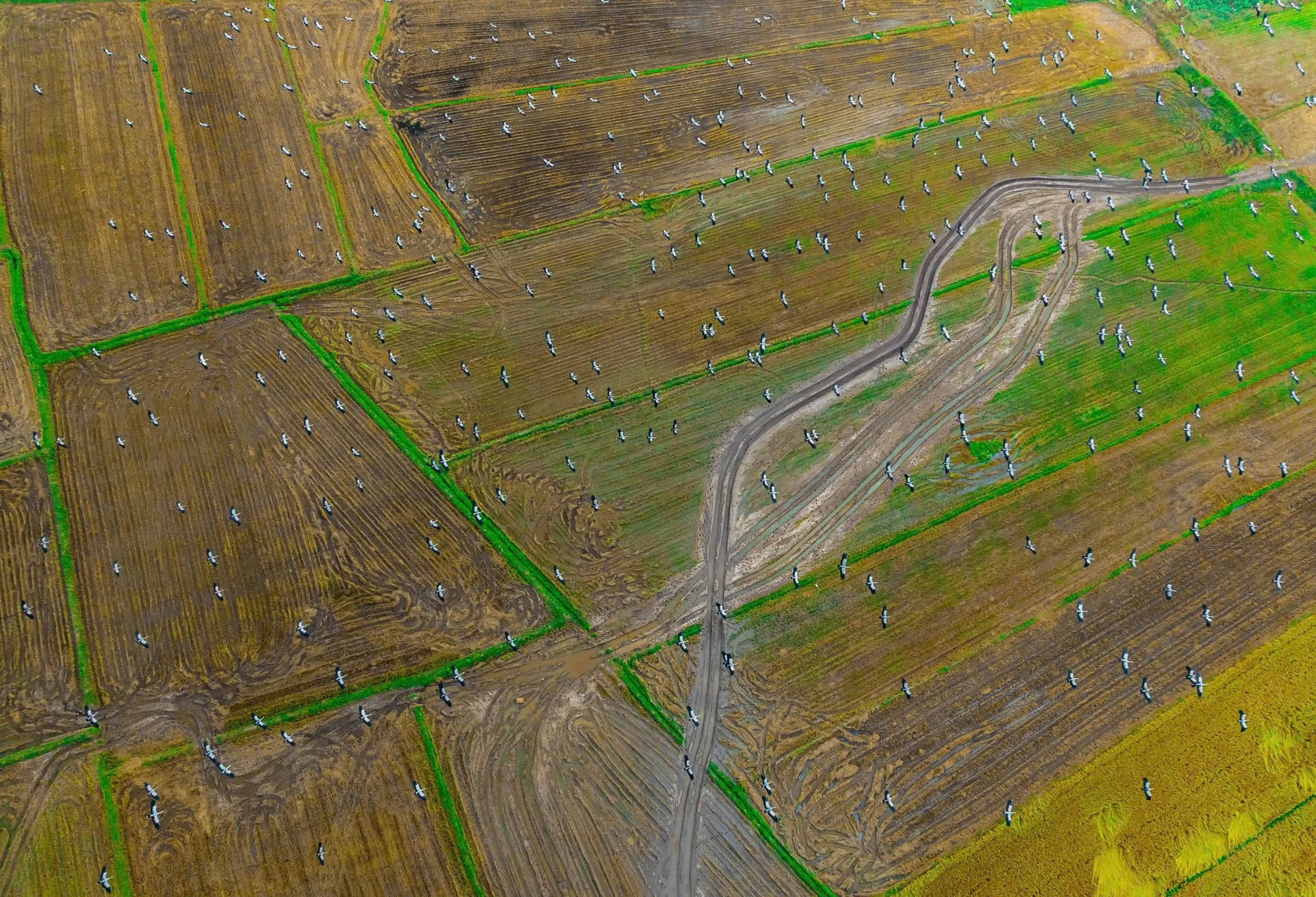
Photo: Pham Quy
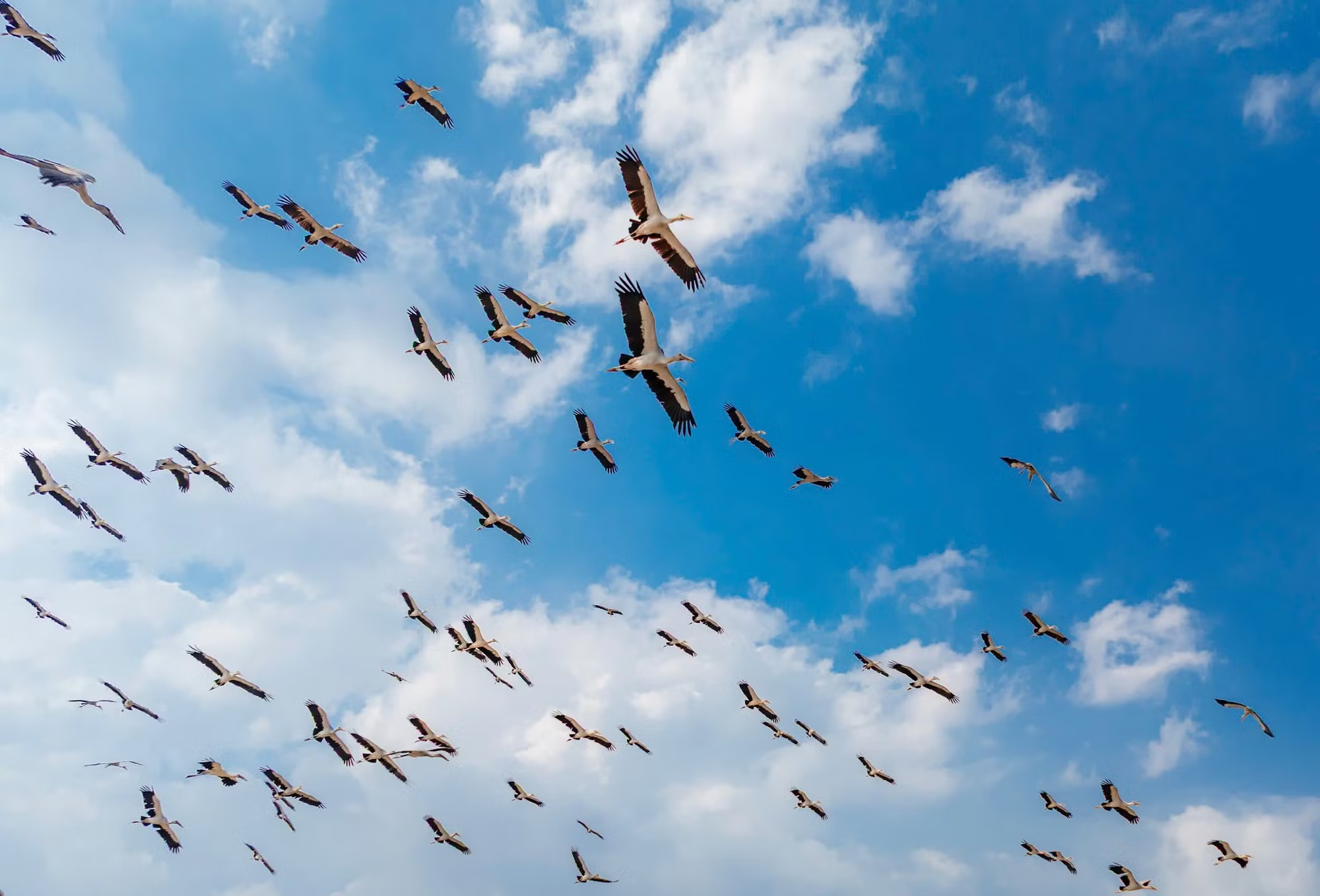
Photo: Pham Quy
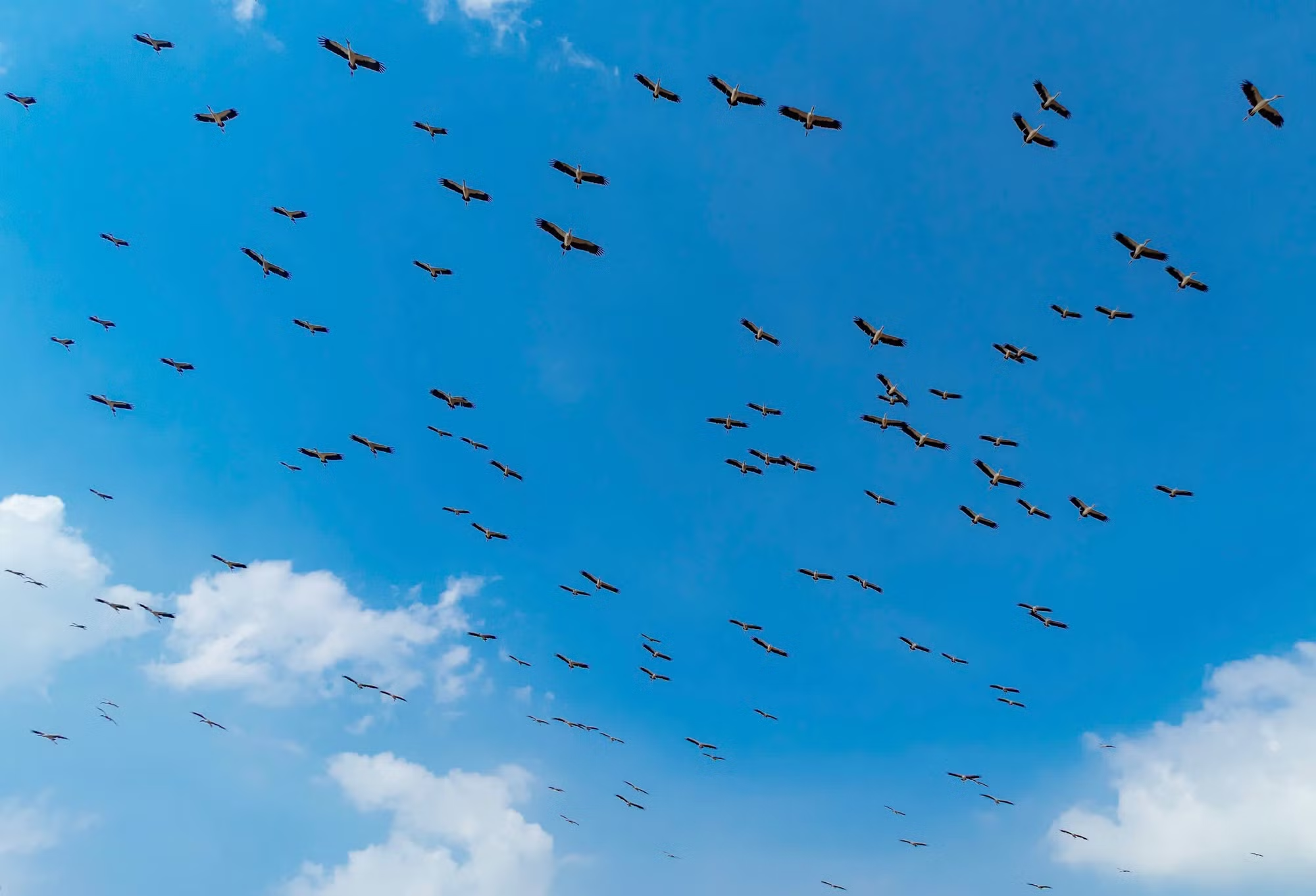
Photo: Pham Quy
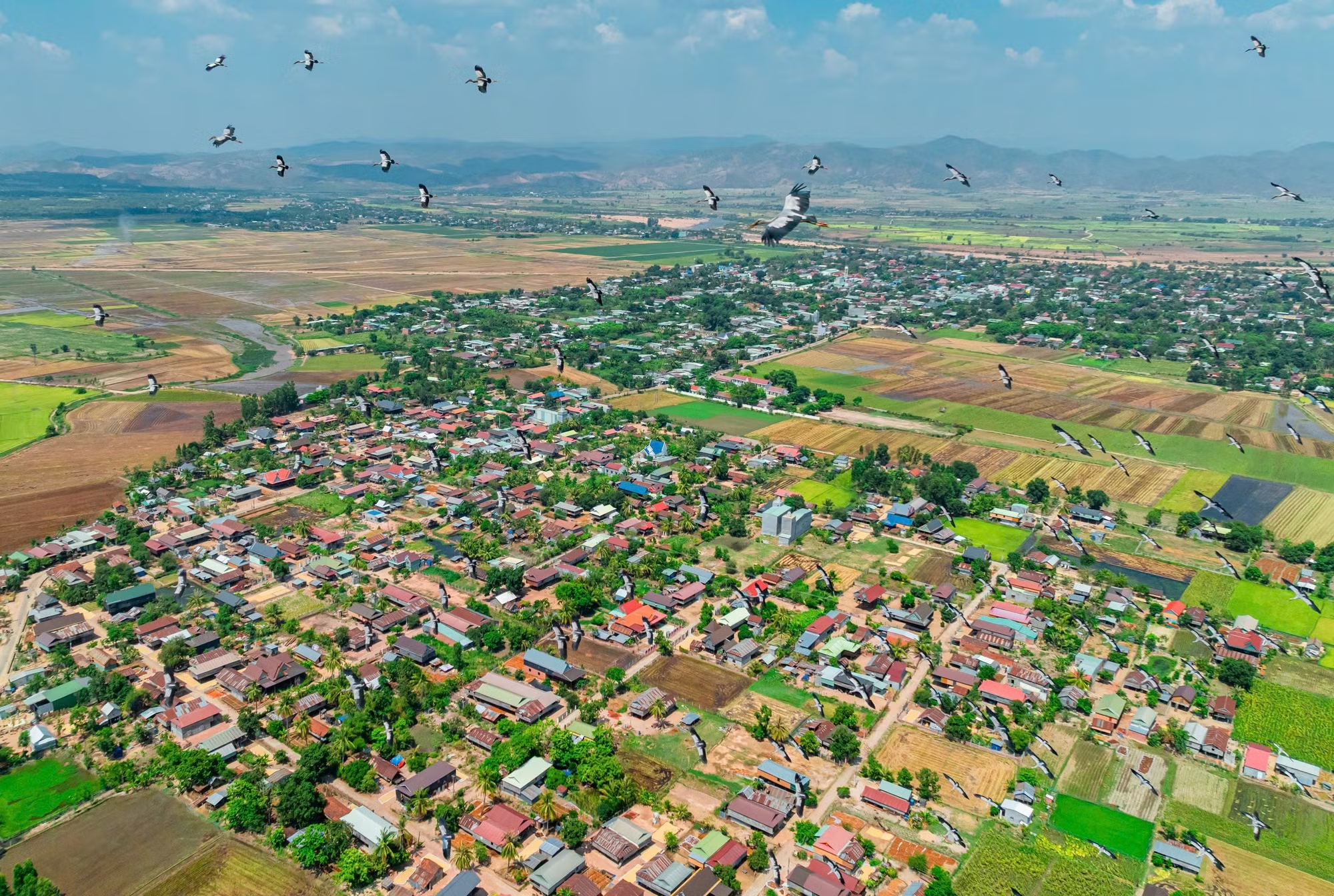
Photo: Pham Quy
Source: https://baoangiang.com.vn/cao-nguyen-gia-lai-mua-co-nhan-di-cu-a485549.html



![[Photo] Ba Lang An Lighthouse - the "eye of the sea" amidst the "rock museum" of Quang Ngai province.](https://vphoto.vietnam.vn/thumb/1200x675/vietnam/resource/IMAGE/2026/05/29/1780038698840_anh-man-hinh-2026-05-29-luc-14-10-42.png)
![[Image] Pleasant weather helps students enter the 10th grade entrance exam with confidence.](https://vphoto.vietnam.vn/thumb/1200x675/vietnam/resource/IMAGE/2026/05/29/1780034401612_ngay-1-thi-lop-10-minh-duy-8-5009-jpg.webp)































































































Comment (0)