

 |
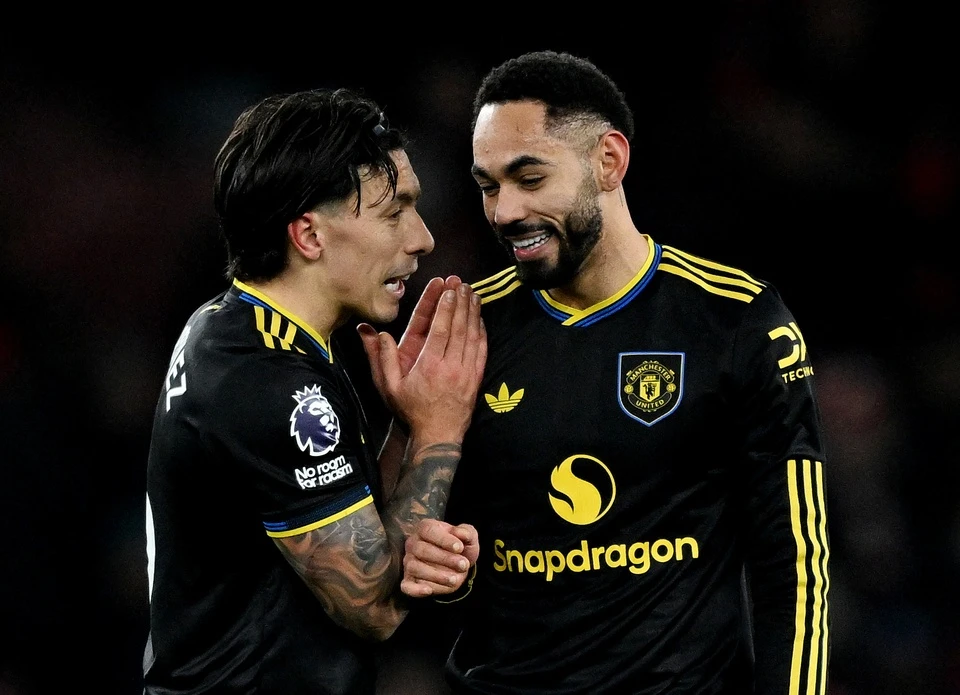
MU defeated Arsenal right at Emirates Stadium. |
The victory against Arsenal wasn't a miracle, nor was it a moment of pure brilliance. What made Manchester United special at Emirates was the familiar feeling: they looked more like… Manchester United than ever before in the past few months.
When MU plays true to their style.
Looking at the team's backbone, each link operates instinctively. Harry Maguire is solid and alert in the center of the defense. Casemiro is no longer out of sync but has returned to his image as a space-controlling midfielder with experience.
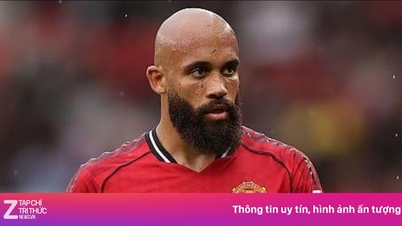
Bruno Fernandes was returned to his preferred number 10 position, where he could freely create and link up play. Up front, Bryan Mbeumo served as both a target for counter-attacks and a tempo-setting player, stretching Arsenal's defense with his speed and energy.
It's worth noting that MU didn't win because of one individual "carrying the team." The two spectacular goals didn't obscure the fact that this was a collective victory. From low-block defense when needed to decisive attacking runs when space arose, Manchester United played like a well-organized team, knowing exactly what they wanted and what they needed to do.
Compared to the final period under Ruben Amorim, the difference is very clear. There is no longer the awkwardness in the tactics, no more players being forced to play out of position or struggling in ambiguous roles.
Instead, there was a sense of ease, confidence, and initiative. Positive body language, more decisive passes, and above all, trust between the players.
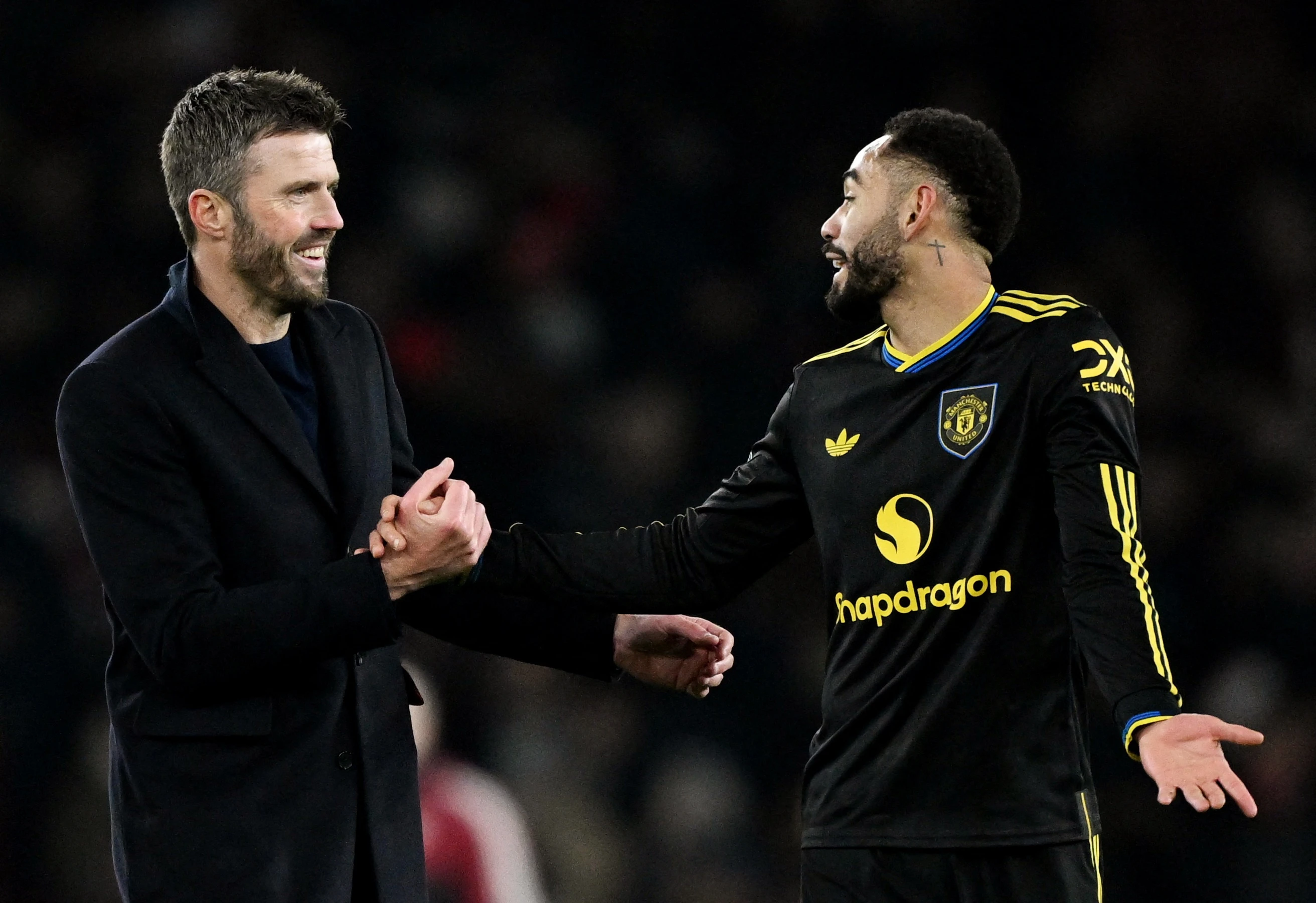 |
Michael Carrick didn't create a complex tactical revolution. |
Michael Carrick didn't create a complex tactical revolution. He did something seemingly simple but extremely important: putting players in positions they understood and felt safe in. It was this "simplicity in the right place" that unleashed the pent-up energy of Manchester United for a long time.
MU started with a 4-2-3-1 formation, which could transform into a 4-4-1-1 when defending. This isn't a new formation, but it's a suitable choice given the current squad.
Amad Diallo and Patrick Dorgu are both willing to drop deep to support the defense, as they are accustomed to playing wing-back roles in the past. When needed, Manchester United defend with a large number of players. When they have possession, they immediately switch to a quick and direct attacking formation.
Bruno Fernandes played a crucial role. He not only acted as a link between the midfield and the attack, but also proactively dropped back to support Casemiro and Kobbie Mainoo when Arsenal controlled possession. This allowed MU to maintain a well-organized formation, limit space in front of their defense, and force Arsenal to move the ball more often to the flanks.
The key was that MU didn't just sit back and wait. They dared to press at crucial moments, right at the Emirates, a risky choice but one that showed confidence. It was this approach that caused Arsenal, who were used to controlling the tempo at home, to become impatient and make mistakes.
The opening goal didn't bring Manchester United down. On the contrary, it acted as a psychological boost. The visitors played more freely, took more risks, and quickly found an equalizer. From the moment Bryan Mbeumo scored, the "Red Devils" looked like a team that believed they could win the match.
Patrick Dorgu's stunning goal after the break was more than just about the scoreline. It gave Manchester United the impetus to launch counter-attacks, perfectly leveraging their speed. Arsenal were forced to push their lines forward, and every space behind them became an invitation.
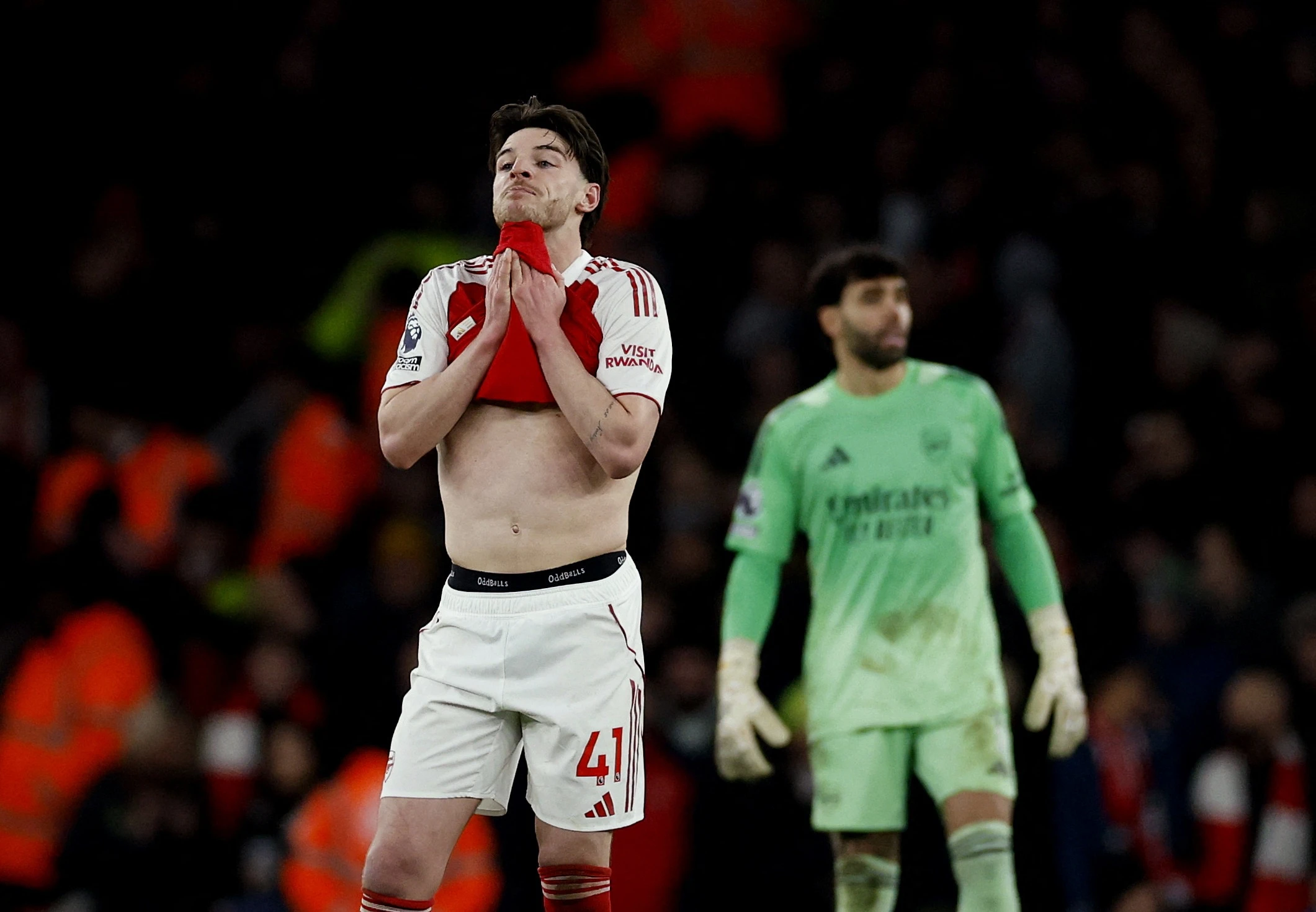 |
For Arsenal, this defeat exposed another aspect: the pressure of the title race. |
In that context, Arsenal's mass substitutions inadvertently benefited MU. The home team's attacking tempo was disrupted, the connection in the forward line diminished, while Manchester United maintained their focus. Although Arsenal equalized from a set piece, MU did not panic. They patiently waited for their moment.
And then the moment arrived. Matheus Cunha's late goal was the culmination of a well-thought-out plan: organized defense, sharp counter-attacks, and the belief that opportunities would arise if discipline was maintained.
A message for both MU and Arsenal
The victory at Emirates sent two conflicting messages. For MU, it signaled that they can be quite dangerous if organized correctly.
Carrick didn't need complicated tactics. He just needed to get the team to play to their true potential, and the results were immediate.
For Arsenal, this defeat exposed another aspect: the pressure of the title race. Even when leading, they lacked their usual composure. Individual mistakes, hasty decisions, and a feeling of losing control are rare at Emirates this season. But it happened, at a crucial moment.
However, things need to be considered in context. This was Arsenal's first home defeat of the season. They are still leading the league, still possess a strong squad, and have more experience than in previous title races. This loss could be a necessary "wake-up call," rather than the start of a slump.
For Manchester United, the biggest question isn't about a victory, but about sustainability. Can they maintain the clarity in their system, the confidence in their play, and the team spirit they showed at Emirates? If the answer is yes, then this is not just a shocking result, but a real turning point.
Man Utd are different now. Not because they play more beautifully, but because they've finally come to play true to themselves.
Source: https://znews.vn/carrick-lam-gi-de-mu-lot-xac-post1622802.html































































































Comment (0)