

In the context of rapidly developing digital technology , Vietnamese literary and artistic life faces many opportunities for innovation but also numerous challenges regarding professional standards and creative responsibility. This was the main topic of discussion among experts, artists, and cultural managers at the seminar "Maintaining Integrity in Performing Arts and the Responsibility of Creators in the Digital Age."
The event, organized by the Vietnam Union of Literature and Arts Associations in collaboration with the Vietnam Musicians Association and the Vietnam Theatre Artists Association, took place on May 28th in Hanoi under the direction of the Central Propaganda and Mass Mobilization Department.
Lip-syncing is becoming a widespread "disease".
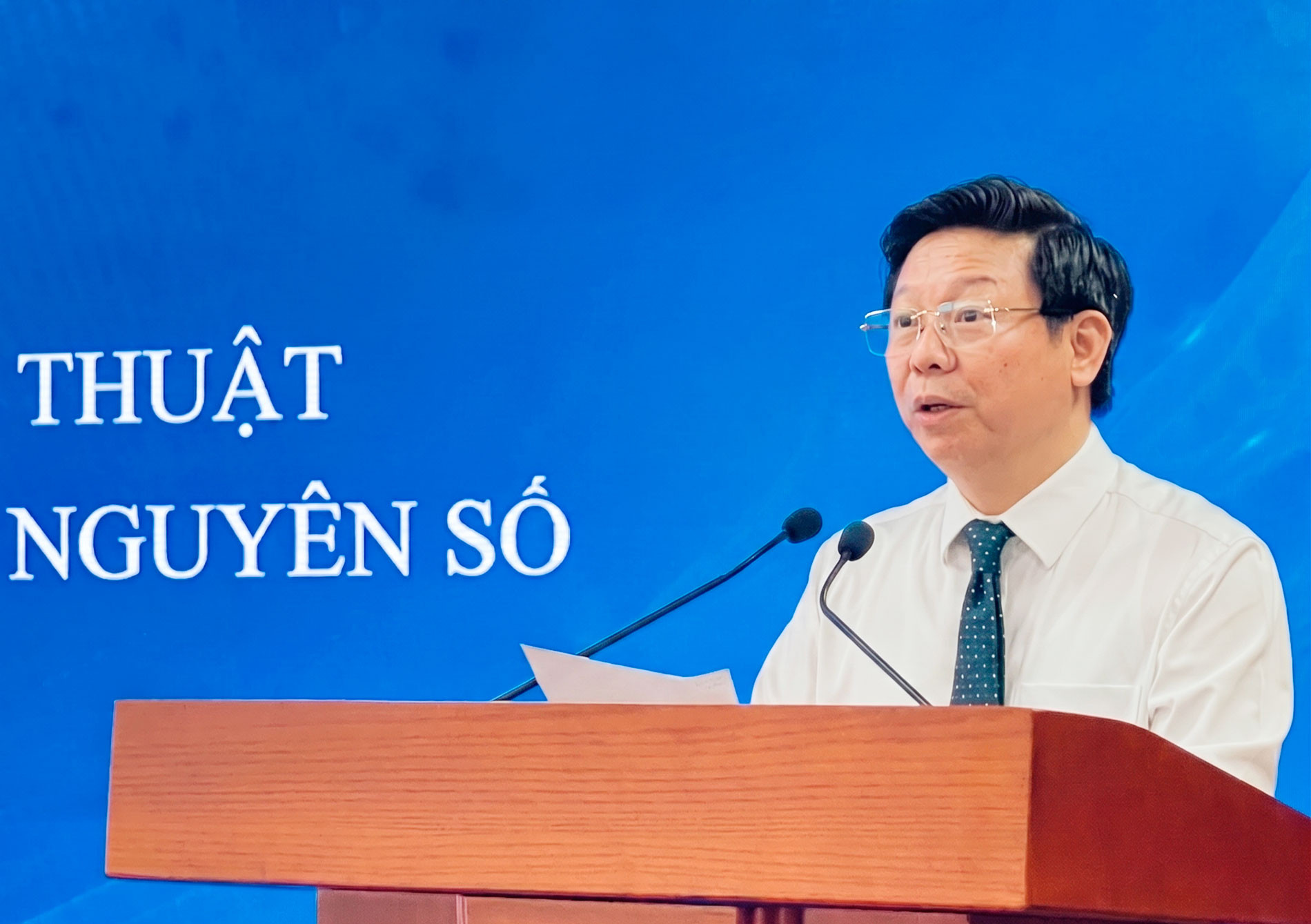
In his opening remarks at the seminar, Associate Professor, Doctor of Music Do Hong Quan, Vice Chairman of the Central Committee of the Vietnam Fatherland Front, and President of the Vietnam Union of Literature and Arts Associations, stated: The seminar aims to listen to the opinions of experts in the fields of music and theater, organizers and producers of art programs, agencies managing performing arts activities, and the opinions of cultural and artistic steering agencies.
Dr. Nguyen Dang Chuong, playwright and Vice President of the Vietnam Association of Theatre Artists, emphasized that literature and art are always important components in creating national cultural identity and play a special role in the spiritual life of society. However, alongside the achievements, recent artistic life has seen many deviations from norms, causing concern among the public.
According to Mr. Chuong, a prominent issue is the lack of honesty in performances, such as lip-syncing, along with laxity and irresponsibility in creative work, especially in light of the increasing use of AI technology. The seminar was organized to examine the current situation, analyze the causes, and seek solutions to protect the true, good, and beautiful values of art in the new context.
One of the issues that has received much frank feedback is the practice of lip-syncing in performing arts.
People's Artist Vuong Duy Bien – Vice President of the Vietnam Union of Literature and Arts Associations, and President of the Vietnam Association for the Development of Cultural Industry – believes that lip-syncing is becoming a fairly common "disease" in many art programs today, from children's theater to large-scale events. According to him, many organizers prioritize safety over artistic value, choosing to play recorded tracks instead of having artists perform live for fear of being held responsible if an incident occurs.
"Even the rustling of costumes or the quiet sobs of the artists are expressions of artistic emotion. If it's raining and windy outside but the sound is as perfect as a recording studio, the audience will immediately realize it's lip-syncing," he said, arguing that this is "fake art" that diminishes the value of stage performances.
Sharing the same view, People's Artist Tran Quoc Chiem - Vice President of the Vietnam Union of Literature and Arts Associations, and President of the Hanoi Union of Literature and Arts Associations - stated that honesty in art lies not only in whether one sings live or lip-syncs, but also in costumes, props, and the overall performance language.
According to him, many current programs feature costumes, stage design, and lyrics that are inappropriate and inconsistent with national culture and traditions. People's Artist Tran Quoc Chiem also emphasized the role of censorship and professional ethics education for young artists, stating that "costumes or stage effects cannot cover up carelessness in performance; genuine emotion from the singing voice is what truly captivates the audience."
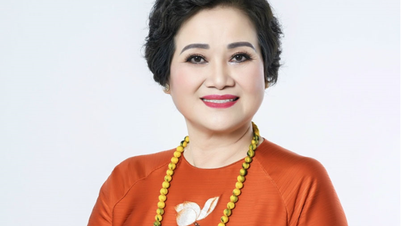
From a creative perspective in the digital age, the application of artificial intelligence (AI) in music continues to be a topic that attracts much discussion. Composer Giáng Son – who has many years of experience in songwriting and serving as a judge in numerous music competitions – shares her concerns based on practical experience in her profession.
She stated that artificial intelligence is increasingly present in the world of music and poses many challenges for professionals. Composer Giáng Son recounted her experience judging a music competition where an author submitted 24 songs created by AI, surprising both her and the entire judging panel.
"What worries me is not just the technology, but also the self-respect of the artist," she shared, while suggesting that clear regulations and sanctions are needed soon to limit the abuse of AI in creative work and protect professional ethics.
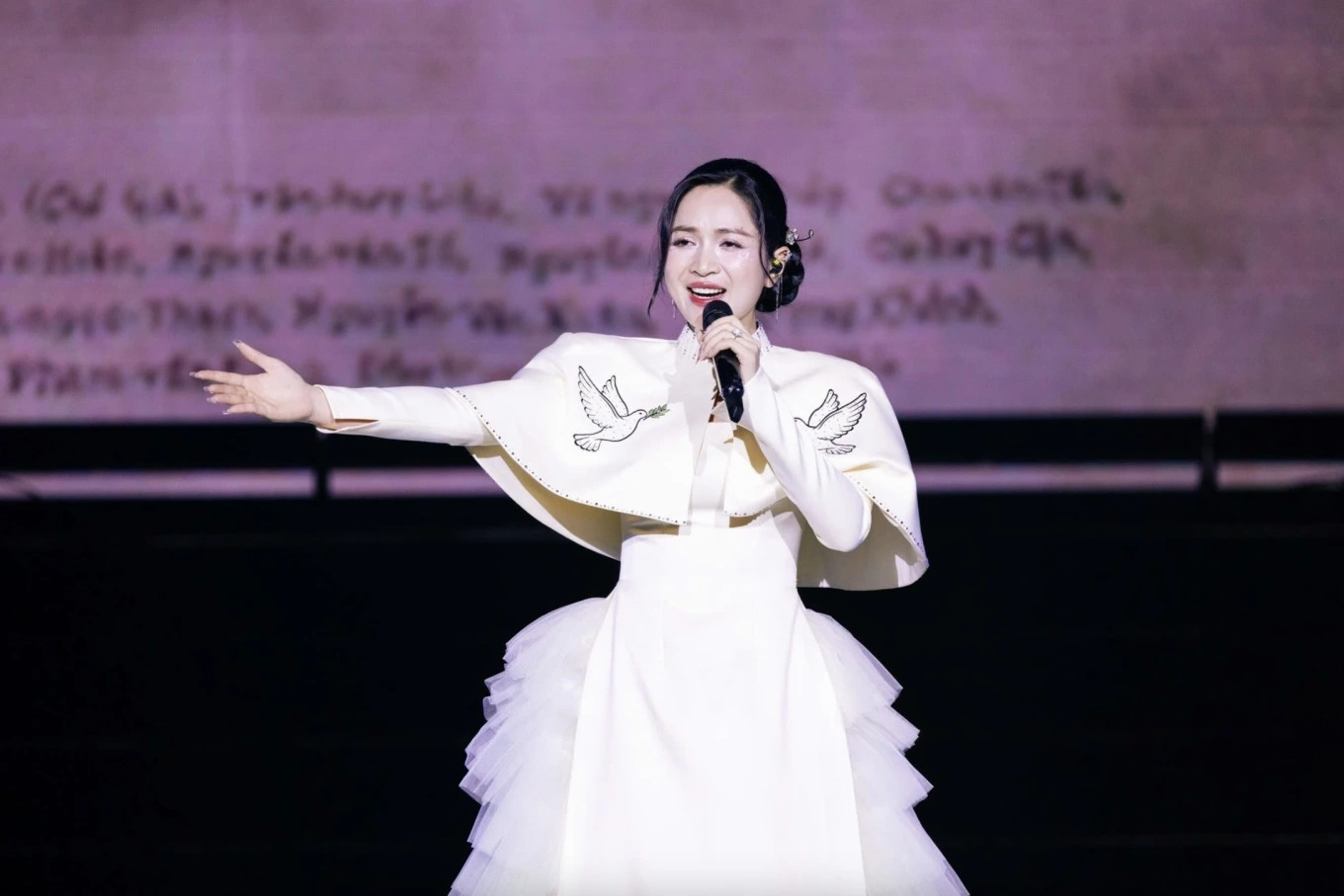
People's Artist Tan Minh: AI is a global development trend.
Meanwhile, People's Artist Tan Minh – Director of Thang Long Music and Dance Theatre – offered a more balanced perspective. According to him, AI is a global development trend that the arts cannot ignore; the core issue is using technology as a supporting tool rather than letting it replace the creative role of humans.
Regarding the issue of lip-syncing, he acknowledges the current reality of significant pressure related to funding, technical requirements, and the specific nature of each program. Formal, ticketed venues almost always prioritize live performances, while in entertainment or high-intensity programs, for health reasons, artists, even if not entirely lip-syncing, often use backtracks for support.
According to People's Artist Tan Minh, aiming for 100% live performances is necessary, but it requires a roadmap, strategy, and synchronized changes from the organizing unit and production team to the artists themselves.
Speaking at the seminar, Mr. Tran Thanh Lam, Deputy Head of the Central Propaganda and Mass Mobilization Department, affirmed that literature and art are particularly delicate fields of culture; if culture is the spiritual foundation of society, then art is the most quintessential "soul" of that foundation. He also emphasized that technology is only truly meaningful when it contributes to improving the quality of creativity and elevating artistic emotions, and cannot replace serious work or genuine feelings from the heart of the artist.
"An art form built on complacency, trading public trust for deceptive tactics, will sooner or later be eliminated," he said.
Therefore, Mr. Tran Thanh Lam suggested that literary and artistic associations should better fulfill their role as a "common home," strengthening professional training coupled with ethical conduct; management agencies should continue to improve mechanisms and policies suitable for the digital environment; and performance and media organizations should become dedicated and timely "gatekeepers," not promoting easy, arbitrary, or superficial trends for the sake of profit or interaction.
Addressing young artists, he urged them to continuously learn, hone their professional skills, and maintain a positive public image. "Let each of your works be a brick contributing to building the standards of the Vietnamese people of the new era: patriotism, honesty, responsibility, and creativity," said Mr. Tran Thanh Lam.
Chau Anh

Source: https://vietnamnet.vn/chan-chinh-hat-nhep-sang-tac-de-dai-2520723.html
![[Image] Pleasant weather helps students enter the 10th grade entrance exam with confidence.](https://vphoto.vietnam.vn/thumb/1200x675/vietnam/resource/IMAGE/2026/05/29/1780034401612_ngay-1-thi-lop-10-minh-duy-8-5009-jpg.webp)


![[Photo] Ba Lang An Lighthouse - the "eye of the sea" amidst the "rock museum" of Quang Ngai province.](https://vphoto.vietnam.vn/thumb/1200x675/vietnam/resource/IMAGE/2026/05/29/1780038698840_anh-man-hinh-2026-05-29-luc-14-10-42.png)






















































Comment (0)