

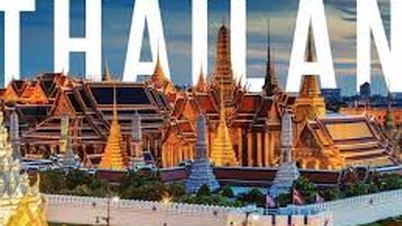
Chiang Mai (Thailand) is a popular tourist destination known for its architectural masterpieces created by both nature and man.
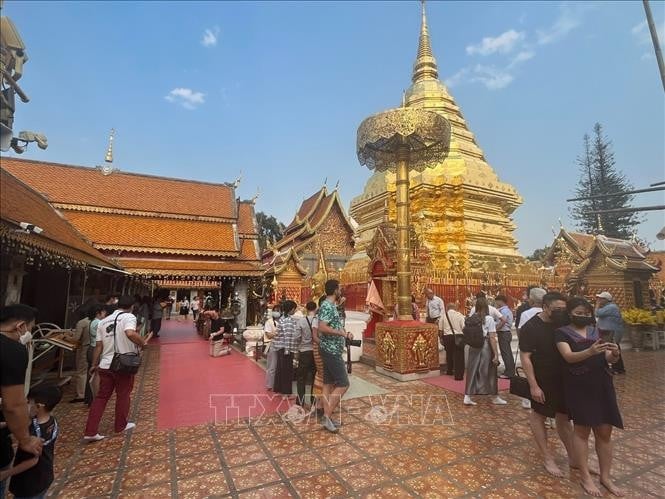 |
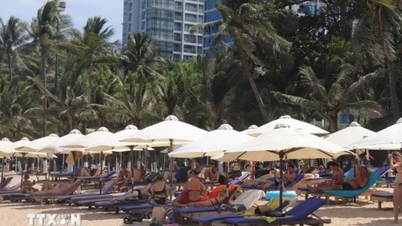
| Chiang Mai (Thailand) tourism attracts visitors from all over the world . |
As the second largest city in Thailand, Chiang Mai is a very popular tourist destination, renowned for its architectural masterpieces created by both nature and man, attracting visitors from all over the world. However, in recent years, air pollution, especially PM2.5 fine particulate matter, has significantly impacted the tourism potential of this northern Thai province. Restoring Chiang Mai's clean, fresh air is a major concern for both the central and local governments in Thailand as they strive to revive and sustainably develop tourism in the region.
Located in the far north of the country, Chiang Mai boasts famous tourist destinations such as Doi Inthanon National Park – home to the mountain considered the "roof" of Thailand with its majestic natural scenery, Grand Canyon National Park, ancient and distinctive temples like Chedi Luang, Chiang Man, and Phrathat Doi Suthep, and the dazzling Chiang Mai Bazaar night market with its local dishes that visitors are eager to sample. Chiang Mai also has one of Thailand's six major international airports and is one of the five localities where the Thai government has recently allowed nightlife venues to stay open until 4 am to attract tourists.
However, a regrettable drawback of this beautiful city is its air pollution, which occasionally places Chiang Mai on lists of the world's most polluted cities. This is due to traffic fumes and the practice of burning agricultural waste by locals and some neighboring countries. Air pollution not only affects the health of local residents but also deters tourists, both from within and outside Thailand, from visiting the city.
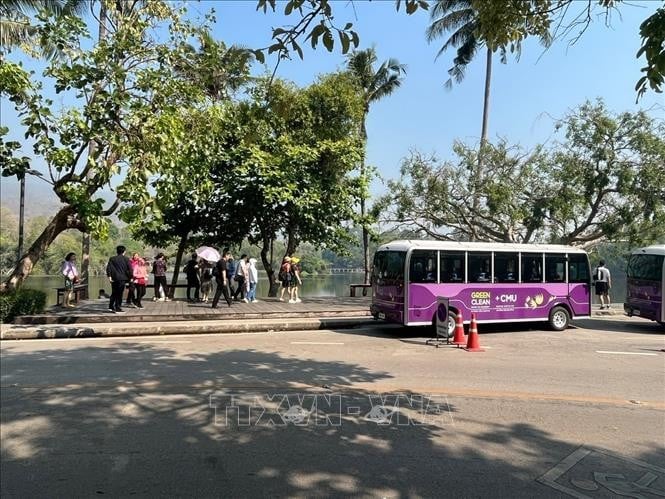 |
| Electric tourist buses transport visitors to attractions in Chiang Mai. |
During his working visit to Chiang Mai on January 11-12, Prime Minister Srettha Thavisin announced plans to promote electric public transport to help address the province's persistent air pollution problem. He stated that the government, particularly the Ministry of Transport, is planning improvements to the province's public transport system to help mitigate PM2.5 particulate matter caused by traffic congestion, while also enhancing the public transport system to make it more convenient for tourists.
Prime Minister Srettha said: “Chiang Mai is a large city but lacks a fast public transport system. It needs a monorail service and that would benefit the local people and help boost the economy.”
Accompanying Prime Minister Srettha on this trip, Minister of Transport Suriya Jungrungreangkit proposed several transportation development projects for Chiang Mai. Notably, one of these is a plan to replace the current high-capacity transport service (the common red pickup trucks in Chiang Mai) with electric vehicles.
Minister Suriya also proposed an outer ring road connecting Chiang Mai airport with popular tourist destinations in the city. He said the route would be approximately 53 km long and would help alleviate congestion in the city.
In addition, the ministry also plans to build Lanna Airport, Chiang Mai's second airport, on a nearly 1,300-hectare plot of land in Chiang Mai's San Kamphaeng district and Ban Thi district in the neighboring Lamphun province.
Another plan is to introduce electric tourist bus services to seven popular locations, including the night zoo, Rajapruek Royal Park, and the Queen Sirikit Botanical Garden. According to Minister Suriya, the Department of Road Transport will seek electric tourist bus operators to provide this service.
Prime Minister Srettha expressed confidence that implementing solutions in a coordinated manner could help boost public transportation services, which would benefit the province's tourism industry. In addition, the Thai leader pledged to contact leaders of neighboring countries to discuss solutions to reduce PM2.5 fine dust emissions caused by burning agricultural waste.
According to the latest figures from the Chiang Mai Tourism Board, the province's tourism industry is on a good recovery path since the Covid-19 pandemic, with estimated revenue of 100 billion baht in 2023 and hotel occupancy reaching 90% during the New Year period.
According to Council Chairman Pallop Saejiew, Chiang Mai welcomed more tourists during the 2024 New Year holiday than in previous years. The proportion of local tourists reached 100% of pre-Covid-19 levels. Meanwhile, the number of visitors from South Korea, China, and Taiwan (China) is also increasing thanks to the resumption of direct flights.
(according to VNA)
Source
![[Photo] Admire the coral "masterpiece" amidst the million-year-old heritage of Dak Lak province.](https://vphoto.vietnam.vn/thumb/1200x675/vietnam/resource/IMAGE/2026/05/30/1780107638639_y25-jpg.webp)














































































Comment (0)